
mPERS FCC PTCRB Certification: A Playbook for Scale
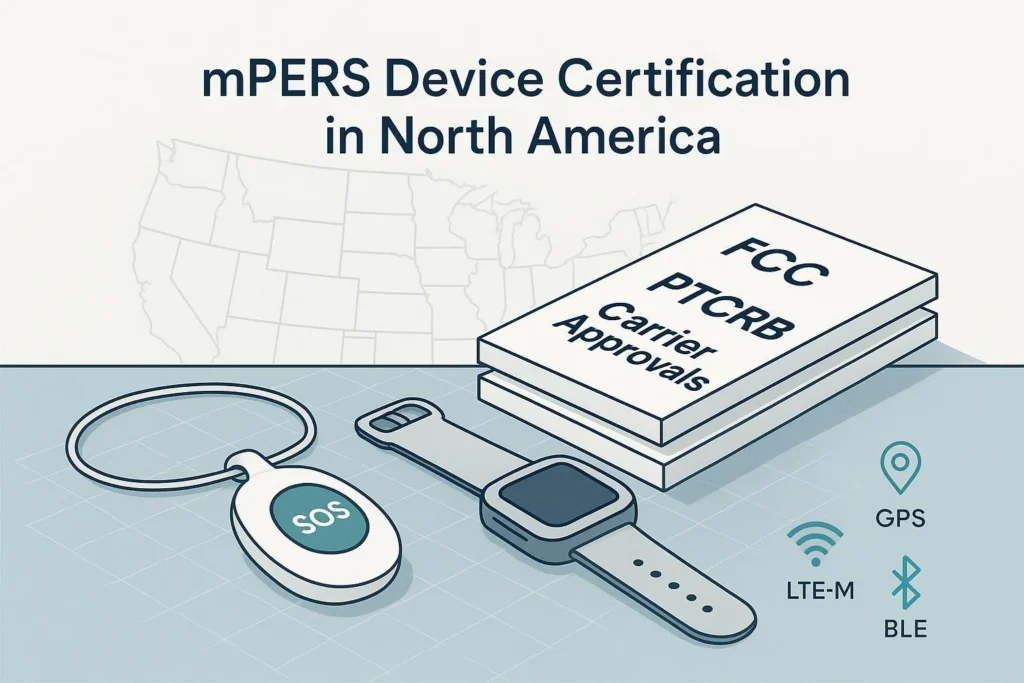
If you lead an mPERS program in North America, you already know the real obstacle is not building a prototype—it is proving that your device can clear FCC, pass PTCRB, secure carrier approvals, and then hold steady in healthcare or government SLAs as volume ramps. This guide lays out an implementation-first path with links to […]
SOS watches for lone workers: the ultimate guide to reliable protection on isolated and hazardous sites
It’s 02:17 at a half-finished tower. One night-shift inspector circles the scaffold in a biting wind, logging readings and checking locks. The site is quiet—until it isn’t. A misstep on a dim stairwell, a sudden impact, a few minutes of silence. In moments like this, the difference between a nuisance alert and a verified emergency […]
The Importance of SOS Watches in Employee Safety Programs: A Game-Changer for Hazardous Industries
If you oversee procurement or risk for a construction firm, a mine, an oil and gas operator, or a utility, you live with a hard truth: when something goes wrong, seconds matter. The question isn’t whether to monitor lone and at‑risk workers—it’s how to do it in a way that reliably shortens time to verification […]
How GPS Trackers Improve Lone Worker Safety and Operational Transparency in Utilities and Construction
Utilities and construction place people in hazardous, isolated environments—substations, vaults, pipelines, rooftops, trenches—often far from immediate help. When someone works alone, seconds matter. This ultimate guide explains how to use lone worker safety GPS tracking to reduce risk, verify well‑being, and create operational transparency without compromising privacy. Lone worker safety GPS tracking: who this guide […]
PERS vs mPERS: Understanding Key Differences, Use Cases, and Buying Criteria (2026 Guide)
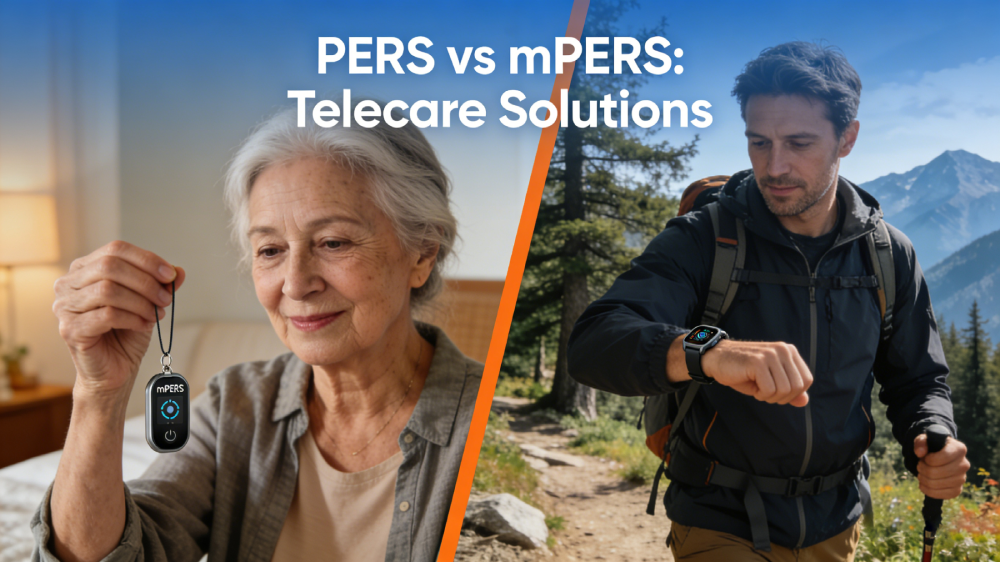
Understanding PERS and mPERS in Today’s Telecare Market Choosing between PERS (Personal Emergency Response System) and mPERS (Mobile Personal Emergency Response System) is no longer a technical detail — it’s a strategic business choice.For telecare distributors, healthcare operators, and OEM partners, this decision determines user experience, service costs, and long-term scalability. In short, PERS […]
What is mPERS? A Complete Guide for Service Provide

As personal safety becomes a global priority, mobile personal emergency response systems (mPERS) are reshaping how telecare and health service providers deliver protection and peace of mind. Unlike traditional PERS that rely on landlines and home-based units, mPERS brings emergency communication anywhere cellular coverage exists. For telecare OEMs, health-tech partners, and senior-care providers, mPERS represents […]
How Healthcare IoT Wearables and Patient Safety Devices Improve Care
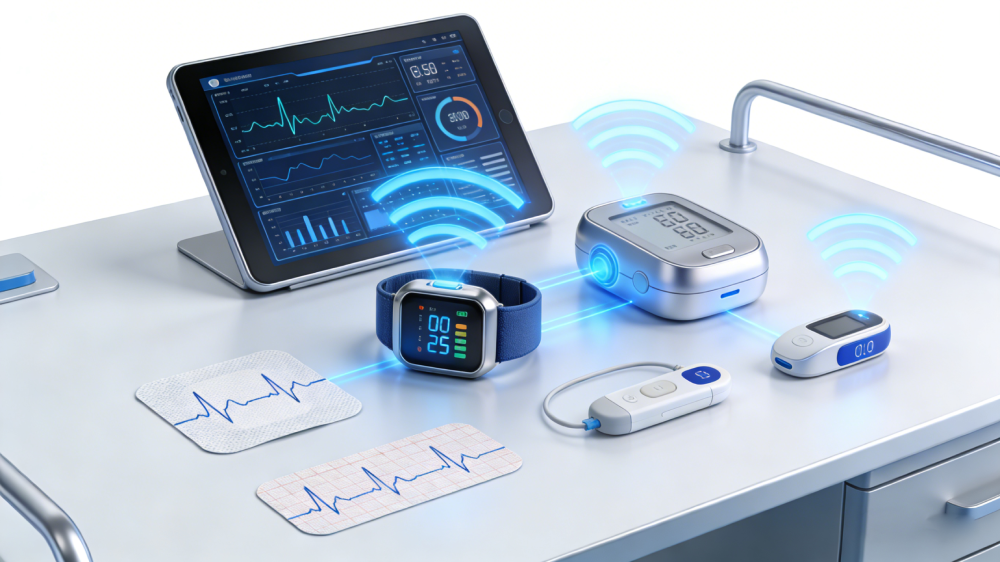
Healthcare is evolving fast, and IoT wearables are at the center of that transformation. Across hospitals, clinics, and home-care environments, patient safety devices are helping providers predict risks, improve response times, and create more connected care systems. Wearable safety technology is redefining how modern healthcare organizations monitor patients both inside and outside clinical settings. The […]
IoT Safety Devices in the Workplace: Protecting Lone and Remote Workers
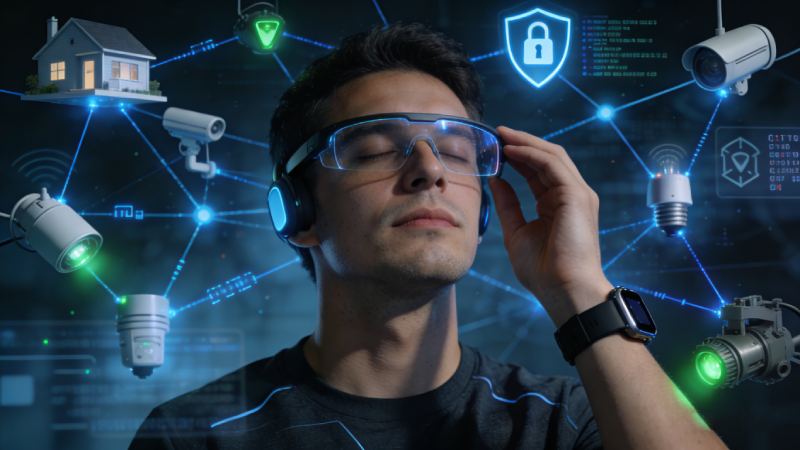
Why IoT Safety Matters for Lone and Remote Workers? As industries expand into remote and flexible work environments, protecting employees who work alone or off-site has become a growing challenge. Traditional safety procedures—like manual check-ins or radio calls—are often too slow or unreliable when emergencies occur. That’s where IoT safety for employees brings meaningful change. […]
How to Maximize Battery Life in Wearable IoT Devices
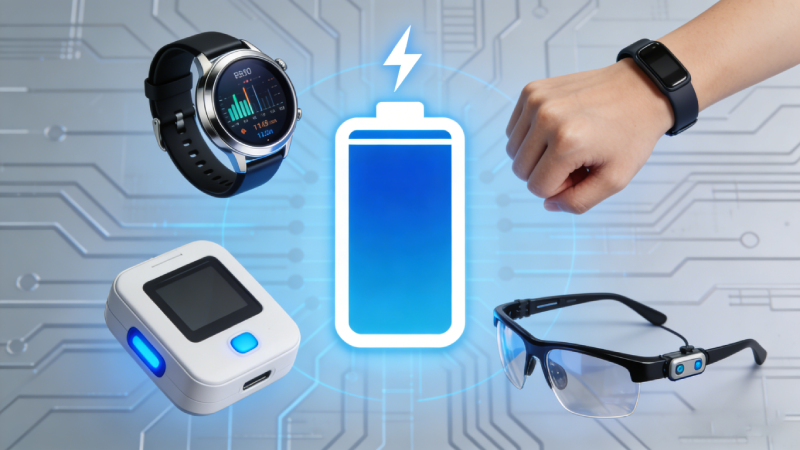
Wearable IoT devices — from fitness bands and health monitors to smart glasses — are redefining how we interact with technology. Yet, one challenge continues to slow their adoption: battery life. Users expect always-on performance, but limited battery capacity often leads to frequent recharging, reduced usability, and lower satisfaction. To address this, developers need systematic […]
LTE-M vs NB-IoT: Choosing the Best IoT Network for mPERS Devices
In mobile personal emergency response systems (mPERS), reliable connectivity is as vital as the device itself. These solutions must send SOS alerts instantly, share precise location data, and stay connected for years on a single charge. That’s why choosing the right cellular IoT network — LTE-M or NB-IoT — directly impacts both performance and user […]