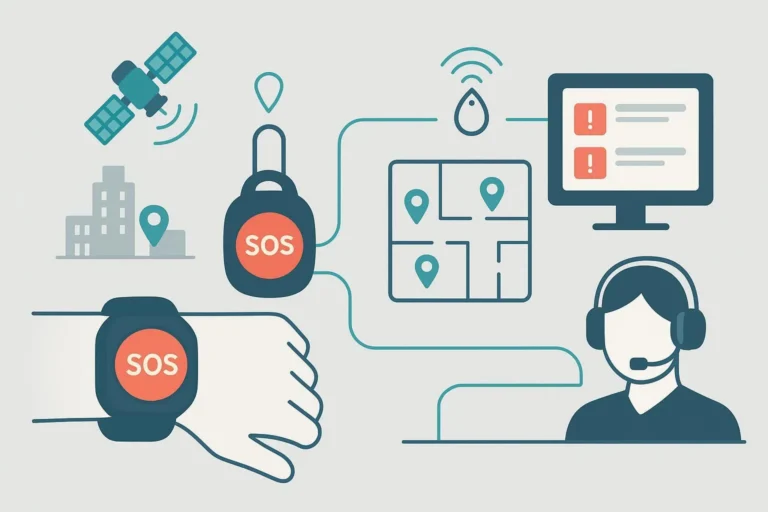

Staying safe while maintaining independence has never been easier thanks to modern medical alert technology. But when it comes to choosing between a medical alert watch and a traditional pendant, the options can feel overwhelming. This guide explores how both types of mPERS devices work, what users say, and how to decide which one fits your lifestyle best.
What Is a Medical Alert Device?
Choosing the right device starts with understanding what a medical alert system actually does. Both medical alert watches and pendants fall under the umbrella of PERS (Personal Emergency Response Systems), and modern versions—known as mPERS devices—extend safety far beyond the home.
Understanding PERS and mPERS
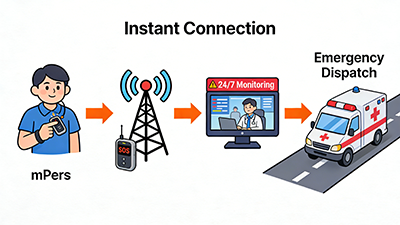
PERS devices connect users to emergency help through a monitoring center.
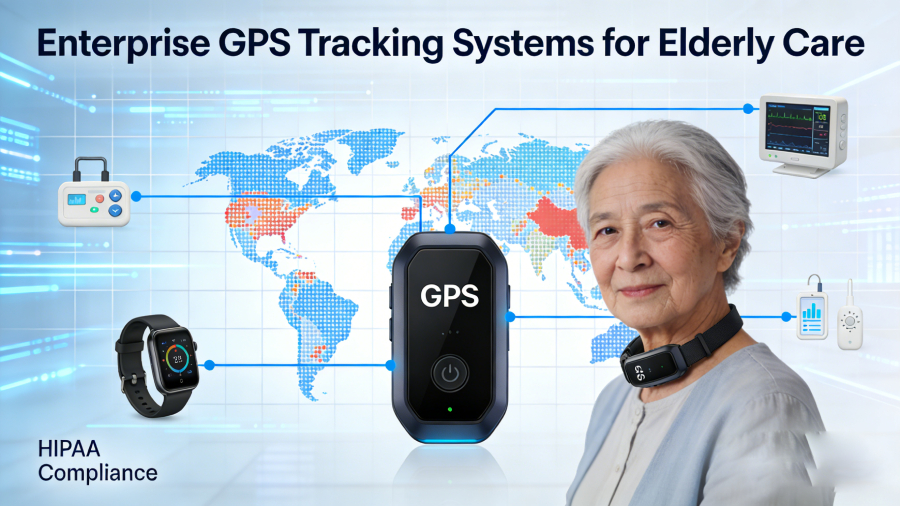
mPERS devices add cellular and GPS functionality, providing protection anywhere—not just near a base station.
How These Systems Work
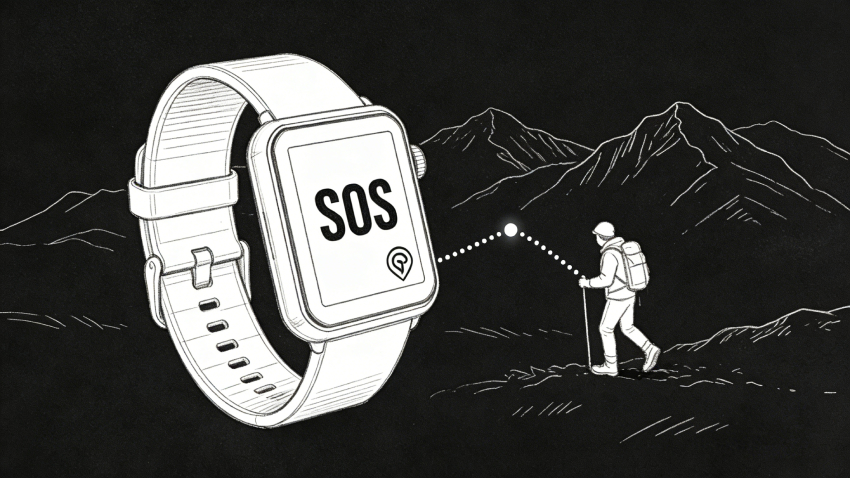
When you press the SOS button, you’re instantly connected to trained responders. They can talk to you directly, pinpoint your location, and contact emergency services or loved ones as needed.
How Medical Alert Watches Work
The medical alert watch combines personal safety with modern style. These mPERS devices are especially popular among active seniors who want protection that fits seamlessly into daily life.
Key Features and Connectivity
Medical alert watches include two-way voice calling, fall detection, GPS tracking, and a dedicated SOS button. Most models work independently using built-in cellular networks, ensuring coverage anywhere a signal is available.
Smartwatch vs True Medical Alert Watch
While popular smartwatches (like Apple Watch) offer limited emergency alerts, true medical alert watches connect users directly to 24/7 professional monitoring—offering real support rather than just phone notifications.
How Pendants Work
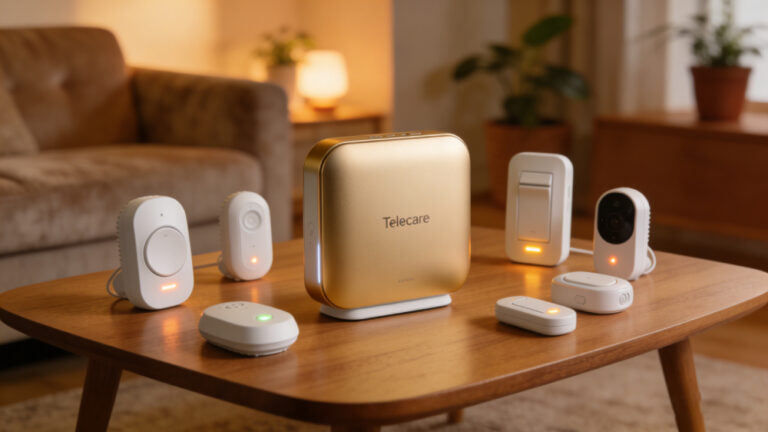
If you’re looking for simplicity and proven reliability, the medical alert pendant remains a top choice. These mPERS devices prioritize fast access to help with minimal setup, making them ideal for users who prefer straightforward technology.
Classic PERS Design
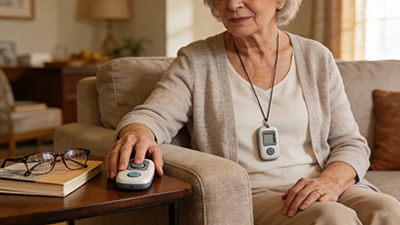
Typically worn around the neck, pendants feature a large, easy-to-press button that connects to a home base unit or mobile network.
Home-Based vs Mobile Pendants
In-home pendants work within a set range, while mobile versions integrate GPS and cellular capability—giving users flexibility to move safely outside the home.
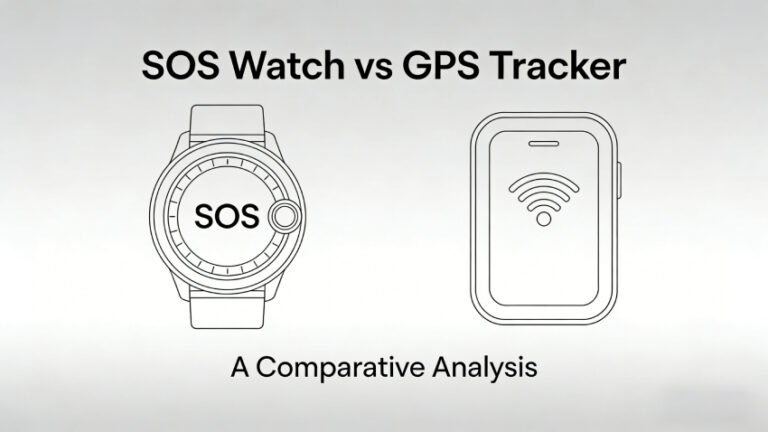
Feature Comparison: Watches vs Pendants
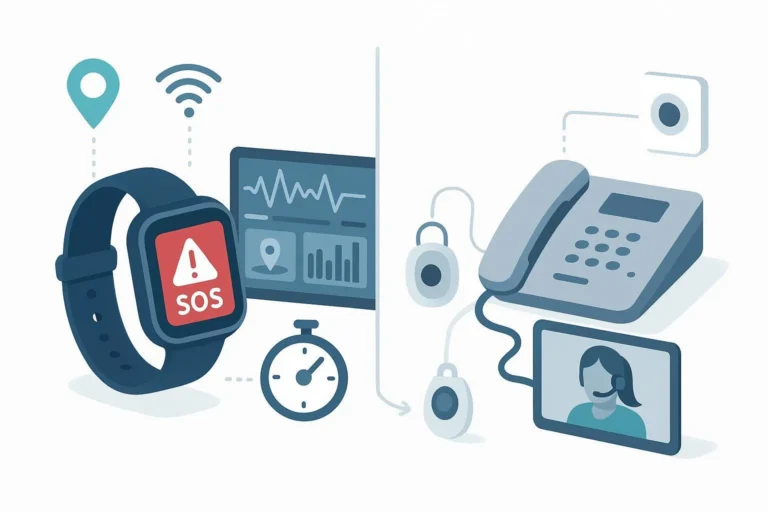
To make an informed decision, it’s essential to understand how these two mPERS device types differ in real-world performance. Here’s a side-by-side comparison that highlights functionality, comfort, and practicality.
Connectivity and Range
Watches offer full mobility via 4G LTE and GPS, while pendants rely on a base unit or mobile model for range.
Battery and Charging
Watches require daily charging; pendants can last weeks or months per charge—an advantage for users who dislike maintenance.
Wearability and Comfort
Medical alert watches are discreet and stylish, while pendants are more visible but simpler to use.
| Feature | Medical Alert Watch | Traditional Pendant |
|---|---|---|
| Mobility | Full GPS coverage | In-home or mobile only |
| Fall Detection | Integrated | Optional |
| Battery Life | 1–3 days | Weeks–months |
| Design | Discreet, modern | Visible, simple |
| Ease of Use | Moderate | Very easy |
| Health Data | Yes | No |
Pros and Cons – Medical Alert Watches
The medical alert pendant remains a favorite for dependability. It’s the best option for people who prioritize reliability and ease of use over modern styling.
Advantages
- Simple, one-button emergency activation
- Extremely long battery life
- Affordable monthly costs
- Highly durable and water-resistant
Drawbacks
- Noticeable design may discourage wear
- Lacks health tracking or GPS data
- Limited mobility unless it’s a mobile model
Caregivers often report that pendants are ideal for elderly users who may forget to charge or manage more complex devices.

Real-World Insights – What Users Say
The most honest mPERS device comparison often comes from real users themselves. Online forums reveal what truly matters: consistency, comfort, and confidence.
Forum Takeaways
- Watch users value design and flexibility.
- Pendant users appreciate simplicity and reliability.
- The biggest factor? Whether you actually wear it daily.
Practical Compliance
One Reddit caregiver commented that their mother “never wore her pendant but never forgot her watch.
In short, the most effective device is the one you’ll actually use.
Who Should Choose a Medical Alert Watch?
A medical alert watch is best for users who balance independence with safety. Its features make it a powerful option for people who are often on the go.
Best for Active Users
If you walk, travel, or drive regularly, a watch offers peace of mind with GPS tracking and instant communication.
Lifestyle Example
An active retiree who hikes or shops frequently will appreciate being protected anywhere, not just at home.
Who Should Choose a Pendant?
When simplicity matters more than design, the medical alert pendant stands out. Its reliability makes it an excellent choice for home-based seniors.
Best for Simplicity and Dependability
Those who prefer minimal upkeep—no charging, no setup—will find the pendant’s “press and connect” design ideal.
Lifestyle Example
A senior who spends most of the day indoors or lives alone benefits from consistent coverage without worrying about technology.
Cost and Coverage Considerations
Before deciding, compare the total cost of ownership. The right mPERS device depends not only on features but also on long-term affordability.
Device & Service Costs
- Watches: $25–$45/month + $100–$300 device fee
- Pendants: $20–$35/month, sometimes a free device included
Insurance and Network Factors
While private insurance may occasionally help, Medicare does not cover medical alert devices. Also, ensure the provider’s cellular network (Verizon, AT&T, etc.) offers solid coverage in your area.
Making Your Decision – Quick Checklist
With so many medical alert watch and pendant options, your best choice depends on your lifestyle and comfort level.
Ask Yourself
-
Am I active or mostly home-based?
-
How comfortable am I with technology?
-
Do I want extra features like fitness tracking?
-
Will I remember to charge a watch daily?
Pro Tip
Try before you commit—many companies offer 30-day trials or satisfaction guarantees.
Conclusion
Both medical alert watches and pendants play vital roles in personal safety. Watches offer mobility, tech features, and a discreet look, while pendants shine in simplicity and reliability.
Ultimately, the best mPERS device is the one that fits your habits and comfort. Whether you value style, battery life, or ease of use, wearing your device consistently is what truly ensures your safety.
About Eview

Frequently Asked Questions (FAQ)
1. What is the main difference between a medical alert watch and a pendant?
A medical alert watch looks like a smartwatch and offers GPS, fall detection, and health tracking. A pendant focuses purely on emergency response with simpler operation and longer battery life.
2. Are medical alert watches covered by insurance or Medicare?
Typically, Medicare does not cover medical alert devices. However, some private insurers or veteran programs may provide discounts or reimbursements for mPERS devices.
3. Which is better for fall detection — a watch or a pendant?
Most modern medical alert watches feature built-in accelerometers for fall detection. Pendants also offer this feature, but sometimes require separate models or add-on sensors.
4. Can I use a medical alert watch without a smartphone?
Yes. Most dedicated medical alert watches work independently via built-in SIM cards and cellular networks. No phone is needed for emergency calls or monitoring.
5. What’s the average battery life difference?
Watches generally last 1–3 days, depending on use. Pendants can last weeks or even months, which is why many seniors prefer them for low maintenance.
6. How do I know which mPERS device is right for me?
Consider your mobility, tech comfort, and lifestyle. If you’re active and often outside, go for a medical alert watch. If you’re home-based or prefer simplicity, a pendant may suit you better.