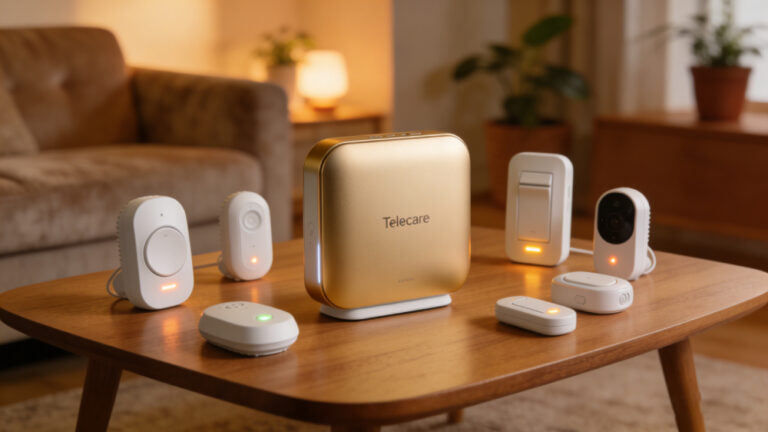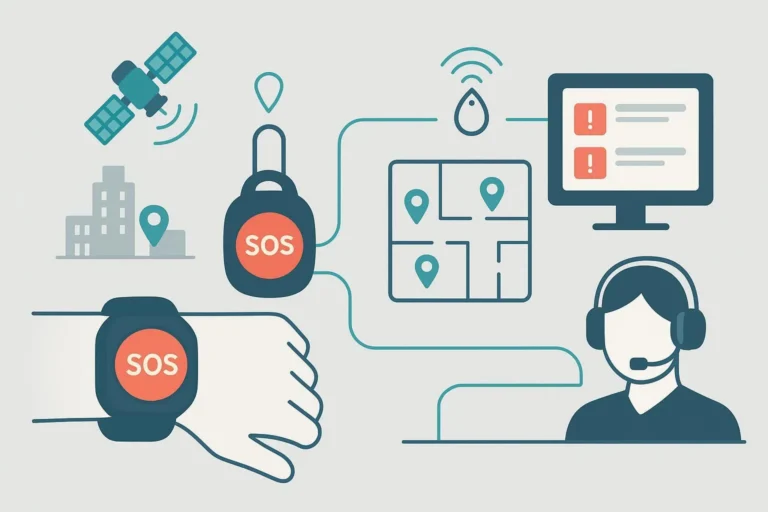
In today’s world, ensuring data privacy and security is crucial for personal safety devices. These devices collect sensitive information, making it essential for you to understand how manufacturers handle your data. When engaging with OEM and ODM suppliers, it’s important to ask the right questions to ensure your privacy is protected. Familiarizing yourself with their data policies and adhering to privacy laws can guide you in making informed choices. Prioritizing quality in these devices will enhance your safety and provide you with peace of mind.
Key Takeaways
- Learn what data personal safety devices gather. This helps you spot possible privacy problems.
- Ask suppliers how they share data. This keeps your private information safe.
- Make sure manufacturers follow key rules like GDPR. Following these rules shows they respect your data rights.
- Find suppliers with good security practices. Certifications and audits can help you choose reliable manufacturers.
- Know your rights to access your data. Understanding how to ask for changes or deletions keeps your information safe.
Data Sharing Practices

Knowing about data sharing practices is very important when looking at personal safety devices. You should find out what data these devices collect and how they share sensitive information. This information helps you make smart choices and keeps your privacy safe.
What data is collected?
Personal safety devices collect different types of data to work well. Here’s a list of the personal data usually collected by different device types:
| Device Type | Personal Data Collected |
|---|---|
| Smartphones | Location data |
| Period apps | Menstrual cycle information |
| Genetic testing kits | DNA |
| Smartwatches | Heart rate, step count, body temperature |
| Sleep apnea machines | Sleep patterns |
| Cochlear implants | Audio data |
| Brain implants | Thought data |
These devices gather sensitive data to offer safety features. For example, smartwatches check your heart rate and location, while sleep apnea machines look at your sleep patterns. Knowing about this data collection helps you see the risks involved.
How is sensitive data shared?
Sensitive data sharing happens when manufacturers send your information to other companies. You should ask suppliers about how they share data to keep your information safe. Here are some important points to think about:
- Data Security Measures: Manufacturers usually use different security methods to protect your data. These can include:
- Centralized data discovery and classification
- Policy-based data and access security
- Centralized key management
- Granular access controls
- Compliance Standards: Make sure the manufacturer follows compliance standards like GDPR and ISO 27001. These rules help keep your sensitive data safe from unauthorized access.
- Third-party Risk Management: Manufacturers should have strict checks for partners and do regular audits. This makes sure that any third-party vendors they work with also keep high data security standards.
When talking about sensitive data sharing, ask about how they anonymize or encrypt your data. Here are some common practices:
| Evidence Description | Source |
|---|---|
| Thales offers network encryption solutions for various sectors like finance, government, and critical infrastructure, ensuring data security in motion. | Thales Group |
| Manufacturers need to secure sensitive industrial data and blueprints as they move across extensive supply chains, implementing data-in-motion encryption solutions. | Thales Group |
| A leading global ODM required a solution to protect sensitive data without additional operational overhead, deploying Thales CN6000 Series network encryptors. | Thales Group |
By asking the right questions about data collection and sharing, you can learn how manufacturers keep your sensitive information safe. This knowledge helps you choose personal safety devices that care about your privacy and security.
Compliance with Regulations
In personal safety devices, following rules is very important for data privacy. You need to know the rules that tell manufacturers how to handle your data. These rules protect your rights and keep your personal information safe.
What regulations apply?
Many important rules apply to personal safety devices in big markets. Here’s a summary of the most important rules:
| Regulation | Region | Key Features |
|---|---|---|
| General Data Protection Regulation (GDPR) | EU | – Applies to EEA and non-EEA organizations – Consent required for data processing – Rights of individuals regarding their data |
| Personal Information Protection Law (PIPL) | China | – Protects individual rights – Regulates personal information processing – Explicit consent for data use and export |
These rules set the standards for how manufacturers must manage your data. They require manufacturers to get your permission before using your information and to give you rights about your data.
How does Eview ensure compliance?
Eview works hard to follow these rules and keeps your data safe. Here are some steps Eview takes to ensure compliance:
- Data Understanding and Documentation: Eview makes a complete list of data and keeps a record.
- Lawful Processing and Consent: The manufacturer finds legal reasons for using data and gets clear permission from users.
- Data Subject Rights: Eview lets you see, change, and delete your personal data.
- Data Security and Breach Response: The manufacturer uses strong security methods and has plans for responding to breaches.
- Governance and Accountability: Eview has a Data Protection Officer (DPO) for large-scale processing and checks third-party vendors.
- Training and Awareness: Staff receive regular training on data protection and GDPR rules.
By following these steps, Eview shows it cares about quality and obeying data protection rules. This commitment keeps your personal information safe and helps you trust the devices you use.
Security Measures
In personal safety devices, strong security measures are very important. You depend on these devices to keep your sensitive information safe. So, knowing how they protect your data is key for feeling secure.
What security protocols are in place?
Manufacturers use different security protocols to protect your data. Here are some common practices:
- Encryption Standards: Encryption keeps your data safe from unauthorized access. The table below shows the most common encryption standards:
| Encryption Standard | Description | Key Lengths |
|---|---|---|
| AES | A popular symmetric encryption method | 128, 192, 256 bits |
| RSA | Recommended for asymmetric encryption | Minimum 2048 bits |
- Secure Data Transmission: Manufacturers make sure data is sent securely between devices and cloud servers. The table below highlights key features that improve security:
| Feature/Benefit | Description |
|---|---|
| Protect sensitive data | Keeps application firmware and secrets safe during transit and manufacturing. |
| Generate and store keys | Uses a Hardware Security Module (HSM) to create and store keys securely. |
| Secure keys injection | Allows safe injection of keys and certificates into parts. |
| Compatibility | Works with most microcontrollers and programming tools. |
| Automate provisioning | Makes the provisioning process easier and safer at the factory. |
| Manage PKI | Helps manage a special Public Key Infrastructure (PKI). |
| Protect software IP | Keeps intellectual property and credentials safe from unauthorized copies. |
| Rapid deployment | Can be quickly set up in any factory with help from Trusted Objects. |
These protocols help keep your data safe throughout its life.
How does Eview handle data breaches?
Eview takes data breaches very seriously and has a detailed response plan. This plan explains what to do if a data breach happens, ensuring quick action to reduce risks. Here are some key parts of Eview’s approach:
-
Immediate Notification: Eview quickly tells affected users about any data breaches. This openness helps you understand what happened and take necessary steps.
-
Investigation and Remediation: Eview carefully investigates to find out what caused the breach. They take steps to fix issues and prevent future problems.
-
Vendor Audits: Eview regularly checks third-party vendors to make sure they meet security standards. This practice helps keep high data protection levels across the supply chain.
-
Continuous Improvement: Eview constantly reviews and updates its security protocols. This focus on quality ensures that your data stays safe from new threats.
By focusing on security measures and having a strong response plan, Eview shows it cares about protecting your sensitive information.
Transparency and Accountability
Being open about how data is handled is very important. It helps build trust between you and your suppliers. When suppliers share their practices, you can feel more sure that they will protect your sensitive information. Here are some ways to check how open a supplier is:
How transparent is the supplier?
You should ask suppliers specific questions to see how open they are. Think about these actions:
- Demand clear proof: Ask vendors for proof that can be checked by others, like performance numbers and references.
- Collect reliable data: Get information on environmental, social, and governance performance from trusted databases.
- Self-Service Verification: Look for the ability to check claims yourself through public trust portals with compliance documents.
As buyers want more openness, you should expect suppliers to have public trust portals. These portals show up-to-date compliance documents. This helps you make smart choices without just relying on what vendors say.
What is the process for data access?
Knowing how to access or delete your data is very important. Here are the steps you can expect from suppliers about data access:
| Process | Description |
|---|---|
| Requesting Data Deletion | You can ask to delete your personal data using a special form. |
| Vendor Requests | Vendors can ask for deletion on your behalf by contacting Paddle with the needed information. |
| Required Information | You need to give your first name, last name, email address, and optional comments. |
| Post-Request Actions | Paddle processes the request and confirms it to you, while vendors must delete any stored data. |
| Data Retention | Some transaction data is kept for 5 years for legal reasons. |
By knowing these steps, you can make sure your sensitive data stays under your control. Openness and accountability from suppliers help you feel safe in your choice of personal safety devices.
Best Practices for Buyers
When choosing suppliers for personal safety devices, think about some important factors. This will help you make smart choices. Here are some best practices to help you in your search.
What to look for in suppliers?
- Certifications and Audits: Find suppliers with well-known certifications. These show that the manufacturer meets safety and quality standards. Here are some key certifications to check:
Certification Type Description UL Certification Confirms safety, performance, and reliability of electrical and electronic products through testing. ISO 9001 Focuses on quality management to improve product quality and customer satisfaction. ISO 45001 Ensures safe working conditions and reduces workplace hazards. ISO 13485 Required for medical device makers to ensure product safety and follow rules. Third-Party Testing Checks performance, safety, and reliability through independent lab tests. - Data Privacy Practices: Look at how the manufacturer handles data privacy. Be careful of suppliers that show warning signs, like:
- Collecting or selling data in ways that hurt privacy rights.
- Sharing user data without permission.
- Not protecting customer data well, which can lead to breaches.
- Selling consumer profiles without telling individuals.
How to verify claims?
To make sure suppliers keep their promises about data privacy and security, use these verification methods:
| Verification Method | Description |
|---|---|
| Document-based verification | Involves checking official documents like business licenses, tax records, and ISO certifications. |
| Third-party on-site audits | Independent inspectors check working conditions and quality control at the supplier’s site. |
| Digital verification platforms | Cloud services using AI and continuous monitoring to verify suppliers. |
By following these best practices, you can find a manufacturer that cares about data protection and security. This helps keep your interests safe and improves the overall safety of the devices you choose.
In conclusion, knowing about data privacy and security in personal safety devices is very important. You should ask manufacturers how they collect data, follow rules, and protect information. This information helps you make smart choices.
Future trends show that smart technology will improve data privacy and security. New developments in AI and biometric checks will make safety better. Also, resources like the FPF give helpful advice for picking privacy tools.
Talking actively with manufacturers helps keep your personal information safe. By asking the right questions, you make sure your safety devices care about your privacy.
FAQ
What should I think about when picking a personal safety device?
You should check how they handle data privacy, security, and follow rules. Look for certifications and ask about how they share data to keep your information safe.
How can I check if a supplier is telling the truth about data security?
You can ask for documents, look for third-party checks, and use online verification tools. These ways help make sure suppliers keep their security promises.
What kinds of data do personal safety devices usually collect?
Personal safety devices often gather location info, health data, and how users interact. Knowing this data helps you see possible privacy risks.
How does Eview keep its devices secure?
Eview uses encryption, safe data transfer, and checks third-party vendors regularly. These steps help protect your sensitive information from unauthorized access.
What should I do if I think there’s been a data breach?
Contact the device maker right away. They should have a plan to look into the breach and inform affected users quickly.