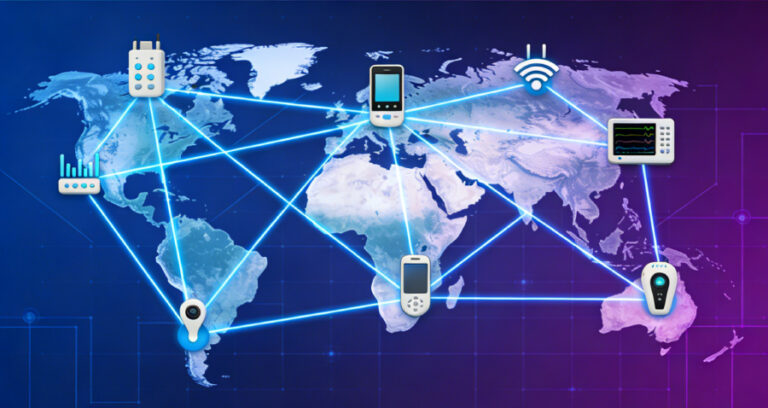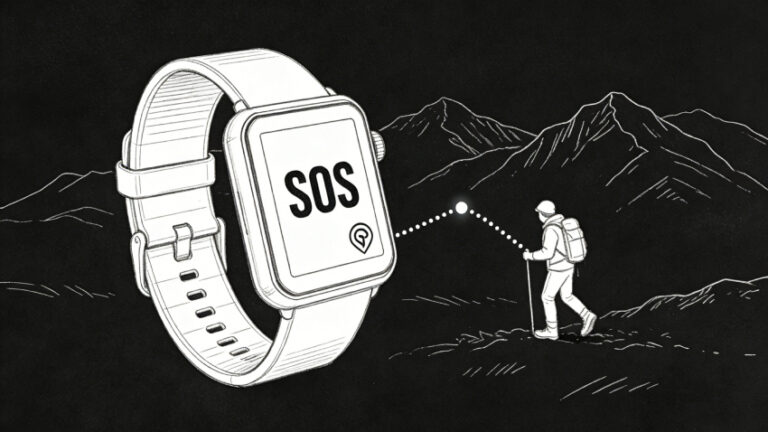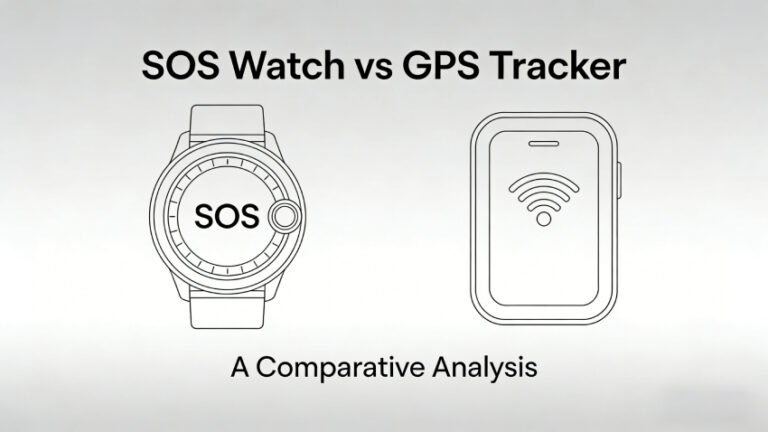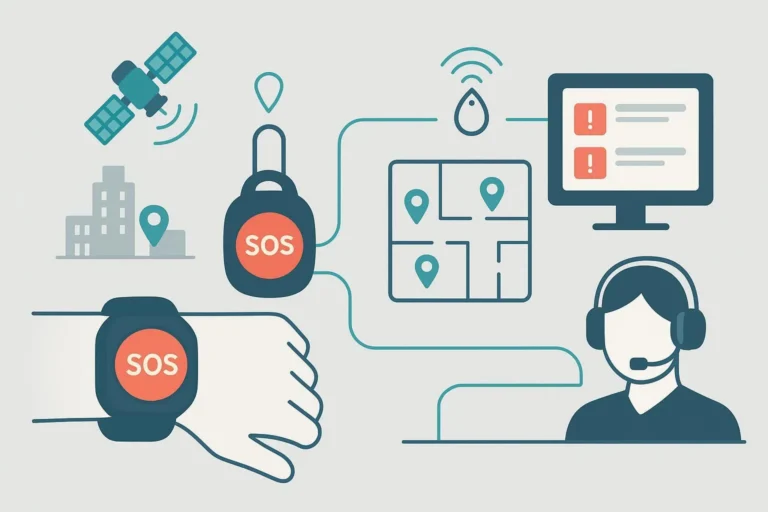
In today’s busy world, brands launching mPERS and personal mobile alarm products is very important. These products help improve safety and well-being. The market for mobile personal emergency response systems was worth USD 3.33 billion in 2024. It is expected to grow to USD 5.80 billion by 2032, indicating a growth rate of 7.20% each year.
Recent trends have also changed how people use these products. New rules are promoting safety standards. The COVID-19 pandemic highlighted the need for remote monitoring. Now, mPERS devices come equipped with features like location tracking and fall detection, which meet the growing demand for personalized health solutions.
Key Takeaways
- Know your target audience to create mPERS products that fit their needs and likes.
- Add advanced features like GPS tracking and fall detection to make users safer and happier.
- Work with healthcare providers to help people get mPERS products and build trust.
- Collect user feedback all the time to make smart changes and keep your products easy to use.
Market Insights
Knowing your target audience and what they need is very important when brands launch mPERS and personal mobile alarm products. By figuring out who will use these devices, you can change your products to fit their needs.
Target Demographics
The main users of mPERS and personal mobile alarm products are:
| User Profile | Description |
|---|---|
| Seniors | Mainly aimed at safety and emergency help. |
| Individuals with Disabilities | Made to improve safety and give help in emergencies. |
| Lone Workers | Designed for people working alone, allowing them to call for help fast. |
Wearable personal alarms are especially made for seniors. They provide quiet help options, which can be very important in emergencies. They come in different types like pendant alarms, wristband alarms, and clip-on alarms. Common features such as fall detection and location tracking make them easier to use and more effective.
Market Needs
The need for mPERS and personal mobile alarm products comes from several main reasons. The highest demand is in North America, Europe, and Asia-Pacific. North America leads because of its advanced technology and infrastructure. Europe has strict rules and cares about sustainability. Asia-Pacific is growing the fastest due to industrial growth and a rising middle class, especially in China and India.
As of 2023, the U.S. mPERS market is worth about $1.8 billion, with an expected growth rate of 8% until 2030. This growth is due to an older population and new technology. In Canada, the market is worth around $300 million, with a 7% growth forecast. Mexico’s market is about $250 million, expected to grow at 10%.
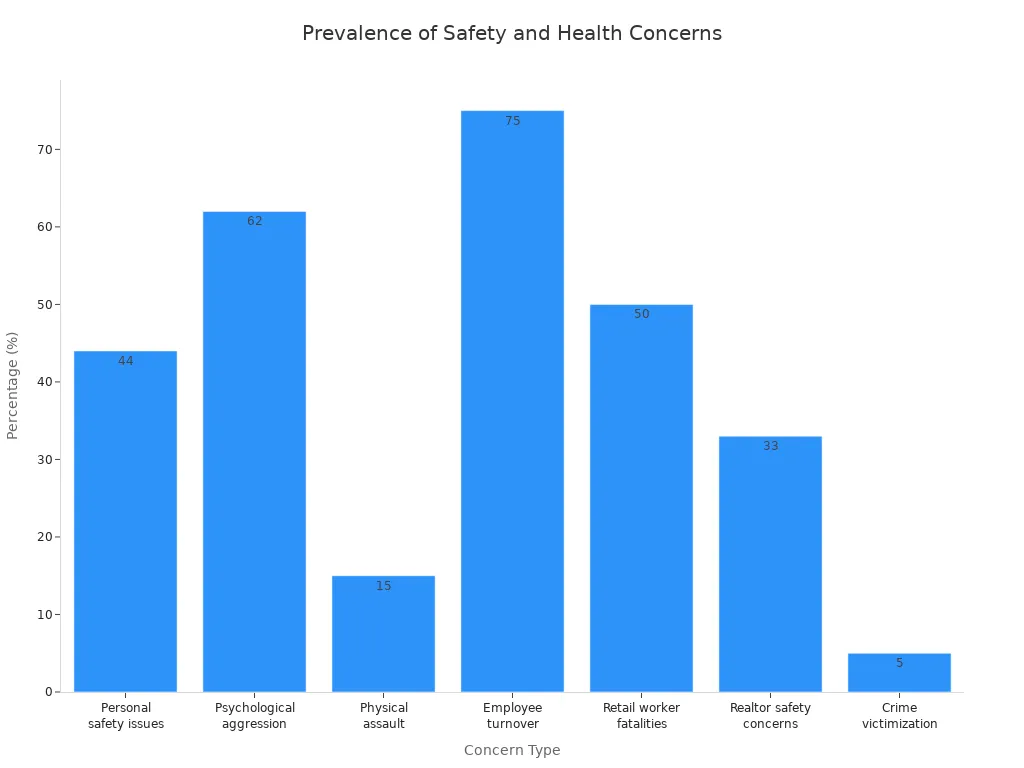
Many safety and health worries create the need for these products. Here are some facts that show these worries:
| Concern Type | Statistic |
|---|---|
| Personal safety issues | 44% of workers face safety issues at work. |
| Psychological aggression | 62% of social workers faced psychological aggression last year. |
| Physical assault | 15% of social workers were physically attacked by clients last year. |
| Employee turnover | Turnover among home healthcare workers can reach 75%. |
| Retail worker fatalities | 50% of retail workers killed worked alone at night. |
| Realtor safety concerns | 33% of realtors felt unsafe in certain situations. |
| Crime victimization | 5% of realtors reported being victims of crime while working. |
Worries about data privacy and security are also very important. These devices collect sensitive information like location and health data. This raises big concerns about data leaks and unauthorized access. Such risks can greatly reduce user trust, making potential users hesitant to use these technologies.
By knowing these demographics and market needs, you can better position your brand to meet the needs of consumers looking for safety and security through mPERS and personal mobile alarm products.
Product Development for mPERS
When you make mPERS devices, you need to think about design and technology. These things are very important to make sure the devices work well, are easy to use, and are dependable.
Design Considerations
Designing mPERS devices should focus on comfort and ease of use. You want to make products that users can handle easily, especially seniors who might have trouble moving their hands. Here are some important design features to think about:
- User-Centered Design: Include user needs, skills, and limits in the design. This helps make the device easier to use and reduces mistakes.
- Ergonomics: Use ergonomic ideas to create controls and screens. This makes the device comfortable to wear and simple to use.
- Lightweight Design: Make sure the device is light and easy to wear. This is very important for seniors who may find heavier devices hard to manage.
A good design can stop serious mistakes in patient care. Badly designed screens can cause delays in giving medicine or even overdoses. So, you must focus on making your designs reliable. By using engineering tools and checking throughout the development, you can create dependable products that follow strict safety rules.
Technology Integration
Adding advanced technology to mPERS devices makes them work better and more effectively. Here are some new tech features to think about:
| Feature | Description |
|---|---|
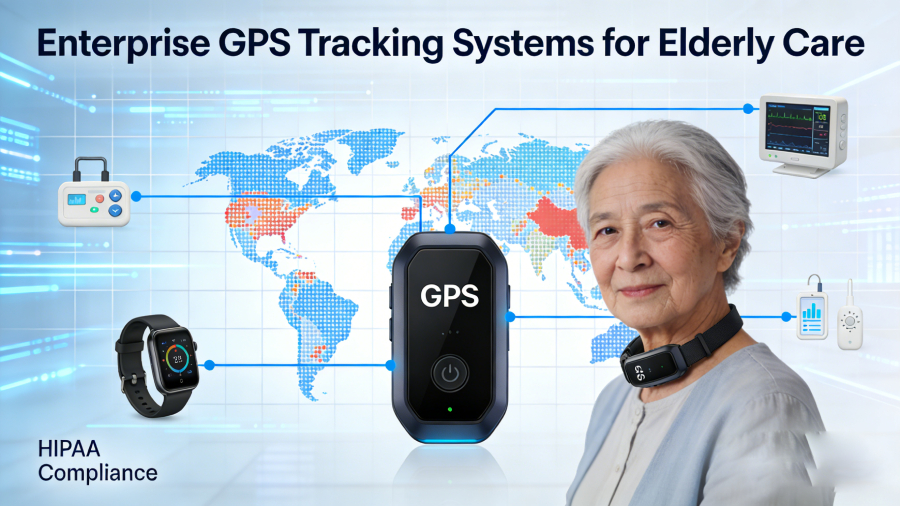
| GPS Tracking | Uses GPS and cell networks for accurate location tracking, ensuring quick emergency help. |
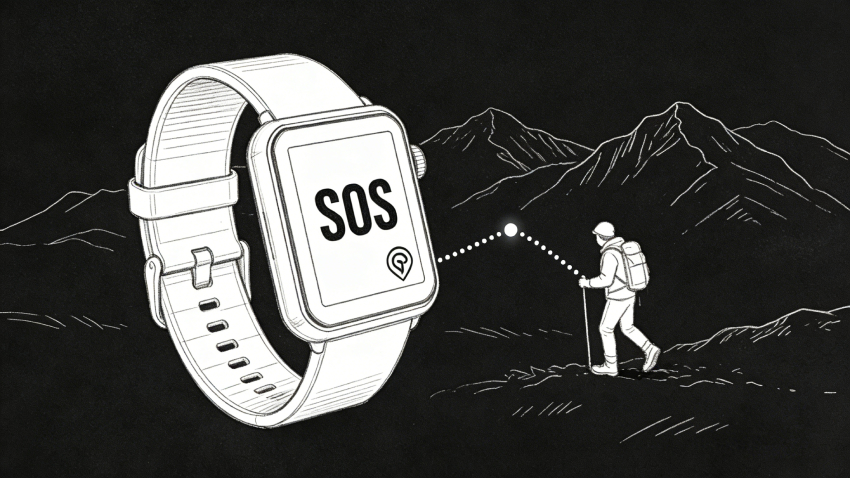
| Fall Detection | Automatically finds falls and alerts caregivers or emergency services. |
| Biometric Data Monitoring | Checks health details like heart rate and activity levels. |
| Geofencing | Lets caregivers set safe areas and get alerts if the user leaves these zones. |
| Integration with Smart Home | Connects with smart home systems for better safety and monitoring. |
These features not only make users safer but also improve their overall experience. For example, better fall detection technology reduces false alarms, which helps users feel less anxious. Two-way communication lets users easily reach emergency services, giving them peace of mind.
Eview‘s mPERS devices show these advancements. They have features like GPS tracking and inactivity alerts, which help caregivers know how the user is doing. The devices are made to be worn comfortably, allowing seniors to stay independent while being safe.
By focusing on smart design and using the latest technology, you can create mPERS devices that really meet the needs of users and caregivers.
Marketing Strategies for Brands Launching mPERS
Digital Marketing Tactics
To promote mPERS products well, focus on digital marketing that connects with your audience. Here are some important strategies to think about:
- Fast, Personalized Communication: Use direct messaging to talk to customers. This works better than regular emails.
- Consistency Across Platforms: Keep a steady presence on social media and other sites. This builds trust and keeps your audience interested.
- Purpose-Driven Branding: Connect your brand with values that matter to your audience, especially Gen Z. This can lead to more engagement.
- Interactive Experiences: Make fun content, like live polls or chances to create together. These experiences build community and loyalty among users.
These tactics not only make your brand more visible but also help create a stronger bond with potential customers.
Building Partnerships
Creating partnerships with healthcare providers and senior living communities can really help get mPERS products used more. Here’s how:
| Benefit | Description |
|---|---|
| Enhanced Healthcare Access | Partnerships help seniors get better access to healthcare services for quick help. |
| Personalized Care Plans | Custom care plans meet the unique needs and wants of residents. |
| Comprehensive Wellness Programs | Programs that support overall health encourage better lifestyles. |
| Improved Communication | Better talks between providers and communities lead to better care. |
| Increased Trust and Confidence | Families trust the care given, making them more likely to use mPERS products. |
Eview shows good partnership strategies. They use open protocols that work with existing apps and platforms. This helps with smooth communication and improves the user experience. Eview also offers customization options, letting partners adjust products to fit their needs. By providing support and clear guides, Eview makes sure families and communities can use devices correctly from the start.
By using these marketing strategies, you can reach your audience and share the benefits of mPERS products effectively.
Launch Execution Steps
Launching mPERS products needs careful planning and action. You must follow a clear plan to make it successful. Here are the main steps in the launch process.
Planning Timelines
Making a timeline helps you stay organized and focused. You should find important milestones to check your progress. Here’s a table showing common milestones for launching an mPERS product:
| Milestone | Description |
|---|---|
| Milestone 1A – Holding Bucket | Look over features and decide when to launch. |
| Milestone 2 – Demo Complete | Make sure the product works well enough for a demo. |
| Milestone 3 – Story Complete | Finish the product story for marketing. |
| Milestone 4 – Launch Ready | Get all important items ready for the launch. |
| Milestone 5 – Launch | Carry out the launch with pre-briefing and announcements. |
| Milestone 6 – Launch Complete | Check metrics and feedback after the launch. |
By following these milestones, you can make sure every part of the launch is taken care of.
Organizing Launch Events
Planning launch events is key to creating excitement and awareness. You can create fun experiences that show off your mPERS products. Here are some tips for great launch events:
- Choose the Right Venue: Pick a place that fits your brand and audience.
- Invite Key Stakeholders: Include healthcare providers, potential customers, and industry influencers to make a bigger impact.
- Demonstrate Product Features: Give hands-on experiences that show the benefits of your mPERS devices.
- Gather Feedback: Use the event to get ideas from attendees, which can help improve your product and marketing plans.
Eview takes part in industry events like CES, where they show their new mPERS solutions. These events are great chances to connect with potential partners and customers.
Product success depends on smooth teamwork across groups—hardware engineering, software development, QA, operations, marketing. Silos kill momentum.
By following these steps and using industry events, you can successfully launch your mPERS products and reach your target audience.
Feedback and Iteration
Gathering User Feedback
After you launch your mPERS products, getting user feedback is very important. This feedback helps you improve your products and make users happier. You can use different ways to collect this information:
| Method | Description |
|---|---|
| User Surveys | Get structured information on how easy the product is to use and how satisfied users are. |
| Customer Interviews | Have deep talks to learn about user needs and problems. |
| In-App Feedback | Let users give feedback directly in the product, including ratings and comments. |
| Analytics Tracking | Use data to understand how users behave and find areas to improve. |
| Direct Approach | Talk to early users directly for honest feedback through calls or meetings. |
| Usability Tests | Watch users as they use the product to find confusion and interesting parts. |
Talking directly to early users through calls or meetings can give you valuable feedback. This way often gives deeper insights than surveys. It allows for open talks and quick answers to user questions.
Implementing Changes
After you gather feedback, the next step is to make changes based on what users said. Here’s how to improve effectively:
- Collect user feedback through surveys, reviews, and social media.
- Look at the feedback to find trends and areas to improve.
- Decide which changes to make first by assessing their impact and effort needed.
- Make improvements using agile methods, like short development cycles and prioritizing tasks.
Eview does well in this area by using user feedback in product development. They focus on improving continuously, making sure their mPERS devices meet user needs. This commitment to change not only improves product quality but also builds trust with users.
By focusing on feedback and making needed changes, you can create a better and more user-friendly mPERS product that truly meets your audience’s needs.
Launching mPERS and personal mobile alarm products needs careful planning and action. You should pay attention to some important steps:
- Understand Your Market: Know who your customers are and what they need.
- Innovate Your Product: Add new features like fall detection and GPS tracking.
- Develop Strategic Partnerships: Work with healthcare providers for better access and trust.
- Gather Feedback: Use what users say to improve your products all the time.
A smart plan helps your brand succeed in the long run. Companies that focus on new ideas and working well can change with the market. As more people want emergency response systems, making your products match what users expect will help you stay strong in this changing world.
FAQ
What is mPERS?
mPERS means Mobile Personal Emergency Response System. It helps keep people safe, especially seniors. It lets them call for help during emergencies.
How does fall detection work?
Fall detection uses sensors to notice sudden movements or changes in position. If someone falls, the device quickly alerts caregivers or emergency services for help.
Can I customize my mPERS device?
Yes, many brands like Eview let you customize your device. You can change features like voice prompts, firmware, and even how the device looks to suit your needs.
Is the mPERS device waterproof?
Most mPERS devices, including Eview’s, are made to be waterproof. This keeps users safe while showering and gives them peace of mind.
How do I charge my mPERS device?
You can charge your mPERS device with a special charging dock or cable. Many devices are easy to handle, making it simple for users with limited mobility to charge them.