
As personal safety becomes a global priority, mobile personal emergency response systems (mPERS) are reshaping how telecare and health service providers deliver protection and peace of mind. Unlike traditional PERS that rely on landlines and home-based units, mPERS brings emergency communication anywhere cellular coverage exists.
For telecare OEMs, health-tech partners, and senior-care providers, mPERS represents a powerful new growth channel—combining reliable safety hardware, data-driven monitoring, and ongoing service revenue.
Understanding mPERS — From PERS to Mobile Safety Solutions
The term mPERS stands for Mobile Personal Emergency Response Systems. It’s the next evolution of PERS, expanding emergency alert protection from home environments to mobile lifestyles.
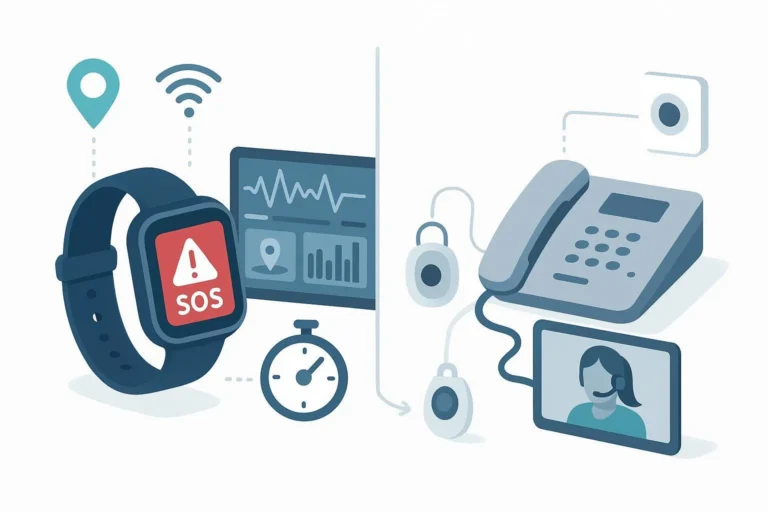
Originally, PERS units were designed for seniors at home, enabling them to press a button to contact emergency centers via a fixed line. mPERS, however, integrates cellular communication, GPS tracking, fall detection, and two-way voice, allowing users to call for help anywhere they go.
According to Kore Wireless (2025), the demand for mobile-capable medical alert solutions has increased by 65% over the past five years as aging populations and lone-worker safety regulations rise worldwide.
In other words, mPERS are not just devices — they are a service ecosystem for 24/7 mobile protection.
How mPERS Works
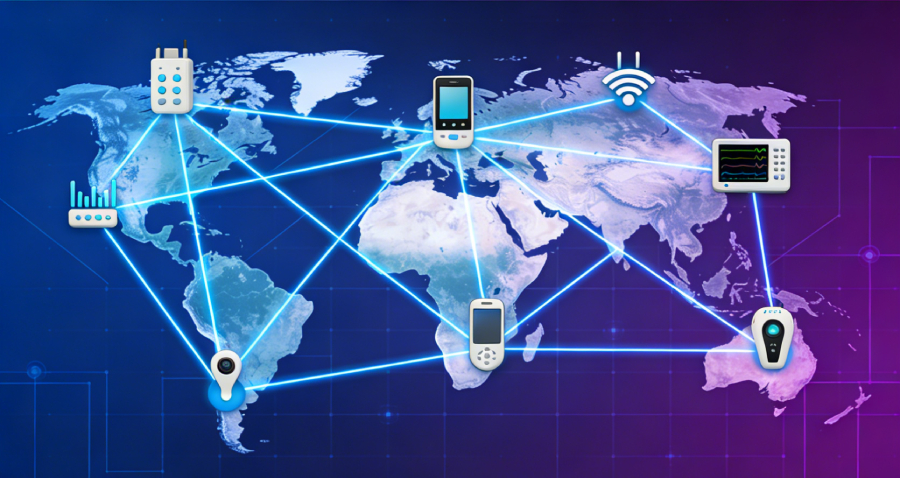
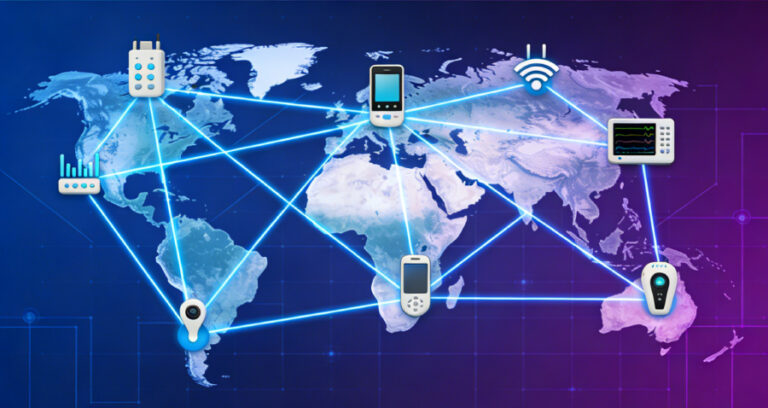
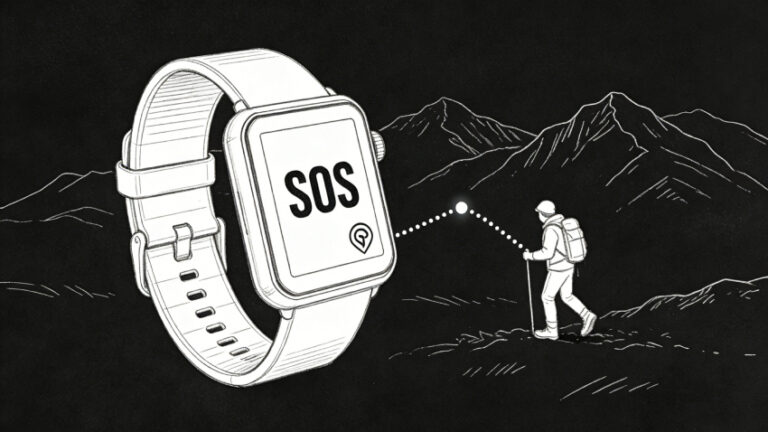
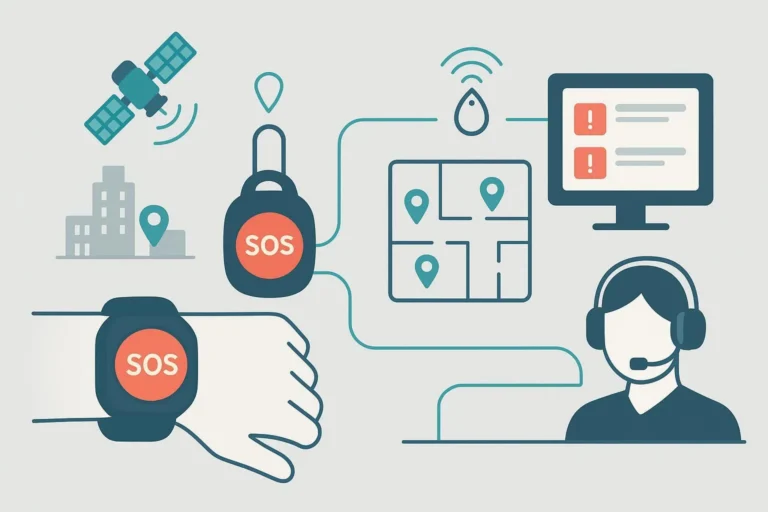
An mPERS device combines wearable technology, IoT connectivity, and emergency communication infrastructure. Once the user triggers an alert (via button or automatic fall detection), the device transmits a signal over LTE-M or 4G networks to a monitoring center or emergency dispatch.
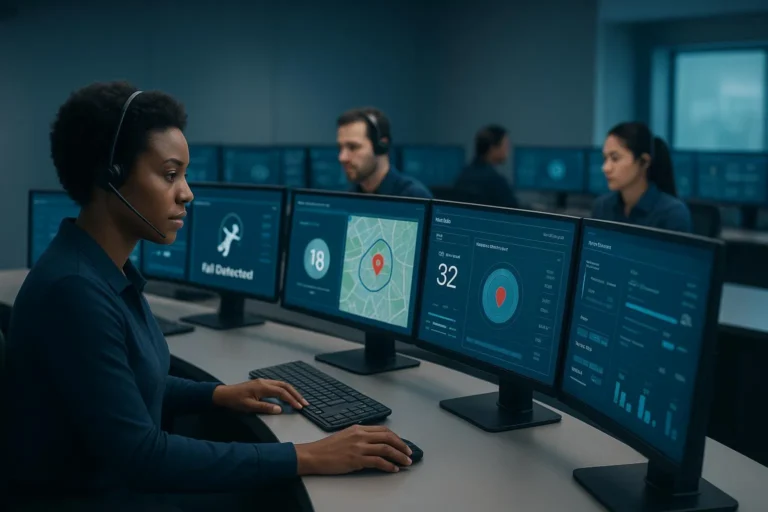
The operator then uses real-time GPS coordinates and two-way voice to assess the situation and contact local responders or caregivers. Some providers integrate AI fall detection or motion analysis algorithms to reduce false alarms and improve accuracy.
Core Components of an mPERS Ecosystem
| Component | Function | Example Technologies |
|---|---|---|
| Wearable Device | Detects an emergency and transmits an alert | GPS, accelerometer, SOS button |
| Connectivity Layer | Provides communication and location | LTE-M, NB-IoT, Wi-Fi triangulation |
| Monitoring Center | Receives alert and responds 24/7 | Cloud-based call routing |
| Cloud Platform | Stores data and analytics | OEM/ODM telecare dashboards |
These integrated systems enable remote patient monitoring, a trend aligned with global telehealth adoption.

Key Benefits of mPERS for Service Providers
For B2B service providers, mPERS solutions are more than safety devices—they are recurring-revenue services that deepen customer relationships.
Expanding Business Models and Revenue Streams
By offering mPERS subscriptions, providers can establish monthly service fees for monitoring, software access, and maintenance. Many companies bundle mPERS under managed-care or telehealth plans.
According to Grand View Research (2024), the global mPERS market size is expected to reach USD 3.4 billion by 2028, with a CAGR of 11.2%, fueled by the shift toward connected healthcare IoT solutions.
Enhancing Brand Value and Market Differentiation
Companies integrating mPERS into their portfolios position themselves as full-spectrum telecare partners. OEM/ODM collaborations, such as those enabled by Eview, allow customization of devices, dashboards, and software to meet regional compliance or branding requirements.
This combination of mobility, customization, and reliability creates long-term client retention.
Target Markets and Use Cases
mPERS systems are widely used across healthcare, occupational safety, and family care sectors. Let’s break down the main applications.
Elderly Care and Independent Living
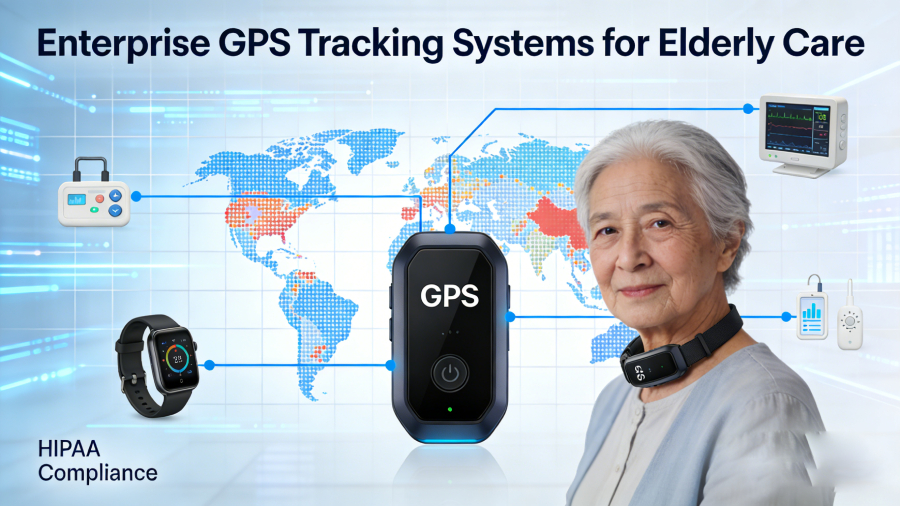
mPERS devices help seniors maintain independence while ensuring immediate access to help. Medical alert systems for seniors, equipped with wearable GPS, provide safety both at home and in public settings.
For example, community care agencies can integrate mPERS into their aging-in-place programs, combining reassurance with operational data.
Lone Worker and Field Workforce Safety
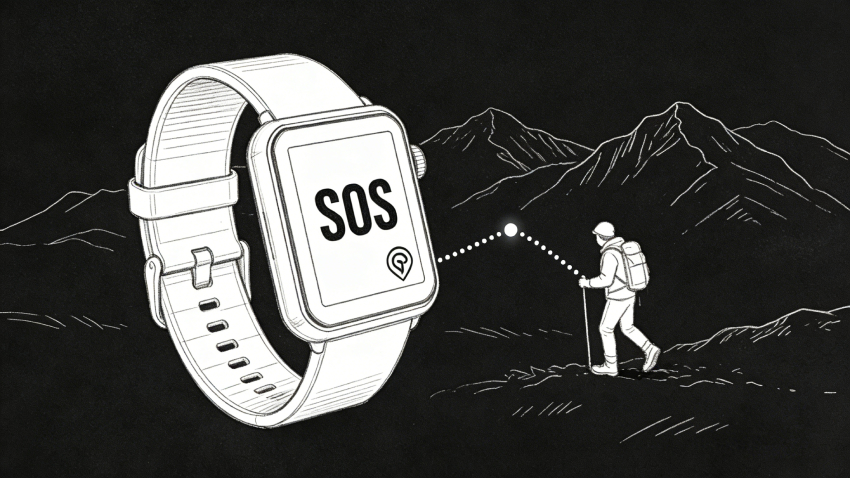
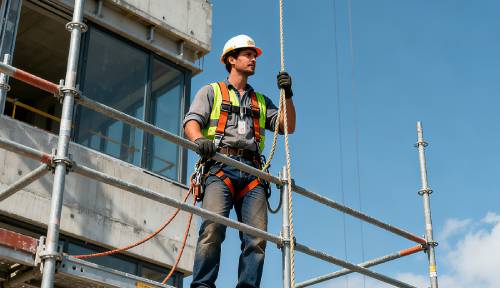
Many industries, including logistics, utilities, and security, utilize lone worker safety systems to safeguard employees who work remotely. With location tracking and two-way communication, mPERS devices enable a fast response in the event of falls, fatigue, or other health issues.
Child and Vulnerable Person Protection
Some service providers extend mPERS into child safety or vulnerable adult monitoring. Lightweight wearable GPS medical alert devices are ideal for families or educational institutions looking for affordable protection.
mPERS Hardware and Software Features
A robust mPERS solution combines precision hardware with intelligent software integration.
Device-Level Innovations
Modern mPERS devices include features like:
- Two-way voice communication
- Automatic fall detection
- Waterproof design (IP67 or higher)
- Up to 7-day battery life
- Multimode connectivity: GPS, Wi-Fi, LTE-M
These features ensure the device functions reliably in both urban and rural environments.
Software and Platform Integration
For service providers, a centralized cloud platform adds value through real-time monitoring, data visualization, and API integrations with telecare or insurance systems.
Eview’s Partner Platform, for instance, offers end-to-end OEM/ODM capabilities — from hardware design to customized alert dashboards, giving providers full control over branding and workflow integration.
mPERS vs. Traditional PERS
The difference between stationary and mobile systems is clear:
| Feature | Traditional PERS | mPERS |
|---|---|---|
| Connection | Landline / Home Hub | Cellular (4G / LTE-M) |
| Coverage | Home-based only | Nationwide mobility |
| GPS Tracking | No | Yes |
| Target User | Homebound seniors | Active seniors, lone workers |
| Business Model | One-time sale | Subscription service |
Mobility gives mPERS a strategic edge, enabling service providers to scale offerings and attract new user demographics.
mPERS Market Outlook and Growth Trends
The IoT-driven telecare sector is expanding rapidly as healthcare moves toward continuous, connected monitoring.
| Year | Market Size (USD B) | CAGR | Main Drivers |
|---|---|---|---|
| 2023 | 1.9 | Aging population, IoT adoption | |
| 2025 | 2.6 | 10.8% | Demand for mobile alert systems |
| 2028 | 3.4 | 11.2% | Integration with remote health platforms |
The strongest adoption is seen in North America, Europe, and East Asia, where regulatory frameworks for connected health encourage telecare innovation.
Challenges and Considerations for Providers
To scale mPERS solutions successfully, providers must navigate both technical and operational challenges.
Connectivity and Device Reliability
Ensuring nationwide coverage requires devices compatible with LTE-M, NB-IoT, and fallback 2G/4G. Providers must also account for battery performance, environmental factors, and device durability.
Data Privacy and Compliance
Because mPERS devices transmit sensitive personal data, providers must adhere to HIPAA, GDPR, and local telecom regulations. Secure cloud infrastructure and encrypted communication are essential to maintaining trust.

Choosing the Right mPERS Partner
Selecting a qualified OEM/ODM partner ensures consistent product quality and smooth market deployment.
What to Look for in an OEM/ODM Partner
- Proven manufacturing and R&D capabilities
- API integration and cloud platform support
- Certifications (CE, FCC, ISO)
- Flexible customization for branding and software
Eview, with 16 years of telecare experience, provides integrated solutions that combine hardware design, embedded software, and global connectivity — enabling service providers to enter the market faster with reliable performance.
Future of mPERS and Connected Care
The next decade will see mPERS evolving into intelligent, predictive health companions.
AI and Predictive Analytics
Machine learning algorithms can now detect falls, arrhythmias, or irregular activity before an emergency occurs. AI integration will further reduce false alarms and personalize user risk alerts.
5G, Cloud, and Edge Processing
As 5G and edge computing mature, mPERS will deliver faster response times and more precise geolocation, improving the reliability of emergency communications worldwide.
Conclusion
For service providers, mPERS is more than a product—it’s a strategic opportunity to expand service offerings, strengthen customer relationships, and future-proof telecare business models.
By partnering with experienced manufacturers like Eview, companies can access complete OEM/ODM support to deliver reliable, cost-effective, and scalable safety solutions tailored to diverse markets.
mPERS marks a new era of connected care—combining technology, empathy, and operational insight into one powerful platform for safer living.
FAQ
Q1: What does mPERS stand for?
It stands for mobile personal emergency response systems, a technology that allows users to call for help anywhere via cellular networks.
Q2: How does mPERS differ from traditional PERS?
mPERS uses mobile and GPS connectivity, offering protection beyond home environments, unlike landline-based PERS.
Q3: Who can benefit from mPERS devices?
Seniors, lone workers, and caregivers benefit most from mPERS for mobility and instant access to emergency services.
Q4: Are mPERS devices connected to a monitoring center?
Yes, most mPERS devices link to 24/7 monitoring centers that manage alerts and dispatch assistance.
Q5: Can service providers offer mPERS as an OEM solution?
Yes. Partners like Eview provide full OEM/ODM customization to align with regional branding and service models.
Q6: What’s the market outlook for mPERS?
Global demand is projected to grow at over 11% CAGR through 2028, driven by aging populations and IoT adoption.