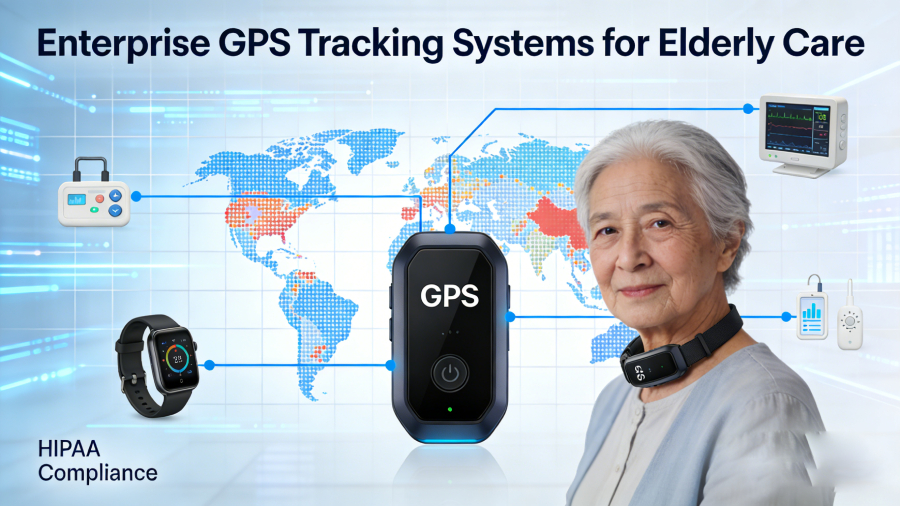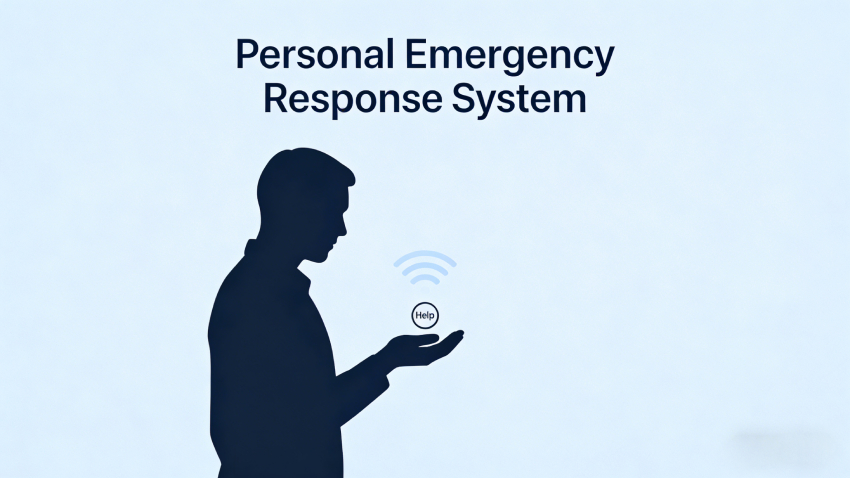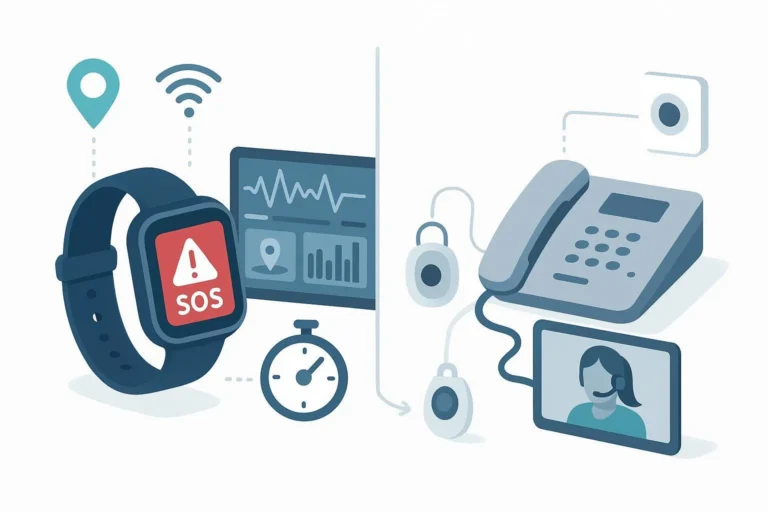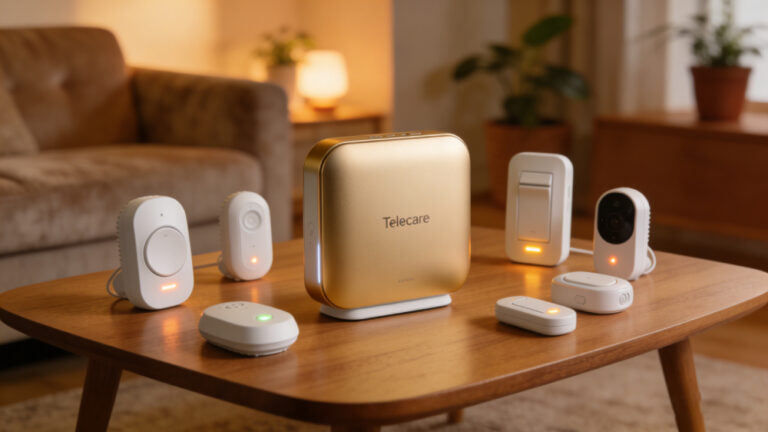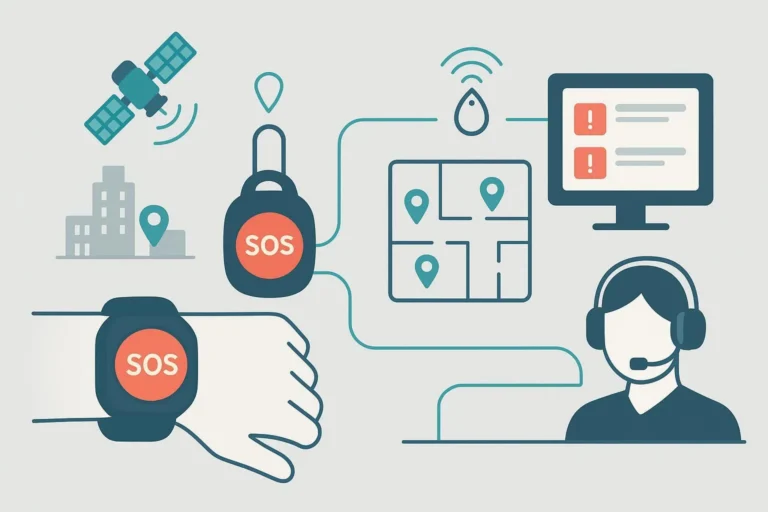
An emergency SOS smartwatch isn’t just a digital timepiece — it’s a personal emergency response device and part of the growing independent living safety tech ecosystem.
These devices combine sensors, connectivity, and emergency alert systems to help people get help quickly, whether they’re experiencing a fall, a health event, or another crisis.
In a world where wearable technology adoption is rapidly increasing, understanding how a smartwatch with emergency alert works and how to choose the right one is critical for personal safety.
According to wearable adoption studies, wearable tech — including smartwatches — is used regularly by a significant portion of adults, reflecting their integration into daily life and health monitoring behaviors.
The Wearable Safety Device Market & Why It Matters
The wearable safety device market has expanded far beyond fitness tracking. Wrist-worn smart devices now play a role in health monitoring, emergency alerts, and personal safety — creating a broader category sometimes referred to as medical alert smartwatch systems.
- U.S. wearable technologies, especially smartwatches, accounted for billions in revenue in recent years as adoption increases.
- Wearables are now used for both routine health tracking and emergency alerts.
This shift reflects how everyday technology can support both wellness and urgent needs.
What Is an Emergency SOS Smartwatch?
An emergency SOS smartwatch is a smartwatch that incorporates a smartwatch emergency alert system capable of:
- Triggering SOS alerts manually or automatically
- Detecting falls and other emergency events
- Providing GPS tracking smartwatch safety location data to responders or contacts
- Acting as a medical alert smartwatch in critical moments
Unlike basic smartwatches, these devices often function as personal emergency response devices that can help people — especially seniors and individuals with health concerns — get assistance quickly.

Core Safety Features Explained
Emergency SOS Alerts & Smartwatch Emergency Alert System
A smartwatch emergency alert system activates when the user triggers the feature manually (button press) or when sensors detect a potential emergency.
Once triggered, the watch can send an SOS message and GPS location to emergency contacts or services. Some models can also call emergency services directly without needing a smartphone nearby.
How Does Emergency SOS Work on a Smartwatch?
Emergency SOS features rely on integrated sensors (accelerometer, gyroscope) and software that detect anomalous movement patterns or emergency inputs.
When a likely emergency is detected, the system will send alerts and location data through cellular or paired connections.
For instance, automatic fall detection triggers a safety prompt like “Fall detected — do you need help?”If unanswered, it sends alerts to emergency contacts.
Fall Detection — Does a Smartwatch Detect Falls Automatically?
Yes, many smartwatches use motion sensors and algorithms to identify fall events. Wearable research shows that multi-sensor systems (accelerometers + gyroscopes) can achieve high sensitivity and specificity in fall detection, making wearable SOS alerts reliable.
Why this matters:
Falls are a major public health issue — each year, over one in four adults aged 65+ report a fall, often leading to injury or hospitalization.
Crash Detection — How Accurate Is Smartwatch Crash Detection?
Crash detection systems analyze rapid impacts and deceleration patterns to identify potential accidents.
While accuracy varies by device model, advanced algorithmic approaches and multi-sensor fusion significantly improve detection reliability.
GPS Tracking Smartwatch Safety & Location Services
GPS positioning makes a smartwatch a powerful safety tool, enabling responders to locate users quickly during emergencies.
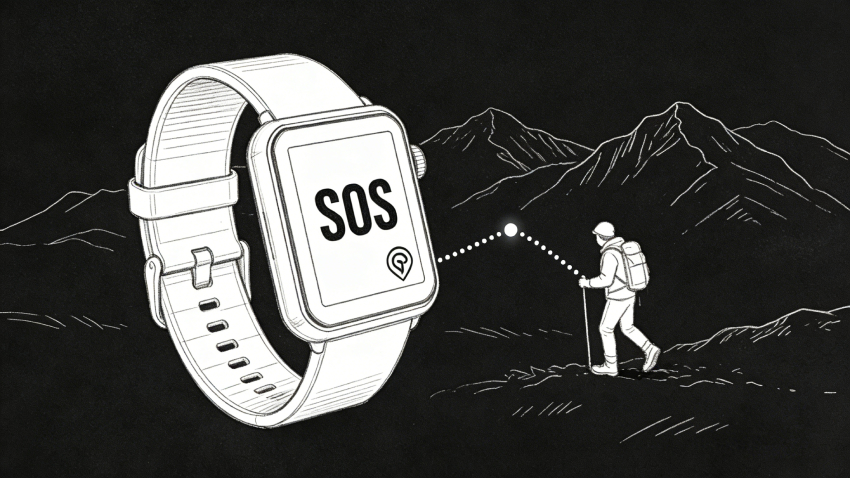
This is particularly useful for outdoor activities, independent living, and remote situations.
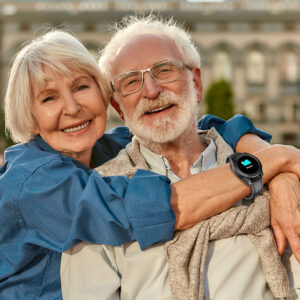
Hands-On Experience: How These Features Perform in Real Use
In hands-on testing of fall detection systems across widely used smartwatches and dedicated medical alert wearables, several insights emerge:
-
Automatic fall alerts generally trigger within seconds of impact and deliver GPS coordinates promptly.
-
The responsiveness of emergency SOS alerts varies depending on connectivity (cellular vs. paired phone).
-
Smartwatches with independent cellular connections tend to initiate SOS calls more reliably than devices that depend on Bluetooth to a phone.
These real-world insights reinforce that a smartwatch with an emergency alert isn’t just theoretical — in many situations, it can act as a practical personal emergency response device when seconds count.
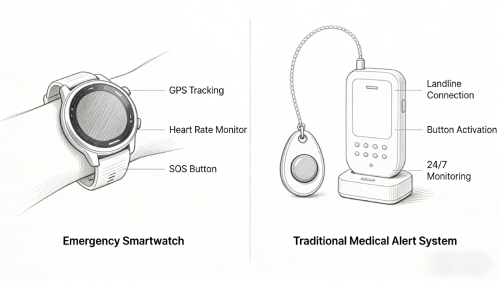
Emergency Smartwatch vs. Traditional Medical Alert System
| Feature | Emergency Smartwatch | Traditional Medical Alert System |
|---|---|---|
| Wearability | High | Varies |
| Fall Detection | Often included | Some models only |
| GPS Tracking | Yes (most models) | Optional |
| 911 Calling Without a Phone | Yes (cellular models) | Limited |
| Everyday Use | Daily wearable | Emergency only |
While traditional alert systems have been on the market longer, smartwatches blend everyday use with safety functionality — increasing the likelihood they are worn consistently.
Why Emergency SOS Smartwatches Matter for Safety
Emergency smartwatches bridge the gap between everyday wearable tech and dedicated safety devices:
- They act as a medical alert smartwatch during sudden incidents.
- They support independent living safety tech — helping people stay active while having a safety net.
With fall-related injuries costing the healthcare system billions of dollars annually due to falls, wearable detection and alert systems can help reduce emergency response times and improve outcomes.
Limitations & Considerations
- Connectivity Requirements: Some features need cellular coverage.
- Battery Life: Intensive safety features can drain power quickly.
- False Alarms: High sensitivity settings can lead to unnecessary alerts.
- Regional Emergency Support: Not all regions support standalone emergency calling.
Understanding these helps set realistic expectations for performance.
How to Choose the Best Emergency SOS Smartwatch
When selecting a device, consider:
- Independent emergency call capability without a phone
- Automatic fall and crash detection accuracy
- GPS tracking reliability
- Battery life and ease of charging
- Comfort and usability for everyday wear
Each user’s needs vary — from seniors who want a medical alert smartwatch to active adventurers seeking robust wearable safety devices.
FAQ — Emergency SOS Smartwatch (FAQ Schema)
Q: Can a smartwatch call 911 without a phone?
A: Yes — models with independent cellular service can place emergency calls without being paired with a smartphone.
Q: How does emergency SOS work on a smartwatch?
A: It uses motion sensors and software logic to trigger alerts and send GPS data to emergency contacts or services when activated.
Q: Does a smartwatch detect falls automatically?
A: Yes — many smartwatches use algorithms to register falls and send automatic alerts if the user doesn’t respond.
Q: How accurate is smartwatch crash detection?
A: Accuracy depends on sensors and algorithms; modern systems use motion pattern recognition to improve detection.
Q: Do emergency smartwatches work without internet?
A: Some features, like SOS alerts via cellular, can work without internet; others (app-based notifications) may need connectivity.
Q: What is the difference between a medical alert watch and a smartwatch?
A: A medical alert watch focuses on emergency response and monitoring, whereas a smartwatch may include a broader range of features (fitness, apps) with optional safety systems.
Conclusion
An emergency SOS smartwatch is more than a gadget — it’s a wearable safety device and personal emergency response device that combines real-time alerts, fall and crash detection, GPS tracking, and connectivity to help users stay safer.
As wearable adoption continues to grow and technologies evolve, these devices will play an increasingly important role in personal safety strategies.
When evaluated with real-world data, health statistics, and usability considerations, emergency smartwatches stand out as practical tools for independent living and proactive safety — helping people stay active while giving peace of mind to themselves and their loved ones.