In today’s world, keeping kids safe is very important. New technology has created helpful tools like Child GPS Tracker Watches. These watches are becoming popular with parents. Recent data shows that the global market for kids’ GPS trackers was worth about USD 1.5 billion in 2023. It is expected to grow a lot, reaching around USD 4.8 billion by 2032. This growth shows that families want devices that help keep their children safe.
Remember, picking the right device can really help keep your child safe and give you peace of mind.
Key Takeaways
- Child GPS tracker watches let parents see where their kids are. This helps keep children safe when they go out.
- Personal mobile alarms send quick alerts during emergencies. They are great for older adults or people with health issues.
- Think about your child’s age and lifestyle when picking a device. GPS watches are good for active kids, while mobile alarms help seniors.
- Both devices make safety better. Using them together can give complete protection for your family.
- Keep up with new technology trends to find the best safety devices for your family’s needs.
Child GPS Tracker Watches Overview
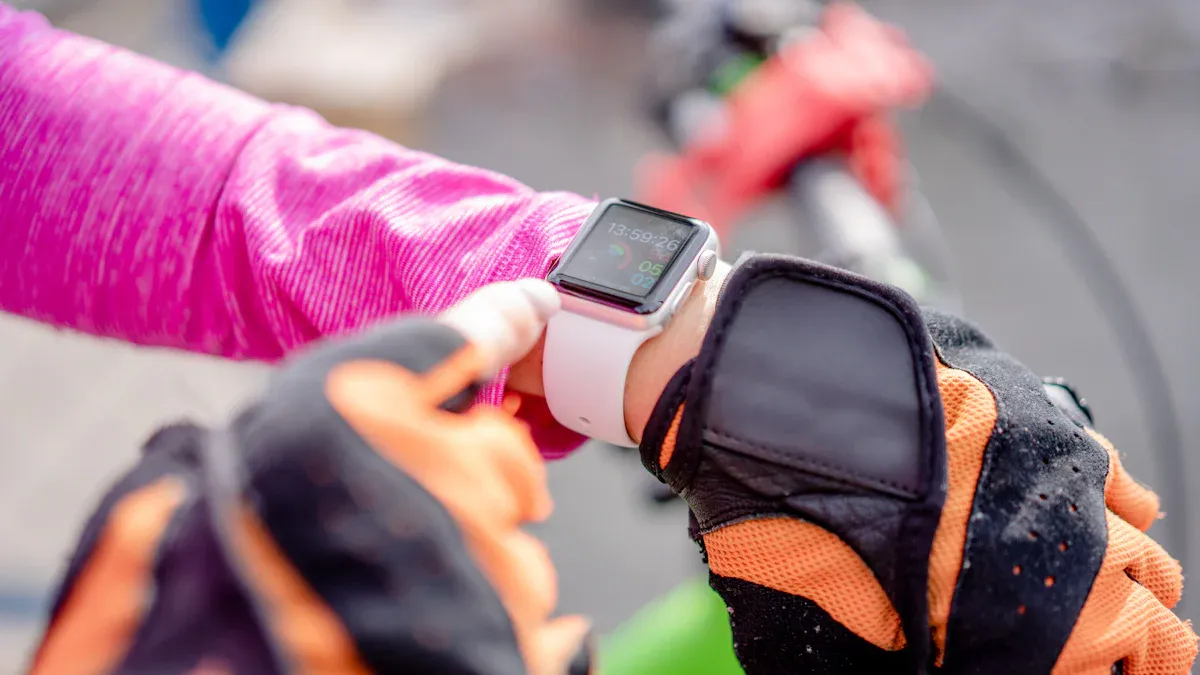
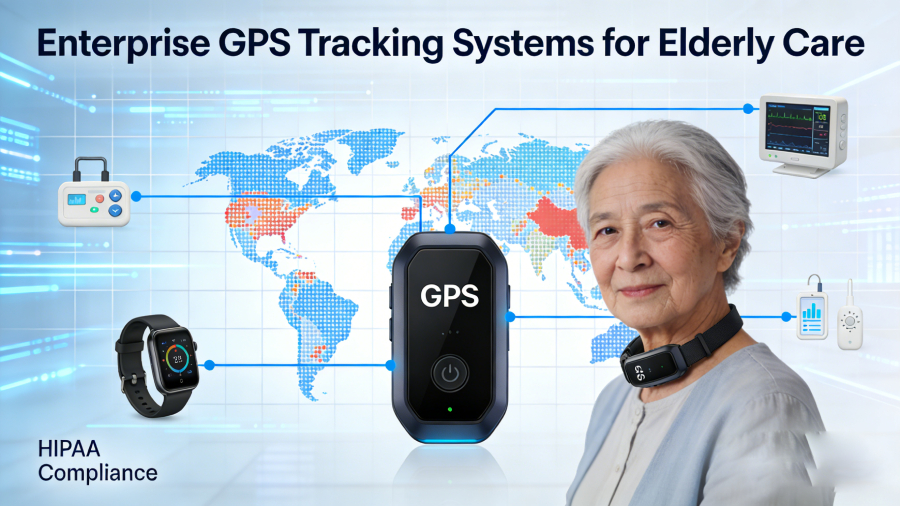
Child GPS tracker watches are smart devices. They help keep your kids safe and give you peace of mind. These watches use GPS technology. This lets you track your child’s location in real-time. You can check where they are from anywhere. With safety worries growing, these devices are now important for parents. They want to make sure their kids are safe.
Key Features of GPS
Child GPS tracker watches have some important features:
- Real-Time GPS Tracking: You can see where your child is right away. This is very important in emergencies.
- Geofencing Alerts: You can set safe areas for your child. You will get alerts if they leave these zones, so you can act fast.
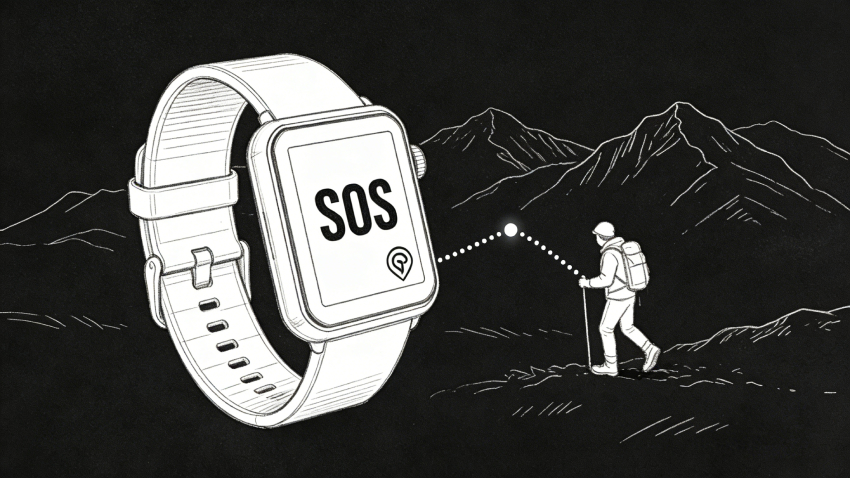
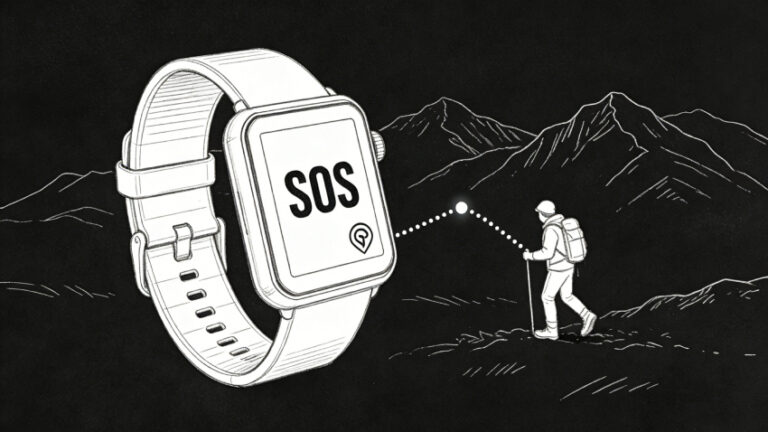
- SOS Emergency Button: Your child can call for help by pressing a button. This helps rescue teams respond quickly.
- Route History Logs: You can check where your child has been over time. This helps spot any strange movements that might be risky.
- Speed and Movement Alerts: You will be notified if your child is moving too fast or in a way that seems unsafe.
The success of GPS technology in keeping kids safe depends on two main things: data accuracy and response time. Accurate location data is very important. Errors bigger than 10 meters can confuse search efforts. New GPS devices are better at accuracy with multi-constellation tracking. This gives reliable location info. Also, a fast response time is key. Devices that send alerts quickly can greatly improve safety in emergencies.
Benefits for Parents
Using child GPS tracker watches has many advantages for parents:
- Prevention of Abductions: Sharing location instantly lowers the risk of abductions. This helps police track movements in real-time.
- Safety in Crowded Areas: Geofencing alerts you if your child goes outside a safe area. This allows you to act quickly.
- Assistance for Children with Special Needs: Predictive movement analysis helps you respond if a child strays from their usual path.
Here’s a quick look at how these features help keep kids safe:
| Feature | Description |
|---|---|
| Geofencing Alerts | Alerts you when your child goes in or out of a safe zone, allowing for quick action. |
| SOS Emergency Button | Lets your child ask for help right away in dangerous situations, speeding up rescue efforts. |
| Route History Logs | Keeps track of your child’s movements to find unusual changes that might mean danger. |
| Speed and Movement Alerts | Spots sudden or strange travel patterns, prompting quick action if there is a risk. |
With these features, child GPS tracker watches are great safety tools. They help you keep an eye on your child and let your child ask for help when they need it.
Personal Mobile Alarms Overview

Personal mobile alarms are important tools that help keep you safe. They give you peace of mind. These devices let you call for help fast during emergencies. This makes them very useful for everyone, especially older people. Technology has improved these alarms a lot. They now have features that regular alarm systems do not offer.
Key Features of Medical Alert Systems
Medical alert systems have several important features that make them different from regular security systems:
- Real-Time Alerts: You get instant notifications on your phone when an alarm goes off. This helps you act quickly in any situation.
- Remote Control: You can control your security system from anywhere. This gives you freedom and control over your safety.
- Automation Features: Many personal mobile alarms let you set routines and alerts based on what you like.
- Mobile Connectivity: These devices connect to your mobile network. This keeps you connected even when you are not at home.
Here’s a quick comparison of personal mobile alarms and traditional alarm systems:
| Feature | Personal Mobile Alarms | Traditional Alarm Systems |
|---|---|---|
| Real-time alerts | Yes | No |
| Remote control | Yes | No |
| Automation features | Yes | Limited |
| Basic intrusion detection | Limited (depends on the system) | Yes |
| Mobile connectivity | Yes | No |
Personal mobile alarms are different from traditional systems. They give you immediate alerts when an alarm goes off. This helps you respond quickly. Traditional systems often use loud sirens to alert people nearby. But they do not tell you what caused the alarm.
Benefits for Immediate Alerts
The benefits of personal mobile alarms go beyond just being convenient. They are very important in emergencies:
- Faster Emergency Response: Studies show that personal mobile alarms can cut emergency response times by up to 50%. They let you alert emergency services right away, which avoids delays from regular calling.
- Versatile Activation Scenarios: People often activate personal mobile alarms during falls or medical emergencies. Many users have had multiple falls, making these devices crucial for quick help.
- Enhanced Coordination: Mobile technology helps different emergency response teams work together better. This makes sure help arrives quickly when you need it.
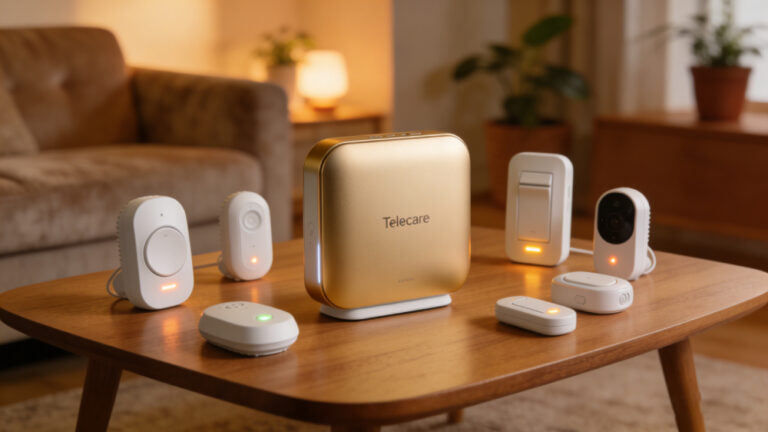
Eview‘s beacon-accessories make personal mobile alarms even safer. For example, the panic button wristband lets you access the device quickly in emergencies. The keychain hole makes it easy to attach, so you can reach it easily. Plus, the accessory clip helps you carry the device while hiking, keeping it close when you need it.
Comparing Functionality: GPS vs. Alerts
Tracking Capabilities
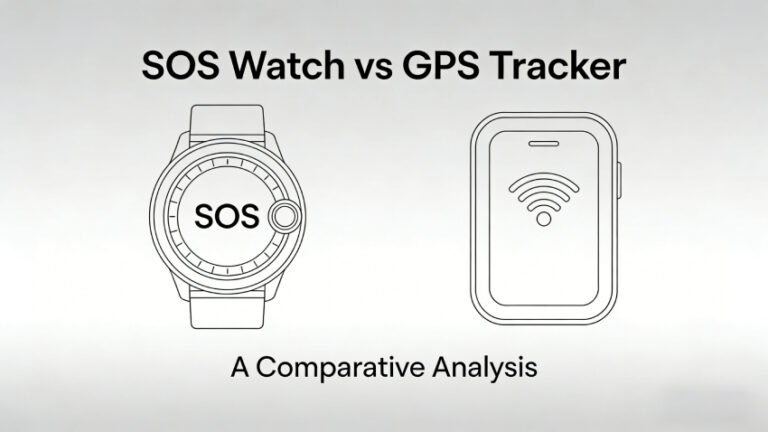
Child GPS tracker watches and personal mobile alarms have different tracking uses. GPS tracker watches are for real-time location checking and talking. They let you see where your child is at any time. Personal mobile alarms focus on alerting you during emergencies. They do not have many tracking features.
Here’s a quick comparison of their tracking abilities:
| Feature | Smartwatches | Trackers |
|---|---|---|
| Purpose | Communication and tracking | Pure location monitoring |
| Communication | Two-way talk | Silent and discreet |
| Battery Life | 1–2 days | 3–10 days or more |
| Cost | Pricier, may need a data plan | More affordable |
In real life, GPS watches are reliable. For example, during a marathon, runners use GPS watches with tracking apps. This helps them check their progress in real-time, which keeps them safe and engaged. In tough areas, GPS watches keep strong satellite signals, showing trails with small errors. This accuracy is very important for your child’s safety.
Alert Mechanisms
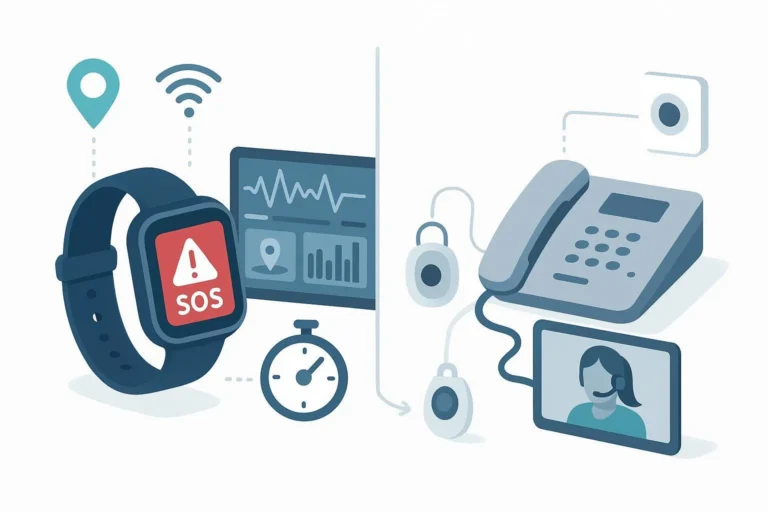
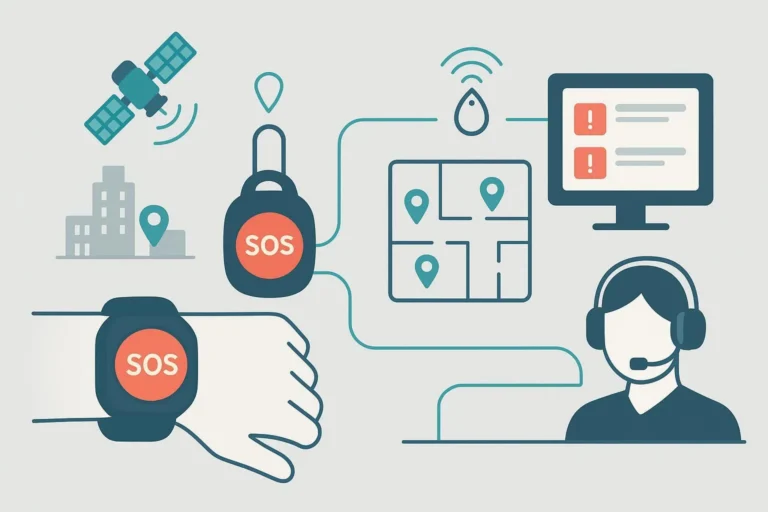
Both devices have alert systems, but they work differently. Child GPS tracker watches have SOS alerts that quickly share your child’s location. This can be very helpful in emergencies. They also have geofencing, which alerts you when your child goes in or out of safe areas.
Personal mobile alarms also have SOS alerts, but they might not share location details. Their main job is to let you know about emergencies fast. Here’s a comparison of their alert systems:
| Feature | Child GPS Tracker Watches | Personal Mobile Alarms |
|---|---|---|
| SOS Alerts | Yes, with instant location sharing | Yes, but may not share location |
| Geofencing | Accurate alerts when entering/exiting areas | Limited or no geofencing |
| Real-time Tracking | Yes, updates location instantly | Limited tracking capabilities |
| Two-way Communication | Yes, allows calls to approved contacts | No |
| Subscription Cost | High monthly fee for premium features | Generally lower or no cost |
Eview combines both GPS and alert features in its products. For example, the Eview GPS Cat Tracker gives real-time GPS and Wi-Fi tracking along with geo-fencing alerts. This mix helps you keep an eye on your child’s safety while also getting alerts in emergencies.
Age Appropriateness for Devices
Best Age for GPS Tracker Watches
Child safety experts say GPS tracker watches are best for young kids. This usually means children aged 5 to 7 years old. This age is good because kids this age usually don’t have their own smartphones.
Here are some things to think about when picking a GPS tracker watch for your child:
- The watch should fit the child’s age and maturity.
- It’s important to know what your child needs to choose the right device.
- There is some flexibility in age for starting to use a smartwatch, depending on family choices.
Younger kids do better with simpler GPS tracker watches that focus on safety. Older kids might like more features like fitness tracking and ways to communicate. Choosing the right watch for your child’s age helps them use it well without getting confused.
Best Age for Mobile Alarms
Personal mobile alarms are very helpful for older adults. Studies show that 82% of people who use personal alarms live alone. This shows a strong need for independence. Many users say they get personal alarms because they worry about being alone.
Here are some important points about the right age for personal mobile alarms:
- 88% of users feel safer with a personal alarm when they are alone.
- These devices are especially good for seniors who might have health issues or fall.
Eview designs its devices for different age groups, so everyone can use them easily. For example, the design features include:
| Design Element | Impact on User-Friendliness |
|---|---|
| Age-friendly design features | Makes it easier to use and improves user satisfaction. |
| Customizable font sizes | Increases user engagement and lowers abandonment rates. |
| Ergonomic handles | Helps with motor skills, improving safety for older users. |
| Clear visual contrast | Helps users with vision problems, making it more accessible. |
| Voice-activated controls | Makes it easier for those with limited dexterity to use. |
By thinking about age and personal needs, you can pick the right device that boosts safety and gives peace of mind for your loved ones.
Lifestyle Considerations
Active vs. Sedentary Lifestyles
When picking between a child GPS tracker watch and a personal mobile alarm, think about your lifestyle. If you are active, a GPS tracker watch is a good choice. These watches help you see where your child is while they play or explore. Kids who wear activity trackers say these devices don’t get in the way of their fun. Many parents also think GPS tracker watches can encourage less active kids to move more. But some parents worry that these devices might distract their kids instead of getting them to be active.
If you or someone you care for lives a more relaxed lifestyle, a personal mobile alarm might be better. These alarms give you peace of mind, especially for people who might forget to turn on a device. For example, a fall detection watch is great for someone who has memory problems.
Urban vs. Rural Environments
Your surroundings are also important when choosing the right device. In cities, tall buildings can block GPS signals. This can make tracking less accurate. This issue is called “urban canyons,” and it can slow down or mess up location data. If you live in a city, a personal mobile alarm might be more dependable for quick alerts.
On the other hand, rural areas usually have better GPS performance. Open spaces allow for better satellite signals, making GPS tracker watches work well. If your child likes outdoor activities in the countryside, a GPS tracker watch can help you keep an eye on their safety while they explore.
Eview has products designed for these different lifestyles. For active families, the smart-wearables offer safety and health tracking features. For those in cities, the mPERS devices provide quick help when needed. By thinking about your lifestyle and surroundings, you can pick the device that fits your needs best.
Picking the right safety device for your child is very important. Both GPS tracker watches and personal mobile alarms have special benefits. Here are some main points to remember:
- Safety groups say to use GPS devices only if needed. They highlight the need for safety steps before using technology.
- Look into different tracking devices to make sure they fit your safety needs.
- These devices give parents extra security.
As technology improves, the market for child safety devices will grow. You will see more use of AI, IoT, and smart home features. This means better functions and ease for you and your family. Keeping child safety a priority is always important, and these devices can help you feel secure.
Always remember, being informed and ready is the best way to keep your loved ones safe!
FAQ
What is a child GPS tracker watch?
A child GPS tracker watch is a device that helps you see where your child is at all times. It uses GPS technology to give you accurate location info. This helps keep your child safe while they are out exploring.
How does a personal mobile alarm work?
A personal mobile alarm is a device that warns you in emergencies. When you press it, it sends a quick alert to emergency contacts or services. This ensures help arrives fast when needed.
Can I use both devices together?
Yes! You can use a child GPS tracker watch and a personal mobile alarm together. This mix boosts your child’s safety by giving real-time tracking and quick alerts in emergencies.
Are these devices easy to use?
Definitely! Both child GPS tracker watches and personal mobile alarms are made to be easy to use. They usually have simple designs, making them easy for kids and adults to operate.
How do I choose the right device for my child?
Think about your child’s age, lifestyle, and needs. If they are active, a GPS tracker watch might be the best choice. For older adults, a personal mobile alarm can help them feel safe and secure.