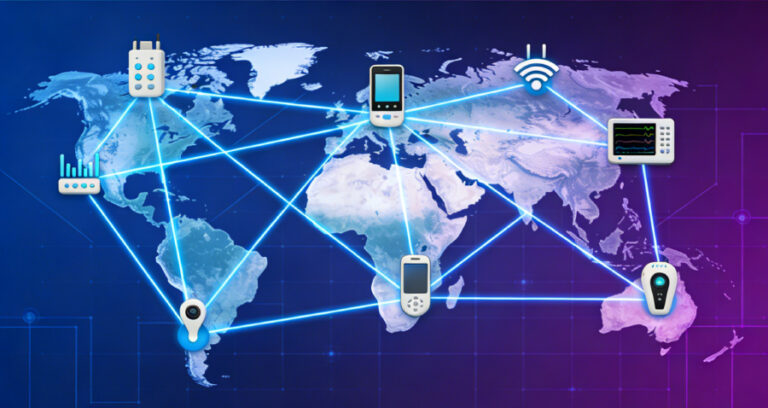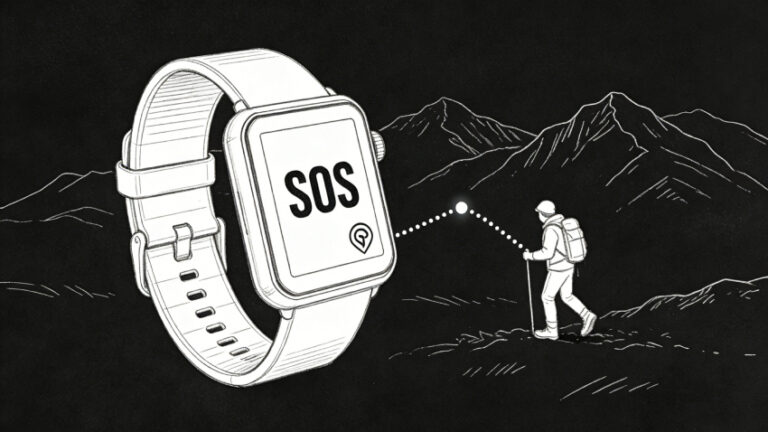
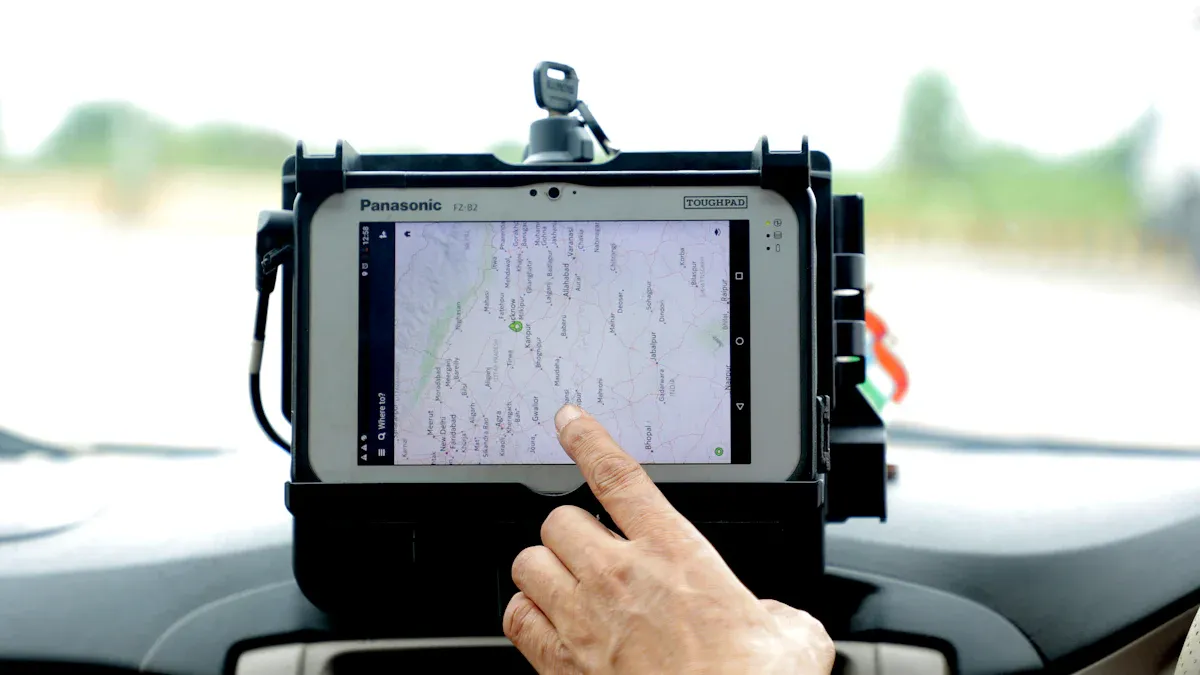
Scaling GPS SOS watch distribution is very important. It helps keep people safe and reach more customers. The global GPS watch tracker market was worth about USD 1.9 billion in 2023. It is expected to grow to about USD 4.5 billion by 2032. This growth is due to more people caring about health and new wearable technology. This shows that more people want real-time location tracking. By distributing GPS SOS watches well, you can give users the tools they need. These tools help keep them safe and healthy in different situations.
Key Takeaways
- The GPS SOS watch market is growing fast. It is expected to rise from USD 1.9 billion in 2023 to USD 4.5 billion by 2032. This growth shows how important good distribution strategies are.
- Knowing what consumers want is very important. Features like real-time tracking, SOS buttons, and cool designs attract different groups. These groups include millennials, Gen Z, and parents who want safety for their kids.
- Working with partners can improve distribution efforts. Teaming up with local distributors and using online platforms can help reach more customers and make operations smoother.
- Understanding regional chances and risks is key. Change your approach based on market traits. For example, offer premium products in North America and eco-friendly options in Europe.
- Use best practices for successful distribution. Focus on accurate demand forecasting, flexible inventory management, and ongoing training. This will help ensure GPS SOS watches reach those who need them.
Market Landscape

Target Market Analysis
The GPS watch tracker market is growing fast in many areas. Here’s a quick look at the current market values and expected growth:
- North America: Worth USD 43.47 billion in 2023, expected to hit USD 50.69 billion in 2024. This growth is due to smart city projects.
- Europe: Expected market value of USD 8.65 billion in the U.K. and USD 7.24 billion in Germany by 2025. This is driven by the need for vehicle tracking and support from the government.
- Asia Pacific: Expected to grow to USD 34.28 billion by 2025, with a CAGR of 18.00%. This is mainly because of demand in China and India.
- Middle East & Africa: Expected to reach USD 8.52 billion in 2025. There is growth potential even with limited infrastructure.
- South America: Slower growth is expected, but technology use is likely to improve market conditions.
Consumer Needs
Knowing what consumers want is key to entering the GPS SOS watch market. Here are the main needs driving demand:
| Consumer Need | Description |
|---|---|
| Advanced Personal Safety and Security | Devices with SOS buttons, real-time location sharing, and geo-fencing for safety, especially for at-risk groups. |
| Outdoor and Adventure Sports | Strong watches needed for hiking and climbing, needing features like long battery life and weather alerts. |
| Integration with Corporate Wellness | GPS watches used in corporate wellness programs to track employee activity and encourage health. |
| Lifestyle and Fashion Integration | Demand for stylish designs and customizable features, making GPS watches trendy as fashion items. |
Groups like millennials, Gen Z, kids, and seniors really like these devices. Their comfort with technology and focus on safety drives their interest in GPS SOS watches. Parents especially want devices that highlight safety features for their kids, making these watches important for peace of mind.
As you look at the market landscape, think about these trends and consumer needs. They offer big chances for growth and new ideas in the GPS watch tracker market.
Scaling Distribution Strategies
Logistics and Supply Chain
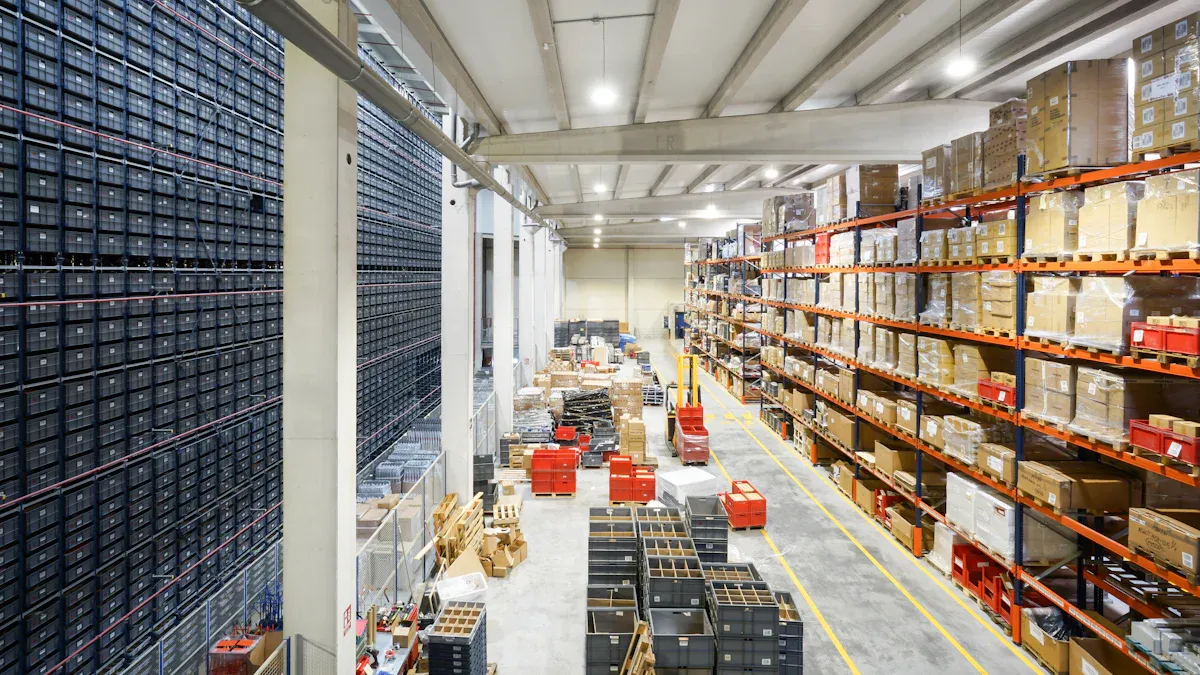
To grow the distribution of GPS SOS watches, focus on logistics and supply chain management. A good supply chain helps your products get to customers quickly and reliably. Here are some important points to think about:
- Regional Opportunities and Risks: Different areas have their own chances and challenges. For example, North America has premium products and subscription plans. Europe focuses on being eco-friendly. But be careful of risks like pricing issues and complex rules.
| Region | Opportunities | Risks | Recommendations |
|---|---|---|---|
| North America | Premium products, subscription plans, partnerships | Pricing issues, high costs | Local marketing, pilot programs |
| Europe | Eco-friendly options, government contracts | Fragmentation, slow processes | Follow EU rules first, work with local partners |
| Asia-Pacific | City growth, digital changes, platform partnerships | Localization challenges, price sensitivity | Hub-and-spoke model, local partners |
| Latin America | Infrastructure projects, local production | Currency problems, mixed logistics | Local pricing, compliance partners |
| Middle East & Africa | Partnerships with public and private sectors, modernization projects | Political issues, infrastructure gaps | Focus on GCC, local agents for buying |
- Supply Chain Challenges: New markets often have supply chain problems that can slow down distribution. Rules, localization needs, and infrastructure issues can make things harder. You need to work with local partners and follow different regulations to overcome these challenges.
Strategic Partnerships
Strategic partnerships are very important for growing your distribution network for GPS SOS watches. Working with the right partners can help you reach more customers and make operations smoother. Here are some good types of partnerships:
| Type of Partnership | Description |
|---|---|
| Public-Private Partnerships | Collaborations between government and private companies to improve distribution. |
| Collaborations with Regional Distributors | Teaming up with local distributors to reach more markets. |
| Leveraging Digital Ecosystems | Using online platforms and networks to expand reach. |
When you use partnerships, you can reach more markets and lower costs. For example, partnerships can help you connect with established networks, speeding up sales. However, you might have less control over how customers are treated, which can cause inconsistencies.
Also, think about how technology changes your distribution strategies. Better GPS accuracy and connections with wearable devices can make your products more attractive. The growth of online sales channels helps you reach more customers, boosting sales and interest in GPS SOS watches.
By concentrating on logistics, supply chain management, and strategic partnerships, you can grow your distribution efforts. This plan will not only improve your market presence but also make sure your GPS SOS watches get to the people who need them most.
OEM vs. Private Label Programs
Key Differences
When you think about GPS SOS watch distribution, there are two main ways to do it: OEM (Original Equipment Manufacturer) and private label programs. Knowing the differences between these two is important for making good choices.
- OEM Programs: In this way, you work with a manufacturer to make products that have your brand name. The manufacturer takes care of the design and production. This lets you focus on marketing and selling. This method often leads to new and special products made just for you.
- Private Label Programs: In this case, you buy products from a manufacturer and put your brand on them. You can change things like packaging and branding, but the main product stays mostly the same. This way lets you enter the market faster but might limit how different your product is.
Advantages and Disadvantages
Both OEM and private label programs have their own pros and cons. Here’s a closer look at what each one offers:
Advantages of OEM Programs
- Customization and Scalability: OEM and ODM solutions let you create unique, scalable, and innovative products. These partnerships help you focus on branding, marketing, and user experience while using expert manufacturing and design skills.
- Flexible Minimum Order Quantities (MOQs): OEM programs usually have flexible MOQs, which helps businesses with different production needs. This flexibility helps you grow as your business gets bigger.
- Advanced Infrastructure: Countries like China have great infrastructure, skilled workers, and cost-effective production. This ensures better scalability and innovation in making GPS SOS watches.
Disadvantages of Private Label Programs
| Disadvantage | Description |
|---|---|
| Lack of differentiation | Products might not be unique since the same factory sells similar items to many brands. |
| Complicated feature integration | Adding new features needs a lot of testing and talking with the manufacturer, making it harder. |
Customization in Private Label Programs
Customization is very important for the success of private label GPS SOS watch programs. Here are some key points:
| Customization Aspect | Description |
|---|---|
| Hardware Customization | Choices for different band materials (silicone, leather, metal), case colors, and finishes. |
| Watch Faces | Ability to design or choose branded watch faces that show your brand’s style. |
| Logo and Branding | Embossing, engraving, or showing your logo digitally helps people recognize your brand. |
| Packaging | Custom boxes, user manuals, and accessories with branding create a special unboxing experience. |
Overcoming Distribution Challenges
Common Obstacles
You might face some problems when distributing GPS SOS watches in different markets. Knowing these challenges can help you create good plans. Here are some common issues:
- Supply Chain Disruptions: Unplanned events can stop production and slow down deliveries.
- Regulatory Compliance: Different areas have their own rules that can make distribution harder.
- Market Variability: Changes in demand can cause too much stock or not enough.
- Logistical Complexities: Managing shipping and handling across many channels can be tough.
Solutions and Best Practices
To handle these challenges well, think about using these solutions and best practices:
- Accurate Demand Forecasting: Use data to guess product demand based on past data and market trends. Work with sales and marketing teams for better forecasts.
- Flexible Inventory Management: Use inventory methods like Just-In-Time (JIT) and Vendor Managed Inventory (VMI) to control stock levels during busy times without ordering too much.
- Diversify Supply Chain Sources: Build relationships with different suppliers in various places. This helps reduce risks from problems and ensures steady material delivery.
Also, using technology can improve your distribution plan. For example, real-time visibility tools help you spot and fix possible problems early. Here’s a summary of good solutions:
| Solution Type | Description |
|---|---|
| Real-time visibility | Tools that help find and fix potential problems quickly. |
| Risk management | Plans to deal with problems to keep business running and reduce downtime. |
| Predictive analytics | Gives insights to handle challenges and keep a strong supply chain. |
| Actionable insights | Helps improve operations and protect against surprises. |
By using these practices, you can improve your distribution channels and make sure GPS SOS watches reach your customers. This proactive way will not only boost your efficiency but also make your market position stronger.
Best Practices for Implementation
Successful Case Studies
Many companies have done well with GPS SOS watch programs. They show good ways to use these devices. For example, a healthcare provider in North America added GPS watches to help care for older people. They found that emergency response times dropped by 30% after using the watches. This success came from good training and support that helped staff learn how to use the technology well.
Another example is a logistics company that used GPS SOS watches for workers who are alone. They saw fewer workplace accidents because of better monitoring and quick alerts. The company highlighted how important it was to include employees in the process. This built trust and made users more likely to adopt the system.
Implementation Tips
To make sure GPS SOS watch programs go smoothly, keep these tips in mind:
- Research and Select the Right GPS Tracking System: Look carefully for a system that fits your needs, focusing on accuracy and compatibility.
- Develop an Implementation Plan: Make a clear plan that lists who is involved, their roles, and when things will happen.
- Involve and Educate Your Team: Share the benefits of the system and give thorough training to help users adopt it.
- Install and Configure the Hardware: Set up GPS devices and check that they work properly.
- Integrate with Existing Systems: Pick a solution that can connect with your current systems for easy data sharing.
- Customize and Configure the Software: Adjust the software to fit your specific needs.
- Test and Evaluate: Run tests with a small group to find problems before full use.
- Train and Support Users: Offer ongoing training and resources to help users become skilled with the system.
- Monitor, Analyze, and Adapt: Regularly check data to spot trends and improve how things work.
Also, make sure to follow local rules by informing employees about GPS tracking policies and getting their consent. Clearly explain why tracking is needed to build trust. Regularly check and update your GPS tracking policy to stay in line with changing laws.
By following these best practices, you can make your GPS SOS watch distribution strategy more effective and ensure a successful rollout.
To grow GPS SOS watch distribution successfully, you need to focus on some important strategies. First, take advantage of regional chances while being careful of possible risks. For example, in North America, premium products and subscription plans can help you grow, but be ready for tough pricing competition.
Look at the table below for a quick summary of strategies by region:
| Region | Opportunities | Risks | Recommendations |
|---|---|---|---|
| North America | Premium products, subscription plans, partnerships | Tough pricing competition, high costs to get customers | Invest in local marketing, focus on enterprise pilots with clear returns |
| Europe | Eco-friendly product differences, government contracts | Different languages and rules | Use an EU-compliance-first product plan, target valuable groups |
| APAC | Fast urban growth, local low-cost options | Complex localization, price sensitivity | Use a hub-and-spoke model, adjust pricing/features for each market |
| LATAM | Modernizing infrastructure, local production | Currency problems, long payment cycles | Reduce currency risk with local pricing, work with local partners for compliance and logistics |
| MEA | Partnerships between public and private sectors, premium projects in GCC | Political issues, gaps in infrastructure | Focus on GCC and key economic centers in Africa, use local agents for public contracts |
By using these strategies, you can improve your market presence and make sure your GPS SOS watches reach those who need them the most. Act now to take advantage of these opportunities and move your business forward.
FAQ
What features should I look for in a GPS SOS watch?
When picking a GPS SOS watch, focus on features like tracking location in real-time, SOS alerts, fall detection, and a long-lasting battery. Make sure the watch is easy to use and works well with monitoring systems.
How does GPS tracking work in these watches?
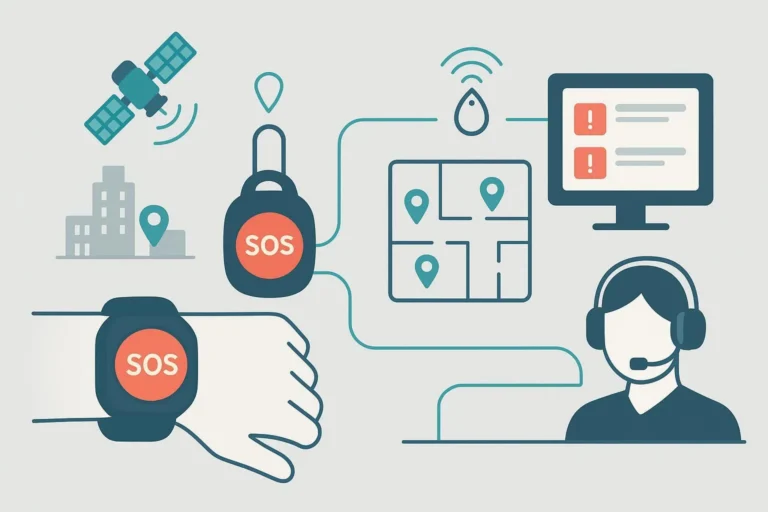
GPS tracking uses satellites to find out where the watch is. The watch sends this location info to a connected device or monitoring center. This lets you see where the person wearing the watch is at any time.
Can I customize the GPS SOS watch for my brand?
Yes, you can customize GPS SOS watches using OEM or private label programs. This includes adding your brand, changing the packaging, and adding special features for your target market.
Are GPS SOS watches suitable for children?
Yes! GPS SOS watches are great for kids. They have safety features like SOS buttons and geo-fencing. This helps parents keep track of their child’s location and make sure they are safe.
What is the average battery life of GPS SOS watches?
Most GPS SOS watches last about 5 to 7 days on a single charge, depending on how you use them and their features. Charging them regularly helps keep them working well and reliably.