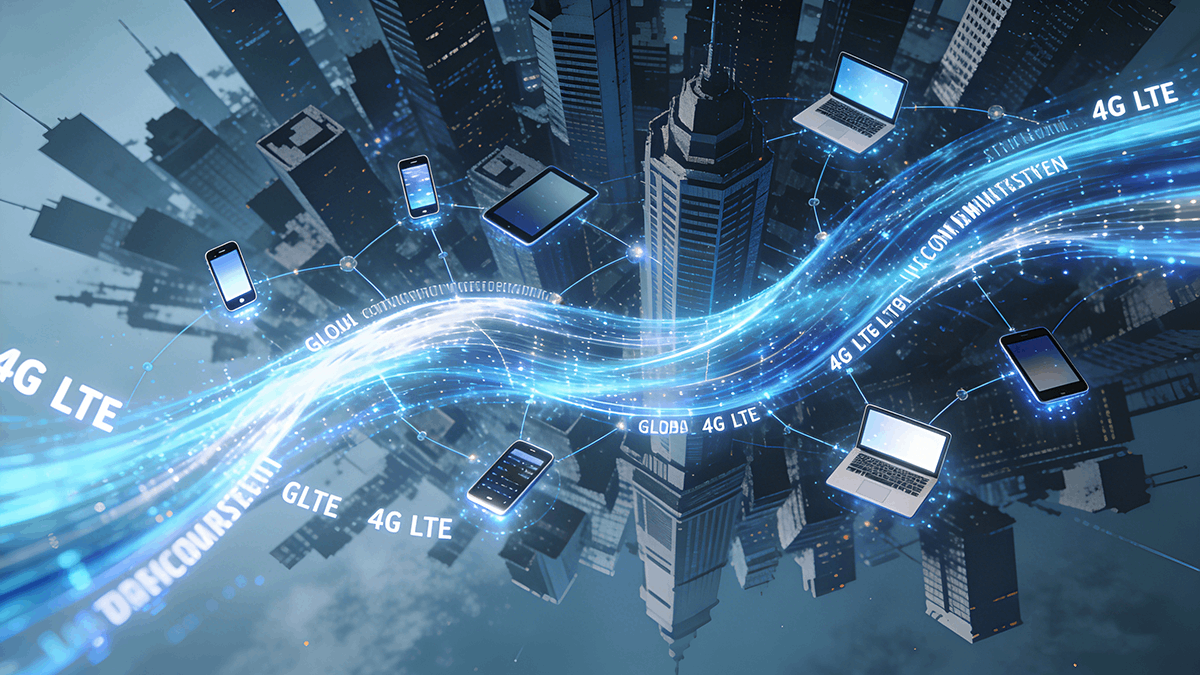
モバイルネットワークは、1Gのアナログ音声から今日のブロードバンド4Gデータシステムへと急速に進化してきました。その中でも4G LTEは高速モバイルインターネットの基盤となり、ストリーミング、ゲーム、そして世界中の瞬間的なコミュニケーションを可能にしました。.
要するに、, 4G LTE 私たちのつながり方と暮らし方を一変させた。.
4Gとは何ですか?
4Gの定義
4Gとは、国際電気通信連合(ITU)によって定義された第4世代移動通信技術のことです。より高速なデータ転送、低遅延、そしてシームレスなデジタルサービスを提供するための完全なIPベースのネットワークとして設計されました。.
要するに、4Gは世界に真のモバイルブロードバンドをもたらしたのです。.
技術的特性
4Gは、容量と信号品質を向上させるために、直交周波数分割多重(OFDM)や多入力多出力(MIMO)などの高度な伝送技術を使用しています。回線交換システムに依存していた3Gとは異なり、4Gは完全にインターネットプロトコル(IP)を介して動作し、音声通信とデータ通信の同時利用をサポートします。.
この効率性により、4Gは高速、安定、かつ世界規模での展開が可能になりました。.
3Gとの比較
3Gネットワークが通常最大2 Mbpsを提供していたのに対し、4Gは100 Mbps以上に達することができる。また、遅延も約100ミリ秒から20ミリ秒以下へと劇的に低下し、リアルタイムストリーミングやオンラインゲームが可能になった。.
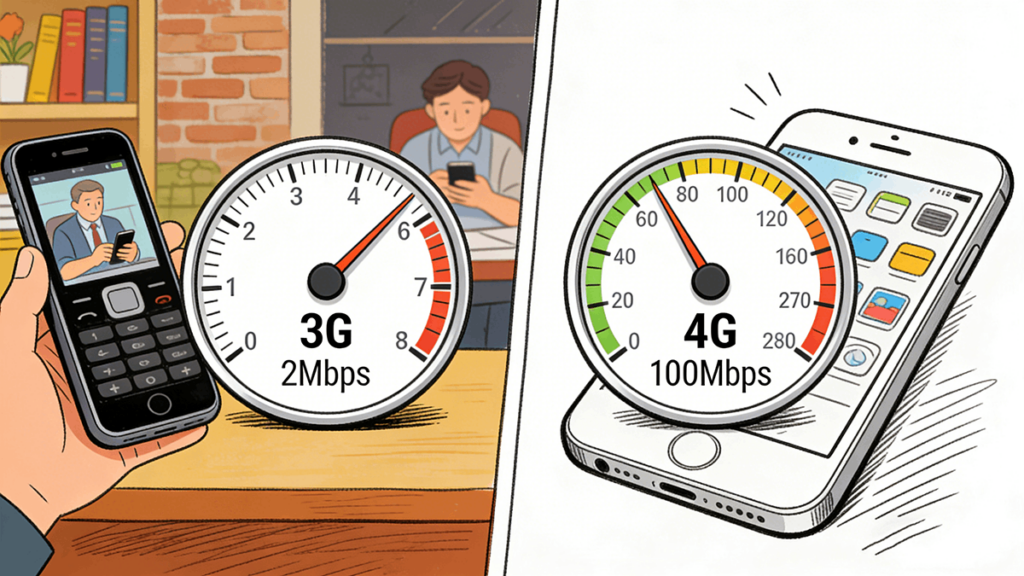
4Gは、3Gでは実現できなかった速度と信頼性をもたらしました。.
LTEとはどういう意味ですか?
LTEの定義
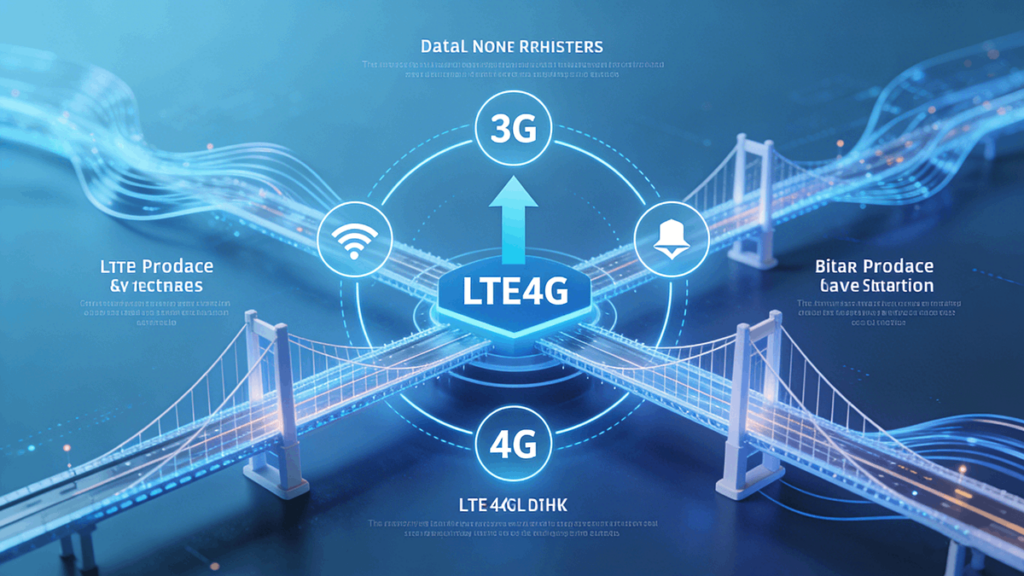
LTEはLong Term Evolutionの略であり、完全な4G機能の実現に向けた一歩を表しています。ネットワークアーキテクチャを簡素化し、データパフォーマンスを向上させ、事業者とユーザーの双方にとって効率性を高めました。.
LTEは、モバイルネットワークを4G時代へと導いた架け橋でした。.
LTEと4Gの関係
LTEの初期バージョンは公式な4Gのパフォーマンス基準を完全に満たしていなかったが、LTE-AdvancedやLTE-Advanced Proなどのその後の拡張版は満たした。それにもかかわらず、モバイルキャリアはマーケティング上のわかりやすさのために、この技術を表現するのに一般的に「4G LTE」を使用している。.
時を経て、LTEは現代の4Gネットワークの基準へと進化した。.
4G LTEの主な特徴
速度とレイテンシ
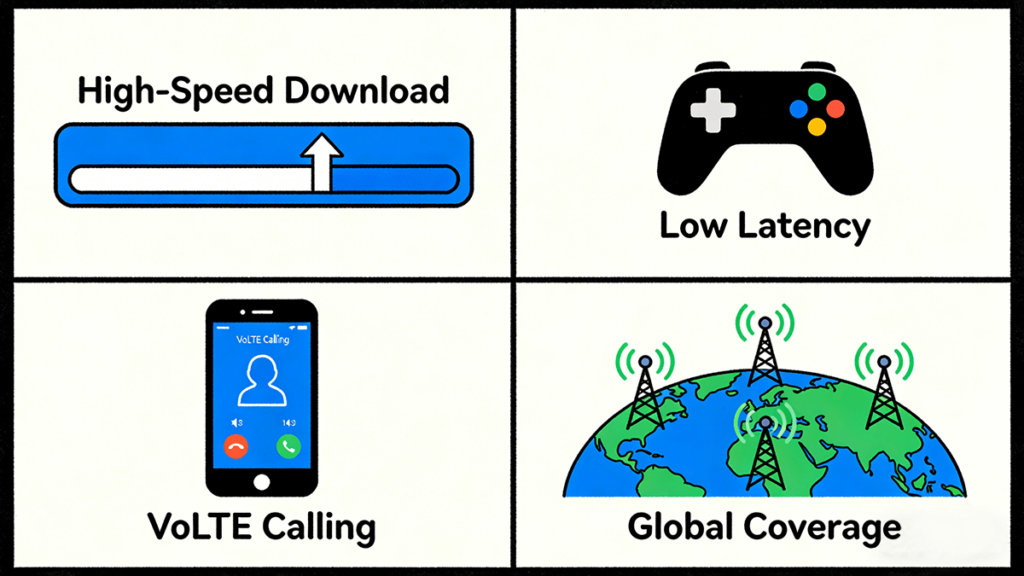
4G LTEは20〜50 Mbpsの平均ダウンロード速度と30ミリ秒未満のレイテンシを実現します。これらの改良により、ユーザーは高画質なストリーミング、スムーズなビデオ通話、レスポンスの良いオンラインゲームを楽しむことができます。.
スピードと応答性がLTEの成功を定義します。.
オールIPネットワーク
オールIPアーキテクチャを採用することにより、4G LTEはVoLTE(Voice over LTE)をサポートし、単一のネットワーク上で高音質な音声通話とリアルタイムデータ通信を実現します。.
この統合により、モバイル通信がよりシンプルで効率的になりました。.
カバレッジと効率性
LTEはスペクトルの利用を最適化し、基地局と端末の両方において、より広いカバレッジと優れたエネルギー効率を実現します。.
効率性の向上は、バッテリー寿命の延長と接続性の強化を意味します。.
4G LTEの利点
ユーザーエクスペリエンスの向上
4G LTEにより、シームレスなビデオ通話、アプリの瞬時ダウンロード、バッファリングがほとんどないスムーズなHDストリーミングが可能になります。.
それはデジタルライフスタイルの利便性を再定義した。.
IoTおよびスマートデバイスのサポート
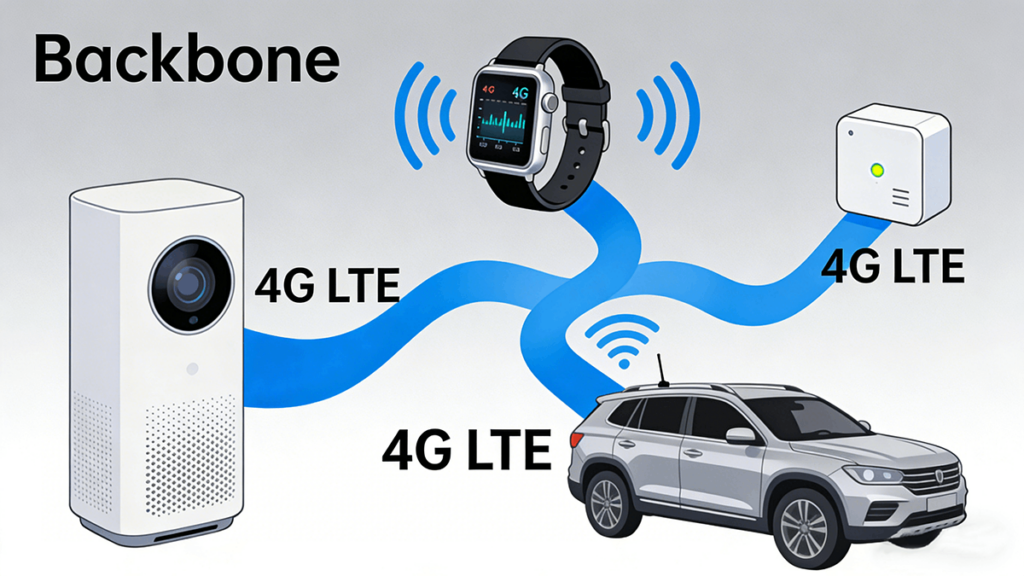
このテクノロジーは何百万もの接続されたセンサー、車両、スマートホームデバイスをサポートし、現代のモノのインターネット(IoT)の基盤を形成しています。.
4G LTEは、世界的なデジタル接続の基礎を築いた。.
経済的および社会的影響
4G LTEの急速な普及は、世界中でモバイルコマース、eラーニング、遠隔医療を推進し、デジタルデバイド(情報格差)の解消に貢献してきました。.
4G LTEは、イノベーションとアクセシビリティの向上を続けています。.
4G LTEの制限
補償の空白地帯
4G LTEのカバーエリアは広範囲に及んでいますが、インフラストラクチャのコストや地形的要因により、多くの地方や遠隔地では依然として安定した通信サービスが不足しています。.
接続性は地域によって依然として不均一です。.
ネットワーク混雑
ピーク時間帯には、データ需要の増加により、特に人口密集地において、パフォーマンスの低下や品質の低下を招くことがあります。.
共有帯域幅は混雑したネットワークにおける主な課題です。.
デバイスと電力の課題
4G対応デバイスは、継続的な高速データ処理のために多くの電力を消費し、すべてのハードウェアがあらゆるLTE周波数帯をサポートしているわけではありません。.
エネルギー効率と互換性は依然として課題である。.
4G LTE と 5G
速度とレイテンシの比較
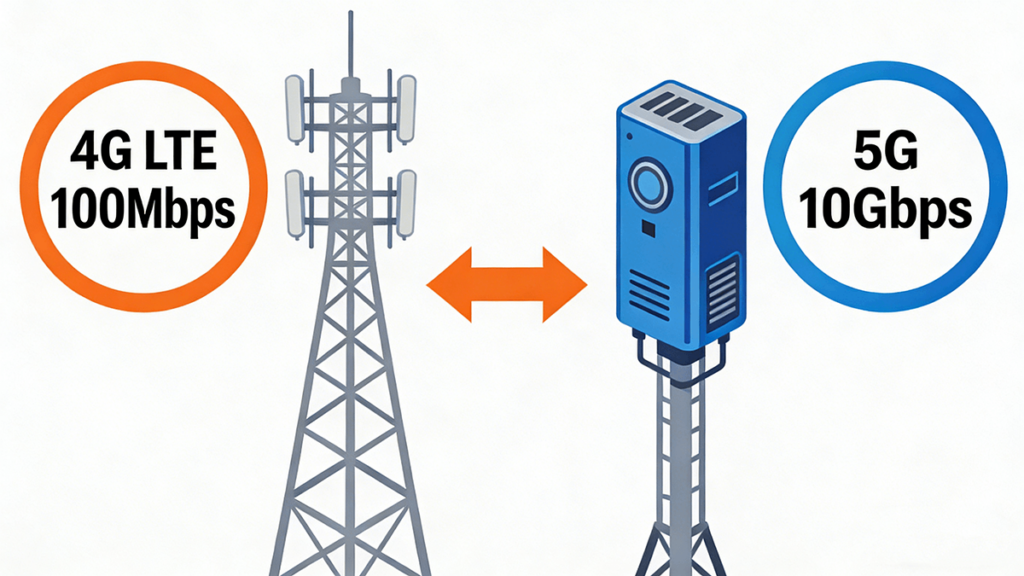
5Gネットワークは最大10 Gbpsの速度に達し、レイテンシを10ミリ秒未満に短縮することができ、4G LTEのパフォーマンスを遥かに上回ります。.
5Gは無線通信をスピードの新次元へと押し上げる。.
ネットワークアーキテクチャ
5Gは、ネットワークスライシング、エッジコンピューティング、ミリ波技術などの新しい革新をもたらし、より高い容量と柔軟性を実現します。.
これらの進歩は、LTEの確固たる基盤をさらに拡張するものです。.
共生と移行
4G LTEは今後数年間にわたり5Gと共存し続け、5Gの電波が届かない場所での信頼性の高いフォールバックとして機能します。.
4Gは依然としてモバイル通信の信頼できる基盤である。.
結論
4G LTE 数億人のユーザーに高速で信頼性が高く、アクセスしやすいインターネットをもたらすことで、モバイル通信を変革しました。現代のデジタル生活の基盤を築き、5G時代への重要な架け橋として今なお機能し続けています。.
4G LTEは、より接続され、知的な世界への道を築きました。.
FAQ:4G LTEに関するよくある質問
1. 4G LTEとは何の略ですか?
それは第4世代長期進化(Fourth Generation Long Term Evolution)の略で、高速モバイル通信規格です。.
2. LTEは4Gと同じですか?
そうとは限りません。LTEは4Gに向けた初期のステップでしたが、LTE-Advancedは完全な4Gの要件を満たしています。.
3. 4G LTEの速度はどれくらいですか?
通常の速度は20〜50 Mbpsの範囲で、理想的な条件下では100 Mbpsを超えるピーク速度に達します。.
4. VoLTEとは何ですか?
VoLTEとはVoice over LTEの略で、4Gデータネットワークを介した高品質な音声通話が可能になります。.
5. 4G LTEはどこでも使えますか?
カバレッジは広範囲に及んでいますが普遍的ではありません。遠隔地では依然として電波が弱いか、圏外になる可能性があります。.
6. 5Gが利用できる現在でも、4G LTEは重要ですか?
はい。4G LTEは依然として世界標準であり、今日、ほとんどのモバイルデバイスやネットワークをサポートしています。.