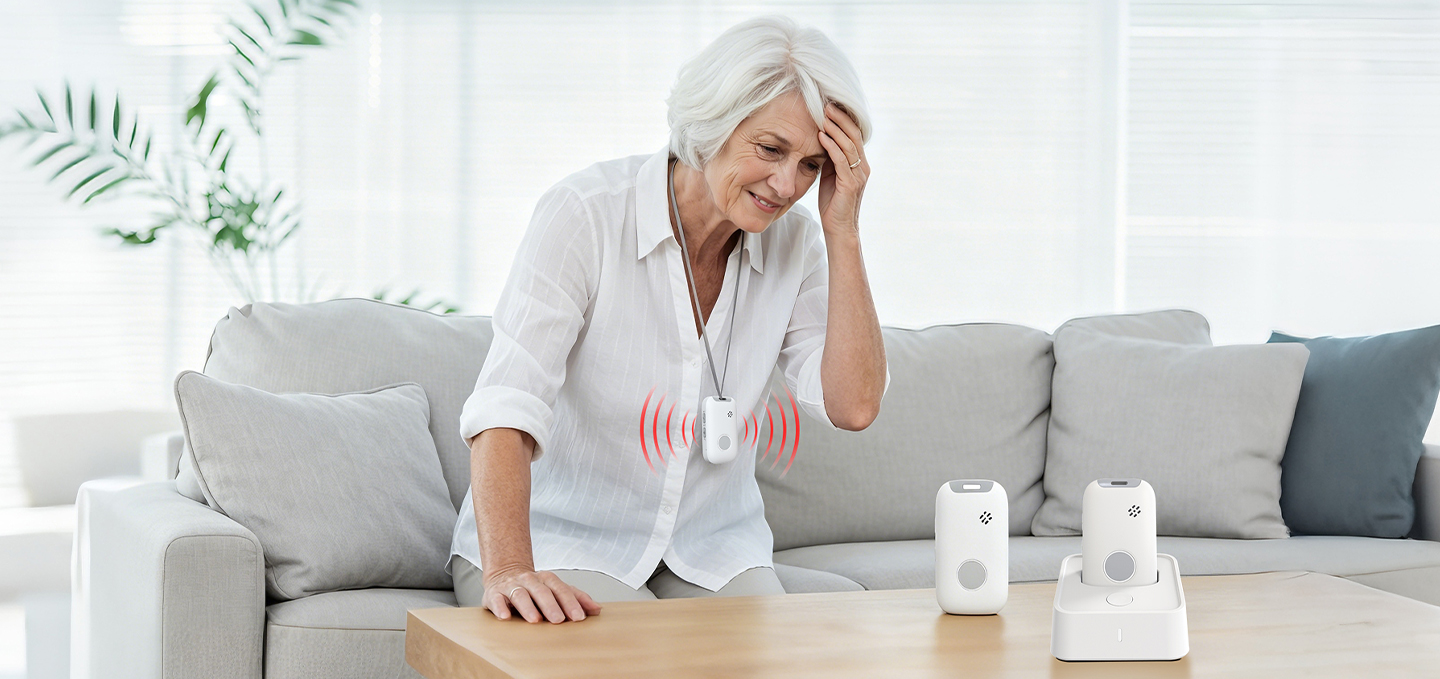
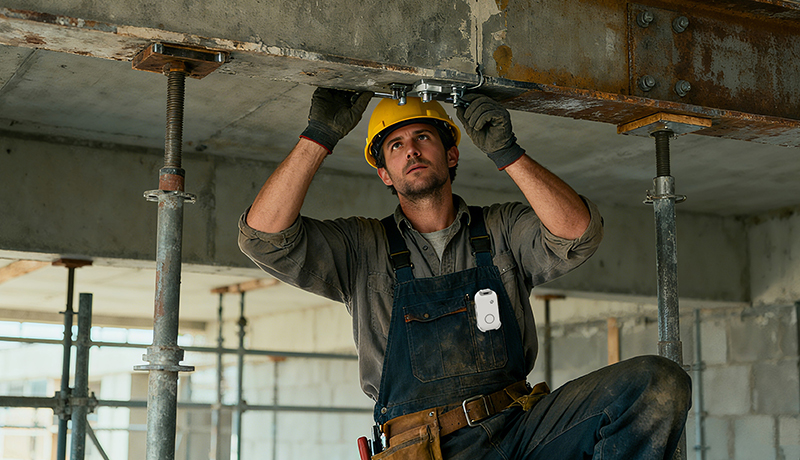
建設現場、遠隔地でのメンテナンス、夜間シフトなどで従業員が一人で作業する場合、ほんのわずかな対応の遅れが命取りになりかねません。だからこそ 一人親方デバイス 現代のビジネスにおいて不可欠な安全ツールとなっています。コンプライアンスを超えて、現場で働くすべての従業員の安心と確実な保護のためのものです。.
このガイドでは、パーソナルアラームとコネクテッドデバイスがどのように作業者を保護するか、どの機能に優先順位を置くべきか、そして Eviewのテレケアソリューション グローバルパートナーがより効果的に従業員を保護できるよう支援しています。.
すべての労働者は、一日の終わりに安全に家に帰る権利があります。.
ローナーワーカーデバイスとは何ですか?
適切なテクノロジーを選ぶ前に、まず理解しておくべきことがあります。 一人親方デバイス 実際、そのようになっています。これらのデバイスは、場所や時間を問わず、孤立した従業員がヘルプに直接つながれるように設計されています。.
これらは、緊急事態を検知し、管理者に通知し、正確な位置データを数秒以内に送信できるデジタル安全コンパニオンとして機能します。.
定義とコア機能
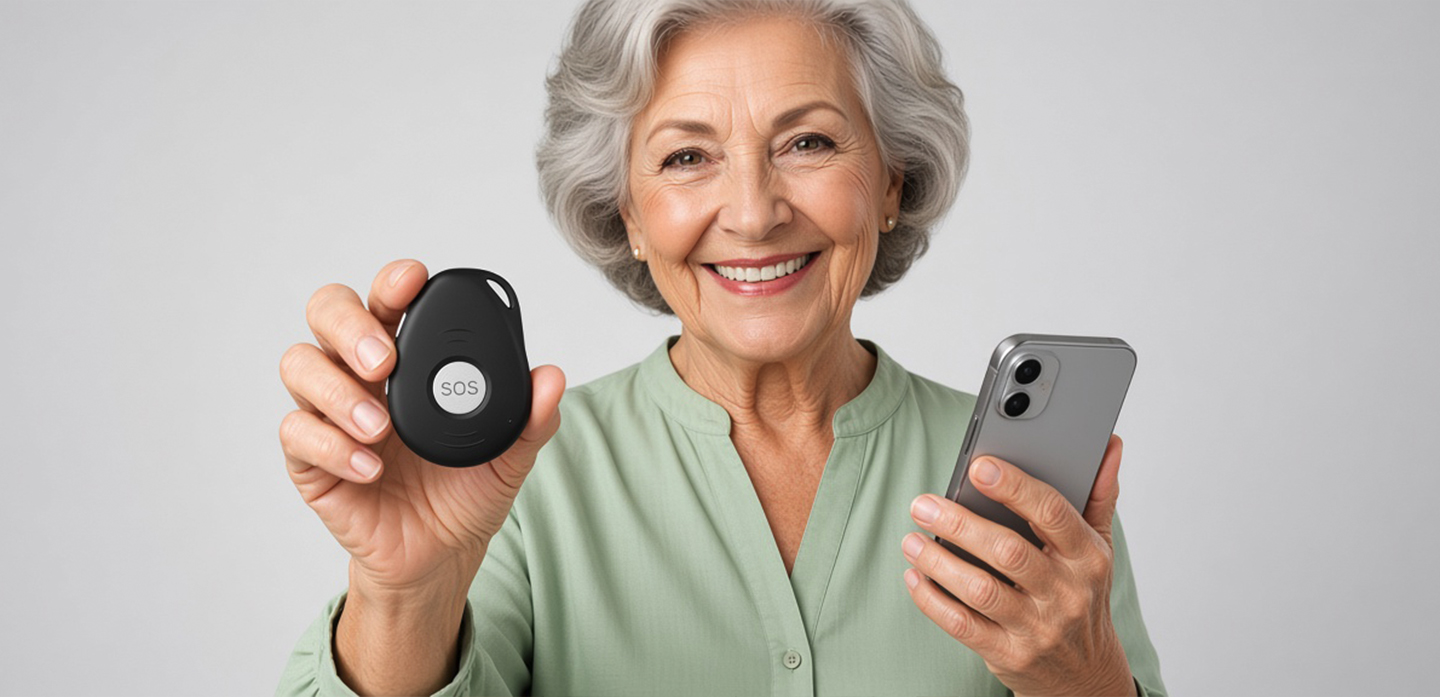
A 一人親方デバイス これは、監督なしで業務を行う従業員のために設計された、コンパクトでGPS対応の安全ツールです。緊急事態が発生した場合、作業員を24時間年中無休の対応センターまたは雇用主の監視システムに接続します。.
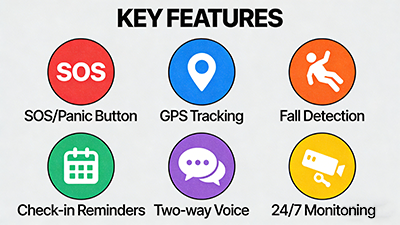
主な機能は以下の通りです。
- SOS緊急ボタン 緊急で助けが必要
- 双方向音声通信 監督者と共に
- 落下検知と非アクティブアラート
- GPS位置情報追跡 迅速な対応
一言で言えば、誰も周りにいないときの個人的なセーフティネットとして機能します。.
一般的なユースケースと産業
業界を問わず、一人で働く人々は、転倒事故、医療上の問題、セキュリティ上の脅威など、同様のリスクに直面しています。.
A 作業員用防犯ブザー コミュニケーションの遅延が致命的になりうる状況において保護します。.
主な産業は以下の通りです。
- ユーティリティ・エネルギー: 遠隔地の機器を保守するフィールドエンジニア
- 医療 訪問看護
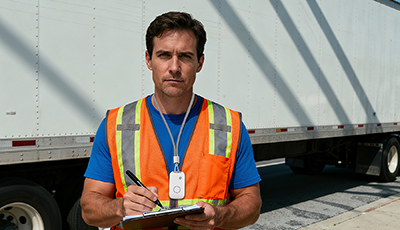
- セキュリティ&ロジスティクス 警備員、運転手、配達員
- 建設 現場検査員と保守担当者
英国労働安全衛生庁によると、約 全労働災害のうち20% 一人で、またはリモートで働く従業員を保護すること。それこそが、プロアクティブな保護が測定可能な違いを生む場所です。.
あらゆる業界に一人で働く人々は存在し、誰もが信頼できるバックアップを必要としています。.

労働者のための個人用アラームはどのように命を救うか
A 作業員用防犯ブザー パニックボタン以上のものを提供し、常に助けが得られるという安心感を与えてくれます。.
これらのアラームは、一人で働く作業者のデバイスや集中管理された安全システムと統合され、一刻を争う状況でリアルタイムの対応体制を構築します。.
実用的なシナリオ
A 作業員用防犯ブザー 単なるデバイスではありません。それは命綱です。実際の例を考えてみましょう。
| シナリオ | 応答時間 | 結果 |
|---|---|---|
| 介護士が訪問中に転倒 | SOSが3秒後にトリガーされます | 10分で支援が到着します |
| 地方の電気技術者が信号を失う | 4Gバックアップによる自動再接続 | 位置情報が正常に送信されました |
| 夜間に警備員が職務質問された | 秘匿されたパニックアラートを送信しました | 監督者は直ちに警察に連絡しました |
各事例は一つの事実を浮き彫りにしています。 スピードと信頼性が命を救う.
重要な機能
選ぶとき 一人親方デバイス またはパーソナルアラームであっても、すべての機能が同等に作られているわけではありません。フィールドデータに基づくと、これらの5つの機能が最良の結果をもたらします。
- 信頼性の高いSOS接続 – 2G/4Gネットワークで動作
- リアルタイムGPS+Wi-Fi測位 屋内/屋外の精度のため
- マンダウン検知 作業員が転倒または動かない場合に自動で通知
- 大音量オーディオ + 双方向通話 – リアルタイムコミュニケーションのため
- 長寿命バッテリー – メンテナンスとダウンタイムを削減
クイック比較:単独勤務者向けデバイス vs. スマートフォンアプリ
産業安全において、スタンドアロンデバイスが依然として好まれる理由を以下に示します。
| 特徴 | 一人親方デバイス | スマートフォンアプリ |
|---|---|---|
| 緊急SOSボタン | ✅ 真剣で触覚的 | ❌解除が必要です |
| GPS精度 | ✅ 継続的な追跡 | ⚠️ 権限に依存します |
| バッテリー寿命 | ✅ 5日間まで | ⚠️ 通常1日未満 |
| 防水/耐久性 | ✅ 堅牢なIP67 | 一般消費者向け |
| ネットワーク信頼性 | ✅ マルチバンド | ⚠️ 信号ドロップアウトのリスク |
秒単位で命運が分かれる場面では、専用デバイスがアプリを凌駕します。.
Eviewの単独労働者向けデバイスの背後にあるテクノロジー
現代 一人作業者向けデバイス 信頼性の高い接続性とスマートセンサーに依存します。Eviewのテクノロジーは、正確なGPS、インテリジェントなモーション検知、長持ちするバッテリーを組み合わせて、信号や作業員が決して失われないようにします。.
このエンジニアリングの卓越性へのコミットメントこそが、Eviewパートナーが自信を持って安全システムを大規模に展開することを可能にしています。.
接続性とGPS精度
Eviewのデバイスは〜で作られています マルチネットワークローミング そして GPS+Wi-Fiハイブリッド追跡, トンネルや工業地帯のような電波が弱い環境でも、作業員が接続を維持できるようにします。.
このデュアルモードトラッキングは、位置精度を最大で向上させます 40% GPSのみのシステムと比較して.
SOSと転倒検出の信頼性
各デバイスは統合されています 3軸モーションセンサー 異常な動きや突然の衝撃を検知します。トリガーされると、アラートは即座に以下を送信します。
- 場所の座標
- タイムスタンプ
- 作業員IDを、指定された監視プラットフォームまたはコールセンターに送信することで、担当者がより迅速に対応できるよう支援します。.
グローバルパートナーのためのOEM/ODMの柔軟性
EviewのOEM/ODMの専門知識により、クライアントはカスタマイズできます 作業員用個人警報器 および、特定の地域ニーズに対応したエンタープライズグレードの安全装置。.
パートナーは以下から選択できます。
- カスタムファームウェア および監視統合
- API プロトコル 円滑なデータ交換のために
- ハードウェア設計とブランドカスタマイズ
Eviewは、信頼性の高い、統合準備完了の安全ハードウェアにより、より迅速なスケールアップを支援します。.
業界データ:一人作業者保護の需要拡大
世界の安全保障の状況は急速に変化しています。モバイルワークやリモートワークが拡大するにつれて、 一人作業者向けデバイス 年々強くなる.
組織は今や、労働者保護を単なるコンプライアンス要件としてではなく、事業運営の成熟度を示すものと見なしています。.
市場成長と統計
業界調査によると、一人で働く作業員の監視に対する需要が加速しています。
| メトリック | 2022 | 2026年(予測) | CAGR |
|---|---|---|---|
| グローバル一人作業者市場規模 | 2億6000万米ドル | 4億4500万米ドル | 14.7% |
| アクティブ・ローンワーカー(グローバル) | 5500万 | 7500万 | — |
| トップ採用セクター | ヘルスケア、建設、物流 | — | — |
英国、カナダ、オーストラリアの政府は、雇用主に対して単独で働く従業員の監視を提供することを義務付ける安全規制を強化しています。違反した企業は、罰金や評判の低下のリスクに直面します。.
一人作業者の安全は、今やオプションではなく、戦略的なビジネス上の優先事項となっています。.
従業員に適したデバイスの選択
正しい選択 作業員用防犯ブザー 仕様だけでなく、実際の状況にテクノロジーを適合させることなのです。.
Eviewは、接続性、互換性、および長期サポートを考慮した段階的なアプローチを推奨しています。.
購入前に考慮すべき要因
評価する際に 一人親方デバイス, 、これらの主要な要因を検討してください。
- ネットワーク互換性 4Gおよびフォールバックモードをサポートする必要があります
- プラットフォーム統合 既存の安全プラットフォームにリンクする
- バッテリー性能 最低でも72時間の待機が推奨されます
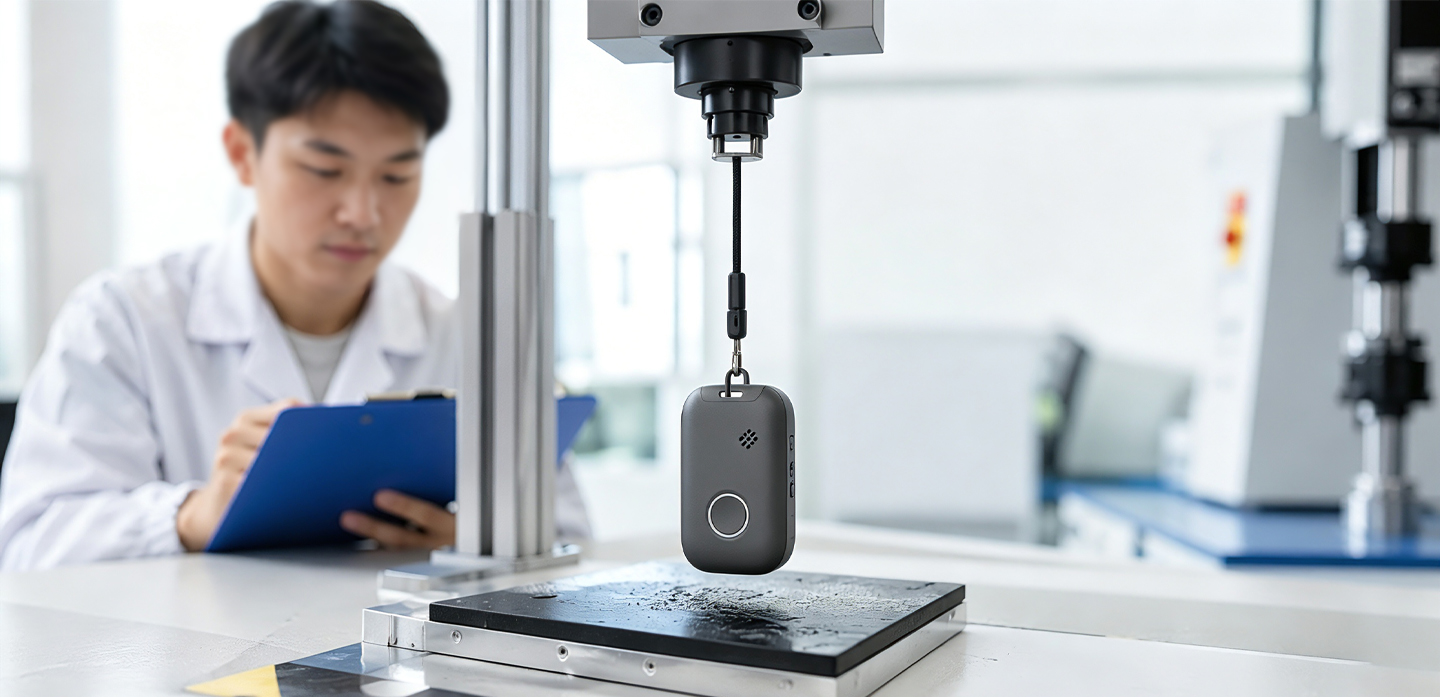
- 耐久性 IP67防水・耐衝撃性必須
- ローカライゼーションサポート: 多言語と地域コンプライアンス
消費者向けガジェットを安全装置として宣伝されているものを避けてください。エンタープライズ保護には、テスト済みの信頼性と認定されたパフォーマンスが求められます。.
EviewのB2B遠隔医療における利点
〜以上の 16年の専門知識 GPSとテレケアでは、, Eview ハードウェアのイノベーションを組み合わせる 柔軟なOEM/ODM協力.
当社のクライアントは、エンドツーエンドのエンジニアリング、ファームウェアサポート、シームレスな統合により、迅速な展開と測定可能なROIを保証します。.
つまり、
- 開発サイクルの短縮
- 総所有コストの削減
- 信頼性の高いグローバルサービスネットワーク
Eviewは単なるデバイス提供にとどまらず、事業継続性を支える安全なエコシステムを構築します。.
Eviewについて
結論 – 安全性と信頼性を組み込みました
最も重要な時に、すべての単独で働く人には即時の助けが必要です。控えめな方法であれ 作業員用防犯ブザー またはフル機能の 一人親方デバイス, 、テクノロジーは今や孤立と安全の間のギャップを埋めることができます。.
Eviewは、16年にわたるエンジニアリングの卓越性に裏打ちされた、信頼性の高いカスタマイズ可能なテレケアデバイスを通じて、グローバルパートナーが従業員を保護できるよう支援し続けています。.
安全性が最初から組み込まれていると、信頼は自然に生まれるからです。.
安全で、眠らない労働力で、あなたの職場を強化しましょう。.
よくある質問
1. 孤独就労者デバイスは何のために使われますか?
GPS追跡、SOSアラート、リアルタイム通信により、一人で働く従業員を保護します。.
2. 作業員用個人用アラームはどのように機能しますか?
ワンプレスで、緊急アラートと現在地を監視センターまたは雇用主に送信します。.
3. スマートフォンアプリだけで lone worker protection は十分ですか?
通常はそうではありません。専用デバイスの方が信頼性が高く、信号の弱い場所でも機能します。.
4. どのような業界が最も孤独作業者用デバイスを必要としていますか?
ヘルスケア、建設、物流、エネルギー、セキュリティがそれらを使用する主要なセクターです。.
5. Eviewは当社のデバイスをカスタマイズできますか?
はい、Eviewはブランディング、ハードウェア、ソフトウェア統合を含む、完全なOEM/ODMサービスを提供しています。.
6. バッテリーはどれくらい持ちますか?
Eviewデバイスのほとんどは、使用状況や電波強度によって、1回の充電で3~5日間持続します。.