RPM CPT Codes 2026: Billing Requirements, Medicare Rules & Reimbursement Rates Explained
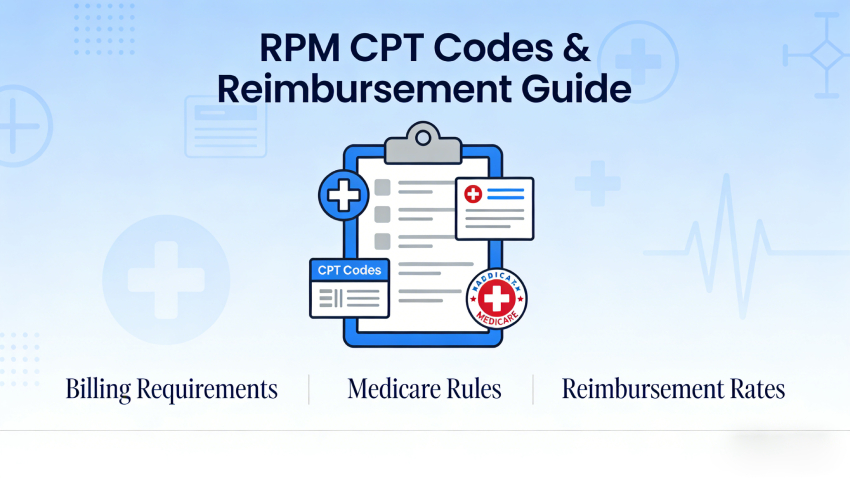
Remote Patient Monitoring (RPM) continues to expand rapidly in 2026, becoming a key driver of both patient outcomes and provider revenue. However, to fully benefit from RPM programs, providers must understand RPM CPT codes, billing requirements, Medicare rules, and reimbursement rates. This guide explains everything you need to know about remote patient monitoring CPT codes (99453, 99454, 99457, 99458) and how to bill them correctly. What Are RPM CPT Codes? (Featured Snippet) RPM CPT codes are billing codes used by healthcare providers to get reimbursed for remote patient monitoring services, including device setup, data transmission, and patient management. The main RPM CPT codes include 99453, 99454, 99457, and 99458. What […]
RPM vs Telehealth vs mHealth: Key Differences, Use Cases & How to Choose
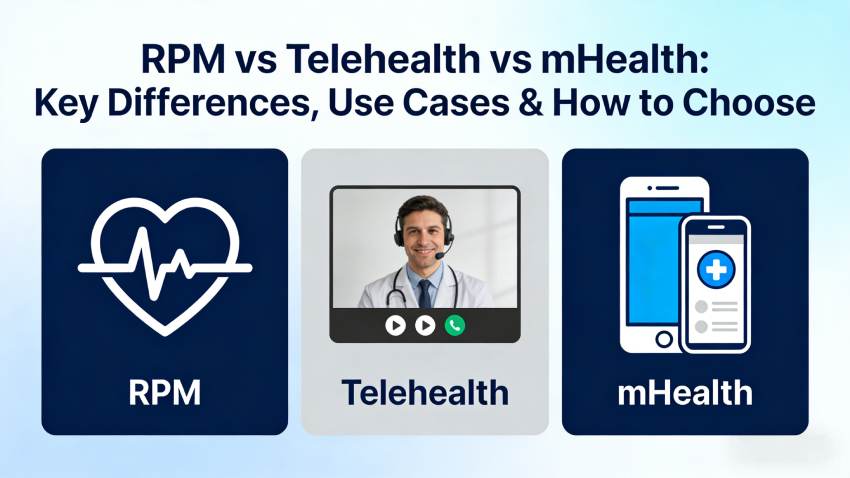
Digital healthcare is no longer a single solution—it’s a layered ecosystem. Yet many providers still confuse remote patient monitoring (RPM), telehealth, and mHealth, leading to poor implementation decisions and wasted investment. This guide introduces a clear decision framework, real-world use cases, and practical insights to help you choose the right approach. Understanding the differences between RPM vs Telehealth vs mHealth is essential for healthcare providers navigating digital health solutions. While these terms are often used interchangeably, they represent very different approaches to patient care, data monitoring, and engagement. Quick Answer (Featured Snippet Target) RPM focuses on continuous patient data monitoring, telehealth enables remote consultations, and mHealth supports mobile-based health tracking […]
遠隔患者モニタリングと遠隔医療:どちらがあなたのユースケースに適しているか
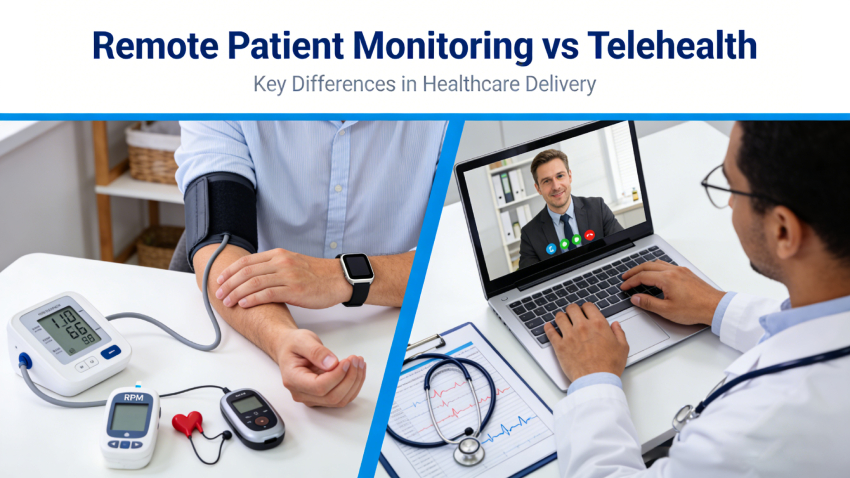
Last updated: March 2026 As digital healthcare evolves, more providers are searching for the exact difference between remote patient monitoring vs telehealth. While both are essential parts of modern virtual care, they serve fundamentally different roles. Quick Answer: RPM vs Telehealth Remote patient monitoring (RPM) and telehealth differ in how care is delivered: RPM uses connected devices for continuous monitoring Telehealth uses video or phone for real-time communication RPM is best for chronic and long-term care Telehealth is ideal for consultations and follow-ups Both can be combined for comprehensive virtual care Definition: Remote Patient Monitoring vs Telehealth Remote patient monitoring vs telehealth: RPM is a data-driven monitoring model Telehealth is […]
2026年:AIが遠隔患者モニタリングをどのように変革しているか
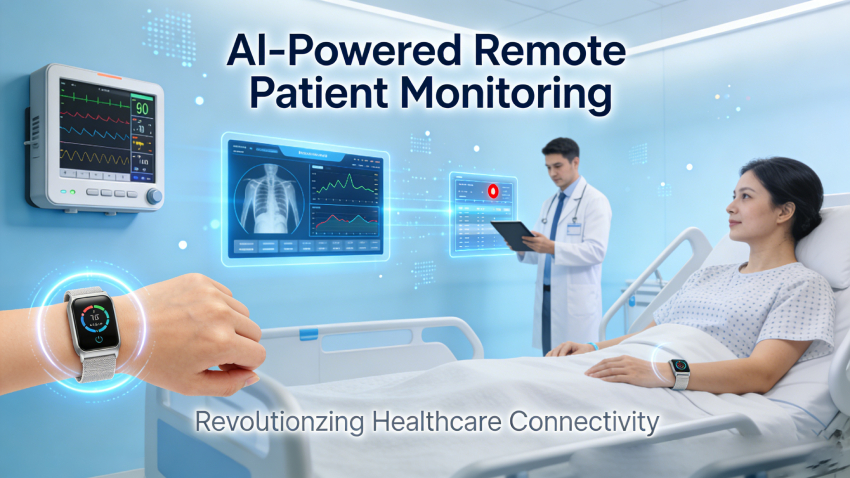
Published: March 2026Last Updated: March 2026Reviewed by healthcare AI specialists in remote patient monitoring systems Remote patient monitoring (RPM) is no longer just a digital convenience—it is becoming a foundational part of modern healthcare delivery. With the integration of artificial intelligence, AI in remote patient monitoring (AI RPM) is transforming how providers monitor, predict, and manage patient health. AI remote patient monitoring (AI RPM) is a healthcare technology that uses artificial intelligence to analyze patient data collected from remote devices, enabling real-time monitoring, predictive insights, and personalized care outside traditional clinical settings. Today, AI-driven remote patient monitoring is powering a new generation of intelligent patient monitoring systems, enabling proactive and […]
How to Implement Remote Patient Monitoring (RPM): Step-by-Step Setup Guide for Healthcare Providers
Remote patient monitoring (RPM) is transforming healthcare delivery by enabling clinicians to monitor patients outside traditional clinical settings. Many clinics, hospitals, and primary care providers are implementing remote patient monitoring programs to support chronic disease management, improve patient outcomes, and reduce hospital readmissions. How to implement remote patient monitoring RPM programs use connected medical devices and software to track patient health remotely. Healthcare providers can then analyze data, identify trends, and intervene promptly when necessary. If you want to understand the benefits, CPT codes, and reimbursement for RPM, read our complete guide to Remote Patient Monitoring (RPM). This guide covers how to implement remote patient monitoring in your practice, including […]
Remote Patient Monitoring Devices: Types, Examples & How They Work
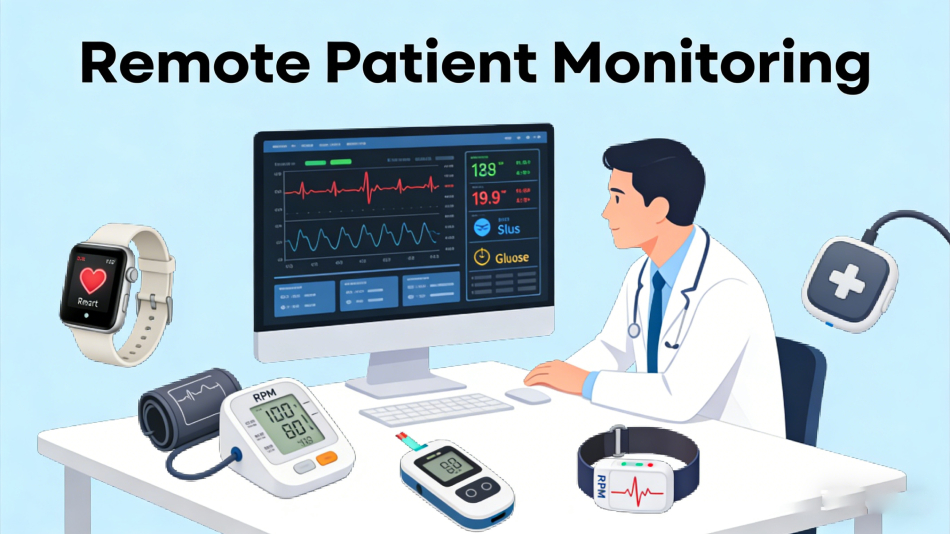
Remote patient monitoring (RPM) is transforming how healthcare providers track patient health outside traditional clinical settings. At the center of this digital health transformation are remote patient monitoring devices—connected medical tools that collect patient health data and transmit it to clinicians in real time. Healthcare providers use a variety of remote patient monitoring equipment, such as connected blood pressure monitors, glucose monitors, pulse oximeters, and wearable cardiac devices to track patients remotely and improve care outcomes. If you want to understand how remote patient monitoring programs work—including RPM benefits, CPT billing codes, and reimbursement models—read our complete guide to Remote Patient Monitoring (RPM). What Are Remote Patient Monitoring Devices? Remote […]
What Is Remote Patient Monitoring (RPM)? Definition, Devices, and Use Cases
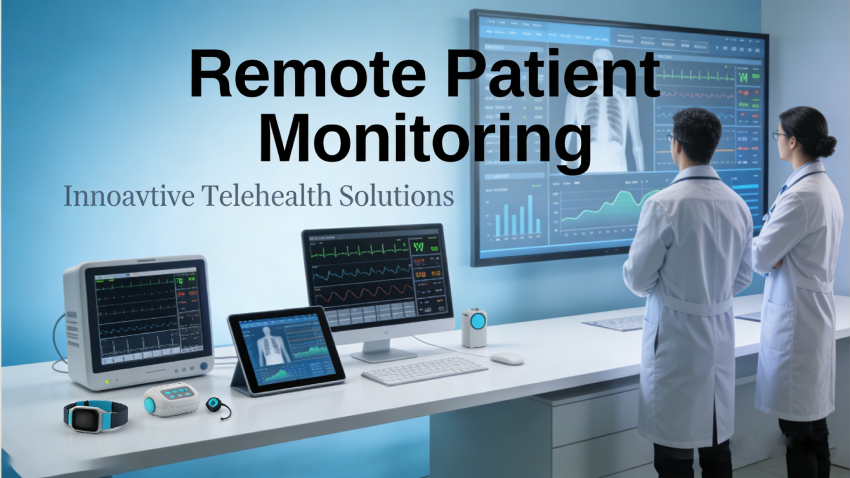
Introduction: Understanding RPM Remote Patient Monitoring (RPM) is revolutionizing healthcare by allowing healthcare providers to monitor patients’ health data in real time, without requiring in-person visits. This technology is particularly beneficial for patients with chronic conditions, offering a more efficient way to manage their health and reducing the need for frequent hospital visits. With the growth of telemedicine, RPM plays an essential role in enabling remote care, ensuring that patient health data is continuously monitored. By using devices such as wearable sensors, blood pressure monitors, glucose meters, and mobile applications, healthcare providers can track patient health metrics remotely, allowing for real-time care adjustments. What Is Remote Patient Monitoring (RPM)? Remote […]
RPM vs RTM: Key Differences, CPT Codes & Billing (2025)
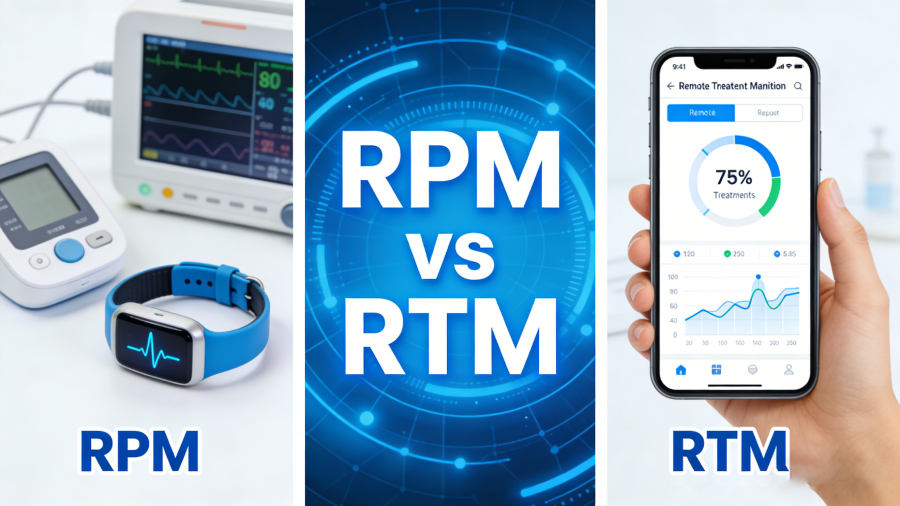
Introduction The key difference between RPM and RTM lies in the type of data collected and the providers eligible to bill under CMS rules. RPM (Remote Patient Monitoring) tracks physiological data—like blood pressure or glucose—through FDA-cleared devices. RTM (Remote Therapeutic Monitoring) monitors non-physiological therapy data, such as pain, adherence, or mobility, via apps or software, and allows therapists to bill under CMS 2025 guidelines. In this guide, we break down the RPM vs RTM difference, including CPT codes, billing rules, CMS updates, and when each model works best for your practice. What Is Remote Patient Monitoring (RPM)? Definition and Core Purpose Remote Patient Monitoring (RPM) enables healthcare providers to collect […]
Remote Patient Monitoring (RPM) in 2026: Benefits, CPT Codes, Reimbursement & Implementation Guide
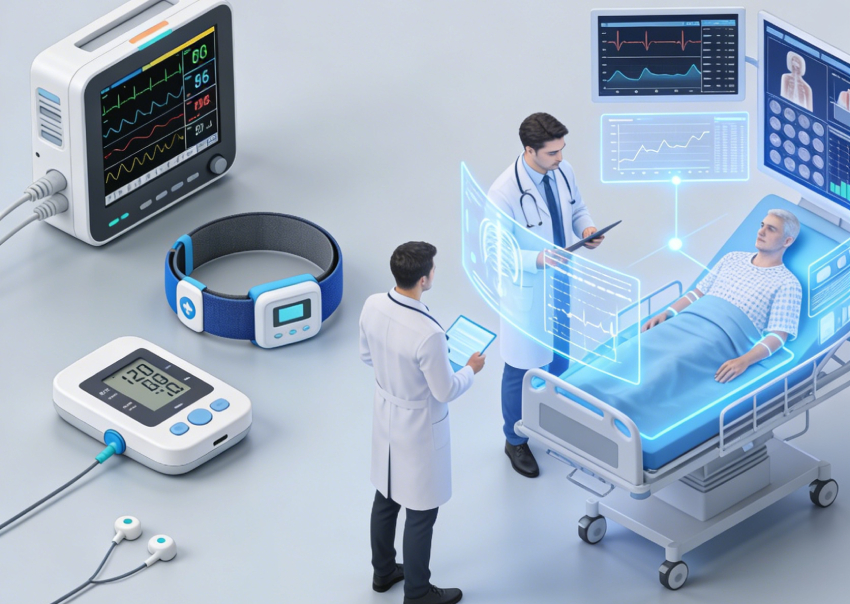
Introduction Remote Patient Monitoring (RPM) has emerged as a transformative technology in modern healthcare, allowing providers to track patient health data remotely using connected medical devices and digital platforms. RPM enables better chronic disease management, early intervention, and cost reduction by providing continuous monitoring outside traditional healthcare settings. As healthcare systems continue to embrace value-based care, RPM offers a scalable solution for managing chronic conditions and reducing hospital readmissions. In this 2026 guide, we explore RPM benefits, CPT codes, reimbursement guidelines, implementation steps, and more. What is Remote Patient Monitoring in Simple Terms? Remote Patient Monitoring (RPM) refers to the use of digital health tools to remotely monitor and collect […]
Best GPS Tracker for Elderly (2026): Enterprise & HIPAA-Compliant Solutions
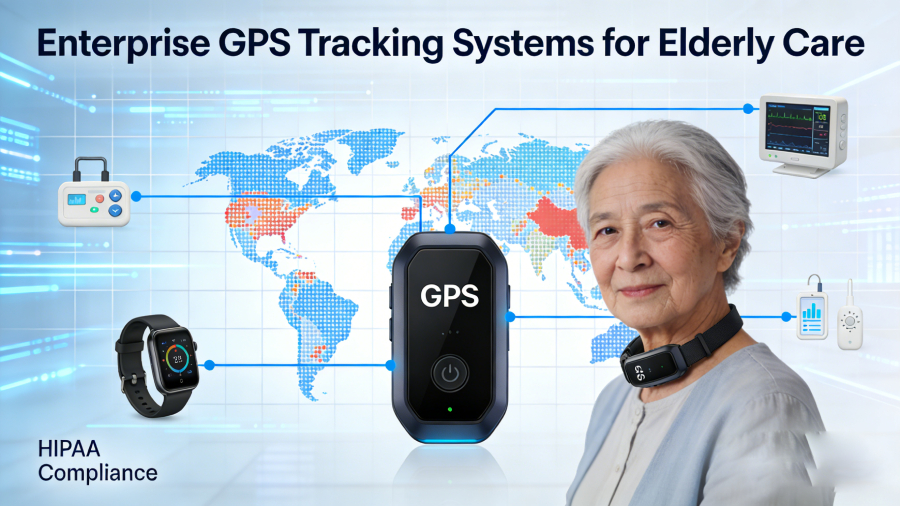
Market Context — The Rise of Enterprise GPS Tracking for Elderly Care The global elderly population surpassed 780 million in 2024, according to the World Health Organization (WHO), creating a surge in demand for real-time location intelligence within healthcare and senior-care systems. Best GPS Tracker for Elderly (2026): Enterprise & HIPAA-Compliant Solutions B2B players — including nursing facilities, telehealth platforms, and healthcare IoT vendors — now treat elderly GPS tracking systems as mission-critical infrastructure. Unlike consumer-grade devices, enterprise solutions must ensure: 99.5% device uptime End-to-end encryption API interoperability with Electronic Health Record (EHR) systems HIPAA-compliant data routing These standards define the best GPS tracker for the elderly in professional deployments. […]