
2026年:AIが遠隔患者モニタリングをどのように変革しているか
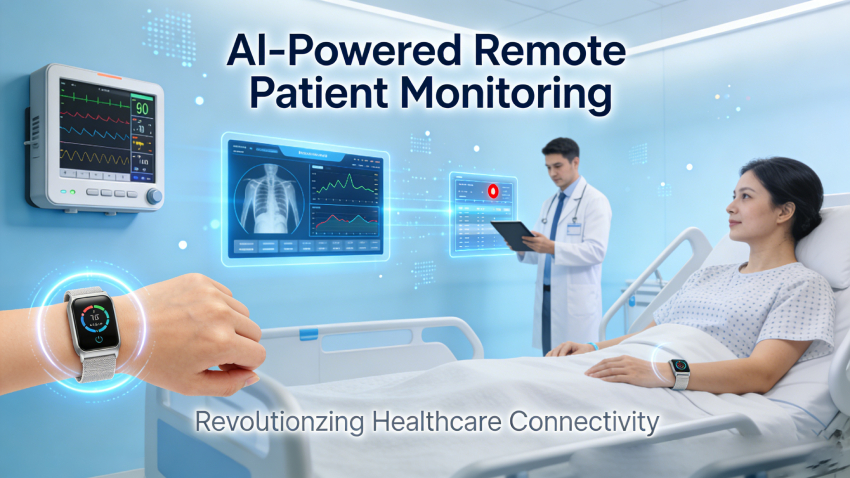
公開日:2026年3月 最終更新日:2026年3月 遠隔患者モニタリングシステムにおけるヘルスケアAI専門家によってレビュー済み 遠隔患者モニタリング(RPM)は、単なるデジタルな利便性にとどまらず、現代の医療提供において不可欠な基盤となりつつあります。人工知能の統合により、遠隔患者モニタリングにおけるAI(AI RPM)は、医療従事者が患者の健康を監視、予測、管理する方法を変革しています。AI遠隔患者モニタリング(AI RPM)は、遠隔デバイスから収集された患者データを人工知能を用いて分析し、従来の臨床現場の外部でのリアルタイムのモニタリング、予測的な洞察、および個別化されたケアを可能にする医療技術です。今日、AI駆動型の遠隔患者モニタリングは、新世代のインテリジェントな患者モニタリングシステムを支え、予防的な医療を可能にしています […]
遠隔患者モニタリング(RPM)の実装方法:医療従事者のためのステップバイステップ・セットアップガイド
遠隔患者モニタリング(RPM)は、臨床医が従来の臨床現場以外の場所で患者をモニタリングできるようにすることで、医療提供のあり方を変革しつつあります。多くのクリニック、病院、プライマリケアの提供者は、慢性疾患の管理をサポートし、患者の治療成績を改善し、入院の再入院率を削減するために、遠隔患者モニタリングプログラムを導入しています。遠隔患者モニタリングの導入方法について、RPMプログラムは接続された医療機器とソフトウェアを使用して、患者の健康状態を遠隔から追跡します。医療提供者は、データを分析し、傾向を特定し、必要な場合には速やかに介入することができます。RPMのメリット、CPTコード、および診療報酬について知りたい方は、遠隔患者モニタリング(RPM)に関する完全ガイドをご覧ください。このガイドでは、[...]を含め、ご自身のクリニックで遠隔患者モニタリングを導入する方法について解説しています。
遠隔患者モニタリング機器:種類、例、およびその仕組み
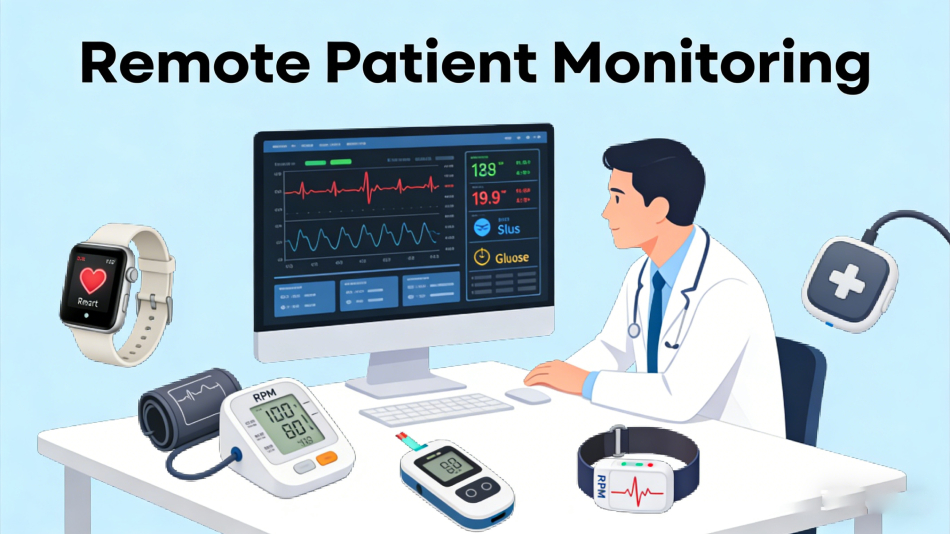
遠隔患者モニタリング(RPM)は、医療従事者が従来の臨床現場の外で患者の健康状態を追跡する方法を変革しつつあります。このデジタルヘルスの変革の中心にあるのが、遠隔患者モニタリング機器です。これらは患者の健康データを収集し、リアルタイムで臨床医に送信する接続型医療ツールです。医療従事者は、接続された血圧計、血糖値測定器、パルスオキシメーター、ウェアラブル心臓デバイスなど、さまざまな遠隔患者モニタリング機器を使用して、患者を遠隔から追跡し、ケアの成果を向上させています。RPMの利点、CPT請求コード、診療報酬モデルなど、遠隔患者モニタリングプログラムの仕組みについて知りたい場合は、遠隔患者モニタリング(RPM)に関する完全ガイドをご覧ください。遠隔患者モニタリングデバイスとは何ですか? 遠隔 […]
RPMとRTM:主な違い、CPTコードと請求(2025年)
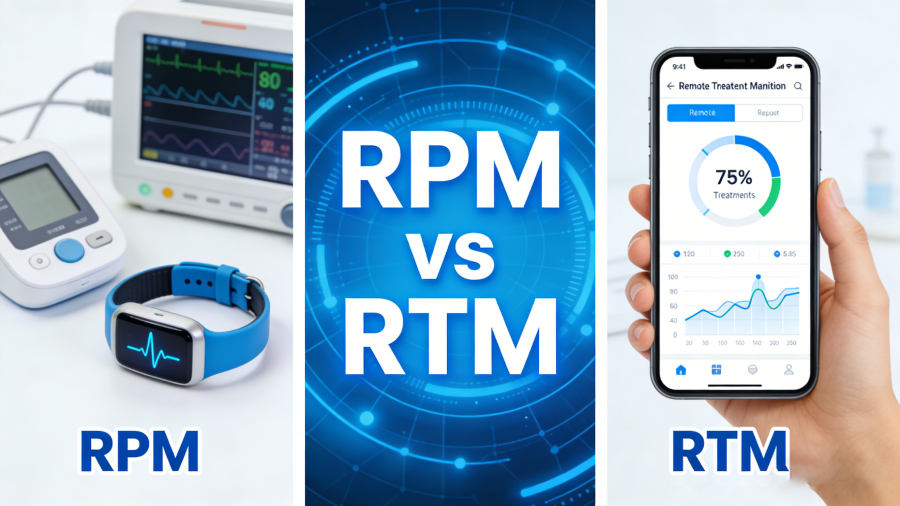
Introduction The key difference between RPM and RTM lies in the type of data collected and the providers eligible to bill under CMS rules. RPM (Remote Patient Monitoring) tracks physiological data—like blood pressure or glucose—through FDA-cleared devices. RTM (Remote Therapeutic Monitoring) monitors non-physiological therapy data, such as pain, adherence, or mobility, via apps or software, and allows therapists to bill under CMS 2025 guidelines. In this guide, we break down the RPM vs RTM difference, including CPT codes, billing rules, CMS updates, and when each model works best for your practice. What Is Remote Patient Monitoring (RPM)? Definition and Core Purpose Remote Patient Monitoring (RPM) enables healthcare providers to collect […]
2026年の遠隔患者モニタリング(RPM):メリット、CPTコード、償還、実装ガイド
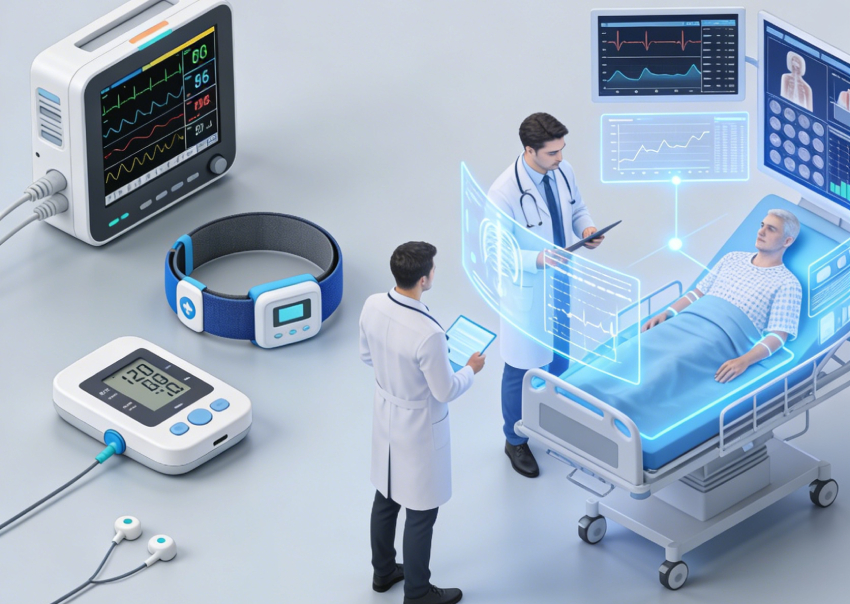
Introduction Remote Patient Monitoring (RPM) has emerged as a transformative technology in modern healthcare, allowing providers to track patient health data remotely using connected medical devices and digital platforms. RPM enables better chronic disease management, early intervention, and cost reduction by providing continuous monitoring outside traditional healthcare settings. As healthcare systems continue to embrace value-based care, RPM offers a scalable solution for managing chronic conditions and reducing hospital readmissions. In this 2026 guide, we explore RPM benefits, CPT codes, reimbursement guidelines, implementation steps, and more. What is Remote Patient Monitoring in Simple Terms? Remote Patient Monitoring (RPM) refers to the use of digital health tools to remotely monitor and collect […]
なぜRPMプラットフォームは、非臨床ウェアラブルからのシームレスなデータフローを必要とするのか
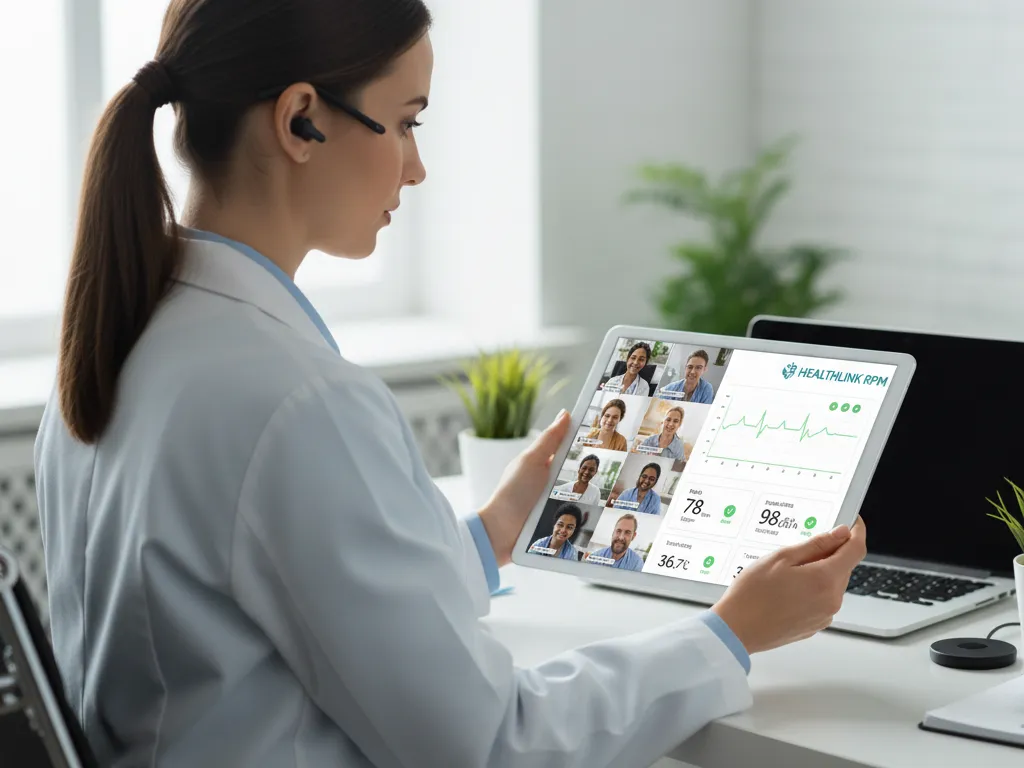
In Remote Patient Monitoring (RPM), the ‘Data Integration Barrier’ limits effective patient care. Relying solely on complex medical-grade devices often leads to issues like data overload and fragmentation. These barriers can hinder long-term patient compliance. Non-clinical wearables enhance the quality of care for various health needs, serving as a bridge between you and healthcare providers. They improve engagement and make advanced technologies more accessible. Eview’s innovative solutions can help you achieve seamless data flow, ensuring consistent monitoring and better health outcomes. Key Takeaways Seamless data flow from non-clinical wearables enhances Remote Patient Monitoring (RPM) by providing continuous visibility into patient health. Integrating open protocols and APIs allows for efficient data […]