
SOSウォッチ対GPSトラッカー:安全・テレケアプロジェクトにおける技術比較
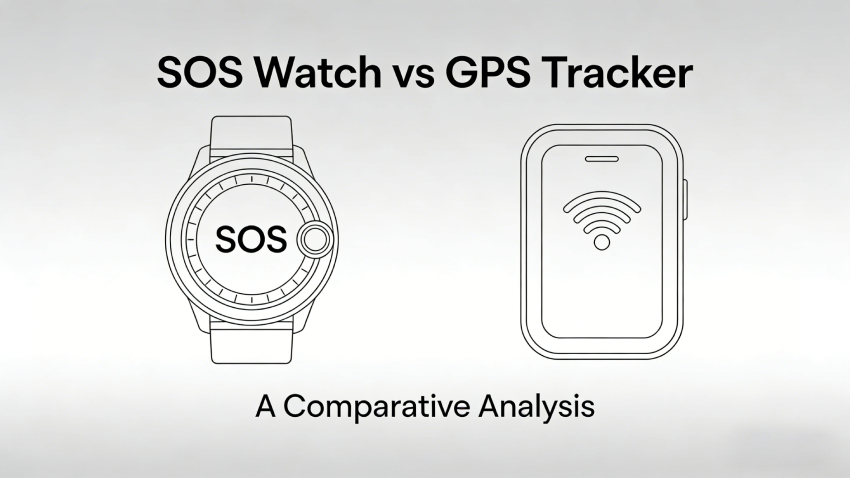
In today’s connected world, companies in healthcare, logistics, security, and manufacturing rely heavily on GPS-enabled devices to ensure personnel and asset safety. Two of the most discussed options are the SOS smartwatch and the traditional GPS tracker. While both use location-based technology, they serve different purposes. Understanding the difference between an SOS watch and a GPS tracker will help businesses choose the right solution for employee safety, operational visibility, and long-term efficiency. What Is an SOS Watch? An SOS watch—also known as a personal emergency response smartwatch (mPERS)—is a wearable IoT device designed for real-time emergency alerts and two-way communication. Key Features: SOS Button: One-touch distress call to caregivers or […]
スマートSOSウォッチ対従来の医療アラーム(2026年):どちらがアラームから対応までの時間を短縮するか?
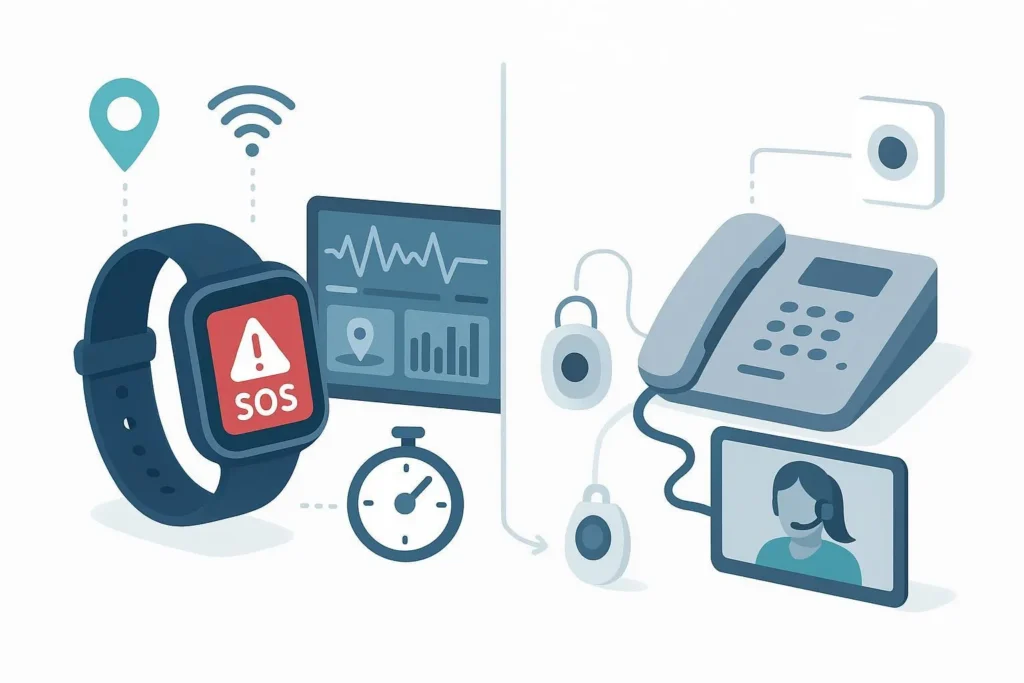
When the business KPI is shaving seconds off alarm-to-operator engagement and improving verified dispatches, form factor and integration matter. In home-based, direct-to-monitoring-center deployments, smart SOS watches (mPERS) typically verify incidents faster for mobile seniors because they combine on‑wrist two‑way audio with GPS/Wi‑Fi/BLE context sent to the operator console. Traditional medical alert solutions (pendants, landline base stations, and wall buttons) still make sense for largely homebound users with reliable landlines and caregivers nearby, and they usually cost less month to month. Smart SOS watch vs traditional medical alert: side-by-side Below is a category-level comparison focused on home senior mPERS direct-to-monitoring-center use. It emphasizes mechanisms that influence alarm-to-response time and closure rate […]
mPERS FCC PTCRB Certification: A Playbook for Scale
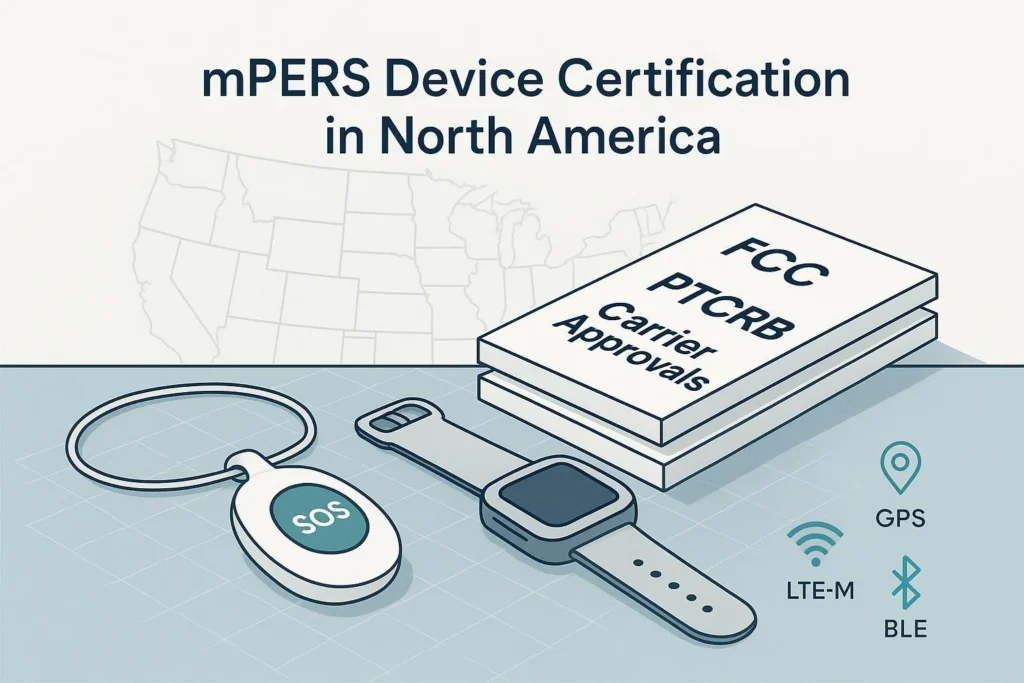
If you lead an mPERS program in North America, you already know the real obstacle is not building a prototype—it is proving that your device can clear FCC, pass PTCRB, secure carrier approvals, and then hold steady in healthcare or government SLAs as volume ramps. This guide lays out an implementation-first path with links to primary sources and a practical checklist you can use in RFPs and pilots. The North American path to market for mPERS FCC PTCRB certification For mPERS wearables, the sequence is straightforward but unforgiving: FCC equipment authorization, PTCRB certification, and then operator approvals with field validation. Think of it as three gates that build on each […]
SOS watches for lone workers: the ultimate guide to reliable protection on isolated and hazardous sites
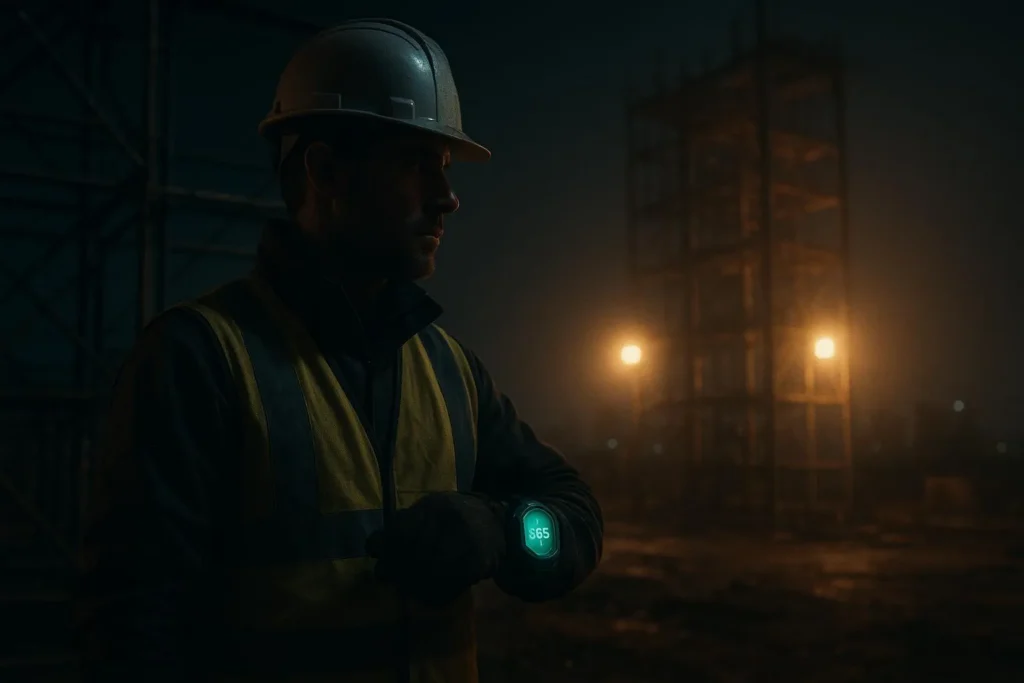
It’s 02:17 at a half-finished tower. One night-shift inspector circles the scaffold in a biting wind, logging readings and checking locks. The site is quiet—until it isn’t. A misstep on a dim stairwell, a sudden impact, a few minutes of silence. In moments like this, the difference between a nuisance alert and a verified emergency isn’t a slogan; it’s a system. This guide shows operations leaders exactly how to make SOS watches for lone workers dependable when it counts—especially on construction night shifts where steel, multipath, and dead zones can trip up even good technology. What you’ll get here: proven ways to improve indoor/outdoor positioning, tune fall/man‑down detection to reduce […]
従業員安全プログラムにおけるSOSウォッチの重要性:危険な産業におけるゲームチェンジャー
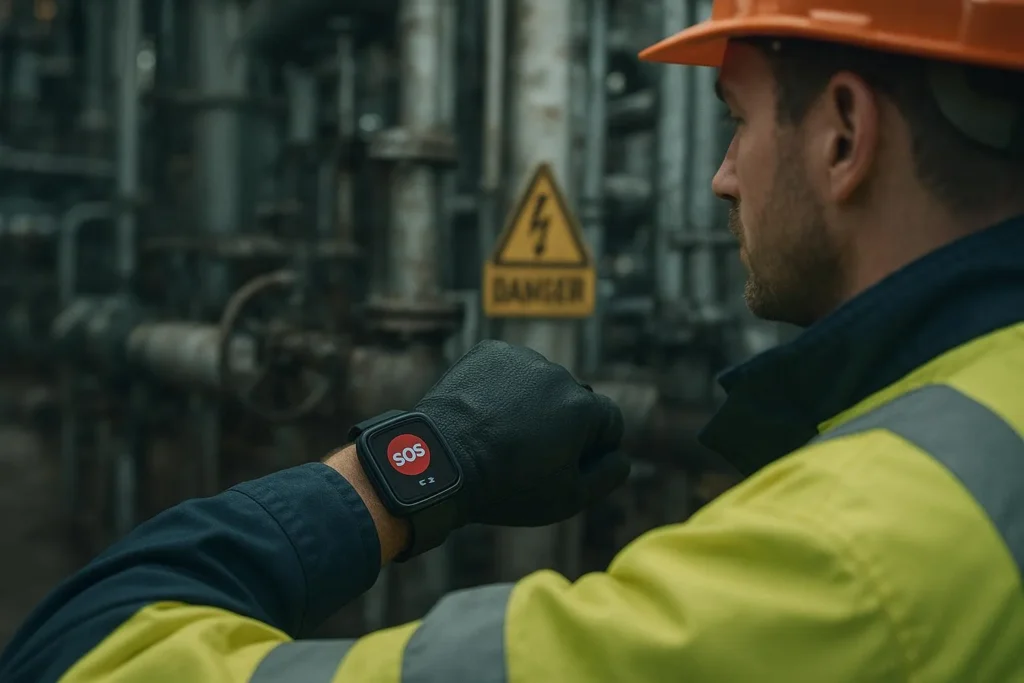
If you oversee procurement or risk for a construction firm, a mine, an oil and gas operator, or a utility, you live with a hard truth: when something goes wrong, seconds matter. The question isn’t whether to monitor lone and at‑risk workers—it’s how to do it in a way that reliably shortens time to verification and dispatch. This guide explains why the SOS watch—specifically one‑press SOS combined with two‑way voice—is becoming a critical building block in employee safety programs across hazardous industries. We’ll tie features to outcomes, map them to recognized standards, compare device options, and outline a procurement‑ready pilot plan with KPIs and TCO guidance. Why an SOS watch […]
Wi-Fi BLE indoorポジショニングによるSOSウォッチ:GPSで迷子を防止
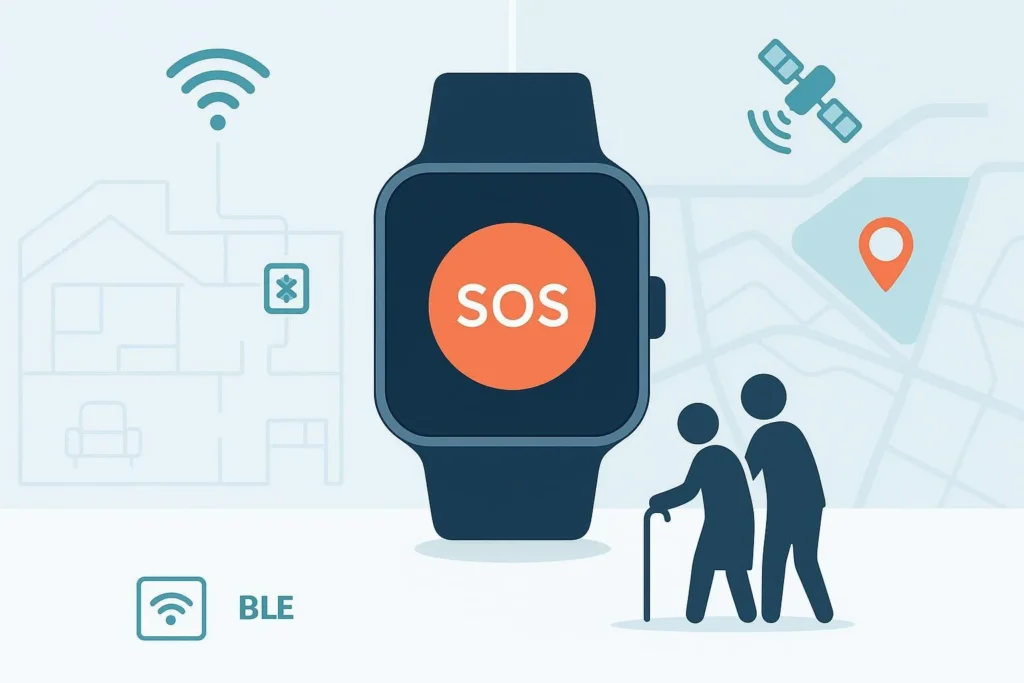
Wandering isn’t just a risk; it’s a recurring operational challenge in dementia and elderly care. The best outcomes happen when you can see where someone is—indoors and outdoors—without gaps. That’s why hybrid positioning matters: Wi‑Fi and BLE beacons provide room‑level context inside buildings, while GPS covers outdoor movement with geofences and turn‑by‑turn visibility. Put together, SOS watches keep caregivers and monitoring centers informed so they can intervene quickly. What’s inside the positioning stack SOS watches rely on a mix of radios and algorithms to estimate location, then publish events (SOS, geofence exit, fall detection) and telemetry to a monitoring platform. GPS (GNSS) outdoors: Under open sky, consumer‑grade GPS typically resolves […]
The Essential Guide to Eview’s Smart Wearables
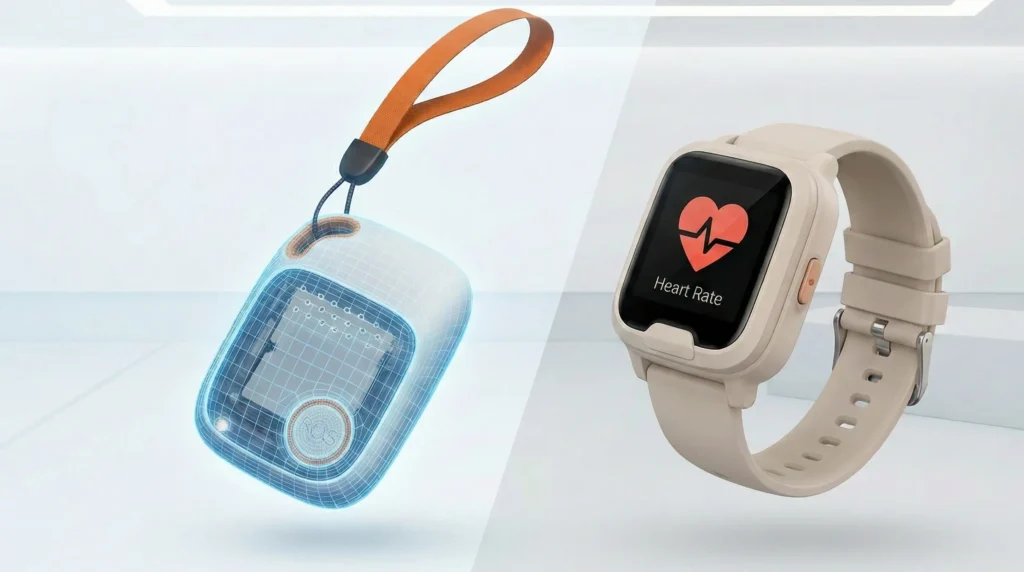
Smart wearables are revolutionizing how you take care of your health and safety. These devices assist you in monitoring important signs, tracking your activity, and receiving alerts during emergencies. Recent studies indicate that smart wearables significantly enhance health monitoring for older adults. They also play a crucial role in managing long-term diseases like diabetes. As the market for wearable technology expands, over 136 million units were shipped in Q2 2025. Eview is dedicated to innovation in this field. Eview’s smart-wearables solutions prioritize your safety and health, ensuring you remain connected and informed. Key Takeaways Eview’s smart wearables help monitor health, especially for older people. They track vital signs and send alerts in emergencies. Eview’s smartwatches and […]