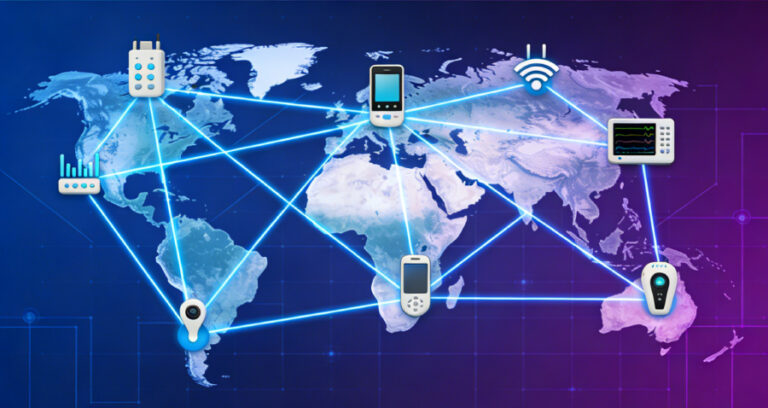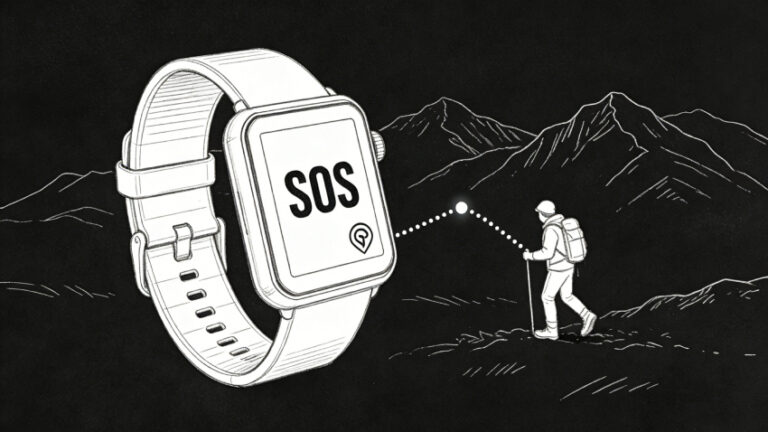
Healthcare is evolving fast, and IoT wearables are at the center of that transformation. Across hospitals, clinics, and home-care environments, patient safety devices are helping providers predict risks, improve response times, and create more connected care systems.
Wearable safety technology is redefining how modern healthcare organizations monitor patients both inside and outside clinical settings.
The Evolution of Healthcare IoT Wearables and Patient Safety Devices
Wearable technology has advanced far beyond fitness tracking. It now supports clinical-grade monitoring that connects patients, caregivers, and healthcare networks in real time. According to Deloitte’s Global Health Tech Outlook (2025), the healthcare wearables market is projected to reach USD 61 billion by 2028, driven by the expansion of remote monitoring and chronic-care programs.
| Year | Estimated Market Size (USD B) | Growth Driver |
|---|---|---|
| 2022 | 29.5 | Fitness and wellness devices |
| 2025 | 44.3 | Remote patient monitoring |
| 2028 | 61.0 | Hospital-grade IoT integration |
This shift highlights how the wearable industry is transitioning from consumer wellness to regulated medical ecosystems that prioritize safety and accuracy. Understanding the types of devices that define this transformation helps clarify their role in patient care.
From Fitness Trackers to Clinical-Grade Wearables
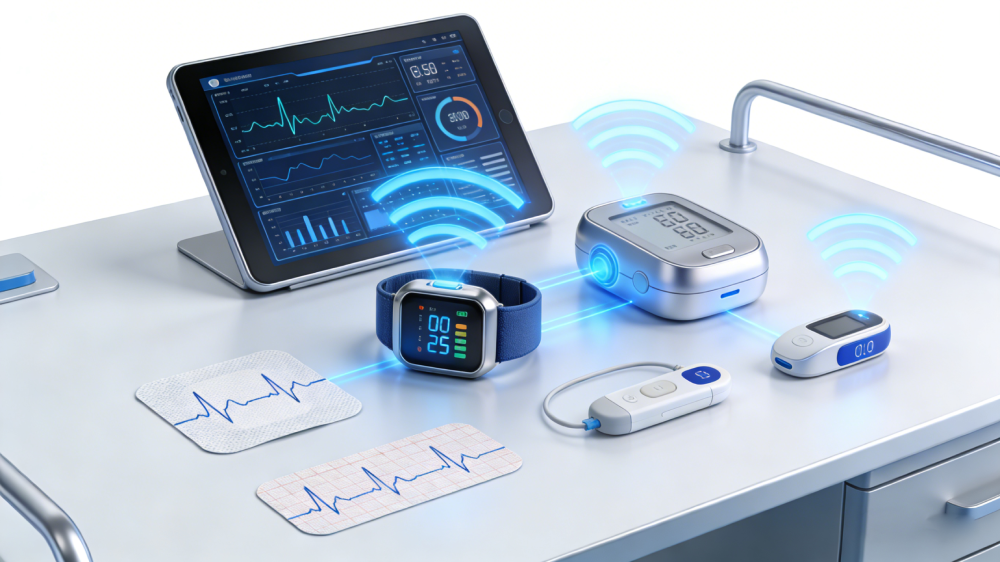
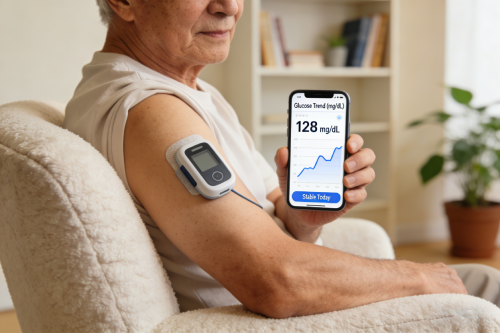
Modern biosensor health-monitoring systems include continuous glucose monitors, ECG patches, blood-oxygen sensors, and fall-detection pendants. Many are now FDA-cleared medical IoT devices, capable of detecting early warning signs that consumer wearables cannot. These devices extend medical supervision far beyond hospital walls and enable physicians to stay connected with patients wherever they are.
Key Technologies Underpinning Modern Healthcare Wearables
Advances in miniaturized sensors, Bluetooth Low Energy (BLE), 5G connectivity, and AI-driven analytics allow continuous data capture and secure transmission to provider dashboards. This combination of precision hardware and smart software forms the foundation for scalable remote care systems capable of supporting thousands of patients simultaneously.
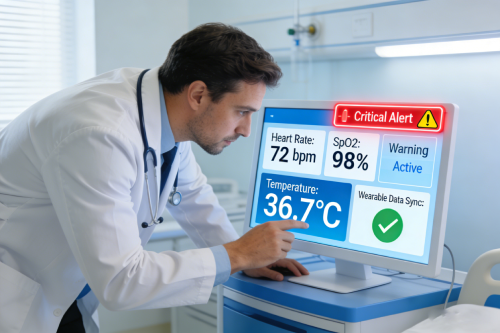
The Role of Wearables in Enhancing Patient Safety
For healthcare providers, patient safety depends on early awareness. Wearable safety devices transform passive care into proactive care by identifying abnormalities before emergencies escalate. They allow medical teams to detect subtle changes in vital signs long before symptoms appear.
Continuous Vital-Sign Monitoring and Alerts
Smart patches and wrist-based sensors track heart rate, temperature, and oxygen saturation around the clock. When an abnormal pattern emerges, automated alerts are sent to clinicians instantly. This process improves response times, reduces readmissions, and enhances patient outcomes through timely intervention.
Supporting Early Intervention and Risk Detection
Aggregated data from hundreds of patients can reveal risk trends across entire populations—from post-surgical complications to medication side effects. Hospitals are increasingly using AI-enabled predictive monitoring to identify patients at risk of deterioration, helping staff act before conditions worsen.
Clinical Use Cases Driving Adoption of Wearable Safety Systems
Across the care continuum, healthcare IoT wearables are becoming essential to everyday clinical workflows. From chronic disease management to rehabilitation programs, these tools strengthen visibility, accountability, and patient engagement.
Chronic Disease Monitoring and Management
For patients with diabetes, cardiac disorders, or hypertension, remote patient-monitoring wearables enable continuous observation between appointments. Physicians can analyze trend data in real time and adjust medication or treatment plans immediately, supporting data-driven chronic-care management that reduces emergency visits.
Remote Patient Monitoring and Telehealth Integration
Hospitals are expanding RPM programs to manage patients at home through wearable sensors linked to telehealth platforms. Integrated dashboards combine wearable data with electronic health records, helping care teams deliver timely interventions. AthenaHealth’s 2024 report found that remote monitoring programs reduced hospital admissions by up to 25 percent while improving patient satisfaction scores.
Post-Operative and Rehabilitation Care
After surgery, smart patches track recovery metrics such as wound temperature, mobility, and heart rate variability. Physicians can monitor these signals remotely and make adjustments without requiring in-person visits. This approach accelerates recovery and helps patients feel more secure throughout the healing process.
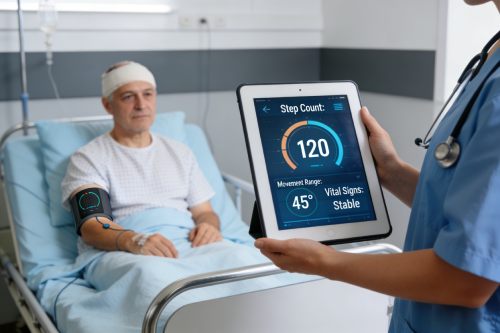
Integrating Wearable Data with Healthcare IT Systems
Collecting data is only the first step; true clinical value depends on seamless integration. Successful deployments connect wearable data to EHR and EMR platforms, enabling unified patient records and real-time analytics that inform better decisions.
EHR/EMR Integration for Unified Patient Records
When wearable data flows directly into electronic health records, clinicians gain a continuous view of patient health. Interoperability standards such as FHIR and HL7 allow data to synchronize securely across systems, ensuring accuracy and consistency from home care to hospital settings.
Analytics Platforms and Clinical Decision Support
AI-powered analytics platforms use pattern recognition to flag potential deterioration events, such as irregular heart rhythms or oxygen drops. These insights help providers prioritize care, allocate resources efficiently, and deliver more precise, proactive interventions.
Benefits for Healthcare Providers and Patients
Beyond safety, IoT wearables offer measurable business and clinical advantages. They increase efficiency, reduce costs, and strengthen relationships between providers and patients.
Improved Clinical Outcomes and Personalized Care
Real-time data helps clinicians tailor treatment plans and monitor adherence more effectively. A 2024 NIH meta-study reported that continuous wearable monitoring reduced hospital readmissions by 17 percent among chronic-care patients. Personalized, data-driven care leads to measurable improvements in long-term outcomes.
Operational Efficiency and Cost Savings
Healthcare organizations using wearable monitoring report lower nursing workloads and reduced inpatient stays. Remote data review can replace some follow-up visits, optimizing staff time while maintaining quality. This efficiency allows institutions to serve more patients with the same resources.
Challenges and Considerations for Wearable Deployment
Despite the potential, implementing wearable technology at scale requires overcoming several barriers. Providers must balance innovation with accuracy, compliance, and patient education.
Data Security and Patient Privacy
IoT healthcare systems handle highly sensitive information, making data protection critical. Compliance with HIPAA and GDPR standards ensures confidentiality, while encryption and access controls maintain data integrity. Building secure systems protects both patient trust and institutional reputation.
Accuracy and Clinical Validation
Not all wearables meet medical-grade performance requirements. Healthcare providers should rely on devices that are FDA-cleared and validated through clinical trials to ensure accurate readings. Reliable data is the foundation of safe and effective care delivery.
Future Trends in Medical IoT and Wearable Health Solutions
The next generation of wearable safety technology will merge hardware innovation with AI-driven behavioral analytics. The future of healthcare IoT wearables is predictive, continuous, and seamlessly integrated into daily life.
AI-Enhanced Wearable Diagnostics
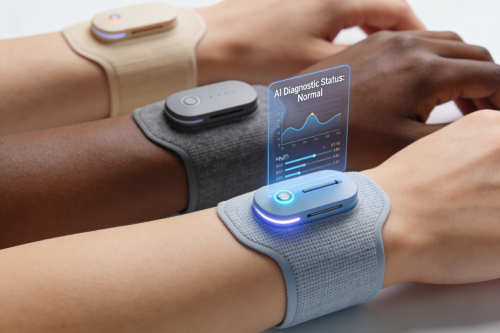
Machine-learning algorithms can now detect subtle anomalies that clinicians might miss, predicting strokes or cardiac events days in advance. By 2030, AI-assisted diagnostics are expected to reduce emergency admissions by nearly 30 percent, marking a shift from reactive to preventive healthcare.
Flexible, Next-Generation Wearable Health Tech
Emerging e-textiles and skin-adhesive sensors allow comfortable, continuous monitoring without intrusive devices. These flexible wearables can integrate into clothing or skin patches, making them ideal for elderly patients or those requiring long-term observation. Comfort-focused design will drive higher adoption and compliance rates.
Conclusion
From intelligent sensors to predictive analytics, wearable safety devices are transforming how healthcare providers deliver care. For B2B partners in telecare, insurance, and health-tech integration, opportunities are expanding rapidly—from OEM and ODM partnerships to secure data-sharing platforms. As connected healthcare ecosystems mature, wearable technology will play a decisive role in delivering safer, more efficient, and more personalized patient experiences.
Frequently Asked Questions
Q1: What are examples of healthcare wearables used by providers?
Common examples include ECG patches, glucose monitors, fall detectors, and remote patient-monitoring sensors.
Q2: How do IoT wearables improve patient safety?
They track vital signs in real time, alerting healthcare teams to early risks and preventing emergencies.
Q3: Are medical wearables clinically accurate?
Most healthcare-grade devices undergo FDA clearance and validation through clinical testing to ensure accuracy.
Q4: What challenges exist when adopting wearable technology?
The main challenges are data integration, cybersecurity, interoperability, and patient education.
Q5: How can hospitals integrate wearable data into EHR systems?
Using FHIR or HL7 protocols, wearable data can securely sync with electronic health records.
Q6: What’s next for healthcare IoT wearables?
AI-driven predictive monitoring and flexible sensor technologies will expand smart, connected care networks.