
Why IoT Safety Matters for Lone and Remote Workers?
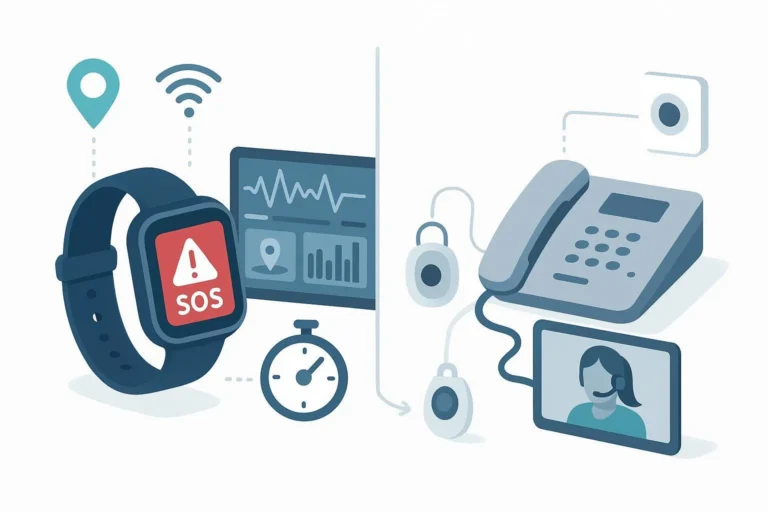
As industries expand into remote and flexible work environments, protecting employees who work alone or off-site has become a growing challenge. Traditional safety procedures—like manual check-ins or radio calls—are often too slow or unreliable when emergencies occur. That’s where IoT safety for employees brings meaningful change.
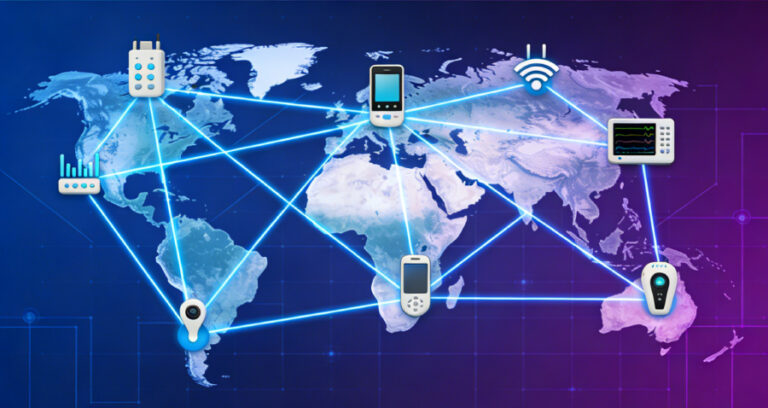
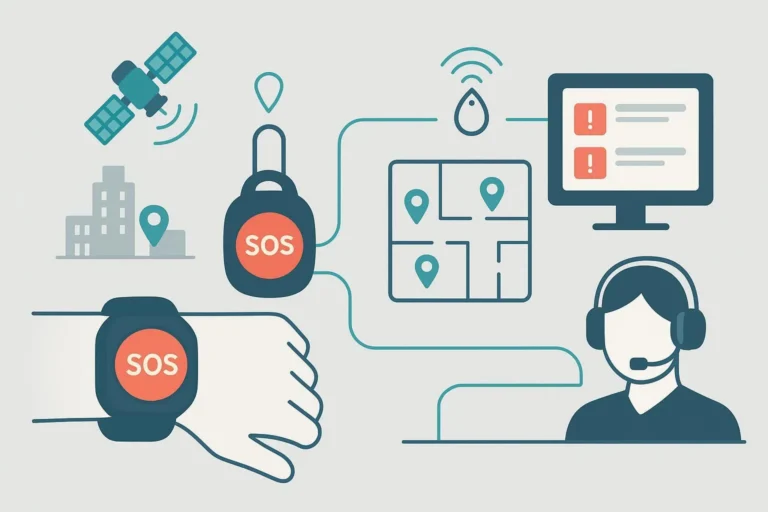
By connecting workplace safety devices across wearables, sensors, and software, companies gain real-time visibility into their teams’ well-being. From lone field technicians to on-site contractors, IoT-powered systems help prevent minor risks from turning into serious incidents. Proactive protection keeps workers connected, even when they’re alone.
What Is IoT Safety for Employees?
Before understanding the benefits, it’s important to clarify what IoT safety really means in the workplace.
Defining IoT in Workplace Safety
IoT safety for employees combines smart devices—like wearable trackers, location beacons, and environmental sensors—that gather and transmit live data about workers and their surroundings. These connected systems continuously monitor movement, temperature, air quality, and other indicators. When an abnormal reading occurs, the workplace safety device automatically triggers an alert, allowing quick intervention.
How It Supports Lone and Remote Work
For lone or remote workers, this constant monitoring becomes a digital safety lifeline. If someone falls, remains inactive, or enters a hazardous area, the IoT system can detect it instantly and send alerts to supervisors. This automation replaces uncertainty with visibility and confidence. IoT safety bridges the gap between isolated work and responsive support.
Workplace Safety Challenges Faced by Lone and Remote Workers
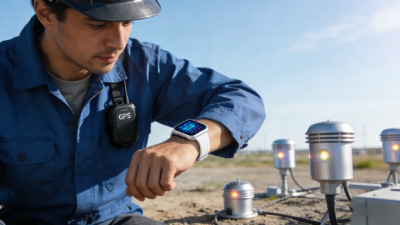
Despite growing awareness, many organizations still struggle to protect employees outside direct supervision. Workplace safety devices are specifically designed to address these challenges.
Higher Risk Environment
Working alone often means slower response times in case of injury or illness. A worker may be out of sight but not out of danger. Without connected safety systems, even a minor accident could escalate quickly. IoT-enabled monitoring reduces this risk by automatically detecting distress signals and alerting the right personnel immediately.
Limited Communication and Monitoring
Another challenge is a limited communication infrastructure. Remote areas—construction zones, oil fields, delivery routes—can lack stable coverage or oversight. IoT safety for employees solves this by maintaining constant digital contact, ensuring no worker is ever truly “out of reach.” Continuous connection keeps remote operations safer and more accountable.
Core Benefits of IoT Workplace Safety Devices
Once IoT systems are in place, companies begin seeing measurable improvements in worker safety, response time, and compliance.
Real-Time Monitoring and Alerts
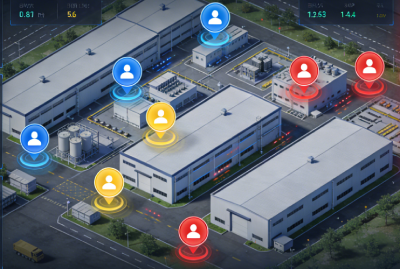
IoT-enabled workplace safety devices provide real-time updates on each employee’s location, movement, and environment. If a worker stops moving or encounters abnormal conditions, an instant alert goes to the safety manager. This immediate awareness can mean the difference between rapid rescue and delayed response.
Predictive Insights and Hazard Detection
Beyond reacting to incidents, IoT safety platforms analyze patterns and trends. For example, repeated alerts in one zone may indicate environmental issues needing preventive maintenance. Predictive insights help managers anticipate risks rather than just respond to them. Prevention becomes part of the process.
Improved Compliance and Reporting
For businesses in regulated industries, IoT systems automatically log safety data. These reports help maintain OSHA or ISO compliance while simplifying audits. Real-time reporting turns safety from a burden into a continuous, verifiable process. Better documentation strengthens both safety culture and accountability.
Key Types of IoT Safety Devices in the Workplace
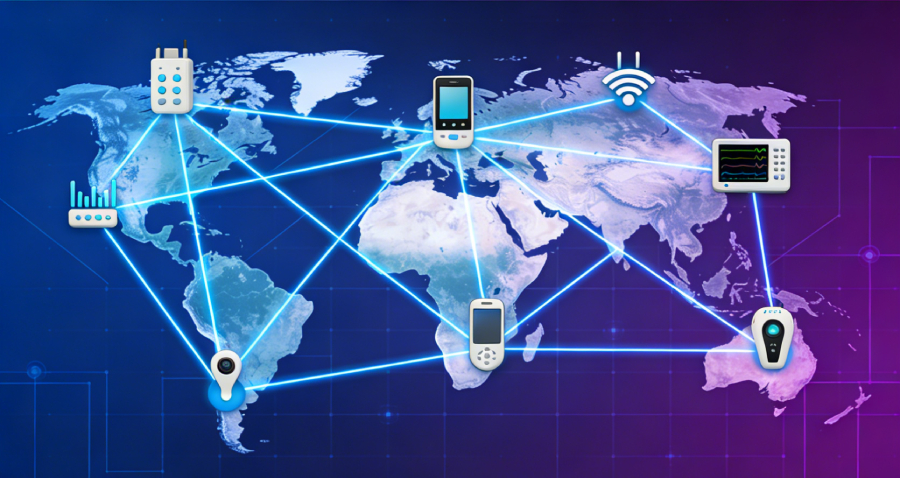
To apply IoT safety effectively, it helps to understand the device ecosystem. Different workplace safety devices serve different needs—but together, they form an integrated protection network.
Wearable Safety Devices
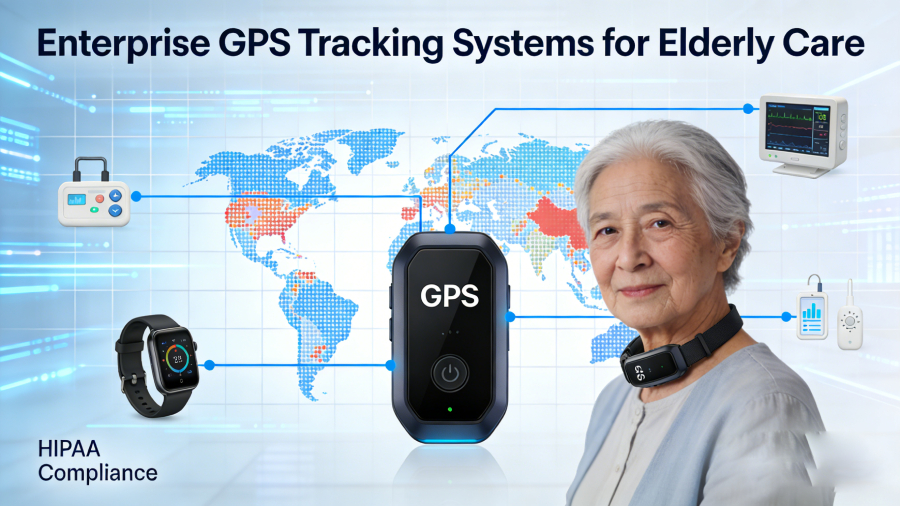
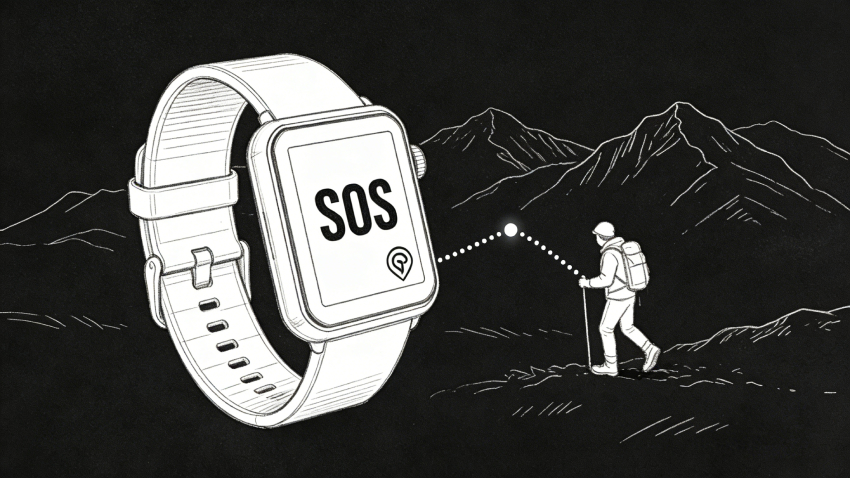
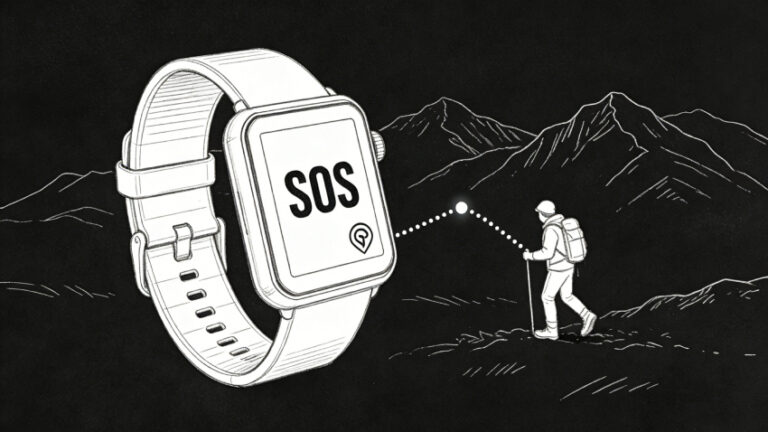
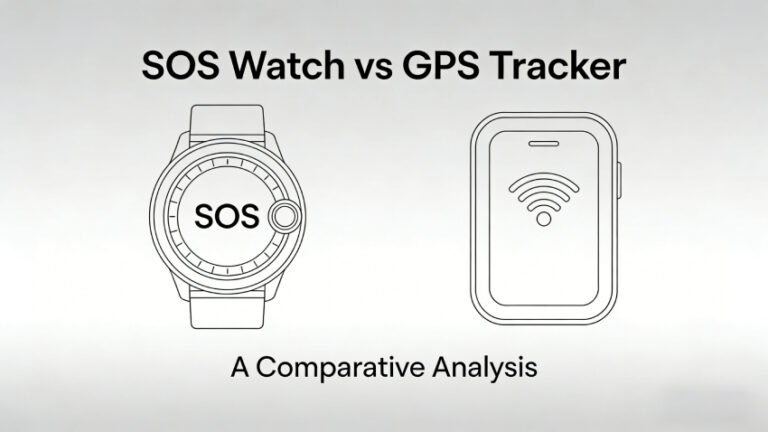
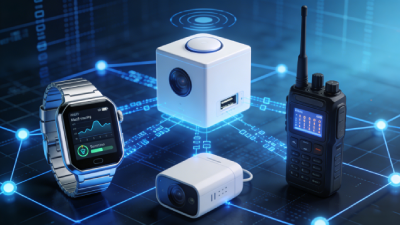
Wearables like GPS trackers, SOS watches, and smart bands track a worker’s movement and alert systems in case of falls or health anomalies. They’re especially useful for technicians, delivery drivers, and maintenance crews who often work alone.
Environmental Sensors
IoT environmental sensors continuously monitor air quality, temperature, humidity, or gas levels in confined spaces or industrial sites. When conditions exceed safety thresholds, alerts are triggered instantly. This helps prevent injuries related to heat stress, chemical exposure, or oxygen depletion.
Connected Communication Tools
Smartphones and IoT-integrated communication apps allow employees to stay in touch with command centers. Push-to-talk and SOS features enable workers to request assistance at the first sign of trouble. Together, these tools create a 360° safety ecosystem built around connectivity and awareness.
How IoT Devices Improve Emergency Response and Communication
Every minute matters in an emergency. IoT technology transforms response systems from reactive to proactive.
Automated Alerts and Location Tracking
When a workplace safety device detects distress, it immediately sends alerts with GPS coordinates. This accuracy allows rescue teams to locate the affected employee faster, even in large facilities or remote locations.
Two-Way Communication
Beyond alerts, many IoT devices enable direct communication between workers and safety responders. This real-time interaction ensures that incidents are handled efficiently and calmly. By combining automation with human communication, IoT systems create faster and more effective emergency responses.
Real-World Use Cases Across Industries
From construction to healthcare, IoT safety for employees is redefining how businesses manage risk and protect people.
Construction and Field Services
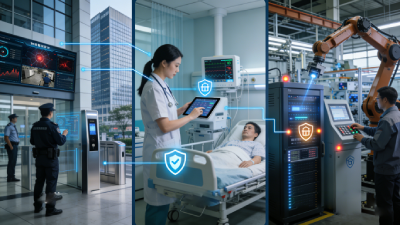
Construction sites are among the most dangerous workplaces. IoT wearables monitor fall risks, and sensors detect structural instability. Real-time alerts allow managers to respond instantly, improving compliance and reducing downtime.
Healthcare and Home Services
Lone healthcare workers visiting patients can use IoT-enabled wearables to trigger SOS alerts during emergencies. These devices support duty-of-care obligations and increase confidence in field safety.
Industrial and Manufacturing
Factories and industrial plants benefit from IoT sensors that track air quality, gas leaks, and machine vibration. Constant monitoring prevents equipment failures and workplace injuries. No matter the sector, IoT makes safety measurable and manageable.
Choosing the Right IoT Safety Solution for Your Workplace
Selecting the right workplace safety device requires balancing technology, usability, and scalability. The right system should integrate easily and adapt as your workforce grows.
Assess Coverage and Connectivity
Begin by mapping out your work environments. Determine where cellular or satellite coverage is strongest, and ensure all IoT safety devices can maintain reliable connections. Without dependable connectivity, alerts lose their effectiveness. Strong networks are the backbone of real-time safety.
Platform Integration and Scalability
Your IoT platform should integrate seamlessly with existing safety management systems. As your organization expands, it should handle more devices without adding complexity. Centralized dashboards simplify oversight and performance tracking.
Support and Lifecycle Management
Beyond setup, long-term reliability depends on consistent support and training. Choose vendors that offer regular updates, maintenance, and onboarding resources. Sustained care keeps every safety device working as intended.
Challenges and Considerations in IoT Safety Deployment
While benefits are clear, implementing IoT safety for employees comes with certain challenges that require thoughtful planning.
Data Privacy Concerns
Collecting health and location data raises privacy questions. Companies must set clear policies on who can access this information and how it’s stored. Transparency and compliance with local regulations build trust among employees.
Implementation Costs and Resistance
Initial investment and employee hesitation can slow adoption. Demonstrating the system’s value—by linking it directly to worker safety—helps overcome resistance. Early engagement ensures smoother rollout and stronger support.
Network and Technology Limitations
In rural or enclosed environments, connectivity may be inconsistent. Building redundancy into your IoT architecture helps maintain performance during outages. Proper planning keeps your system dependable under pressure.
Best Practices for Rolling Out IoT Safety Devices
To make IoT deployment successful, treat it as a step-by-step transformation rather than a one-time setup.
Phased Deployment Approach
Start small with pilot programs in high-risk zones. Collect feedback, adjust settings, and validate the process before scaling across sites. This approach minimizes disruption while maximizing impact.
Worker Training and Engagement
Employees must understand not just how to use devices but why they matter. Clear communication builds acceptance and accountability. Trained workers make IoT safety more effective.
Regular Review and Optimization
Once deployed, monitor performance regularly. Adjust alert thresholds, replace outdated devices, and review reports quarterly. Continuous improvement keeps systems aligned with evolving safety standards. Reviewing results ensures ongoing success.
Future Trends: IoT Safety and the Connected Worker
The future of workplace safety devices is intelligent, connected, and predictive.
AI and Predictive Analytics
AI enhances IoT safety systems by detecting subtle data patterns that humans might miss. It can forecast potential hazards and recommend preventive actions, transforming reactive safety into predictive management.
Enhanced Connectivity (5G & Beyond)
With faster networks like 5G, IoT devices will share information instantly—even in challenging environments. This evolution will make employee safety systems more reliable, efficient, and scalable. Connectivity continues to shape the future of safety.
Workplace Safety Metrics
| Metric | Value (U.S.) |
|---|---|
| OSHA recordable injury rate (2021) | 2.7 per 100 workers |
| Fatal work injuries (2021) | 5,190 |
| Fall-related fatalities (construction) | 38.4% |
Measuring safety performance helps companies see where IoT protection makes the biggest difference.
Conclusion
From factories to fieldwork, IoT safety devices are helping organizations protect employees through continuous monitoring and faster emergency responses. By combining data-driven insights with human decision-making, these systems reduce risk and strengthen safety culture. Smart technology creates safer workplaces—one connection at a time.
About Eview

FAQ
1. What is an IoT workplace safety device?
It’s a connected tool—such as a wearable or sensor—that monitors workers and sends alerts when risks are detected.
2. How do IoT devices protect lone workers?
They track movement and location, detect inactivity, and trigger alerts if something goes wrong.
3. Are IoT safety systems compliant with workplace regulations?
Most systems support compliance by recording incidents, alerts, and response logs automatically.
4. What industries benefit most from IoT safety solutions?
Construction, manufacturing, logistics, and healthcare rely heavily on IoT safety for employees in isolated conditions.
5. Do these devices work in remote or low-signal areas?
Yes, many systems use cellular, satellite, or mesh networks to maintain reliable coverage.
6. Can IoT safety devices really reduce accidents?
By enabling faster detection and response, IoT systems help lower incident rates and improve safety outcomes.