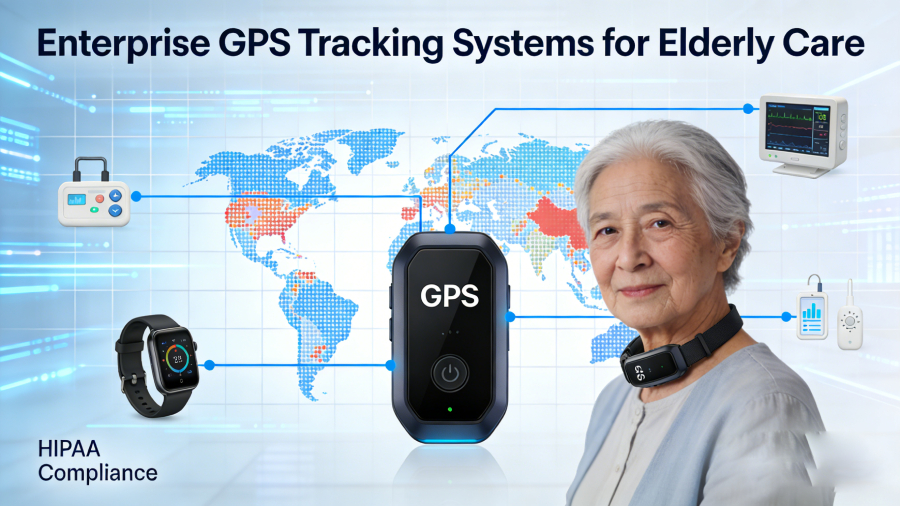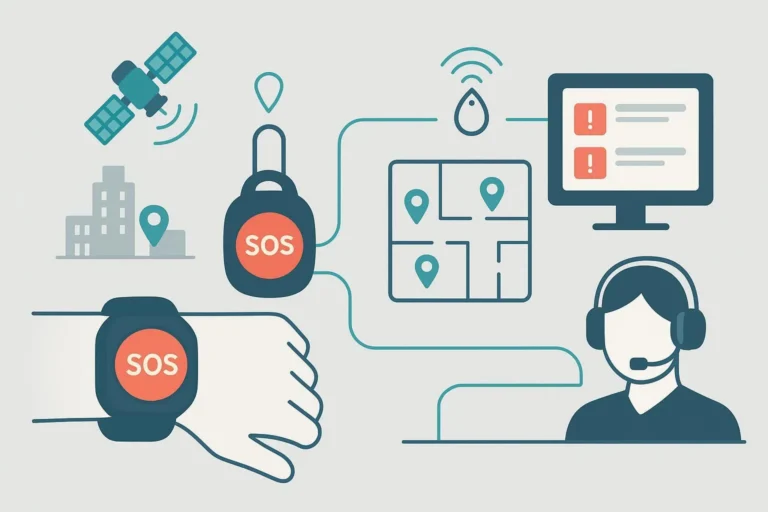
Certifications and cellular needs are crucial for mPERS devices. These devices help keep users safe and efficient, especially for those who require extra care. However, regulations vary significantly across different regions. For instance, the EU emphasizes comfort in its certification rules, while Australia prioritizes user training and risk identification.
Understanding the importance of location-based technology is essential when selecting mPERS vendors. Manufacturers must ensure their devices hold key certifications, such as 4G compliance, as 3G networks are being phased out. The varying network conditions in each region can pose additional challenges for manufacturers.
| Region | Certification Requirement | Description |
|---|---|---|
| Australia | Essential Principles | Outlines rules for user training and risk identification. |
| EU | Essential Requirements | Similar to Australia’s regulations but places greater emphasis on user comfort. |
| Both | CE Certificates | Can be utilized to support applications for medical devices in Australia. |
Key Takeaways
- mPERS devices need special certifications for safety and effectiveness. This is important for user trust and market access.
- In the EU, getting a CE marking is necessary. This shows that the device follows safety, health, and environmental rules.
- In the US, FCC compliance and UL certification are important. These certifications make sure devices are safe and follow communication standards.
- Australia needs compliance with local rules, including the RCM mark. This mark shows that devices meet safety and telecommunications needs.
- Regularly check for updates on rules. Staying informed helps keep compliance and protects your business.
EU Compliance
In the European Union, it is very important for mPERS devices to follow certain certifications. These certifications help make sure your devices are safe and work well. This is key for gaining user trust and being allowed in the market.
CE Marking
The CE marking shows that your device meets EU safety, health, and environmental rules. This marking is required for many products sold in the EU. To get the CE marking, you need to do these steps:
- Identify Applicable Directives: Find out which EU rules apply to your device. For mPERS devices, the Medical Device Regulation (MDR) and the Radio Equipment Directive (RED) usually matter.
- Conduct a Conformity Assessment: This assessment checks if your device meets the key requirements in the relevant rules. You might need to work with a notified body for this step.
- Compile Technical Documentation: Create a technical file that includes design details, risk assessments, and test results.
- Affix the CE Marking: After finishing the assessment and documentation, you can put the CE marking on your device.
RED Directive
The Radio Equipment Directive (RED) is about the safety and electromagnetic compatibility (EMC) of radio equipment. This directive makes sure your mPERS devices work well without interfering with other devices. Key requirements include:
- Safety Requirements: Your devices must not be dangerous to users or other equipment.
- EMC Requirements: Make sure your devices can work without causing or being affected by electromagnetic interference.
- Efficient Use of the Radio Spectrum: Your devices must use the radio spectrum wisely to avoid crowding and ensure good communication.
EN Standards
Following EN standards is very important for the safety and performance of your mPERS devices. These standards give guidelines for different parts of device design and testing. Here are some important EN standards for mPERS devices:
| Standard | Topic |
|---|---|
| EN ISO 10993-10 | Skin sensitization |
| EN ISO 10993-17 | Toxicological risk assessment |
| EN ISO 10993-18 | Chemical characterization |
| EN ISO 10993-23 | Skin irritation and intracutaneous reactivity |
| EN ISO 11737-1 | Presence of microorganisms |
| EN ISO 11737-2 | Sterilization validation |
| EN ISO 17664-1 | Reprocessing of critical and semi-critical devices |
| EN ISO 17664-2 | Reprocessing of non-critical devices |
| EN ISO 11607-1 | Requirements for sterile barrier systems and packaging systems |
| EN ISO 11607-2 | Validation of forming, sealing, and assembly processes |
By following these standards, you can make sure your devices are safe and work well for users.
US Regulations

In the United States, mPERS devices need to follow certain rules and certifications. This is important for safety and effectiveness. Manufacturers and developers must understand these requirements to enter the market.
FCC Compliance
The Federal Communications Commission (FCC) controls telecommunications in the US. To get FCC compliance for your mPERS devices, do these steps:
- Find out which FCC rules apply to your product.
- Identify the Equipment Authorization Procedure(s) needed for your product.
- Test for compliance at an authorized lab.
- Get the necessary approval.
- Label your product with required information and include compliance details in the user manual. Keep compliance records.
- After completing these steps, you can make, import, and sell your product.
By doing these steps, you ensure your devices meet the standards for operation in the US telecommunications environment.
UL Certification
Underwriters Laboratories (UL) certification is also important for mPERS devices. This certification focuses on safety and performance. Getting UL certification means your devices go through strict testing to ensure they are safe for consumers. Here are some key points about UL certification:
- UL tests devices for electrical safety, fire risks, and environmental effects.
- Certification shows consumers that your product meets high safety standards.
- It can improve your brand’s reputation and build consumer trust.
Getting UL certification can be a great benefit for your mPERS devices, as it assures users of their safety and reliability.
FDA Regulations
The Food and Drug Administration (FDA) regulates medical devices in the US, including mPERS devices. The FDA’s Center for Devices and Radiological Health (CDRH) checks the safety and effectiveness of these products before they are sold. Here’s how FDA regulations affect your devices:
| Source | Description |
|---|---|
| Overview of Device Regulation | The FDA regulates companies that make, repackage, relabel, or import medical devices, ensuring safety and effectiveness before selling. |
| How to Study and Market Your Device | Medical devices must follow the FD&C Act and 21 CFR rules, which depend on the device’s risk level, affecting design and marketing plans. |
| Entering the US medical device market | Different regulatory paths need different documents and tests, affecting the development process and costs for manufacturers. |
To follow FDA regulations, you must do thorough testing and documentation. This process ensures your mPERS devices are safe for users and meet the standards for medical devices.
By knowing and following these US regulations, you can successfully navigate the compliance landscape for your mPERS devices. This knowledge helps you meet legal requirements and improves the safety and effectiveness of your products.
Australian Standards
In Australia, it is very important for mPERS devices to follow local standards. You need to make sure your devices meet the rules set by the Australian Communications and Media Authority (ACMA) and other important groups.
ACMA Compliance
To get ACMA compliance for your mPERS devices, do these steps:
| Step | Description |
|---|---|
| 1 | Make sure you meet the Regulatory Compliance Mark (RCM) rules, which are shared by ACMA and ERAC. |
| 2 | Follow the ACMA’s TLN: Telecommunications (Labelling Notice for Customer Equipment and Customer Cabling) Instrument 2015, which requires following the Telecommunications (Mobile Equipment Air Interface) Technical Standard 2018. |
| 3 | Collect the needed documents for AS/CA S042.1 and AS/CA S042.4 checks, including tests for emergency service access and Manufacturer’s Declaration of Conformity (DoC). |
| 4 | Make sure you follow all technical rules, including EMC, telecommunications, electrical safety, and radiocommunications. |
Doing these steps helps you manage compliance well.
RCM Mark
The RCM mark is very important for showing that you meet Australian safety and telecommunications standards. Here are the main requirements to get the RCM mark for your mPERS devices:
| Requirement | Description |
|---|---|
| Certification | You need acceptable FCC or CE reports. |
| Testing | Test reports must come from an ILAC-MRA or recognized body accreditation. You may need extra tests to meet Australian standards. |
| Compliance Folder | You need a local Compliance Folder Holder registered with ACMA. |
| Local Importer | You need local importer details when the importer/distributor sells the product in Australia. |
| Battery Compliance | Products with button (coin cell) batteries need compliance testing and must have child-resistant packaging. |
| Certificate Validity | The certificate lasts for 5 years unless the product changes. |
The RCM mark covers electrical safety and electromagnetic compatibility (EMC), making sure your devices are safe for users.
AS/CA S042.4
AS/CA S042.4 explains the rules for connecting to telecommunications networks. This standard applies to your mPERS devices, ensuring they meet important technical requirements. Key points include:
| Requirement | Description |
|---|---|
| Compliance Standard | AS/CA S042.4, Requirements for Connection to an Air Interface of a Telecommunications Network—Part 4: IMT Customer Equipment |
| Testing Requirements | Must include checks for emergency service access and meet technical standards for 3G and 4G technologies. |
| Documentation | Includes cellular module test reports to FCC and ETSI standards, Manufacturer’s Declaration of Conformity (DoC), and radiated spurious emissions test reports. |
By following these standards, you make sure your mPERS devices are compliant and safe for users in Australia.
Key Certifications for mPERS Devices
Global Certification Overview
When you make mPERS devices, you need to think about important certifications. These help you follow the rules in different areas. Here’s a list of key global certifications:
- FCC Certification: Needed for devices sold in the U.S. to meet electromagnetic interference rules.
- CE Marking: Shows compliance for devices sold in the EEA with EU rules.
- CB Scheme: An international program for getting certifications accepted by many countries.
- IC Certification: Required in Canada to meet technical standards.
- C-Tick Mark: Shows compliance in Australia and New Zealand.
- CCC Mark: Needed in China for safety and environmental rules.
- GOST-R Mark: Certifies compliance in Russia.
- KCC Certification: Required in South Korea for safety and electromagnetic compatibility.
- MIC Certification: Needed in Japan for telecommunications devices.
- ANATEL Certification: Required in Brazil for technical and safety rules.
- Taiwan NCC Certification: Needed in Taiwan for radio frequency emissions.
- MSIP Certification: Required in South Korea for safety and electromagnetic compatibility.
These certifications help make sure your devices are safe, healthy, and meet environmental standards worldwide.
Regional Certification Differences
Every area has its own certification rules. This can make it hard to enter the market. Here’s a summary of the challenges you might face if you don’t comply:
| Barrier Type | Description |
|---|---|
| Regulatory Framework | Each country has its own rules for medical devices, making compliance tricky. |
| Legal Penalties | Not following the rules can lead to legal actions, recalls, and fines. |
| Market Access | Not complying limits access to markets, hurting competitiveness. |
You need to focus on compliance to avoid these problems. Not following the rules can lead to legal issues and loss of trust. Making sure your mPERS devices have the right certifications ensures safety, quality, and effectiveness. This commitment to compliance protects users and boosts the reliability of your devices.
By following these key certifications, you set your mPERS products up for success in the global market.
In conclusion, knowing about certifications and cellular needs is very important for mPERS devices. Following the rules helps you enter the market and keeps consumers safe. You should always check for updates on regulations to get help from the government. This help can support remote health solutions and grow your market.
Not following the rules can cause big problems, like legal issues, fines, and losing your certification. To stay compliant, think about these best practices:
- Work with skilled manufacturers.
- Keep detailed records of your policies and procedures.
- Use a strong quality management system.
By focusing on compliance, you protect your business and keep your users safe.
FAQ
What is an mPERS device?
An mPERS device stands for Mobile Personal Emergency Response System. It helps keep users safe, especially older people. It has features like GPS tracking, fall detection, and SOS alerts.
Why are certifications important for mPERS devices?
Certifications make sure your mPERS devices are safe and work well. They help users trust your product and allow you to sell in different markets.
How can I ensure my mPERS device complies with regulations?
You can make sure your device follows the rules by researching the right regulations, doing necessary tests, and getting the needed certifications. Working with skilled manufacturers can also help.
What are the main certifications for mPERS devices in the US?
In the US, important certifications include FCC compliance, UL certification, and FDA regulations. These certifications ensure that medical devices are safe and effective.
How often should I check for regulatory updates?
You should check for updates on regulations regularly, at least once a year. Staying informed helps you keep compliant and adjust to any market changes.