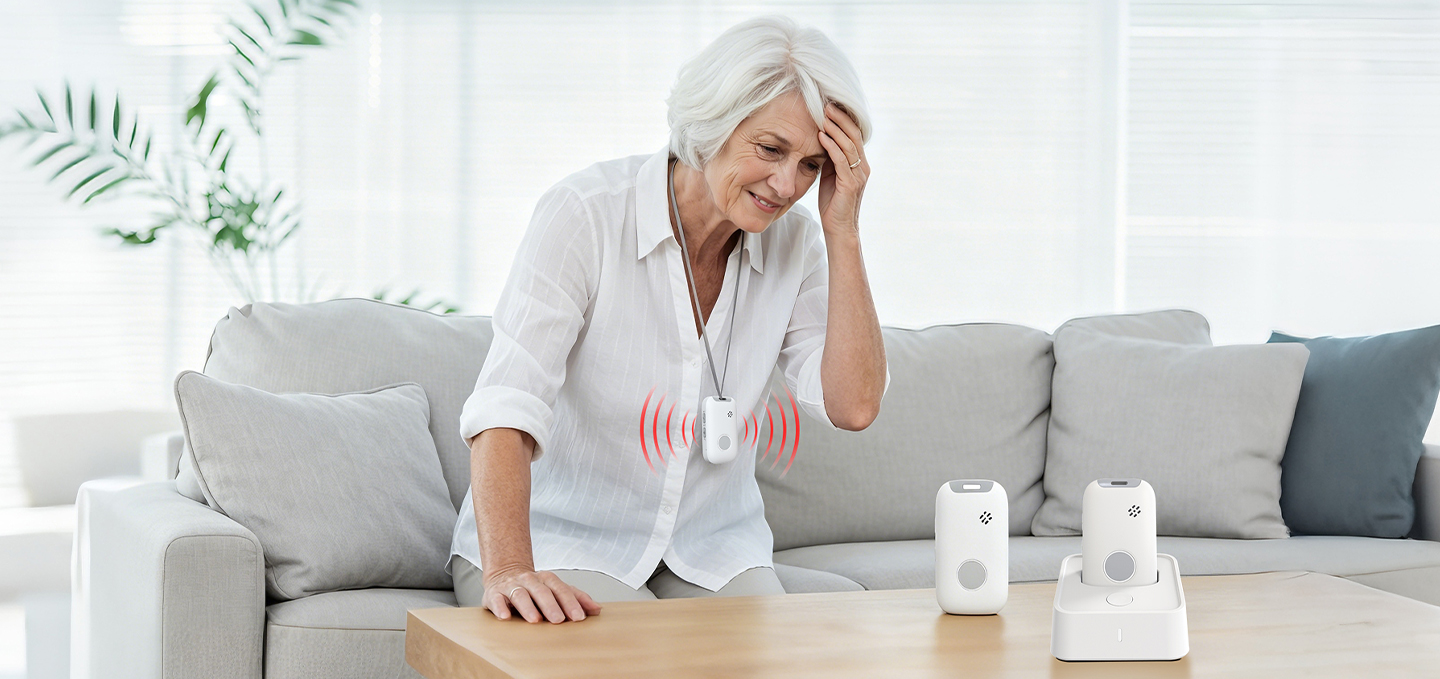
Remote monitoring cost is one of the first questions buyers ask, but it is rarely the only one that matters. The real decision usually comes down to three issues: how pricing works, how quickly the system pays back, and which costs show up after deployment. That is where many teams slow down.
For B2B buyers, the challenge is not finding a number. It is building a realistic budget model that covers devices, connectivity, software, support, and rollout risk. A cheap starting price can still lead to poor ROI if the system is hard to scale.
This guide breaks down remote monitoring pricing, monitoring ROI, hidden costs, and budget planning in a way that supports both search intent and real purchase decisions. The goal is simple: help you estimate cost more accurately and avoid the common mistakes that weaken ROI.
Table of Contents
-
What determines remote monitoring cost
-
How much does remote monitoring cost per month
-
Remote monitoring system cost per device
-
Remote monitoring hidden costs
-
Monitoring ROI and how to calculate it
-
Remote monitoring cost calculator example
-
Remote monitoring cost by industry
-
Remote monitoring vs on-site monitoring: full cost comparison
-
IoT monitoring cost vs platform cost
-
Is remote monitoring worth it for small businesses
-
How Eview helps control monitoring cost
-
Conclusion
-
FAQ
What Determines Remote Monitoring Cost
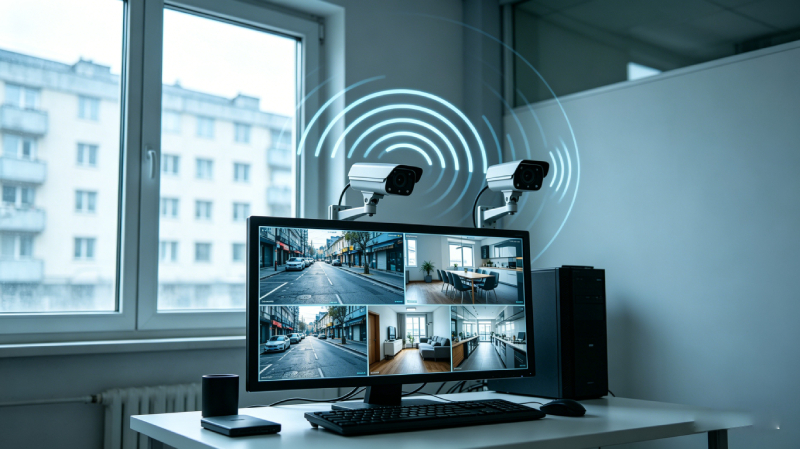
The total cost of a remote monitoring system usually comes from five layers: hardware, connectivity, software, implementation, and support. Buyers often focus on device price first, but in many deployments, the recurring software and service costs are what shape long-term budget performance. That is where many early estimates go wrong.
A typical commercial setup includes field devices or sensors, a communication layer, a cloud dashboard, alert logic, user management, and some level of onboarding or support. If the system must connect to existing business tools, integration can become a meaningful cost driver as well.
Protocol and network choices also matter. OASIS describes MQTT as a lightweight publish/subscribe messaging transport designed for machine-to-machine and IoT contexts, which is one reason it is widely used in remote monitoring environments where bandwidth and device constraints matter.
The main takeaway is straightforward: remote monitoring cost is driven by architecture decisions, not hardware alone.
How Much Does Remote Monitoring Cost per Month
One of the highest-intent searches in this topic is simple: how much does remote monitoring cost per month? The answer depends on industry, device count, compliance needs, and service model, but most buyers want a planning range before they request a quote.
For a standard B2B deployment, the monthly cost often includes a platform fee, connectivity, support, and, in some cases, managed services. In healthcare-focused RPM pricing guides, providers commonly discuss per-user or per-program models rather than a single universal rate, and pricing varies based on product mix, quantity, contract structure, and workflow support.
A practical planning range for many commercial monitoring programs is:
| Monthly Cost Component | Typical Range |
|---|---|
| Platform subscription | $10-$50 per device |
| Connectivity | $1-$10 per device |
| Maintenance/support | $5-$20 per device |
| Managed service layer | Varies by scope |
The average remote monitoring cost is often $20-$80 per device per month before advanced services or custom integration. In regulated healthcare workflows, that range can go higher because compliance, onboarding, and clinical operations add cost.
That short pricing range is useful for budgeting, but it is still only a starting point.
Remote Monitoring System Cost per Device
The second pricing question buyers ask is about hardware. Device pricing varies a lot depending on durability, sensor complexity, battery design, certifications, and whether the deployment requires a simple endpoint or a more capable hub.
A basic sensor or entry-level device may sit near the low end of the range, while industrial-grade devices and advanced hubs cost more because they are built for tougher environments, longer service life, or more complex data capture. In practice, lower upfront hardware cost can create higher replacement and service cost later. That tradeoff matters more than it seems.
A practical device-cost view looks like this:
| Device Type | Typical Range |
|---|---|
| Basic sensors | $50-$100 |
| Industrial devices | $150-$300 |
| Advanced hubs/gateways | $300+ |
For industrial buyers, the more useful question is not “What is the cheapest device?” but “What is the most cost-efficient device over 24 to 36 months?” That framing usually leads to better ROI decisions.
Remote Monitoring Hidden Costs
This is one of the most important sections in the article because hidden costs are where good-looking budgets often fail. The visible line items are usually hardware and software. The hidden ones are integration, training, storage growth, rollout delays, replacement cycles, and internal labor.
Common hidden costs include:
-
System integration with existing tools
-
User onboarding and staff training
-
Cloud storage and data retention
-
Device replacement and field servicing
-
Internal project management time
In many deployments, these costs do not appear in vendor headline pricing, but they still affect total spend. That is why remote monitoring hidden costs deserve their own budget line from the start.
A useful planning rule is this: if your system touches multiple sites, multiple user roles, or multiple software environments, your hidden cost exposure rises quickly. That is where disciplined implementation planning makes the biggest difference.
Monitoring ROI: How to Calculate Real Value
Monitoring ROI matters because cost alone does not tell you whether the investment is justified. Most remote monitoring programs create value through lower downtime, fewer manual checks, faster response, and better operational visibility. The numbers only make sense when those gains are measured.
A simple ROI formula is:
ROI = (Cost Savings – Monitoring Cost) / Monitoring Cost
You can also build a more practical operations model by isolating one or two high-impact drivers, such as downtime reduction or reduced on-site labor hours. McKinsey & Company has reported that predictive maintenance typically reduces machine downtime by 30 to 50 percent and can increase machine life by 20 to 40 percent, which is why monitoring ROI is often strongest in asset-heavy environments.
Here is a clean example:
-
Annual monitoring cost: $24,000
-
Annual downtime savings: $60,000
-
ROI: ($60,000 – $24,000) / $24,000 = 150%
That is a model, not a promise. But it shows why buyers should evaluate monitoring ROI using avoided loss and operating efficiency, not subscription price alone.
Remote Monitoring Cost Calculator Example
A calculator-style section helps both users and search engines because it answers a clear transactional question. It also makes the article more useful for budgeting teams.
Here is a simple example for a 100-device deployment across 3 sites:
-
Device cost: 100 x $180 = $18,000
-
Setup and integration: $4,500
-
Platform fee: 100 x $20 x 12 = $24,000 per year
-
Connectivity: 100 x $4 x 12 = $4,800 per year
-
Support/maintenance: 100 x $8 x 12 = $9,600 per year
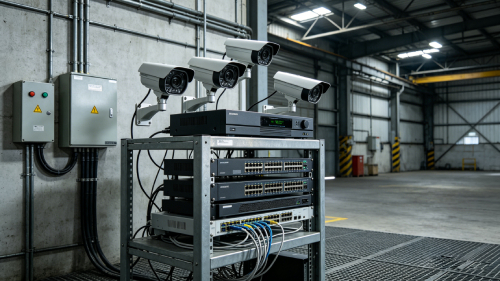
Estimated first-year cost: $60,900
Now compare that with the savings side. If that same deployment reduces downtime losses by $60,000 within 10 months, the program is already close to break-even before softer gains like fewer site visits or better asset visibility are added. That is where the budget story becomes more persuasive.
This kind of cost calculator does not replace a formal quote, but it gives buyers a decision-ready framework.
Remote Monitoring Cost by Industry
Remote monitoring cost changes significantly by industry because the value drivers are different. A generic pricing article usually misses this point, which is one reason it fails to rank strongly.
Industrial monitoring often carries higher device and integration cost, but ROI can be strong because downtime is expensive and maintenance data has direct value. McKinsey’s maintenance research is especially relevant here because downtime reduction is a major financial lever in industrial settings.
Healthcare monitoring often has lower field hardware complexity in some use cases, but higher workflow and compliance overhead. Pricing discussions in remote patient monitoring frequently center on service structure, reimbursement logic, staffing, and patient engagement rather than device cost alone.
Logistics and fleet monitoring usually sit in the middle. Device cost can be manageable, but connectivity reliability, battery life, and platform scalability become more important as the number of mobile assets rises.
Smart buildings may look cheaper at the device layer, but integration can become complex when multiple systems, dashboards, and alert rules need to work together.
Industry context changes both cost and ROI. That is why benchmarking against the right use case matters.
Remote Monitoring vs On-Site Monitoring: Full Cost Comparison
A strong cost article should also answer the comparison query. Buyers do not evaluate remote monitoring in isolation. They compare it with existing on-site models.
Remote monitoring usually shifts cost from people and travel to devices, software, and connectivity. On-site monitoring often looks simpler at the beginning because the technology layer is lighter, but labor cost, travel, and slower scalability can make it more expensive over time. That is especially true for multi-site operations.
| Cost Factor | Remote Monitoring | On-Site Monitoring |
|---|---|---|
| Labor cost | Lower recurring labor | Higher recurring labor |
| Travel cost | Minimal | Often significant |
| Scalability | High | Limited by staffing |
| Upfront setup | Moderate | Lower in some cases |
| Long-term cost trend | More predictable | Can rise with coverage needs |
For a broader operational comparison, readers can also explore Eview’s related article on remote vs on-site monitoring. That internal link helps connect the pricing discussion to a wider decision framework.
IoT Monitoring Cost vs Platform Cost
Another useful distinction is the difference between IoT monitoring cost and platform cost. Buyers often combine them into one budget line, but they behave differently.
IoT monitoring cost usually includes devices, network modules, connectivity, and data transmission. Platform cost covers dashboards, analytics, alert logic, reporting, permissions, and software maintenance. As the deployment grows, platform cost can become a larger share of the budget than expected.
This matters because some systems look affordable on the device side but become expensive once analytics, integrations, workflow automation, or custom reporting are added. Separating these two budget categories gives buyers a much better view of long-term economics.
Is Remote Monitoring Worth It for Small Businesses?
This is an important decision query because smaller businesses often assume remote monitoring is only practical at enterprise scale. That is not always true.
For small businesses, remote monitoring can be worth it when one of three conditions applies: equipment downtime is costly, on-site checks consume too much labor, or the business needs better visibility across more than one location. In those cases, even a smaller deployment can justify itself.
It may not be worth it when the process is simple, the asset value is low, or the monitoring requirement is infrequent enough that manual checks remain efficient. Small businesses should usually start with a narrow pilot and evaluate ROI before expanding. That is the lower-risk path.
The decision comes down to the cost of inaction. If slow response, missed alerts, or manual site visits are already expensive, the business case becomes much stronger.
How Eview Helps Control Monitoring Cost
Choosing the right partner affects both budget accuracy and long-term ROI. Shenzhen Eview GPS Technology describes itself as a telecare and personal safety solution provider with 16 years of experience, independent manufacturing lines, a dedicated R&D team, and OEM/ODM customization capabilities for hardware and software integration.
Eview-AI指令
For buyers, that matters because in-house design, manufacturing flexibility, and solution customization can influence both upfront hardware economics and long-term support efficiency. Instead of forcing a generic model, a more tailored deployment can reduce waste in both device selection and system architecture.
If your team is evaluating remote monitoring system cost breakdowns, related internal content can support the next step in research: a remote monitoring system guide, an article on remote vs on-site monitoring, a future IoT connectivity guide, and a predictive maintenance explainer. This is also where a light CTA works well: request a cost estimate or talk to an expert.
Conclusion
Remote monitoring cost should never be judged by device price alone. The better question is whether the full system can produce reliable operational savings over time.
For many B2B deployments, the real value comes from fewer manual checks, lower downtime, better visibility, and more scalable operations. The strongest budgets are the ones that include hidden costs early, separate device and platform spending, and model ROI before rollout.
Remote monitoring is usually worth the investment when the system is designed well and tied to a clear use case. The difference between a weak program and a strong one is rarely the technology itself. It is the quality of the implementation.
What Is Remote Monitoring? A Complete Guide for Industrial Applications

FAQ
How much does remote monitoring cost per month?
A common planning range is $20-$80 per device per month, depending on software, connectivity, and service level.
What is the cost of a remote monitoring system per device?
Basic sensors may start around $50-$100, while industrial devices often range from $150-$300, and advanced hubs can exceed $300.
What is the ROI of IoT monitoring systems?
It depends on the use case, but ROI often improves when monitoring reduces downtime, site visits, or manual labor. McKinsey reports predictive maintenance can cut machine downtime by 30-50 percent.
What are the most common hidden costs?
Integration, training, storage growth, replacement cycles, and internal rollout time are common hidden costs.
Is remote monitoring cheaper than on-site monitoring?
It often becomes cheaper over time, especially for multi-site operations, because it reduces recurring labor and travel costs.
What is the cheapest remote monitoring setup?
Usually, a small pilot with a limited device count, standard software, and minimal integration. It is cheaper upfront, but not always the best long-term value.
How much does remote patient monitoring cost per month?
Healthcare RPM pricing varies widely by program structure and service scope, so many vendors discuss custom or tiered models rather than one fixed monthly price.