Understanding PERS and mPERS in Today’s Telecare Market
Choosing between PERS (Personal Emergency Response System) and mPERS (Mobile Personal Emergency Response System) is no longer a technical detail — it’s a strategic business choice.
For telecare distributors, healthcare operators, and OEM partners, this decision determines user experience, service costs, and long-term scalability.
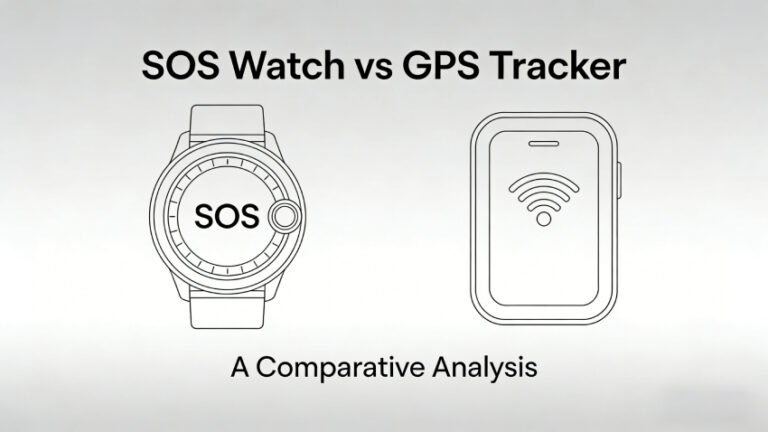
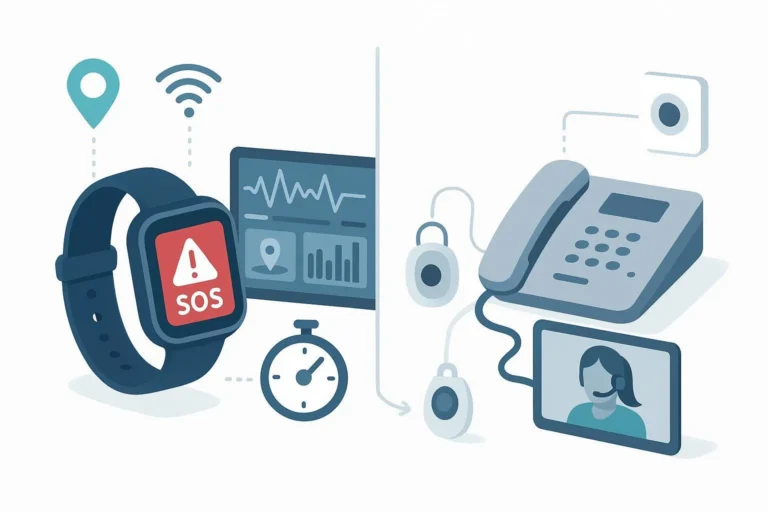
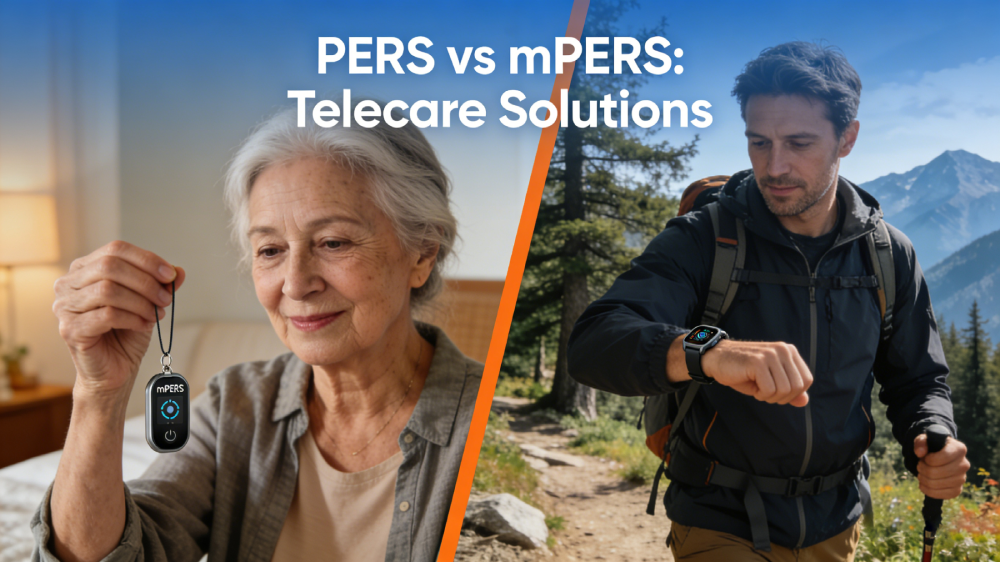
In short, PERS focuses on home-based safety, while mPERS enables mobility and outdoor protection. Knowing the distinctions helps your team build the right product-market fit.
Takeaway: Understanding PERS vs mPERS is the foundation of a scalable telecare strategy.
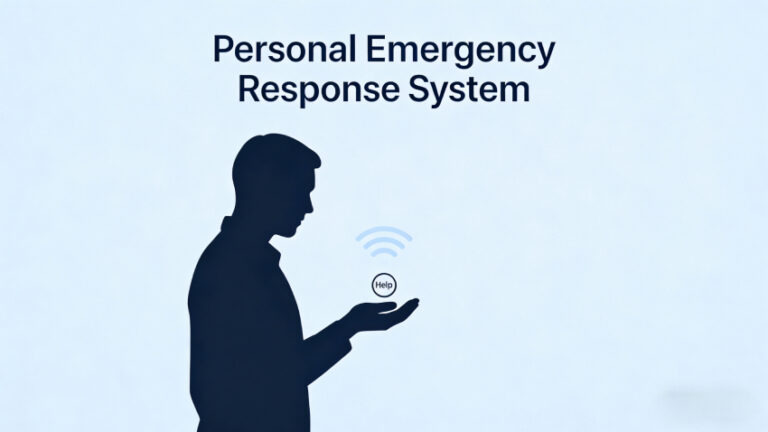
What is a PERS (Personal Emergency Response System)
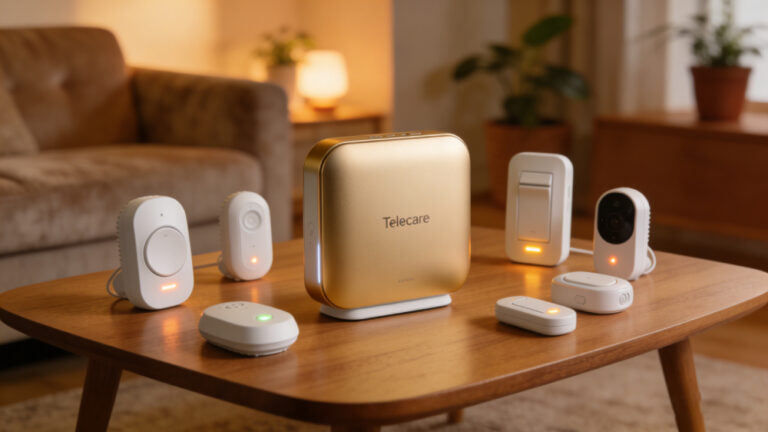
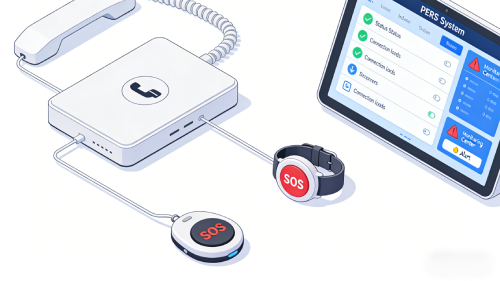
PERS devices are designed for dependable in-home emergency support. They usually consist of a base station, a pendant or wrist button, and two-way voice communication via landline or Wi-Fi.
When the user presses the SOS button, the system connects instantly to a 24/7 monitoring center.
Typical PERS setup:
| Component | Description |
|---|---|
| Base Unit | Connects to the monitoring center via landline or VoIP |
| Pendant or Wristband | Sends an SOS alert signal |
| Microphone & Speaker | Enables two-way communication |
Ideal for: seniors living alone, assisted-living facilities, or home-bound patients.
Takeaway: PERS offers simple, reliable in-home protection where mobility is limited.
What is an mPERS (Mobile Personal Emergency Response System)
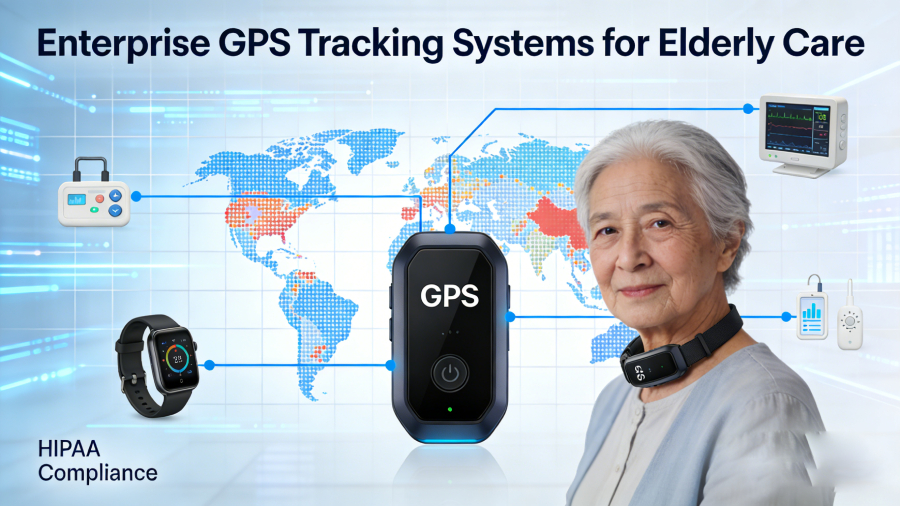
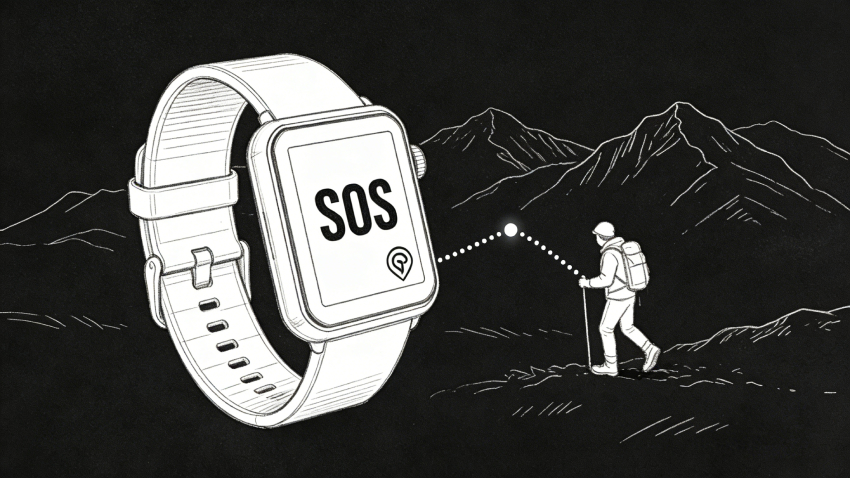
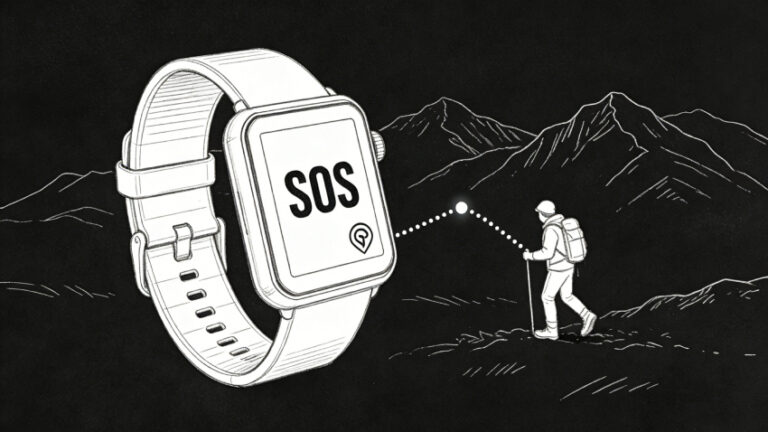
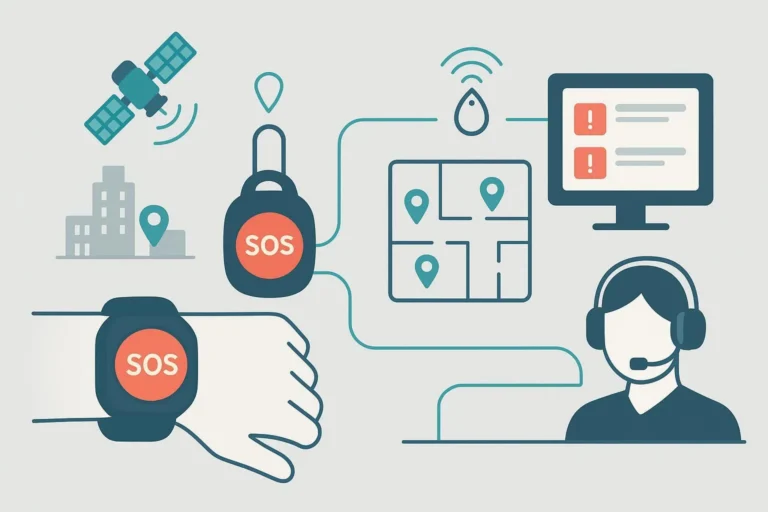
mPERS takes emergency response beyond the home. It integrates cellular connectivity, GPS tracking, and two-way voice calling in a portable form — often as an SOS watch or wearable pendant.
Unlike traditional PERS, mPERS allows users to get help anywhere with mobile coverage. Many models also include geo-fence alerts, fall detection, and app integration for caregivers.
Takeaway: mPERS enables full-mobility safety with location awareness and real-time response.
Core Technical Differences Between PERS and mPERS
Before investing in OEM telecare devices, understanding their hardware and network structures is essential.
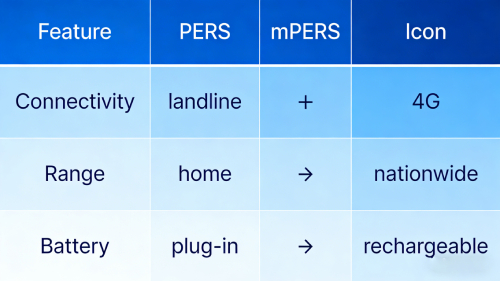
| Feature | PERS | mPERS |
|---|---|---|
| Connectivity | Landline or Wi-Fi | 4G/LTE, NB-IoT with GPS |
| Range | Limited to the home | Nationwide (depends on carrier) |
| Portability | Stationary | Fully mobile |
| Battery | Plug-in | Rechargeable (2–5 days) |
| Voice Calling | Base station only | On-device two-way audio |
| Integration | Minimal | API, app, and cloud-ready |
Source: Eview OEM Partner Survey 2025 (n = 312 telecare providers)
Takeaway: mPERS provides greater flexibility, integration, and user reach than legacy PERS.
Market Trends and Growth Outlook (US Focus)
The personal emergency response systems market is expanding quickly. According to Grand View Research, it will reach USD 25.18 billion by 2030, growing at 8.1 % CAGR.
The mobile PERS segment is outpacing the rest at 8.5 % CAGR, driven by aging populations and mobile connectivity.
Key market drivers include:
- Rising demand for elderly safety devices and fall-detection wearables
- Broader 4G/LTE and NB-IoT network coverage across the US
- Shift toward telecare OEM/ODM customization and white-label programs
- Growth of remote work and lone-worker protection
Takeaway: mPERS is capturing market share as mobility becomes central to telecare solutions.
PERS and mPERS Use Cases
Each system serves a distinct level of mobility and monitoring need.
PERS Use Cases (Keyword: personal emergency response system)
- Home-bound seniors requiring reliable voice-connected emergency support
- Assisted-living and retirement communities
- Hospital discharge monitoring programs
mPERS Use Cases (Keyword: mobile medical alert device)
- Active seniors who value independence outdoors
- Lone workers in construction, utilities, or logistics
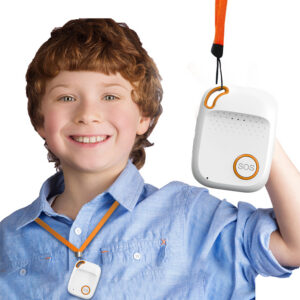
- Child safety and special-needs monitoring programs
Takeaway: PERS fits stationary environments, while mPERS empowers mobile independence.
Buying Criteria for Telecare OEM/ODM Partners
Selecting the right system depends on your market type, customer mobility, and service model. Below are five key dimensions that influence buying decisions for telecare OEMs and distributors.
1. End-User Mobility
If your users remain mostly at home, PERS suffices. For mobile users or nationwide programs, mPERS is essential.
2. Network Readiness
Confirm LTE or NB-IoT coverage in your target regions. Connectivity defines reliability.
3. Integration Capability
mPERS supports telecare integration via API and cloud platforms — critical for data-driven service models.
4. Battery and Maintenance
Plan for charging cycles, firmware OTA updates, and replacement intervals to manage lifecycle cost.
5. OEM/ODM Flexibility
Customization options — enclosure design, protocol type (MQTT, HTTPS), branding — accelerate rollout and market differentiation.
Takeaway: Align your buying criteria with operational realities, not just device specs.
Cost and ROI Comparison
| Metric | PERS | mPERS |
|---|---|---|
| Average Unit Cost (OEM) | USD 35–50 | USD 65–120 |
| Monthly ARPU Potential | USD 5–8 | USD 10–15 |
| Average Service Life | 3–5 years | 2–4 years |
| Customer Retention | 68 % | 82 % |
Source: Telecare Market Insights Report 2025 + Eview internal analysis
Takeaway: mPERS requires higher CAPEX but delivers stronger recurring revenue potential.
Integration and Engineering Support for mPERS
Telecare integration determines time-to-market success. Vendors like Eview provide:
- Full OEM/ODM design capability
- Standardized protocols (HTTPS, MQTT, BLE)
- API documentation and cloud sandbox
- Firmware OTA management
- On-site engineering and testing assistance
Devices designed for dependable connectivity and clear two-way calling in real-world use. Engineering support minimizes integration effort and accelerates rollout.
Takeaway: The right integration partner shortens deployment cycles and ensures scalability.
When to Choose PERS vs mPERS (Decision Framework)
| Buyer Type | Recommended System | Rationale |
|---|---|---|
| Home-care agencies | PERS | Stable landline setup, easy training |
| Telecare startups | mPERS | Mobile service models and subscription revenue |
| National distributors | mPERS (Hybrid) | Wider coverage, diverse user base |
| Senior-living operators | PERS | Low maintenance, centralized monitoring |
| Lone-worker programs | mPERS | GPS and geo-fencing are essential for safety |
Takeaway: Match system choice to customer mobility, service goals, and integration depth.
Real-World Data: Why Telecare Is Not Optional
Falls are the leading cause of injury among Americans aged 65 +. According to the CDC, one in four older adults experiences a fall each year, and 3.5 million emergency visits are fall-related.
These incidents highlight the urgency of deploying personal emergency response systems at scale.
Takeaway: Telecare devices are a preventive necessity, not a luxury product.
Future Outlook: AI and IoT Convergence in mPERS
The next phase of mPERS innovation combines AI-driven fall detection, predictive analytics, and IoT-based health insights. As telecare OEM devices evolve, features like automatic anomaly detection, cloud dashboards, and smart-home integration will define competitive advantage.
Takeaway: Investing in open, AI-ready mPERS platforms ensures long-term differentiation.
Quick Comparison Summary
| Category | PERS | mPERS |
|---|---|---|
| Coverage | In-home only | Nationwide mobile |
| Key Feature | Landline-based SOS | GPS + 4G/LTE mobile alert |
| Primary Users | Seniors at home | Active seniors, lone workers |
| Integration Level | Basic | API and cloud-ready |
| Market Growth | 8.1 % CAGR (2024-2030) | 8.5 % CAGR (2024-2033) |
| ROI Model | One-time device sale | Subscription and service revenue |
Takeaway: PERS ensures reliability; mPERS drives scalability and higher recurring returns.
FAQ (People-Also-Ask Optimized)
Q1. What does mPERS stand for?
Mobile Personal Emergency Response System — a wireless GPS-enabled safety device for on-the-go users.
Q2. Can mPERS devices be customized under my brand?
Yes. OEM/ODM partners like Eview offer full branding, firmware, and protocol customization.
Q3. How long does an mPERS battery last?
Typically 2–5 days per charge, depending on location tracking frequency and network use.
Q4. Are PERS devices still relevant?
Yes. PERS remains vital for homebound users and assisted-living applications.
Q5. What industries use mPERS systems?
Elderly care, lone-worker safety, healthcare, and insurance telecare programs.
Q6. Is mPERS compatible with mobile apps?
Yes. Most OEM models integrate with caregiver apps for location, alerts, and analytics.
Conclusion
Both PERS and mPERS are cornerstones of modern telecare.
Yet as mobility, IoT integration, and user expectations evolve, mPERS delivers the best balance of flexibility, scalability, and long-term ROI for B2B telecare providers worldwide.