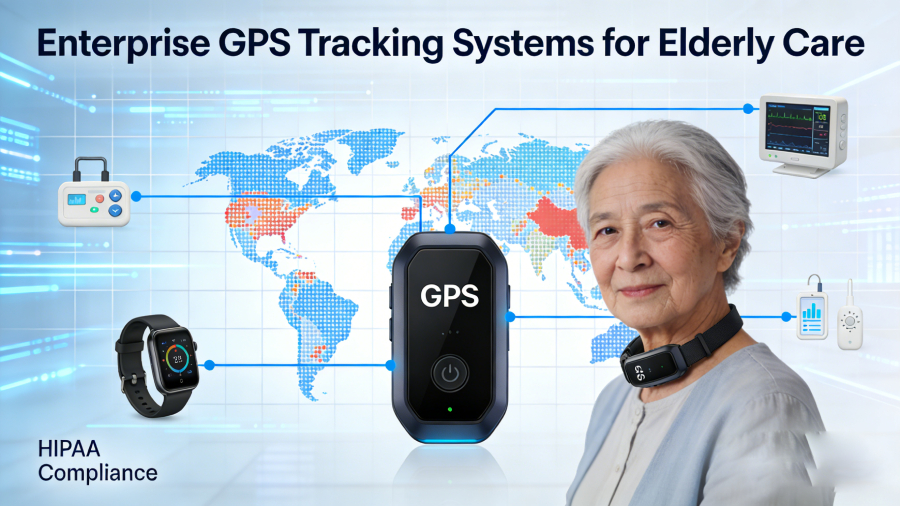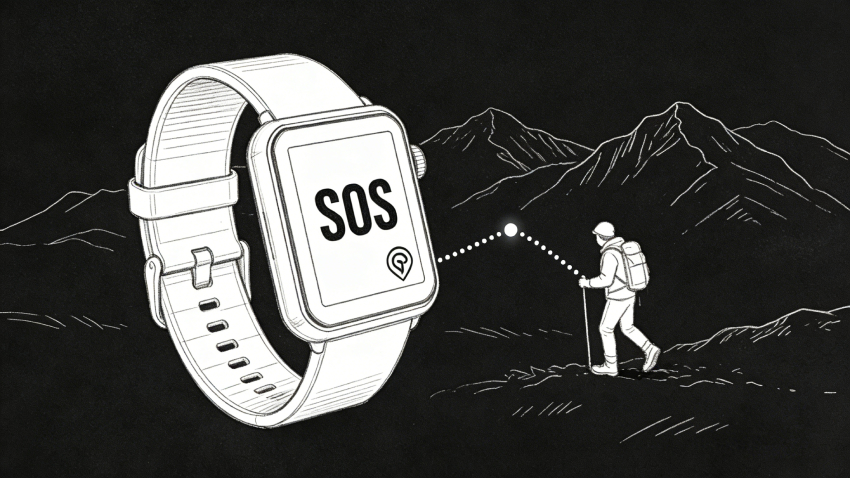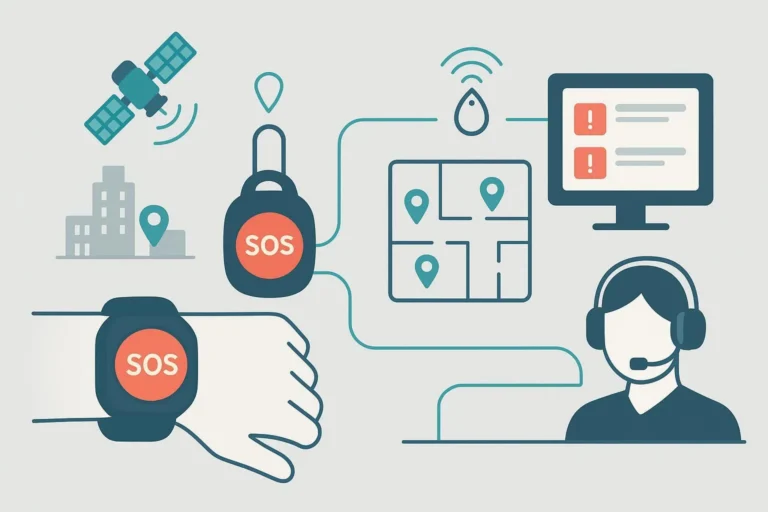
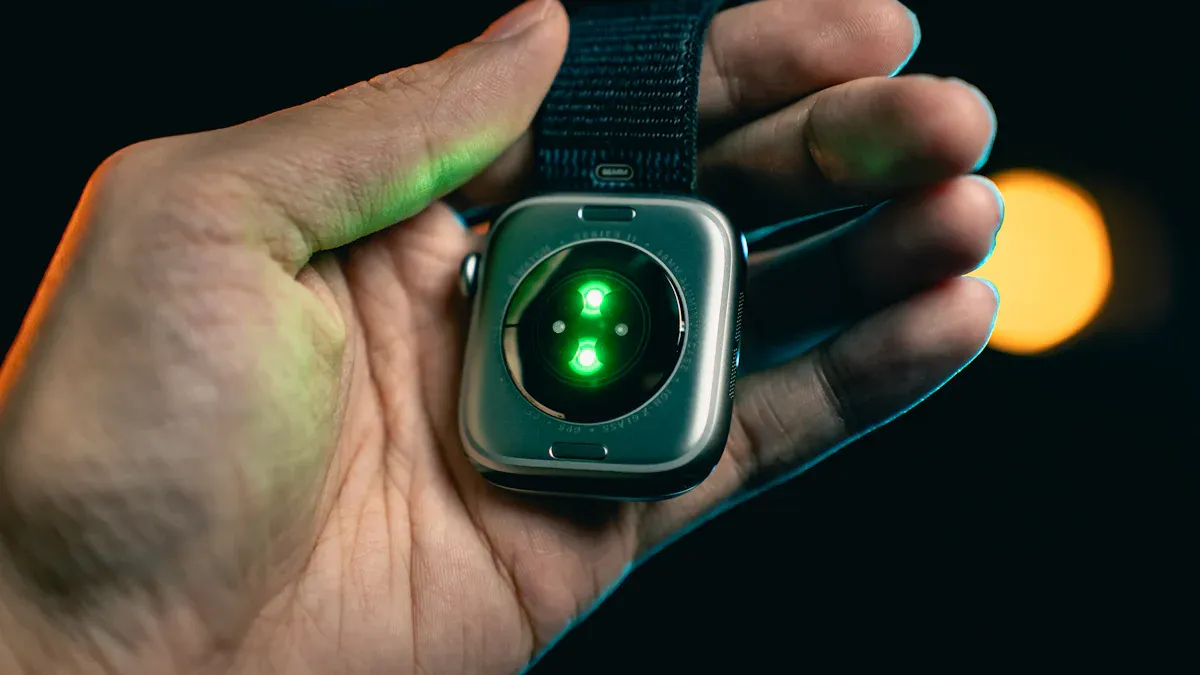
Selecting the right GPS SOS watch solutions is very important. They help keep elderly people safe and happy. These watches provide comfort to seniors and their caregivers. However, picking the best watch can be challenging. Some main issues include ensuring the watch is easy to use, providing adequate training for effective use, and maintaining clear communication about how the watch functions.
| Challenge | Description |
|---|---|
| User-Friendly Design | The GPS SOS watch should be simple for seniors and caregivers to use. |
| Training and Support | Comprehensive training is essential for older adults to use the watch effectively. |
| Clear Communication | It’s crucial to explain what the GPS SOS watch does and how it works clearly. |
By addressing these challenges, you can make better choices. This will help enhance elderly care and improve the quality of life for seniors.
Key Takeaways
- Pick GPS SOS watches that are easy to use for seniors.
- Find watches with quick emergency features, like one-touch SOS buttons and automatic fall detection.
- Choose devices with long battery life and good power management so they work when needed.
- Make sure the watch has strong connection options, like GPS, Wi-Fi, and cellular triangulation for accurate tracking.
- Think about vendor support services, like 24/7 help and long-term product support for peace of mind.
Key Features of GPS SOS Watch Solutions
GPS Accuracy in Real Elderly Living Environments
GPS accuracy is very important for GPS SOS watch solutions. You need to make sure the device can find seniors’ locations correctly. This is especially true in busy places like cities or inside buildings. The best GPS SOS watches use different technologies for accurate tracking. These include:
- GPS Tracking: Gives real-time location information.
- Wi-Fi Positioning: Improves accuracy indoors where GPS signals might be weak.
- Cellular Triangulation: Uses cell towers to find location when GPS isn’t available.
With these features, you can trust the watch to give correct location details to emergency responders. This accuracy is key for getting help quickly during emergencies.
SOS and Emergency Response Capabilities
The SOS and emergency response features of GPS SOS watches are very important. When seniors have emergencies, getting help fast can save lives. Here are some key features that improve emergency response:
| Feature | Description |
|---|---|
| One-Touch SOS Button | Connects the user to help quickly without looking for a phone. |
| Automatic Fall Detection | Alerts emergency services right away if the wearer falls and cannot respond. |
| 24/7 Connectivity | Makes sure seniors can reach help anytime, which increases their safety. |
The average time for emergency response after an SOS alert is just 16 seconds. In some cases, the fastest response was only 7 seconds. This quick response can really help in serious situations.
Battery Performance and Power Management
Battery performance is another key part of GPS SOS watch solutions. You want a device that lasts through daily activities without needing to recharge often. Here are some details about battery life:
- Senior Smart Watch With GPS: Battery can last up to 4 days based on usage and features.
- Best Medical Alert Watches in 2025: Average battery life is about 24 hours.
Good power management makes sure the device works when it’s needed most. Many GPS SOS watches have features that save battery, like low-power modes and smart charging systems. This reliability is very important for keeping 24/7 monitoring of seniors, ensuring they are always safe.
Usability for Elderly Users and Care Teams

Wearability and Industrial Design Considerations
When choosing GPS SOS watches, think about how easy they are to wear and their design. A good watch makes seniors want to wear it all the time. Here are some important design features that help with usability:
| Design Element | Importance |
|---|---|
| Compatibility and Ease of Use | Makes sure the device is easy for seniors to use, encouraging regular wear. |
| Necessary Features | Features like fall detection and GPS tracking are very important for safety. |
| Budget | Checking the cost helps pick a device that is worth the money. |
| Design and Comfort | A comfy watch makes seniors want to wear it daily, which is key for effectiveness. |
A watch that is both comfortable and useful can greatly improve how well medical alert systems work.
User Interface Simplicity for Elderly Users
Keeping user interfaces simple is very important for elderly users. Many seniors find technology hard to use. Common problems include:
| Challenge | Description |
|---|---|
| Difficulty reading small text | Seniors often have trouble reading small text on screens, which makes it hard to use. |
| Tapping small interactive elements | It can be tough to tap small buttons because of weaker motor skills. |
| Navigating complex interfaces | Complicated designs can confuse elderly users, making it hard to navigate. |
To fix these problems, GPS SOS watches should have big buttons, clear icons, and voice prompts. These features help seniors use the device more easily.
Management Interfaces for Care Providers
Management interfaces are very important for helping care teams work better. They let caregivers check seniors’ locations and health in real-time. Key features that make it easier for care providers include:
- GPS accuracy: Important for tracking locations reliably, especially in different places.
- Technical comfort level: It’s good to think about how familiar the user is with technology for easy use.
- Monitoring needs: Helps decide how much oversight is needed based on the user’s health and living situation.
- Caregiver involvement: Lets family members track the user’s location through companion apps.
- Battery longevity: Affects how often the device needs charging based on daily activities.
- Water resistance: Very important for safety, especially in places like bathrooms where falls can happen.
These features help caregivers work more efficiently, allowing them to respond quickly to emergencies and keep seniors safe.
Reliability, System Monitoring and Operational Stability
Device Durability in Daily Elderly Use
When choosing GPS SOS watches, think about how strong they are. These devices need to handle daily use well. Look for features that help them last longer, like:
- Water Resistance: Keeps the watch working even when wet.
- Shock Resistance: Protects the watch from drops or bumps.
- Comfortable Materials: Soft materials make seniors want to wear the watch all the time.
A strong device can really improve how well medical alert systems work. This helps keep seniors safe and connected.
Connectivity Reliability and Coverage Planning
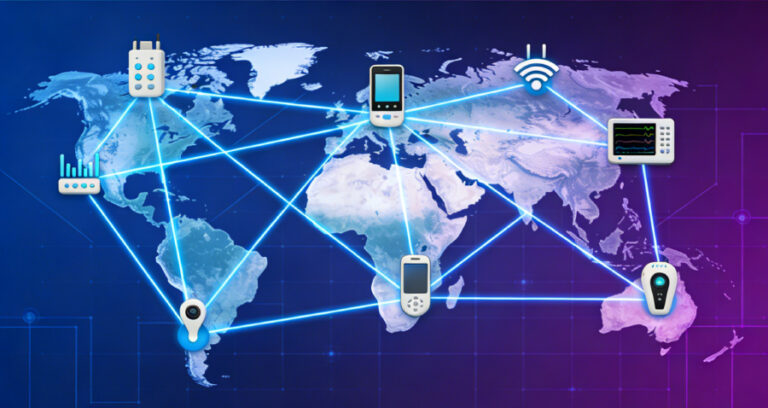
Connectivity is very important for GPS SOS watches, especially in rural areas or places with weak signals. Some devices, like Spot Trace, use satellite technology to stay connected. They can work without cell service, so emergency signals can still reach help. Here are some key points about connectivity:
- Satellite Technology: Gives coverage in faraway places.
- Direct SOS Function: Connects users straight to emergency services for safety.
- Coverage Planning: Check the areas where seniors will use the device to make sure it works well.
By planning for connectivity, you can make sure seniors get help no matter where they are.
Continuous Monitoring and System Uptime
Continuous monitoring is very important for GPS SOS watch solutions. You want to make sure the device works well all the time. Here are some features that help with continuous operation:
| Feature | Description |
|---|---|
| SOS Emergency Button | A special button that connects to help through an internal speaker for quick assistance. |
| Auto Fall Detection | An optional feature that notices falls and connects to help automatically. |
| Caregiver Tracking | Lets caregivers see the location and battery level in real-time. |
| Low Battery Warning | The watch tells the wearer when the battery is low, reminding them to charge it. |
| Continuous Monitoring | Tracks all day without sleep mode, giving alerts for any problems. |
| Intelligent iAlerts System | Sends alerts for wandering or dangerous situations, improving safety without constant checking. |
These features make sure seniors have 24/7 monitoring. This allows caregivers to act quickly in emergencies and feel more at ease.
Support Services and Vendor Capabilities
Technical Support and Issue Resolution
When picking GPS SOS watch solutions, think about technical support. Good vendors help fix problems quickly. You want to know that help is there when you need it. Look for vendors that provide:
- 24/7 Support: Help available anytime.
- Multiple Contact Methods: Choices like phone, email, and chat for easy access.
- Quick Response Times: Fast answers to reduce waiting time.
These features make the experience better for both seniors and caregivers.
Long-Term Product Support and Lifecycle Planning
Long-term support is very important for medical alert systems. You should think about how vendors plan for their devices over time. Here are some best practices for planning:
- Size and Comfort: Pick lightweight and comfy devices so they fit well in the elderly person’s life.
- Battery Life: Find devices that last several days on one charge, balancing features and battery life.
- User-Friendly Interface: Choose devices with easy-to-use designs for seniors and caregivers.
- Water Resistance: Make sure the device can handle daily use without damage.
- Fall Detection: Look for devices that automatically detect falls and alert caregivers right away.
- Connectivity: Select trackers that work with modern options like 4G/5G and WiFi for reliable alerts and communication.
- Cost: Check the pricing, including one-time buys or subscription fees.
These points help keep the devices useful and relevant over time.
Customization and Integration Capabilities
Customization is key for meeting the special needs of elderly care. You want solutions that fit well with current healthcare systems. Here are some important features to consider:
| Feature | Description |
|---|---|
| Real-time Monitoring | Lets healthcare providers check patients’ health all the time, no matter where they are. |
| Fall Detection | Spots falls and alerts caregivers or emergency services, making seniors safer. |
| GPS Tracking | Tracks seniors’ locations for quick help in emergencies. |
| GEO-fencing | Creates safe zones for seniors, warning caregivers if they go outside these areas. |
| One-button SOS Alert | Quickly connects seniors to emergency services or caregivers for fast help. |
| Customizable Software | Allows adding specific apps and features that fit the facility’s needs. |
| User-friendly Interface | Made for easy use, helping with daily health tracking and medication reminders. |
These features for caregivers improve how well medical alert devices work, ensuring seniors get the best care possible.
Compliance and Safety Standards
Regulatory Compliance
When choosing GPS SOS watch solutions, you need to think about regulatory compliance. These devices must follow certain rules to keep users safe and effective. Here are the main compliance needs based on regions:
| Region/Country | Market Access Requirements | Data Protection Regulations |
|---|---|---|
| United States | You need FDA approval | Follow HIPAA rules for data privacy |
| European Countries | Must have CE-marking from the EU’s MDR | Follow GDPR rules for data protection |
To meet these rules, vendors take several steps, such as:
- Encryption
- Secure data transmission
- Following privacy regulations
These actions help keep sensitive information safe and make sure the devices work well in healthcare.
Safety Standards
Safety is very important for GPS SOS watches. Good safety features can greatly lower risks for elderly users. The Alzheimer’s Association says that up to 50% of wandering cases with dementia patients can cause serious injuries if not handled within 24 hours. This shows how crucial it is to have effective safety measures like GPS SOS watches.
Key safety features include:
- Real-time location information, so caregivers can track movements.
- Geofencing, which alerts caregivers if a senior leaves a safe area.
- SOS alerts and fall detection, improving safety for seniors.
These features help with 24/7 monitoring, making sure seniors get quick help when needed. By following safety standards, GPS SOS watch solutions can give peace of mind to both users and their families.
In conclusion, picking the right GPS SOS watch solutions has some important points to consider. You should focus on:
- GPS Accuracy: Make sure the device tracks locations correctly.
- Emergency Response Features: Find watches with fast SOS alerts and fall detection.
- Usability: Select a watch that seniors can wear and use easily.
- Reliability: Check if the device is strong and connects well in different places.
- Support Services: Look at the vendor’s help and long-term support for the product.
By paying attention to these points, you can improve the safety and happiness of elderly people, giving them and their families peace of mind.
FAQ
What is a GPS SOS watch?
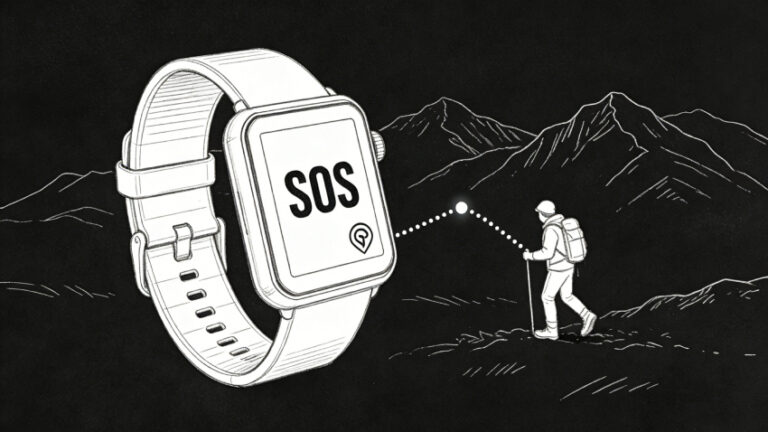
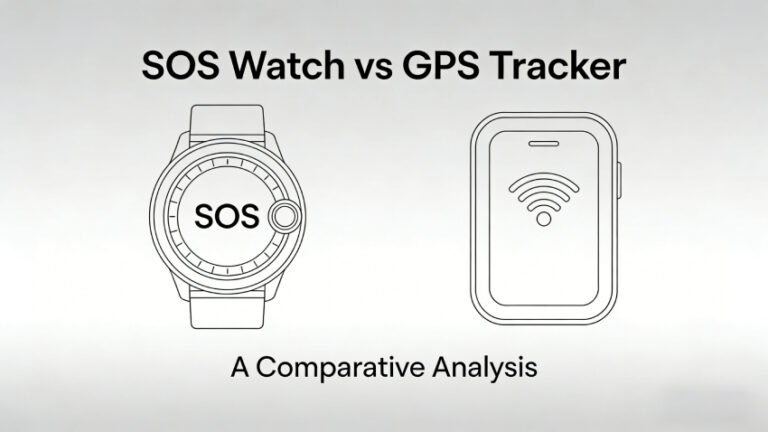
A GPS SOS watch is a device you wear that tracks where you are using GPS. It has an SOS button for emergencies. This lets users quickly reach caregivers or emergency help.
How does fall detection work?
Fall detection uses sensors to check movement. If the watch notices a sudden drop or no movement, it sends an alert to caregivers or emergency services right away.
Can I customize the settings on the watch?
Yes, many GPS SOS watches let you change settings. You can set up things like SOS contacts, alert levels, and notification choices to fit your needs.
How long does the battery last?
Battery life depends on the model and how you use it. Most GPS SOS watches last from 24 hours to several days on one charge. This varies based on features like GPS tracking and alert frequency.
Are GPS SOS watches waterproof?
Many GPS SOS watches are made to be waterproof or water-resistant. This feature helps them work during daily activities, like showering or swimming, which keeps seniors safer.