How Does Remote Monitoring Work in Industrial Systems?
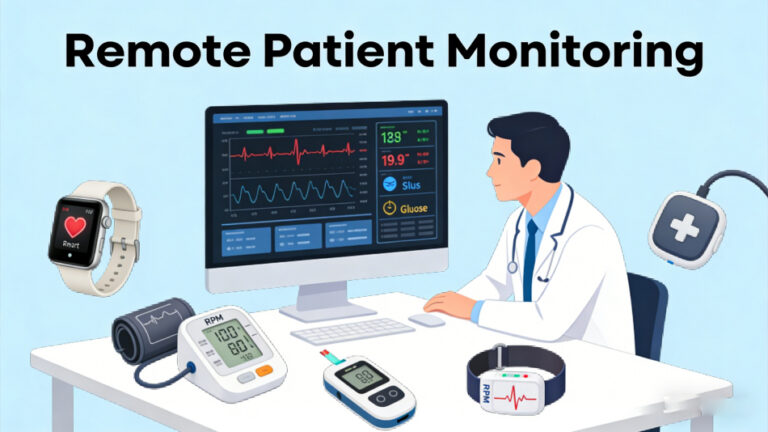
Remote monitoring works by collecting data from sensors, transmitting it through communication networks, processing it at the edge or in the cloud, and visualizing it through dashboards and alerts.
The 4 steps of remote monitoring are:
-
Data collection
-
Data transmission
-
Data processing
-
Data visualization
To fully understand how remote monitoring works in industrial systems, we need to break down the architecture, sensors, and data flow that power modern industrial monitoring.
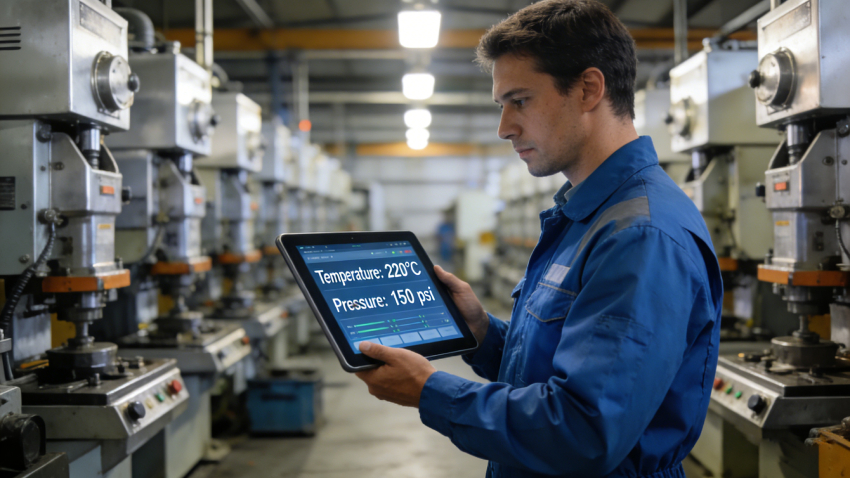
Remote Monitoring Architecture Explained
A well-designed remote monitoring architecture defines how data moves reliably from industrial equipment to decision-makers.
Core Architecture Layers
Most industrial monitoring systems follow a layered architecture:
-
Physical Layer – Machines, assets
-
Data Acquisition Layer – Sensors, PLCs
-
Transport Layer – Networks, gateways
-
Intelligence Layer – Edge/cloud processing
-
Application Layer – Dashboards, alerts
This layered approach improves scalability and reliability.
Centralized vs Distributed Architecture
-
Centralized → Cloud-based, easier management
-
Distributed → Edge-based, faster response
Modern systems use a hybrid architecture for optimal performance.
Key Layers in a Remote Monitoring System
To better understand how remote monitoring works, each layer plays a distinct role.
Data Acquisition Layer
Sensors collect real-world signals and PLCs interface with industrial equipment. This is the foundation of condition monitoring.
Communication Layer
Transfers data across networks, handling reliability and latency.
Processing Layer
Applies logic, filtering, and analytics to support predictive monitoring.
Application Layer
Displays dashboards, triggers alerts, and provides actionable insights.
Sensors and Data Acquisition in Remote Monitoring
At the core of every remote monitoring system are sensors that convert physical conditions into digital signals.
Common Industrial Sensors
-
Temperature sensors
-
Pressure sensors
-
Vibration sensors
-
Flow meters
These are essential for equipment monitoring systems.
| Type | Use Case | Advantage |
|---|---|---|
| PLC | Industrial automation | Reliability |
| IoT Sensors | Distributed monitoring | Connectivity |
Sampling Frequency and Accuracy
-
High frequency → better detection
-
Calibration → ensures accuracy
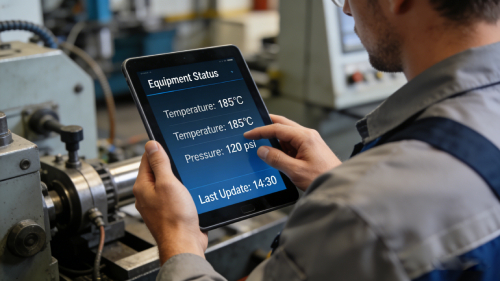
Data Transmission: How Data Moves from Field to Cloud
Once collected, data must be transmitted reliably—this is a critical step in how remote monitoring works.
Connectivity Options
-
Cellular (4G/5G)
-
Wi-Fi
-
LPWAN (LoRa, NB-IoT)
Protocols in Remote Monitoring
-
MQTT
-
HTTP/HTTPS
-
Modbus
MQTT vs HTTP (Important Comparison)
| Protocol | Best For | Pros | Cons |
|---|---|---|---|
| MQTT | IoT monitoring | Lightweight, efficient | Requires broker |
| HTTP | Web systems | Simple, widely used | Higher overhead |
MQTT QoS Levels (Technical Depth)
-
QoS 0 → At most once
-
QoS 1 → At least once
-
QoS 2 → Exactly once
This directly impacts data reliability in monitoring systems.
Data Processing: Edge vs Cloud in Monitoring Architecture
A critical part of monitoring architecture is deciding where data should be processed.
Edge Computing
-
Low latency
-
Works offline
-
Ideal for real-time decisions
Cloud Computing
-
Scalable
-
Supports AI analytics
-
Centralized management
Hybrid Architecture (Best Practice)
Most industrial systems combine edge for speed and cloud for intelligence.
Rule-Based vs AI-Based Monitoring
| Type | Description |
|---|---|
| Rule-based | Threshold alerts |
| AI-based | Predictive anomaly detection |
AI enables predictive maintenance for more efficient operations.
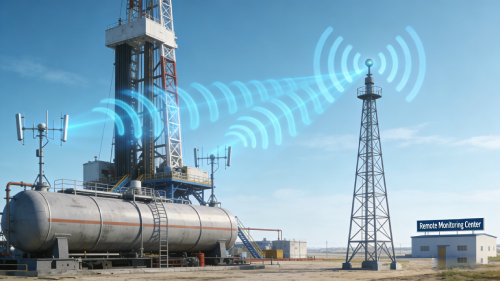
Data Visualization and Alerts
After processing, data must be presented clearly to drive actionable insights.
Dashboards
-
Real-time monitoring
-
Historical trends
-
KPI tracking
Alerts and Thresholds
-
Trigger notifications when limits are exceeded
-
Enable fast response
Reporting
-
Performance optimization
-
Maintenance insights
Industrial Remote Monitoring Data Flow Model™
To clearly explain how remote monitoring works, we introduce a structured framework:
The 5-Layer Data Flow Model:
-
Physical Layer – Machines and assets
-
Data Layer – Sensors capture signals
-
Transport Layer – Networks transmit data
-
Intelligence Layer – Edge/cloud processing
-
Application Layer – Dashboards and actions
This model represents modern industrial IoT monitoring systems.
Example Scenario
-
Sensor detects abnormal vibration
-
Gateway transmits data
-
Cloud detects anomaly
-
Alert sent
-
Maintenance scheduled
When Do You Need Remote Monitoring?
Understanding how remote monitoring works also helps identify when it’s needed.
Key Scenarios
-
Multi-site operations
-
High-value equipment
-
Predictive maintenance needs
-
Remote or hazardous environments
These are ideal use cases for industrial monitoring systems.
Remote Monitoring vs SCADA vs IoT Monitoring
This comparison helps understand architecture choices.
| System | Focus | Strength |
|---|---|---|
| SCADA | Control systems | Real-time control |
| IoT Monitoring | Data collection | Scalability |
| Remote Monitoring | Visibility + analytics | Flexibility |
Modern systems often combine all three.
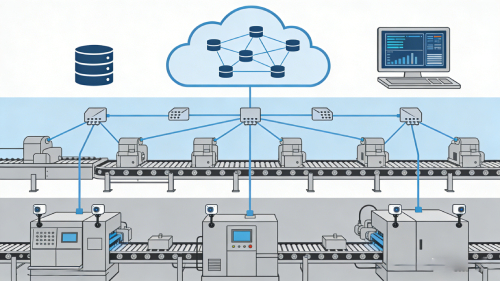
Security in Remote Monitoring Architecture
Security is critical in connected industrial systems.
Key Security Measures
-
Encryption
-
Device authentication
-
Network segmentation
To ensure best practices, organizations can follow the NIST Cybersecurity Framework.
Common Challenges in Remote Monitoring Systems
Connectivity Issues
-
Remote environments lack stable networks
Data Overload
-
Too much data without insights
Legacy Integration
-
Older systems lack connectivity
These challenges require proper system architecture design.
Expert Insight
In industrial environments, the biggest challenge in remote monitoring is not data collection, but ensuring data reliability across distributed systems.
Looking to Implement a Remote Monitoring System?
If you’re planning to deploy a remote monitoring system in industrial environments, choosing the right architecture, sensors, and platform is critical.
Explore industrial monitoring solutions or request a demo to get started.
Conclusion: From Data to Decisions
Understanding how remote monitoring works in industrial systems is essential for building scalable, efficient, and intelligent operations. By combining sensors, connectivity, processing, and visualization, businesses can transform raw data into actionable insights and move toward predictive and autonomous systems.
For a broader overview, see our remote monitoring guide.