Industrial businesses are under increasing pressure to improve efficiency while reducing downtime and operational costs. Traditional monitoring methods, such as manual inspections and scheduled maintenance, are no longer sufficient in today’s data-driven industrial environment.
This is where industrial remote monitoring systems play a critical role. By leveraging IoT sensors, cloud platforms, and real-time analytics, businesses can gain full visibility into equipment performance and make smarter decisions.
Understanding the benefits of remote monitoring systems is essential for companies looking to improve productivity, extend equipment lifespan, and achieve measurable ROI.
Explore the full system overview here:
What Is Remote Monitoring? A Complete Guide for Industrial Applications
What Is Remote Monitoring in Industry and How Does It Work
Before diving into the industrial remote monitoring benefits, it’s important to understand how these systems operate and why they are so effective.
What Is Remote Monitoring in Industry
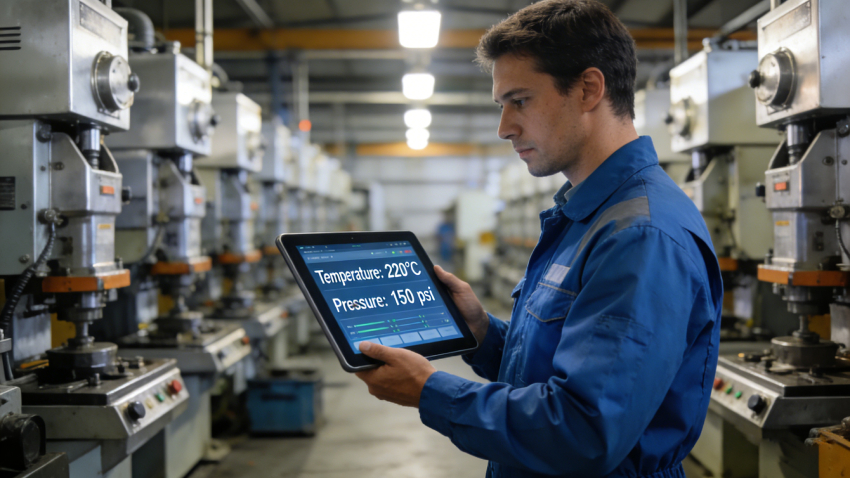
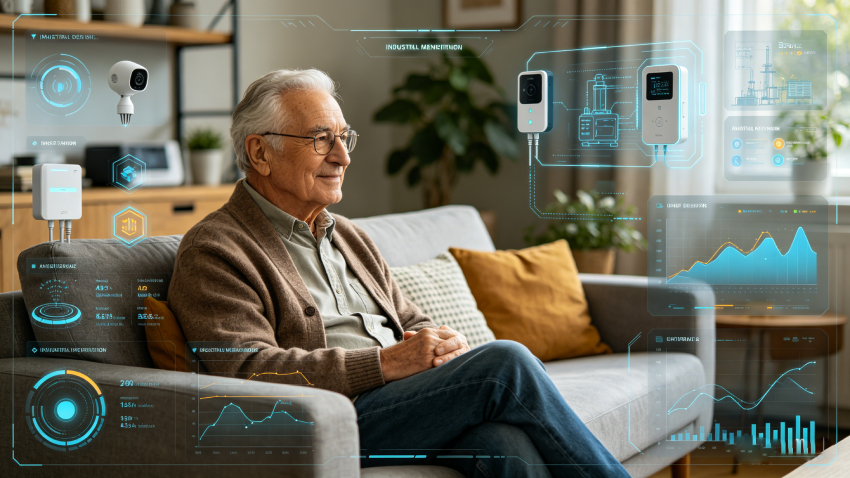
Remote monitoring in industrial environments refers to the use of connected sensors and communication networks to track equipment performance in real time. Instead of relying on manual inspections, data is automatically collected and transmitted to centralized platforms. This allows operators to monitor assets remotely, even across multiple locations.
How Remote Monitoring Systems Work
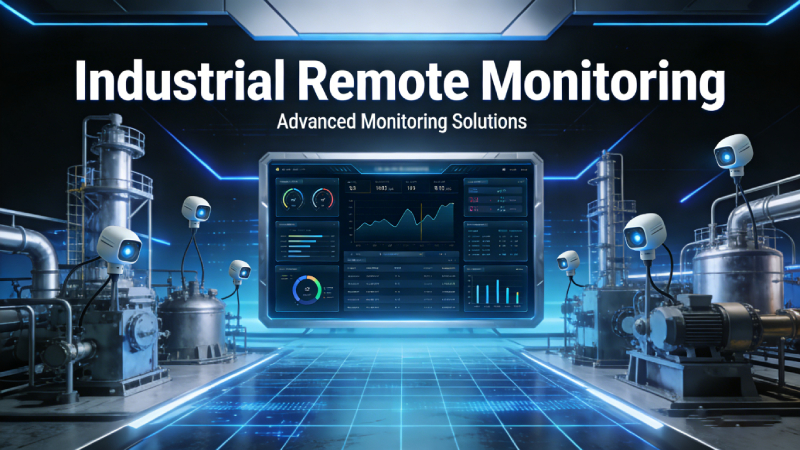
These systems rely on sensors that measure key parameters such as temperature, vibration, pressure, and energy consumption. The data is transmitted through networks like cellular or LPWAN to cloud-based dashboards. Advanced analytics tools then process this data to identify anomalies and trigger alerts, enabling proactive decision-making.
Real Example in Manufacturing
For example, in a manufacturing facility, vibration sensors installed on motors can detect imbalance or misalignment early. This allows maintenance teams to intervene before the issue leads to a costly breakdown, preventing unexpected downtime.
Why Use Remote Monitoring Systems in Industrial Operations
Many companies ask why use remote monitoring systems when evaluating digital transformation strategies. The answer lies in the ability to improve efficiency, visibility, and control.
Industry 4.0 and Smart Manufacturing
According to Deloitte, Industry 4.0 technologies are transforming manufacturing by enabling real-time data exchange and automation. Remote monitoring is a foundational component of this transformation.
Managing Increasing Equipment Complexity
Modern industrial equipment generates large volumes of data that cannot be effectively managed manually. Remote monitoring systems provide the tools needed to analyze and act on this data efficiently.
Centralized Monitoring Across Multiple Sites
For businesses operating across multiple locations, remote monitoring provides a centralized platform to track all assets. This eliminates the need for on-site inspections and ensures consistent performance management.
How Remote Monitoring Reduces Equipment Downtime
Reducing downtime is one of the most valuable remote monitoring benefits for manufacturing, as it directly impacts productivity and revenue.
Early Fault Detection Using IoT Sensors
Remote monitoring systems continuously analyze equipment data to detect anomalies. For instance, a gradual increase in vibration levels may indicate bearing wear. Identifying such issues early allows maintenance teams to address them before failure occurs.
Predictive Maintenance Strategy
Unlike traditional maintenance approaches, predictive maintenance uses real-time data to determine when equipment actually needs servicing. This minimizes unnecessary maintenance while preventing unexpected failures.
👉 Learn more about predictive maintenance in industrial IoT systems:
/predictive-maintenance-industrial-guide/
Measurable Impact on Downtime Reduction
According to industry reports, predictive maintenance enabled by remote monitoring can reduce equipment downtime by up to 50%, significantly improving operational reliability.
How Remote Monitoring Lowers Maintenance Costs
Another major advantage of industrial IoT monitoring is the ability to significantly reduce maintenance expenses.
Condition-Based Maintenance Approach
Condition-based maintenance ensures that maintenance activities are only performed when necessary. This reduces unnecessary servicing and extends equipment life.
Reduced Labor and Inspection Costs
Manual inspections require time, labor, and travel. Remote monitoring eliminates much of this need by providing real-time data remotely.
Avoiding Expensive Emergency Repairs
Emergency repairs often involve downtime, urgent labor, and replacement parts, making them significantly more expensive. Preventive strategies enabled by remote monitoring help avoid these costs.
How Real-Time Monitoring Improves Operational Efficiency
Real-time insights are one of the most impactful real-time equipment monitoring benefits for industrial operations.
Instant Visibility into Equipment Performance
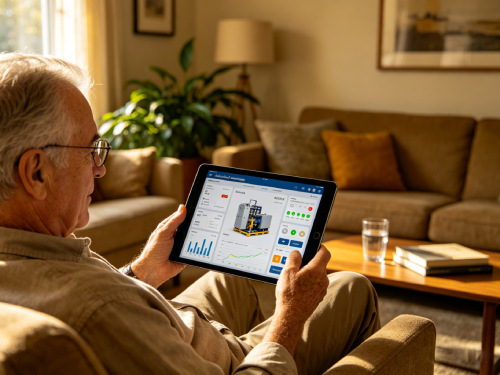
Operators can access live data on equipment status, allowing them to make immediate decisions when issues arise.
Identifying Bottlenecks in Production
By analyzing performance data, businesses can identify inefficiencies in workflows and optimize production processes.
Automating Reporting and Data Collection
Remote monitoring systems automatically generate reports, reducing manual data entry and improving accuracy.
How Remote Monitoring Improves Workplace Safety
Safety improvements are a critical reason why businesses adopt remote monitoring systems in industry.
Detecting Hazardous Conditions Early
Sensors can detect dangerous conditions such as overheating, gas leaks, or abnormal pressure levels, enabling immediate action.
Reducing Worker Exposure to Risk
Remote monitoring reduces the need for workers to physically inspect dangerous equipment, lowering the risk of accidents.
Supporting Compliance and Safety Standards
Automated monitoring helps ensure compliance with safety regulations by maintaining accurate records and alerts.
Remote Monitoring vs Traditional Monitoring Systems
Understanding the differences between modern and traditional systems highlights the true benefits of remote monitoring systems.
Cost and Efficiency Comparison
Remote monitoring reduces long-term costs by minimizing labor and downtime, while traditional monitoring relies heavily on manual processes.
Response Time Differences
Remote systems provide instant alerts, whereas traditional methods often detect issues too late.
Overall Operational Impact
Remote monitoring enables proactive management, while traditional monitoring is reactive and less efficient.
Remote Monitoring System Cost and ROI
Cost is a major concern for businesses evaluating remote monitoring systems, but ROI is often the deciding factor.
Initial Investment Requirements
The initial cost includes sensors, connectivity infrastructure, and software platforms. However, modern solutions are scalable and can be deployed gradually.
Long-Term Cost Savings
Savings come from reduced downtime, lower maintenance costs, and improved efficiency. These savings often outweigh the initial investment.
ROI of Remote Monitoring Systems
Based on real-world deployments, companies often achieve ROI within 6–18 months. According to industry data, maintenance costs can be reduced by up to 30%.
Top Use Cases of Remote Monitoring in Industry
Understanding real-world applications helps clarify remote equipment monitoring benefits.
Manufacturing Industry Use Case
Remote monitoring improves production efficiency by tracking machine performance and preventing downtime.
Energy and Utilities Use Case
Utilities use monitoring systems to track grid performance and prevent outages through early detection.
Oil and Gas Industry Use Case
Remote assets in harsh environments can be monitored continuously, improving safety and reliability.
How Remote Monitoring Improves Energy Efficiency
Energy optimization is an important industrial remote monitoring benefit.
Monitoring Energy Consumption in Real Time
Businesses can track how much energy each piece of equipment uses and identify inefficiencies.
Reducing Energy Waste
Data insights help eliminate unnecessary energy usage, improving sustainability.
Cost Savings from Energy Optimization
According to , digital monitoring systems can reduce energy costs by 20–30%, making them a valuable investment for industrial operations.
Integration with SCADA, PLC, and Legacy Systems
Integration flexibility is essential for implementing remote monitoring systems in industrial environments.
SCADA and PLC Integration
Modern monitoring systems can integrate seamlessly with existing industrial control systems.
Learn more about SCADA vs IoT monitoring systems:
/scada-vs-iot-monitoring/
ERP and Business System Integration
Operational data can be connected with business systems to improve decision-making.
Supporting Legacy Equipment
Older equipment can be upgraded with sensors, avoiding costly replacements.
Common Challenges of Remote Monitoring and Solutions
While the remote monitoring benefits are clear, there are challenges to consider.
Connectivity and Network Reliability
Reliable connectivity is essential for real-time monitoring. Solutions include edge computing and hybrid networks.
Managing Large Volumes of Data
Advanced analytics tools help filter and process large datasets efficiently.
Cybersecurity Considerations
Implementing encryption and secure communication protocols ensures data safety.
Summary of Remote Monitoring Benefits
Here’s a quick overview of the key industrial remote monitoring benefits:
| Benefit | Business Impact |
|---|---|
| Downtime Reduction | Up to 50% |
| Maintenance Cost Reduction | 20–30% |
| Energy Savings | Up to 30% |
| Productivity Improvement | Significant increase |
FAQs About Remote Monitoring Systems
What are the main benefits of remote monitoring systems
Remote monitoring systems improve efficiency by providing real-time visibility into equipment performance, reduce downtime through predictive maintenance, and lower maintenance costs across industrial operations.
How does remote monitoring work in industry
Remote monitoring works by using IoT sensors to collect real-time data from equipment and transmitting it to cloud platforms where it is analyzed for insights and alerts.
Is remote monitoring worth it
Remote monitoring is worth it because it reduces operational costs, improves equipment reliability, and delivers strong ROI within a relatively short period.
What are the disadvantages of remote monitoring
Some challenges include initial setup costs, connectivity issues, and cybersecurity risks, but these can be mitigated with proper system design.
How secure are remote monitoring systems
Remote monitoring systems are secure when implemented with encryption, secure networks, and strong cybersecurity practices.
Why Remote Monitoring Is a Smart Investment
The benefits of remote monitoring systems go far beyond simple equipment tracking. They enable predictive maintenance, reduce costs, improve safety, and provide real-time insights that drive better decision-making.
Based on real-world industrial deployments, companies adopting remote monitoring consistently achieve measurable improvements in efficiency and ROI.