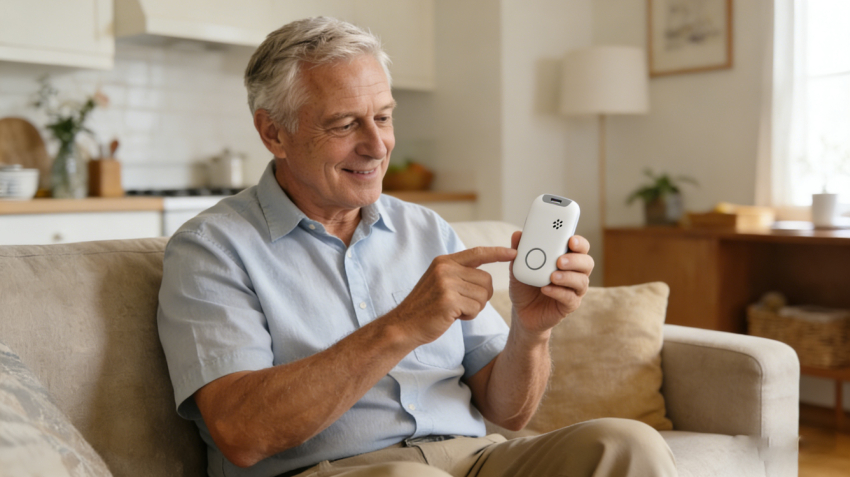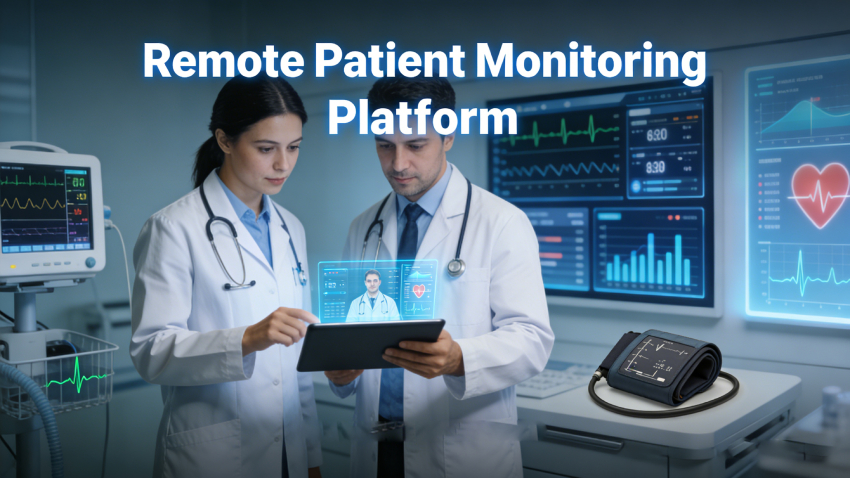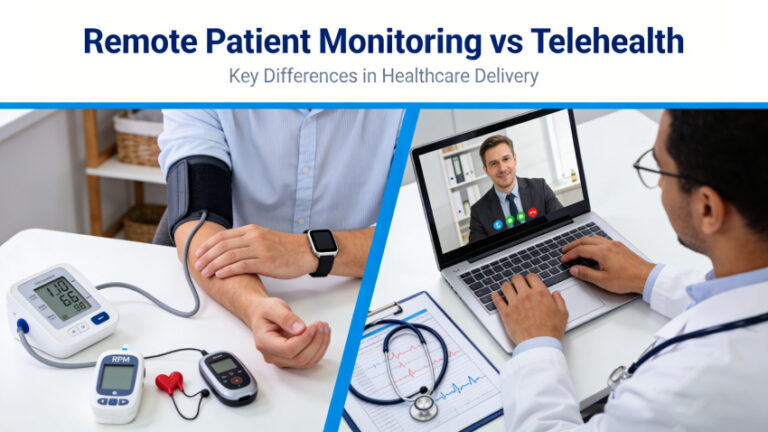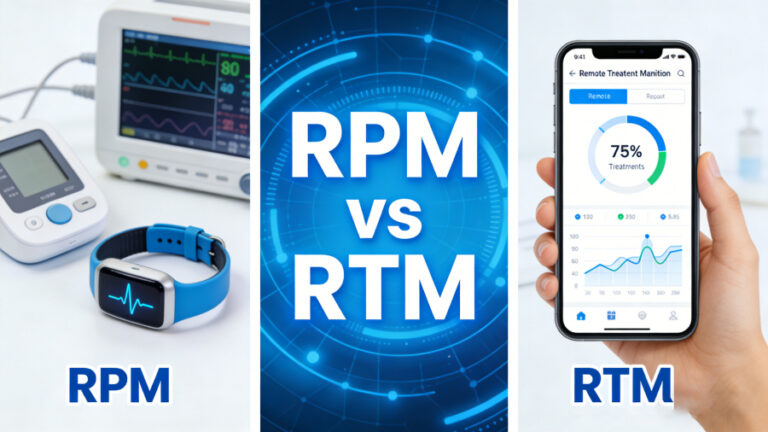
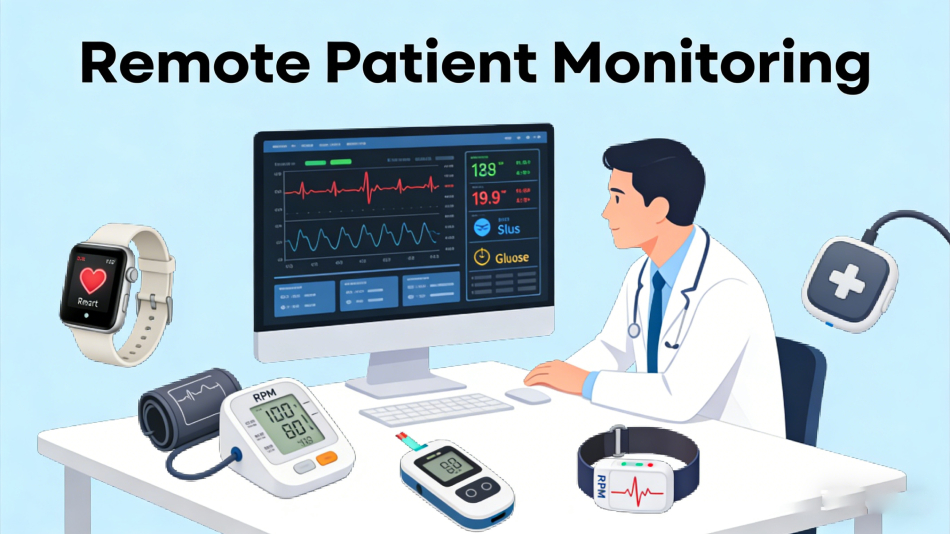
Remote patient monitoring (RPM) is transforming how healthcare providers track patient health outside traditional clinical settings. At the center of this digital health transformation are remote patient monitoring devices—connected medical tools that collect patient health data and transmit it to clinicians in real time.
Healthcare providers use a variety of remote patient monitoring equipment, such as connected blood pressure monitors, glucose monitors, pulse oximeters, and wearable cardiac devices to track patients remotely and improve care outcomes.
If you want to understand how remote patient monitoring programs work—including RPM benefits, CPT billing codes, and reimbursement models—read our complete guide to Remote Patient Monitoring (RPM).
What Are Remote Patient Monitoring Devices?
Remote patient monitoring devices are medical devices used for remote patient monitoring that collect health data outside hospitals or clinics and transmit that data electronically to healthcare providers.
These devices are typically connected through technologies such as:
-
Bluetooth
-
Wi-Fi
-
cellular connectivity
-
mobile health applications
Clinicians use these devices to monitor key health metrics such as:
-
blood pressure
-
blood glucose
-
oxygen saturation
-
heart rhythm
-
body weight
-
physical activity levels
According to the U.S. Food and Drug Administration (FDA), many remote monitoring technologies are regulated as medical devices to ensure accuracy, safety, and reliability in patient care.
How Remote Patient Monitoring Devices Work
Remote monitoring medical devices operate through a connected digital health ecosystem that allows clinicians to receive patient data remotely.
The process typically includes four steps.
Data collection
The RPM device measures a patient’s vital signs using medical-grade sensors.
Examples include:
-
blood pressure cuffs
-
glucose monitors
-
pulse oximeters
-
ECG sensors
Data transmission
After measurement, the device sends the data to a connected smartphone or gateway using technologies such as:
-
Bluetooth
-
Wi-Fi
-
cellular networks
Data processing
The data is transmitted to a remote patient monitoring platform, where it is organized and analyzed.
Some platforms use analytics or AI tools to identify abnormal trends.
Clinical review
Healthcare providers review patient data remotely and can intervene quickly if readings indicate potential health risks.
Types of Remote Patient Monitoring Devices Used in Healthcare
There are several categories of remote patient monitoring devices used in healthcare, each designed to monitor specific health conditions.
Common device categories include:
-
blood pressure monitoring devices
-
blood glucose monitoring devices
-
pulse oximeters
-
smart weight scales
-
ECG and cardiac monitoring devices
-
wearable remote patient monitoring devices
These remote monitoring medical devices allow healthcare providers to monitor patients continuously while they remain at home.
Blood Pressure Monitoring Devices
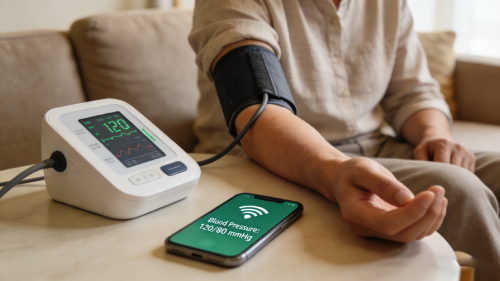
Blood pressure monitors are among the most widely used medical devices for remote patient monitoring.
They are commonly used to manage patients with:
-
hypertension
-
cardiovascular disease
-
kidney disease
-
pregnancy-related hypertension
Connected blood pressure monitors automatically send readings to clinicians, allowing them to track blood pressure trends over time.
Example devices
-
Omron HeartGuide – wearable blood pressure monitor
-
Withings BPM Connect – Wi-Fi enabled BP monitor
-
QardioArm Smart Blood Pressure Monitor
Studies published by the American Heart Association (AHA) show that remote blood pressure monitoring can significantly improve hypertension management and patient adherence.
Blood Glucose Monitoring Devices
Glucose monitoring devices are essential remote patient monitoring equipment for managing diabetes.
Two main types are commonly used.
Traditional glucose meters
Patients measure blood sugar periodically using finger-stick testing.
Continuous glucose monitors (CGM)
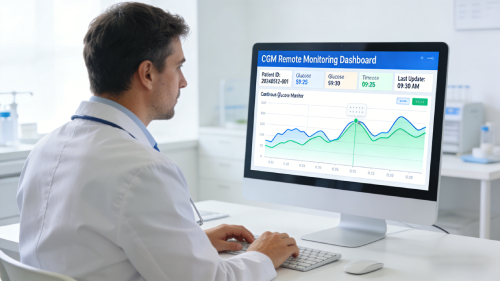
CGM systems measure glucose levels continuously and send readings automatically.
Example RPM glucose devices
-
Dexcom G7 Continuous Glucose Monitor
-
Abbott FreeStyle Libre 3
-
Medtronic Guardian Connect
Continuous glucose monitoring allows healthcare providers to monitor blood sugar patterns and adjust treatment plans more effectively.
Pulse Oximeters
Pulse oximeters measure oxygen saturation in the blood.
These devices are widely used in RPM programs for patients with respiratory conditions such as:
-
COPD
-
asthma
-
pneumonia
-
sleep apnea
Connected pulse oximeters allow clinicians to detect drops in oxygen levels early and intervene before conditions worsen.
Example devices
-
NoninConnect Bluetooth Pulse Oximeter
-
Masimo MightySat Pulse Oximeter
Smart Weight Scales
Smart weight scales are another important type of remote patient monitoring equipment, especially for cardiac care programs.
These devices track body weight and sometimes body composition.
They are commonly used for patients with:
-
heart failure
-
obesity
-
metabolic disorders
Sudden weight gain may indicate fluid retention, which can signal worsening heart failure.
Example devices
-
Withings Body+ Smart Scale
-
Fitbit Aria Air Smart Scale
ECG and Cardiac Monitoring Devices
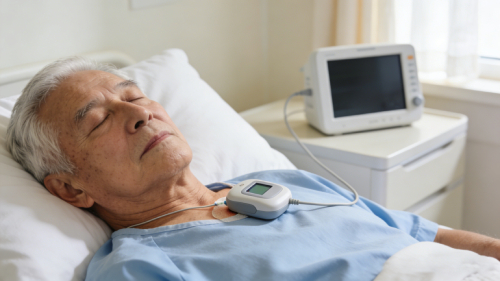
ECG devices monitor the electrical activity of the heart and help detect abnormal heart rhythms.
They are used for patients with:
-
arrhythmias
-
heart disease
-
post-cardiac surgery recovery
Continuous cardiac monitoring helps clinicians detect irregular heart rhythms early.
Example devices
-
Apple Watch ECG
-
AliveCor KardiaMobile ECG
-
BioTelemetry Cardiac Monitoring System
Wearable Remote Patient Monitoring Devices
Wearable technology is becoming an important part of modern remote monitoring medical devices.
Wearable RPM devices can track multiple health indicators simultaneously.
These include:
-
heart rate
-
sleep patterns
-
activity levels
-
stress indicators
Popular wearable monitoring devices
-
Apple Watch health monitoring features
-
Fitbit Health Solutions
-
Garmin Health wearable sensors
Wearable RPM devices are particularly useful for long-term patient monitoring and preventive healthcare.
Examples of Remote Patient Monitoring Devices
Below are some widely used remote patient monitoring devices currently used in healthcare programs.
| Device | Company | What It Monitors |
|---|---|---|
| Omron HeartGuide | Omron | Blood pressure |
| Dexcom G7 | Dexcom | Continuous glucose |
| Apple Watch ECG | Apple | Heart rhythm |
| Withings Body+ | Withings | Body weight |
| NoninConnect Pulse Oximeter | Nonin | Oxygen saturation |
These devices represent the growing ecosystem of remote patient monitoring equipment used by healthcare providers.
RPM Devices List for Healthcare Providers
Healthcare organizations often deploy multiple devices within RPM programs.
Below is a typical RPM device list used in healthcare settings.
| Device Type | Health Metric | Common Use Case |
|---|---|---|
| Blood pressure monitor | Blood pressure | Hypertension |
| Glucose monitor | Blood sugar | Diabetes |
| Pulse oximeter | Oxygen saturation | Respiratory disease |
| Smart weight scale | Body weight | Heart failure |
| ECG monitor | Heart rhythm | Cardiac monitoring |
| Activity tracker | Physical activity | Preventive care |
These medical devices used for remote patient monitoring allow clinicians to monitor patient health continuously and intervene earlier when problems arise.
Conditions Managed With Remote Patient Monitoring Devices
Remote patient monitoring devices are widely used to manage chronic conditions that require continuous monitoring.
Common conditions include:
-
Hypertension – monitored with connected blood pressure devices
-
Diabetes – managed using glucose monitoring systems
-
Heart failure – tracked using weight scales and cardiac monitors
-
COPD and respiratory diseases – monitored with pulse oximeters
-
Sleep apnea – tracked using wearable sleep monitoring devices
These devices help clinicians detect early warning signs and adjust treatment plans before complications occur.
Best Remote Patient Monitoring Devices for Healthcare Providers
Healthcare providers selecting remote monitoring medical devices should consider several key factors.
Clinical accuracy
Devices must meet medical-grade accuracy standards.
Connectivity
Devices should support reliable wireless transmission through:
-
Bluetooth
-
Wi-Fi
-
cellular connectivity
Ease of patient use
RPM devices should be simple enough for patients to use independently at home.
Data integration
Devices should integrate with electronic health record (EHR) systems and remote monitoring platforms.
Choosing the right remote patient monitoring equipment is critical for successful RPM program implementation.
How Remote Patient Monitoring Devices Integrate With EHR Systems
Modern remote monitoring devices are designed to integrate with healthcare IT infrastructure.
Data collected by RPM devices is transmitted to:
-
remote monitoring platforms
-
telehealth systems
-
electronic health record (EHR) systems
This integration enables clinicians to:
-
View RPM data alongside patient medical records
-
track long-term health trends
-
Receive automated alerts for abnormal readings
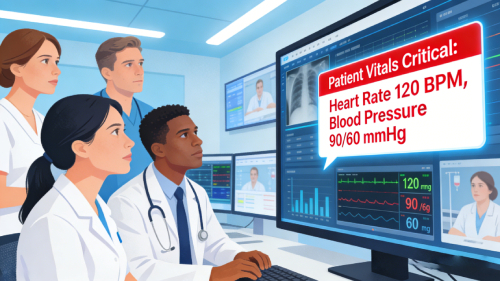
Efficient integration improves workflow efficiency and supports proactive patient care.
The Future of Remote Patient Monitoring Devices
Remote patient monitoring technology continues to evolve rapidly as healthcare systems adopt digital health solutions.
Emerging innovations include:
-
AI-powered predictive health monitoring
-
advanced wearable biosensors
-
implantable monitoring devices
-
real-time health analytics platforms
As healthcare moves toward preventive and value-based care, remote patient monitoring devices will play an increasingly important role in improving patient outcomes and reducing healthcare costs.
FAQ: Remote Patient Monitoring Devices
What devices are used for remote patient monitoring?
Common remote patient monitoring devices include blood pressure monitors, glucose monitoring systems, pulse oximeters, smart weight scales, ECG monitors, and wearable health trackers. These remote monitoring medical devices collect patient health data and automatically transmit it to healthcare providers for continuous monitoring.
What is the most common remote patient monitoring device?
Blood pressure monitors and glucose monitoring systems are among the most common remote patient monitoring devices. They are widely used in RPM programs to manage chronic conditions such as hypertension and diabetes by allowing clinicians to track patient health data remotely.
What conditions can remote patient monitoring devices track?
Remote patient monitoring devices are commonly used to monitor chronic conditions such as hypertension, diabetes, heart failure, COPD, and sleep apnea. These devices allow healthcare providers to detect early warning signs and adjust treatment plans before complications occur.
Are remote patient monitoring devices regulated?
Many remote patient monitoring devices are regulated by the U.S. Food and Drug Administration (FDA) as medical devices. This ensures that remote monitoring equipment meets safety, accuracy, and performance standards for clinical use.