Healthcare organizations across North America and Europe face mounting operational pressure to protect high-risk patients outside clinical walls. Hospital discharge windows have shortened considerably over the past decade, while chronic care caseloads continue to expand.
When vulnerable individuals return home without continuous safety oversight, minor domestic incidents quickly escalate into costly emergency readmissions. Deploying reliable personal emergency response solutions bridges this post-acute visibility gap and protects patients at home.
Key Takeaways for Healthcare Decision-Makers:
Post-Acute Risk Reduction: Continuous alert hardware protects patients during the critical 30-day window after hospital discharge.
Two Core Architectures: Stationary in-home PERS hubs serve frail homebound patients, while 4G LTE mPERS wearables protect active seniors outdoors.
Enterprise Integration: Modern devices connect directly to existing Alarm Receiving Centers (ARCs) and EHR dashboards via SIA DC-09 or RESTful APIs.
Care delivery has migrated steadily from inpatient hospital wards into private residences as healthcare networks work to balance clinical outcomes with sustainable budgets. According to demographic projections published by the U.S. Census Bureau, all baby boomers will reach age 65 or older by 2030. That shift expands the senior population to roughly 20 percent of the nation.
That demographic pressure strains traditional nursing ratios, stretches home-visit schedules thin, and forces medical directors to rethink patient oversight. Healthcare companies must scale continuous monitoring without proportionally inflating clinical payrolls.
The first 30 days following a hospital discharge represent the highest-risk period for medical complications, adverse drug events, and preventable falls. Patients frequently return home physically weakened, disoriented by updated prescription regimens, or living alone without daily family supervision.
Periodic follow-up phone calls from care coordinators only capture brief, retrospective snapshots rather than detecting acute emergencies in real time. Continuous monitoring devices for seniors give healthcare providers an always-on safety net during recovery.
Surveys consistently show that older adults strongly prefer remaining in their own homes rather than transitioning into assisted living or nursing facilities. Yet independent living introduces unmonitored environmental hazards across wet bathroom floors, poorly lit stairways, and outdoor walkways. Without remote oversight, a sudden fall can go unnoticed for hours.
Recognizing the cost savings of home-based care, insurance payers and Medicare Advantage plans increasingly reimburse connected safety technologies that safely delay institutionalization. Integrating a modern elderly monitoring system helps healthcare networks satisfy both patient autonomy and payer mandates.
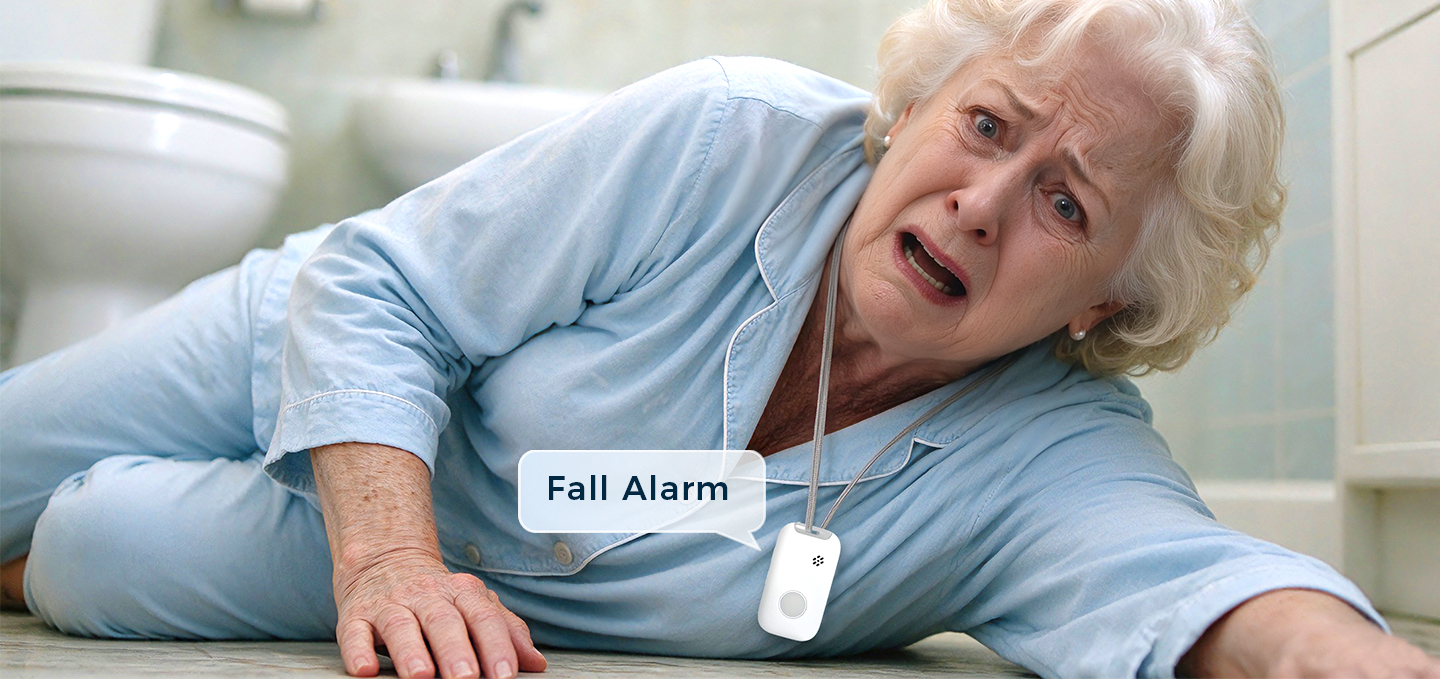
Delayed emergency intervention routinely turns manageable domestic accidents into life-threatening medical crises with prolonged hospital stays. Data from the Centers for Disease Control and Prevention (CDC) show that approximately 36 million older adults fall each year in the United States. Those falls result in over 3 million emergency department visits and $50 billion in annual medical costs.
Rapid alert hardware directly targets the response latency behind these severe clinical outcomes and escalating payer expenditures.
When a patient suffers a hard fall, stroke symptom, or sudden cardiac event, every passing minute without medical intervention worsens clinical prognosis. Legacy landline medical alerts fail whenever an injured person is unconscious or cannot reach a wall cord.
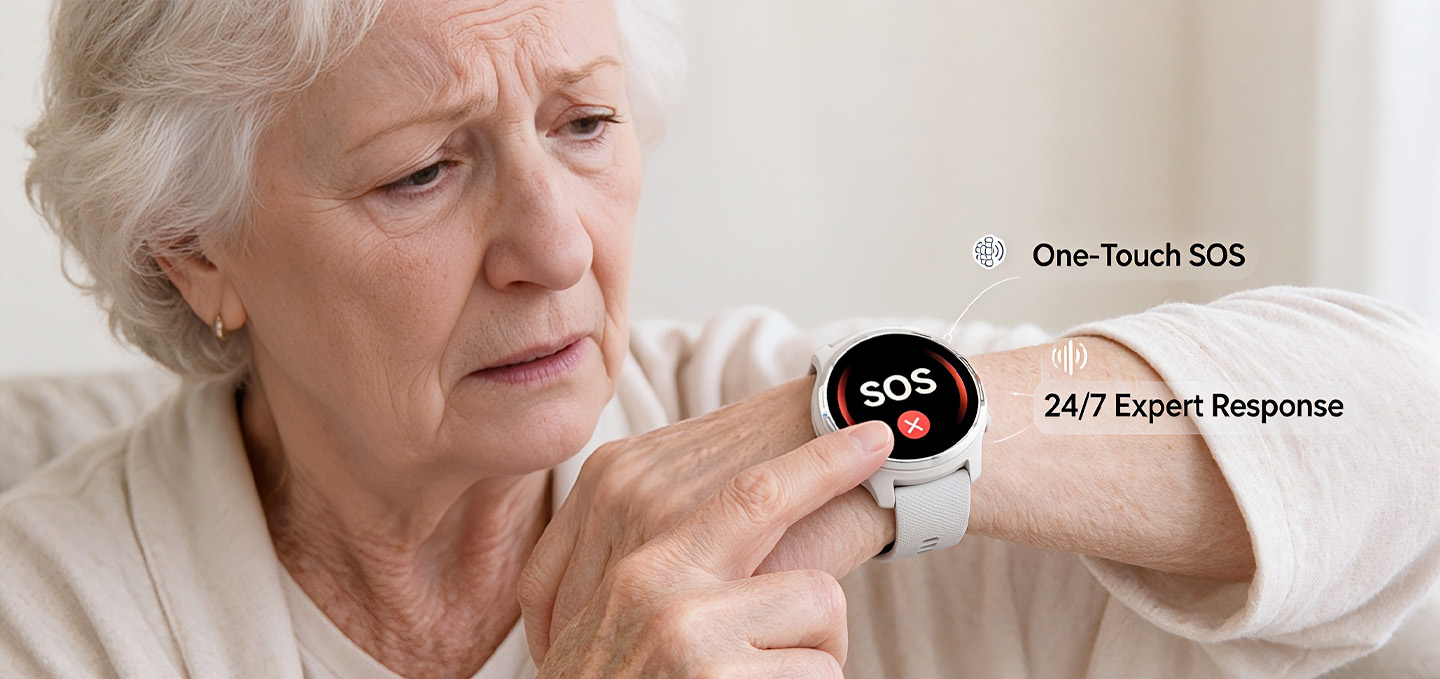
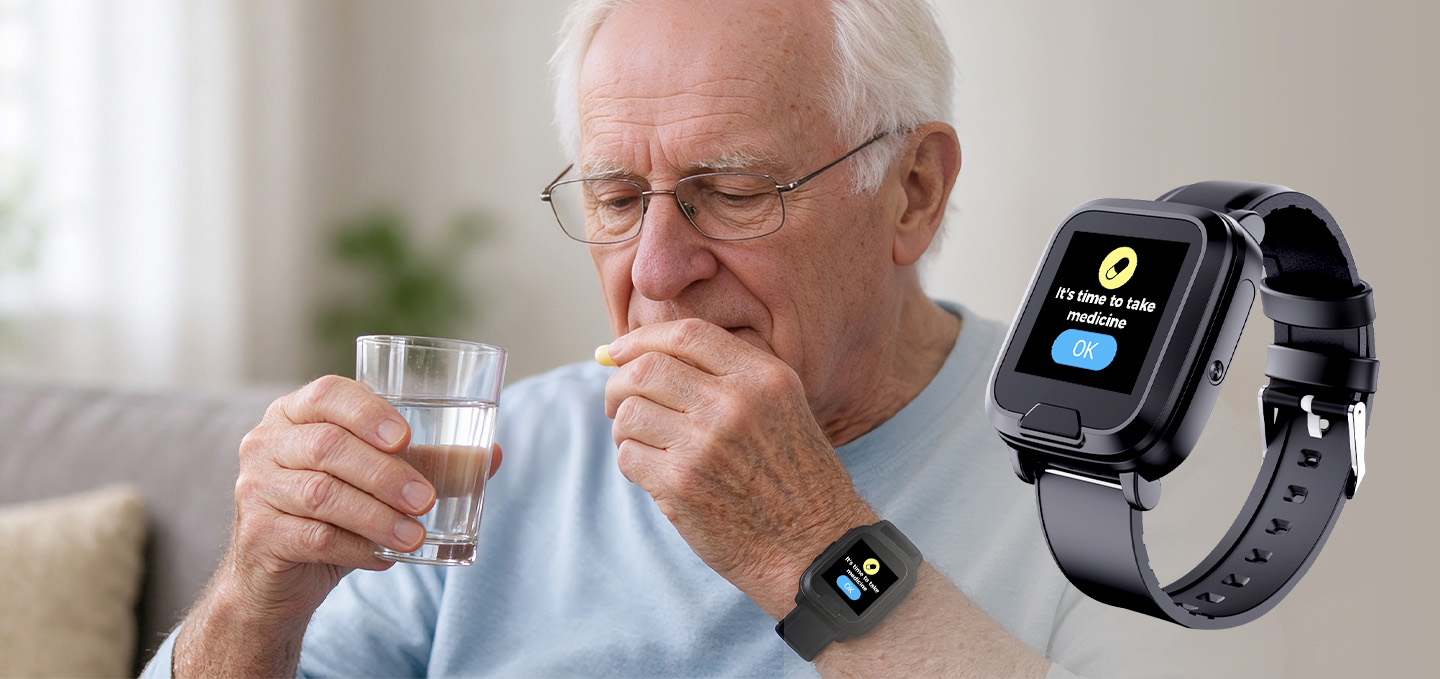
Modern wearable medical alert devices establish instant two-way cellular voice communication with a 24/7 response specialist at the press of a single button. Faster voice verification allows emergency dispatchers to send appropriate medical responders before complications compound.
Healthcare systems and post-acute care networks face strict financial penalties under value-based care contracts whenever discharged patients bounce back into inpatient beds within 30 days. A large share of these avoidable readmissions stems from unwitnessed home falls, medication dizziness, or delayed symptom escalation.
Equipped with automated fall detection devices, clinical care teams and monitoring centers receive immediate alert packets even when a patient loses consciousness. Early clinical intervention keeps fragile patients stable at home and protects institutional quality ratings.
| Care Challenge | Traditional Care Model | Connected PERS / mPERS Model | Measurable Clinical & Business Impact |
| Unwitnessed Falls at Home | Patient waits hours on the floor until a caregiver arrives | Multi-sensor accelerometer & barometer fall alert triggers automatically | Reduces “long-lie” complications and rhabdomyolysis risk |
| Out-of-Home Mobility | Protection restricted to 300–600 ft around a landline base | Standalone 4G LTE mPERS with GPS, Wi-Fi, BLE, and LBS positioning | Protects active seniors and mobile patients anywhere cellular coverage exists |
| Post-Discharge Monitoring | Periodic nurse phone check-ins every 7 to 14 days | 24/7 two-way voice SOS and real-time cloud telemetry integration | Lowers 30-day preventable emergency visits and readmission penalties |
| Staffing & Operational Cost | High field labor hours per routine in-person home check | Centralized Alarm Receiving Center (ARC) exception-based triage | Scales patient-to-coordinator ratios without adding clinical headcount |
Not every patient cohort requires the exact same hardware form factor, wearing style, or wireless connectivity architecture. Homebound individuals managing severe mobility limitations behave very differently from active seniors who drive, shop, and walk outdoors.
Healthcare organizations achieve significantly higher long-term patient adherence when they match device ergonomics and radio capabilities to actual daily routines. Evaluating both stationary hubs and mobile senior monitoring systems prevents costly deployment mismatches across diverse care programs.
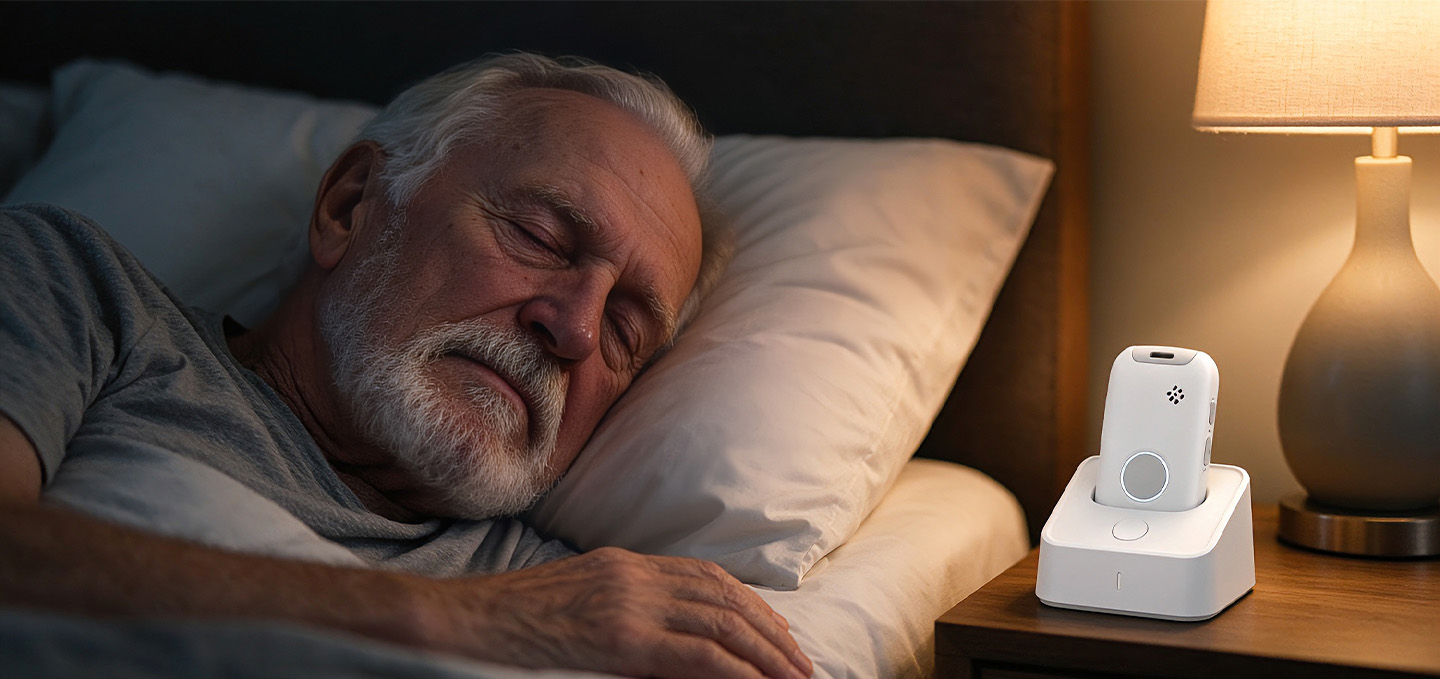
An in-home personal emergency response system centers around a tabletop cellular base hub paired with a lightweight, waterproof wrist or neck transmitter button. Because the desktop hub connects directly to standard residential wall power with internal backup power, frail patients maintain continuous indoor coverage.
High-gain speakerphones, noise-canceling microphones, and long-range sub-GHz RF links ensure crisp two-way voice pickup across multi-story residences and basements. This stationary architecture suits high-acuity, homebound patients who rarely leave their property unassisted.
Active older adults quickly abandon safety equipment that confines their daily movement to the perimeter of their living room. Mobile personal emergency response systems (mPERS) embed 4G LTE Cat-M1/NB-IoT cellular modems, multi-constellation GNSS, and two-way voice inside compact wearables. Multi-mode positioning combining GPS, Wi-Fi triangulation, Bluetooth Low Energy (BLE) beacons, and cellular LBS (Location-Based Services) helps responders pinpoint wearers outdoors and inside multi-unit buildings.
Selecting commercial telecare hardware for a multi-site healthcare rollout involves far more than comparing unit prices on a vendor specification sheet. Clinical procurement teams and IT directors must audit telecom certifications, sensor accuracy, battery life, and API compatibility.
That is where most healthcare procurement teams run into unexpected integration bottlenecks during pilot testing. Focusing on four core engineering benchmarks ensures smooth clinical adoption and reliable field performance.
Ongoing sunset transitions for legacy 2G and 3G cellular networks have rendered older medical alert transmitters obsolete across North America, Europe, and Asia-Pacific. Commercial devices must support 4G LTE Cat-M1 and NB-IoT bands with PTCRB, FCC, and CE approvals.
Strong indoor RF antenna sensitivity ensures emergency alert packets transmit reliably even through thick concrete apartment walls and rural coverage fringes. Consistent cellular uptime forms the foundation of any dependable personal emergency response device.
Early tilt-switch fall sensors frustrated both elderly wearers and monitoring operators with frequent false alarms triggered by routine sitting, bending, or dropping a device onto a bed. Modern wearables combine tri-axial accelerometers, gyroscopes, and barometers to measure vertical drops and stillness.
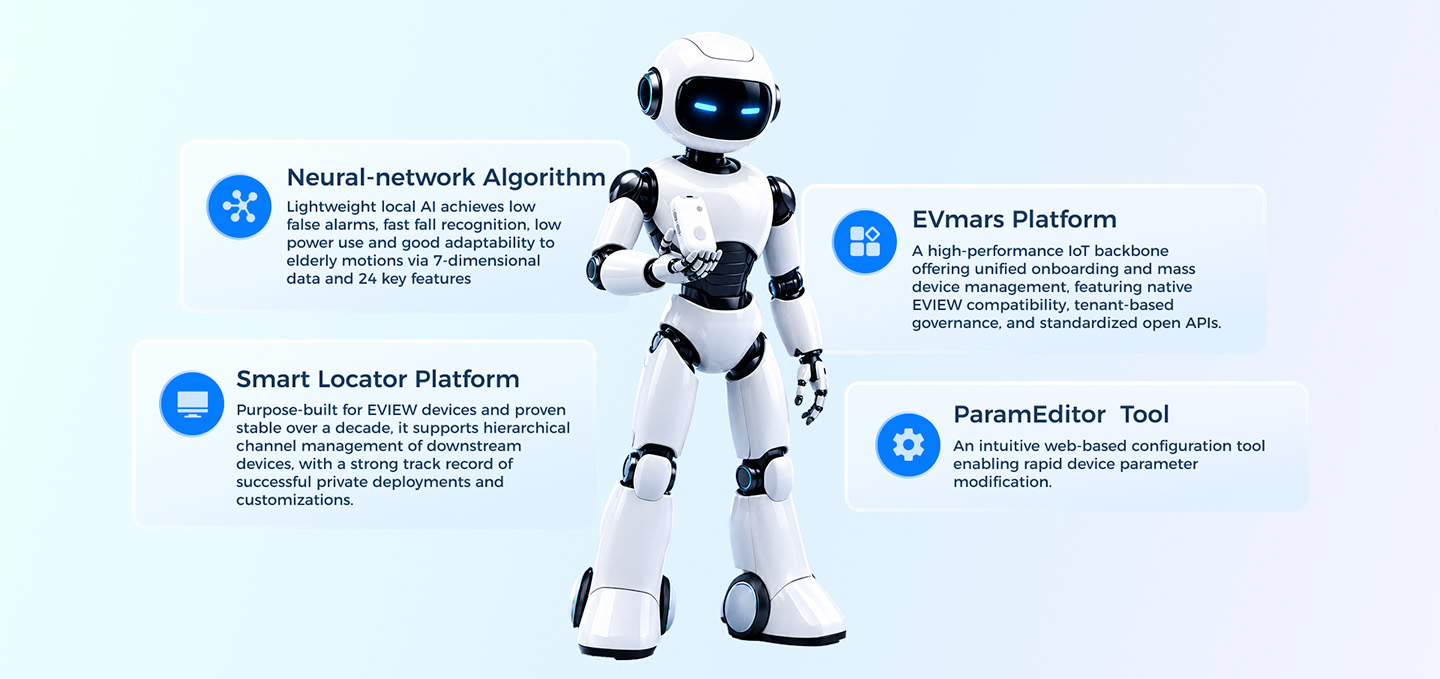
Refined embedded firmware algorithms distinguish genuine medical falls from everyday movements while maintaining high detection sensitivity. Lower false-alarm rates keep Alarm Receiving Centers focused on true life-safety emergencies.
Standalone proprietary hardware creates isolated data silos that slow down clinical triage workflows and frustrate care coordinators. Healthcare companies should prioritize connected hardware that integrates cleanly with EHR platforms and emergency response software.
Standard telecare signaling protocols like SIA DC-09 alongside documented RESTful APIs allow SOS triggers, fall alerts, multi-mode location coordinates, and device health telemetry to flow directly into dispatch consoles. Seamless software interoperability accelerates enterprise deployment across regional health systems.
Even the most accurate medical alert hardware fails to protect a patient if bulky housings or complex buttons cause them to leave it sitting on a nightstand. Featherweight enclosures, IP67 water resistance for shower safety, and intuitive magnetic charging cradles simplify daily use.
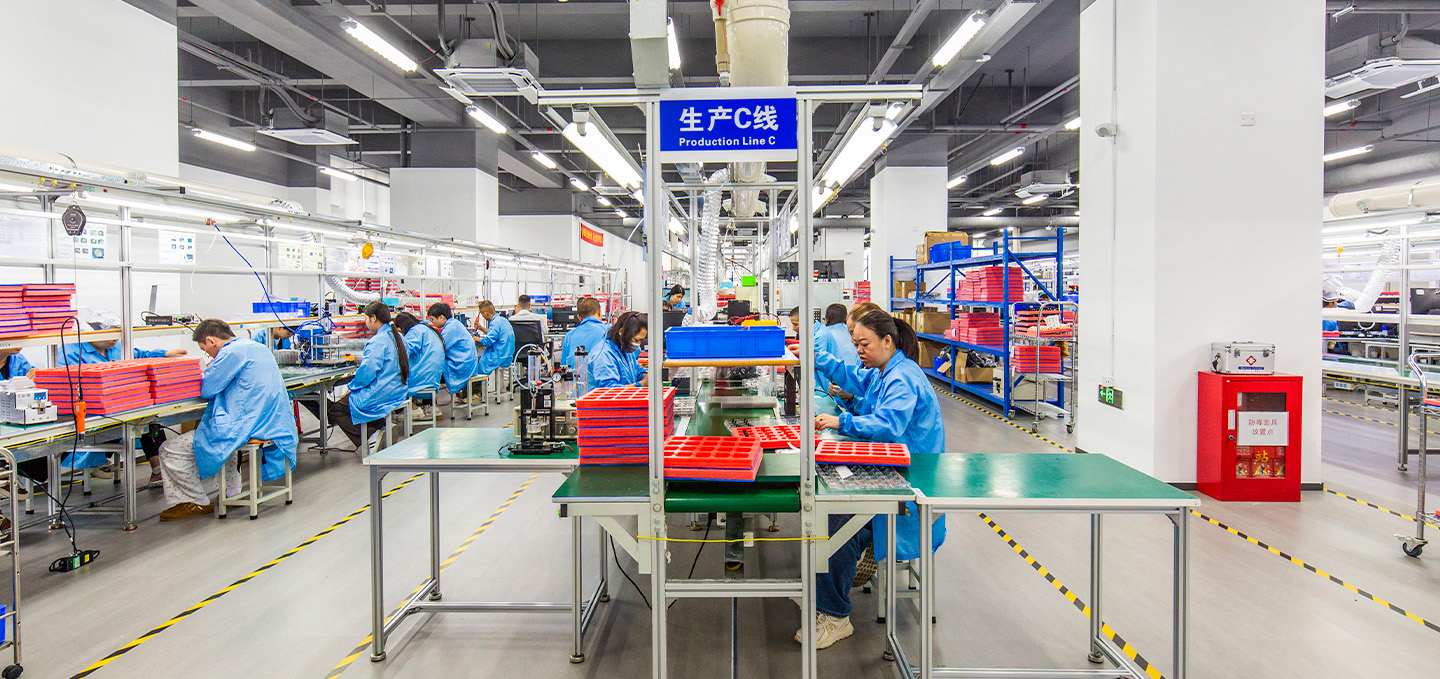
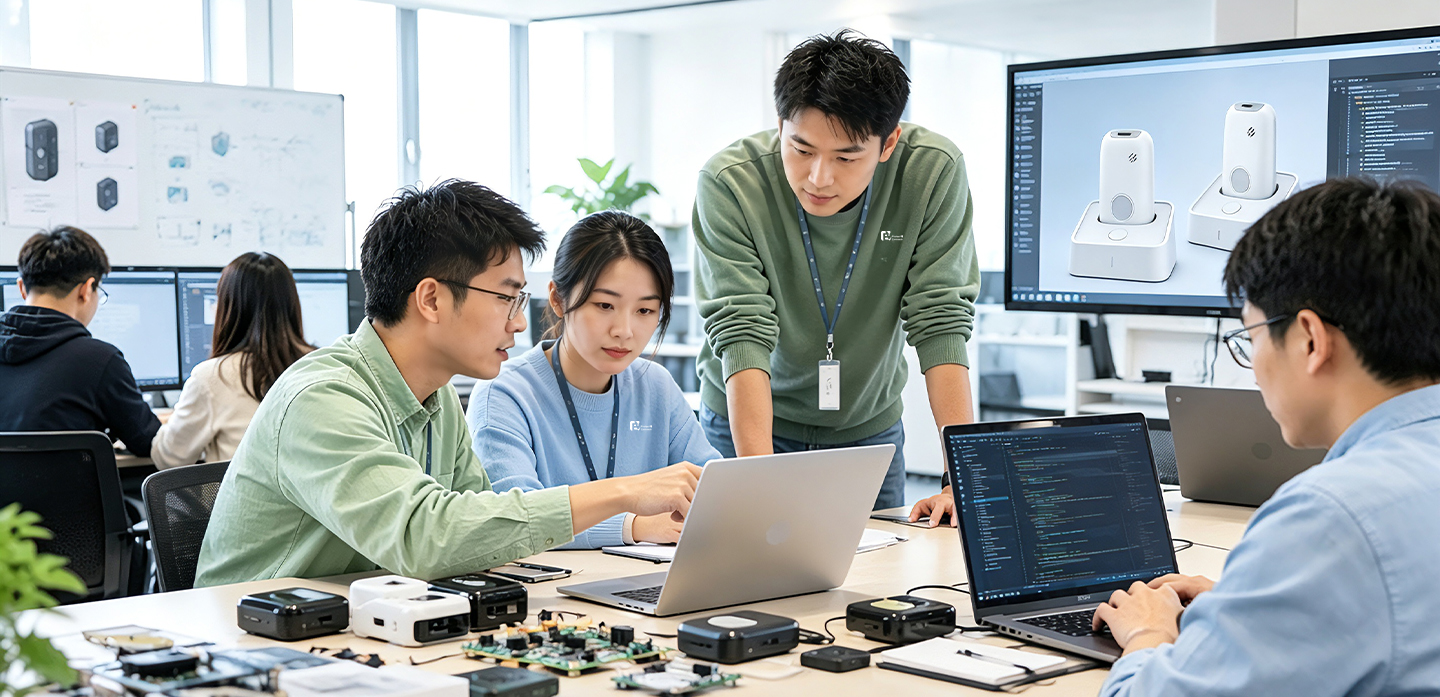
With 16 years of dedicated IoT R&D and independent manufacturing lines, Eview (Shenzhen Eview GPS Technology) engineers ultra-compact mPERS pendants, SOS watches, and in-home PERS hubs built around real-world senior ergonomics. Thoughtful industrial design and intuitive drop-in charging cradles directly sustain long-term patient adherence.
Rolling out personal emergency response solutions across thousands of chronically ill or aging patients introduces operational hurdles around user onboarding, reimbursement alignment, and fleet lifecycle management. Forward-thinking healthcare providers treat connected safety hardware as a structured clinical service program.
Addressing these operational friction points before launch protects clinical staff bandwidth and maximizes program return on investment.
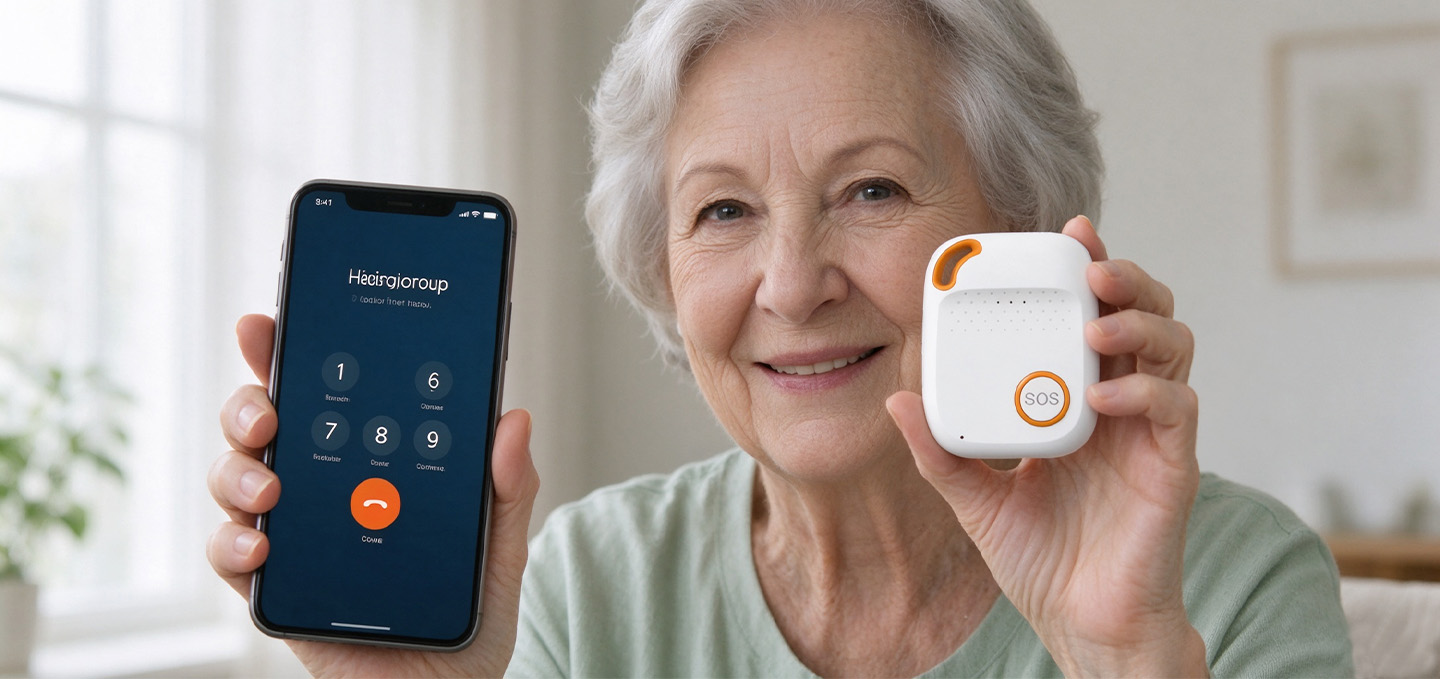
Many older adults feel intimidated by complex capacitive touchscreens, smartphone Bluetooth pairing procedures, and multi-step configuration menus. Purpose-built personal emergency response systems for seniors eliminate smartphone dependencies with pre-installed SIMs and single-button operation.
Large tactile SOS buttons, clear spoken voice prompts, and high-contrast LED status indicators empower patients to trigger help effortlessly during medical episodes. Out-of-the-box readiness slashes technical support calls for nursing and care-coordination teams.
Off-the-shelf consumer smartwatches rarely satisfy the rugged durability, medical-grade reliability, or private-label branding requirements of enterprise healthcare programs. Working with an established telecare OEM/ODM partner lets healthcare companies customize firmware, branding, and cloud routing.
For instance, Eview supports global healthcare providers and telecare operators with full-stack OEM/ODM customization—from industrial design and international telecom certification to mass production—under its “Connect to Protect” standard. Customizing hardware to match your clinical workflow creates durable operational differentiation.
Traditional PERS uses a stationary base station plugged into a home wall outlet, limiting protection to roughly 300–600 feet around the house. Mobile PERS (mPERS) embeds 4G LTE cellular connectivity, multi-mode positioning (GPS, Wi-Fi, BLE, and LBS), and two-way voice inside a wearable pendant or SOS watch.
Modern fall detection devices combine 3-axis accelerometers with barometric altitude sensors to detect sudden downward velocity followed by horizontal inactivity. While no sensor detects every slow slide to the floor, multi-sensor algorithms capture roughly 85% to 95% of abrupt falls while filtering out routine sitting motions.
No. Commercial cellular personal emergency response systems operate independently using built-in 4G LTE SIM cards. They transmit SOS alerts, GPS/Wi-Fi/BLE/LBS location data, and two-way voice directly to an Alarm Receiving Center without needing a paired smartphone or residential router.
Enterprise PERS and mPERS hardware integrate via standard telecare protocols (such as SIA DC-09) or RESTful cloud APIs. This allows emergency alerts, fall notifications, geofence breaches, and device status updates to populate directly inside existing emergency response management software or EHR triage dashboards.
Original Medicare (Parts A and B) generally does not cover standard medical alert hardware. However, many Medicare Advantage (Part C) plans, Medicaid Home and Community-Based Services (HCBS) waivers, and Veterans Health Administration programs reimburse elderly monitoring systems to support aging in place.
Healthcare buyers should verify regional telecom and safety certifications before procurement. Essential approvals include FCC and PTCRB for North America, CE and RED for Europe, RCM for Australia, alongside IP67 water-resistance ratings and ISO 13485 or ISO 9001 manufacturing quality standards. See our alert device supplier selection guide.

Phone: +86 130 5802 7647
Email: inquiries@eviewgps.com
Address: 2/F-4/F, Building 1, Longhua Digital Intelligent Manufacturing Centre, No.238 Longsheng Road, Longhua District, Shenzhen, China
© 2026 Eviews All rights reserved.
For any requirement, our team will be happy to respond to you inless than 24 hours.
Your information will be kept strictly confidential.