Launching a branded mobile personal emergency response service requires far more than purchasing generic tracking gadgets. Global telecare operators need hardware tailored to regional cellular bands, server protocols, and brand identity.
Sourcing OEM mPERS solutions allows B2B buyers to deploy proven, regulatory-certified wearables under their own label without bearing multi-year R&D overhead. Understanding customization boundaries, certification timelines, and firmware integration helps buyers launch faster and protect recurring service margins.
Key Takeaways for Global Telecare Buyers:
Faster Time-to-Market: OEM customization leverages pre-certified 4G LTE hardware platforms, cutting launch timelines from 12 months down to 4–8 weeks.
End-to-End Brand Control: Buyers can customize enclosure branding, localized voice prompts, packaging, and SIM pre-provisioning before factory shipment.
Direct Cloud Interoperability: Custom firmware builds map SOS packets, fall alerts, and GPS/Wi-Fi/BLE/LBS telemetry directly to your Alarm Receiving Center (ARC).
Reselling unbranded, generic alert devices leaves service providers vulnerable to price wars and zero customer lock-in. When subscribers see identical hardware sold across retail marketplaces, perceived service value drops immediately.
Investing in OEM mPERS hardware transforms a commodity device into a proprietary healthcare or personal safety asset. Custom branding builds subscriber trust while giving your technical team deeper control over device behavior.
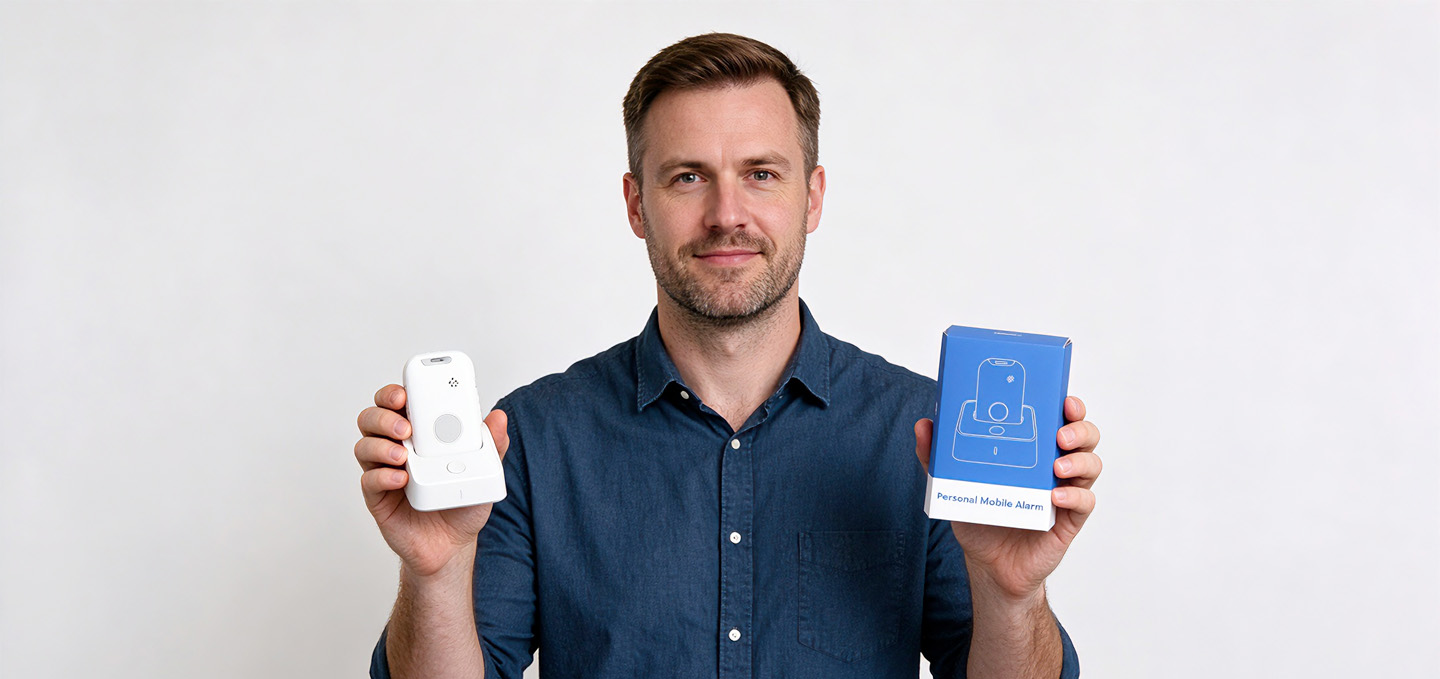
Every daily interaction a senior or lone worker has with a pendant or SOS watch reinforces the service provider’s reputation. Custom logo printing, branded magnetic charging cradles, and tailored mobile companion apps create a cohesive clinical experience.
When hardware feels purpose-built for your care program, families and institutional clients renew subscriptions at higher rates. Strong brand ownership insulates your business from low-cost retail competitors.
Every country and Alarm Receiving Center operates with distinct emergency escalation rules, language requirements, and network frequencies. Off-the-shelf consumer devices rarely support specialized telecare signaling formats like SIA DC-09 or custom TCP/UDP server handshakes.
Through OEM mPERS firmware configuration, manufacturers pre-load your exact server IP addresses, APN credentials, and multi-language audio prompts on the assembly line. Pre-configured devices eliminate manual setup errors for end users and field technicians.
Many procurement teams assume OEM partnerships only cover surface-level logo printing on plastic housings. In reality, working directly with an engineering-led factory unlocks deep hardware, firmware, and logistics customization.
Evaluating customization across four practical layers helps buyers scope realistic project budgets and schedules.
Visual customization begins with pad-printing or laser-engraving your brand logo onto the medical alert pendant or medical alert watch bezel. For medium-to-large production runs, factories can also mold enclosures in custom brand colors using medical-grade, hypoallergenic plastics.
Packaging customization includes branded retail boxes, large-print senior quick-start guides, custom lanyards, and tailored charging accessories. Cohesive unboxing materials reduce customer support inquiries during initial subscriber onboarding.
Clear audio feedback reassures older adults during high-stress emergencies, especially when vision is impaired. OEM firmware teams flash native voice prompts in English, Spanish, French, German, Japanese, and Nordic languages.
Buyers can also define button press durations, accidental-trigger cancellation windows, and LED indicator patterns. Tailored user interfaces prevent false dispatches while keeping operation intuitive for seniors.
Enterprise telecare networks require strict data security and seamless compatibility with existing emergency response software. Manufacturers customize firmware protocols—including SIA DC-09, HTTPS/TLS, and RESTful APIs—to reach your dispatch servers.
Additionally, Firmware Over-the-Air (FOTA) integration lets your operations team push parameter updates, adjust fall-detection thresholds, and monitor fleet status remotely.
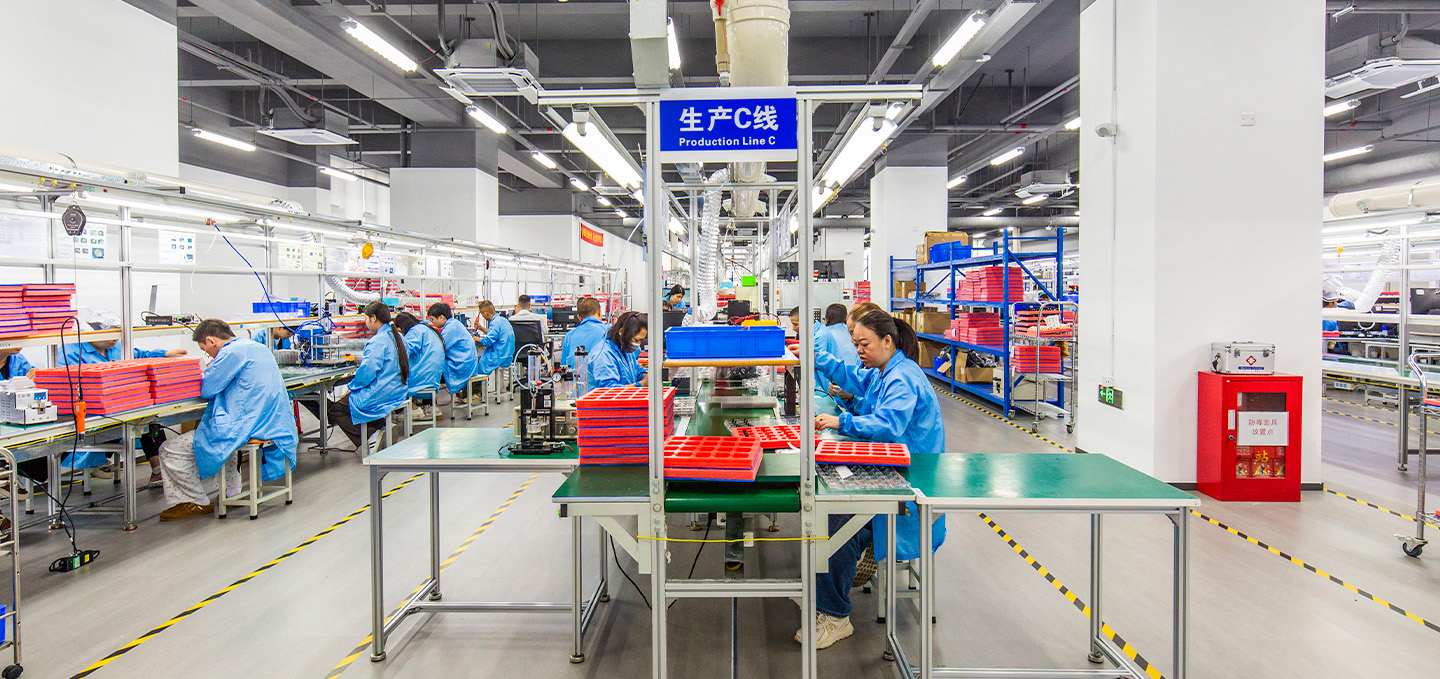
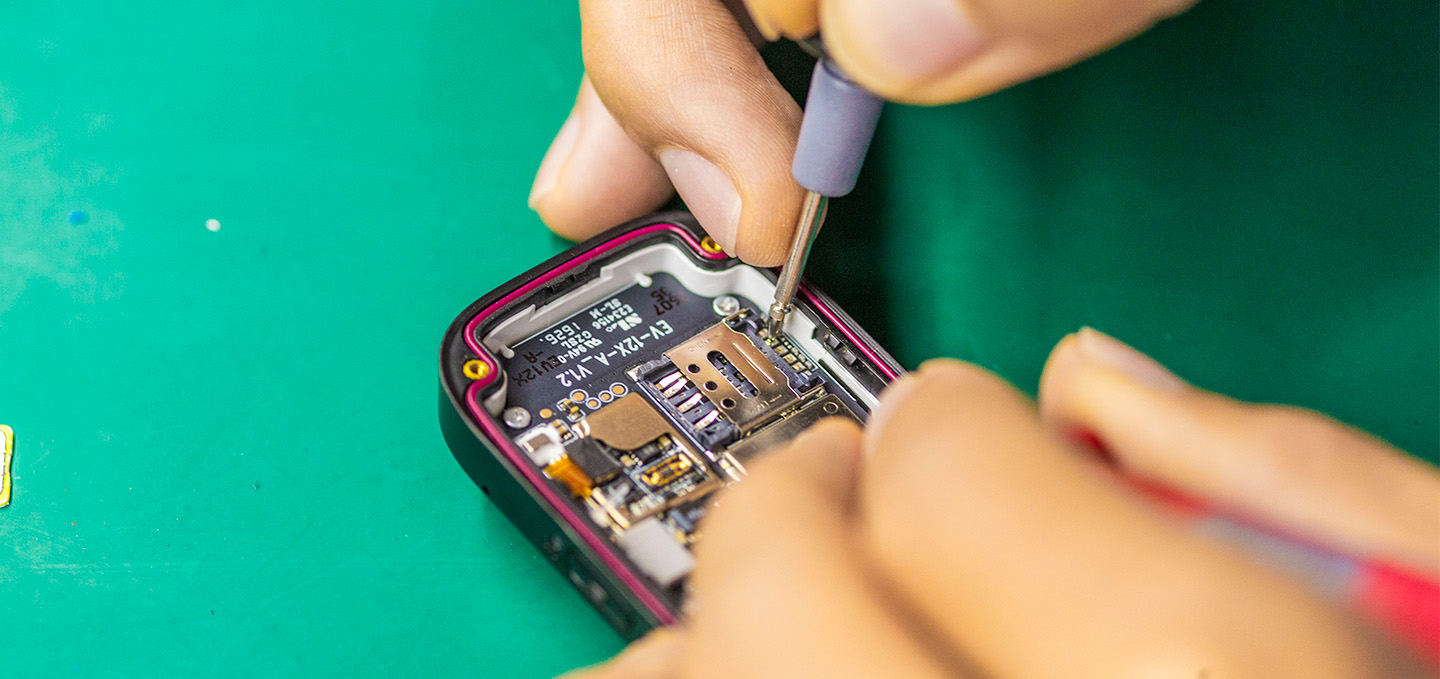
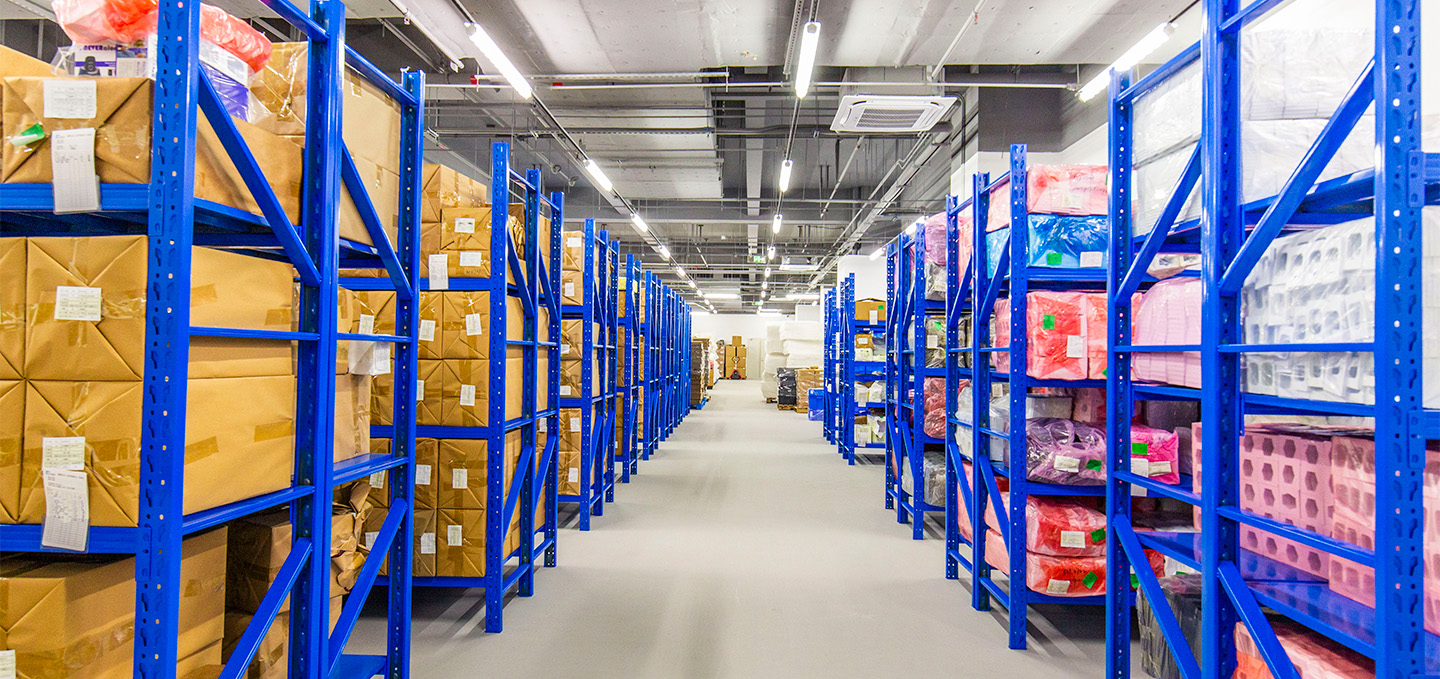
Shipping bulk hardware to a central warehouse just to open boxes, insert SIM cards, and flash settings wastes significant labor. Capable OEM factories insert your M2M/IoT nano-SIMs or eSIM profiles directly during final assembly.
Each unit undergoes automated live-network registration and GPS, Wi-Fi, BLE, and LBS signal verification before sealing the box.
| Customization Layer | Standard White-Label OEM | Deep OEM / Light ODM | Full Custom ODM |
| Enclosure & Tooling | Existing proven housing with custom logo & color | Existing PCB with modified buttons or bezel trim | Ground-up industrial design & custom injection molds |
| Firmware & Protocols | Custom APN, server IP, and localized voice prompts | Custom alert logic, sensor thresholds & API integration | Bespoke OS features & proprietary hardware peripherals |
| Telecom Certifications | Uses factory’s existing FCC, PTCRB, CE, and RED grants | Class II permissive change / label re-listing | Full new regional telecom & carrier certification suite |
| Typical MOQ & Lead Time | 300–1,000 units | 4–6 weeks | 1,000–3,000 units | 8–12 weeks | 3,000–5,000+ units | 4–6 months |
Deploying cellular wearables across international borders requires strict adherence to regional radio and safety regulations. Customs authorities and mobile network operators block uncertified personal emergency response systems from connecting to commercial LTE networks.
Understanding how OEM certification transfers work prevents costly regulatory delays during market entry.
Obtaining fresh FCC, PTCRB, CE, RED, and RCM certifications from scratch costs tens of thousands of dollars and takes months of lab testing. Choosing an OEM mPERS platform that already holds these regional approvals saves substantial capital.
When exterior housing dimensions and RF antenna layouts remain unchanged, buyers can often market the branded device under existing regulatory grants or file straightforward multiple-listing paperwork. Pre-certified hardware accelerates compliant commercial launches across North America, Europe, and Asia-Pacific.
Network carriers worldwide have retired legacy 2G and 3G towers, making modern 4G LTE support mandatory for life-safety hardware. Verify that your OEM platform supports regional LTE bands alongside VoLTE for crisp two-way emergency voice calls.
With 16 years of specialized IoT R&D and independent manufacturing lines, Eview (Shenzhen Eview GPS Technology) builds multi-band 4G LTE Cat-M1/NB-IoT mPERS pendants, SOS watches, and in-home PERS hubs pre-certified for global markets. Proven RF engineering ensures dependable indoor signal penetration across diverse carrier networks.
Moving smoothly from initial vendor inquiry to commercial subscriber rollout requires clear technical milestones between your team and the factory. Following a structured five-stage launch workflow eliminates ambiguity and keeps delivery schedules on track.
Use this proven sequence when executing your OEM hardware project:
Define Technical and Branding Specifications: Finalize target cellular regions, preferred form factors (pendant, watch, or hub), server protocol requirements, and artwork files.
Evaluate Golden Engineering Samples: Test pre-production units in real apartments, elevators, and outdoor zones to validate voice clarity, fall detection, and GPS/Wi-Fi/BLE/LBS positioning.
Approve Pre-Production Prototype (PP Sample): Inspect the first custom-branded unit featuring your logo, localized voice prompts, packaging, and live server handshake.
Monitor Mass Production and Automated QC: Require factory quality reports covering incoming component checks, RF calibration, IP67 waterproof pressure testing, and battery aging.
Execute Pilot Rollout and FOTA Verification: Deploy the initial batch to a controlled user group while verifying remote cloud diagnostics and over-the-air update stability.
Operating from Shenzhen’s world-class IoT supply chain, Eview guides global telecare partners through every phase of this OEM/ODM workflow under its “Connect to Protect” quality standard. Disciplined execution turns custom hardware development into a predictable commercial launch.
Building a resilient telecare business requires aligning hardware customization with long-term clinical goals. See our pillar guide on personal emergency response solutions.
You can also benchmark factory engineering capabilities using our checklist on how to choose the right mPERS manufacturer and our medical alert device supplier selection guide—combining rigorous supplier vetting with tailored OEM hardware positions your brand for sustainable growth.
OEM mPERS customizes an existing, pre-certified hardware platform with your brand logo, packaging, localized voice prompts, and server settings. ODM mPERS involves designing a completely new enclosure, PCB layout, and tooling from scratch to match unique hardware specifications.
Most direct B2B manufacturers set MOQs between 300 and 1,000 units per model for white-label or custom-branded OEM orders. Projects requiring custom housing molds or deep hardware modifications generally start at 3,000 to 5,000 units.
Yes. Experienced manufacturers customize device firmware to transmit alerts via standard protocols such as SIA DC-09 or custom RESTful/TCP APIs, allowing SOS calls, fall alerts, and GPS/Wi-Fi/BLE/LBS coordinates to integrate directly into your existing ARC software.
Usually no, provided the internal RF circuitry, antenna design, and exterior housing structure remain identical to the certified base model. Buyers typically complete simple brand-listing or Permissive Change documentation rather than repeating full lab testing.
Yes. Direct manufacturers routinely insert client-supplied M2M/IoT SIM cards, flash custom APN and server IP parameters, and run live network registration tests on the assembly line so devices arrive ready for immediate end-user deployment.
Standard OEM orders—covering logo printing, custom packaging, voice prompt localization, and server configuration—typically take 4 to 8 weeks from artwork approval to shipment. Custom firmware development or new regional carrier certifications may add 4 to 8 weeks.

Phone: +86 130 5802 7647
Email: inquiries@eviewgps.com
Address: 2/F-4/F, Building 1, Longhua Digital Intelligent Manufacturing Centre, No.238 Longsheng Road, Longhua District, Shenzhen, China
© 2026 Eviews All rights reserved.
For any requirement, our team will be happy to respond to you inless than 24 hours.
Your information will be kept strictly confidential.