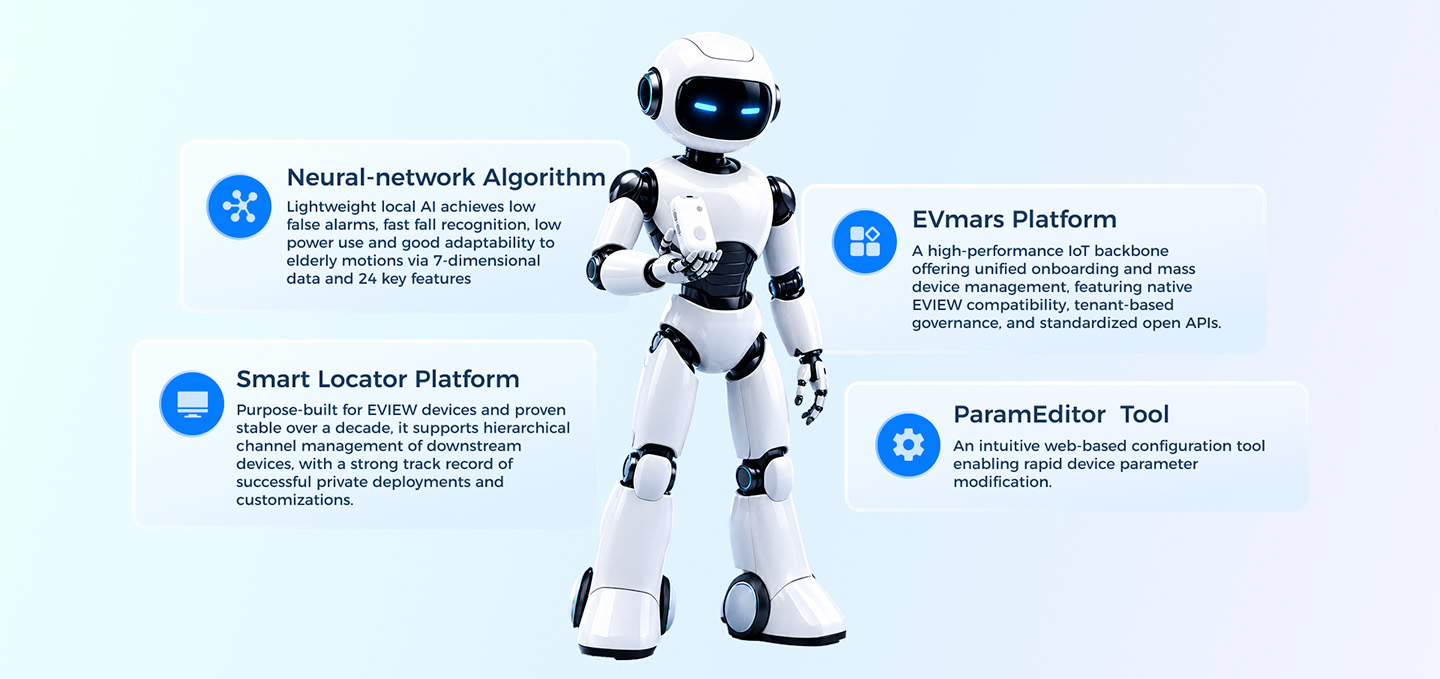
mPERS manufacturer software architecture showing neural-network fall algorithm, EVmars IoT platform, and ParamEditor tool

Selecting a hardware supplier defines the reliability, profit margin, and reputation of your mobile telecare service. When a senior presses an emergency button or falls, device failure is never acceptable.

Partnering with an experienced mPERS manufacturer protects your business from costly recalls, network sunset disruptions, and high customer churn. A structured vetting process helps procurement teams separate true engineering partners from basic assembly brokers.


Key Takeaways for B2B Telecare Buyers:

  • Direct Engineering Control: Choose a manufacturer with in-house R&D, SMT production lines, and firmware teams rather than a trading middleman.

  • Global Telecom Compliance: Verify native 4G LTE Cat-M1/NB-IoT support alongside regional approvals like FCC, PTCRB, CE, and RED.

  • Platform Interoperability: Ensure devices support SIA DC-09 or open RESTful APIs to connect directly with your Alarm Receiving Center.


Why Your Choice of mPERS Manufacturer Determines Service Profitability

Hardware acquisition represents only a fraction of your total lifetime cost when running a commercial monitoring operation. Cheap, poorly engineered personal emergency response devices erode subscription profits through field replacements and support calls.

Every unexpected device failure forces your operations team to ship replacement units, re-provision SIM cards, and rebuild lost subscriber trust. Evaluating manufacturing depth upfront protects your long-term operating margin.


The Hidden Cost of High False-Alarm Rates

Inaccurate fall detection sensors overwhelm Alarm Receiving Centers (ARCs) with unnecessary emergency dispatches and operator fatigue. When an mPERS device triggers false alerts during routine sitting or bending, monitoring labor costs climb rapidly.

Reliable manufacturers solve this by pairing tri-axial accelerometers with barometric pressure sensors and refined motion algorithms. Lower false-alarm rates keep your dispatch team focused on genuine life-safety emergencies.


Avoiding Network Sunset and Certification Delays

Telecom carriers across North America, Europe, and Asia-Pacific have decommissioned legacy 2G and 3G cellular infrastructure. Sourcing hardware built on outdated cellular modems or lacking carrier certifications stalls commercial launches for months.

A qualified mPERS manufacturer designs around multi-band 4G LTE Cat-M1 and NB-IoT chipsets certified for your exact target markets. Pre-certified hardware accelerates regulatory clearance and prevents sudden network dropouts.


Core Engineering Capabilities to Audit Before Signing a Contract

Reviewing a glossy product brochure rarely reveals how a factory handles RF antenna tuning, waterproof sealing, or firmware stability. Your technical evaluation should inspect the manufacturer’s core hardware and software engineering stack before placing pilot orders.

Focusing on four foundational engineering pillars eliminates guesswork during supplier qualification.


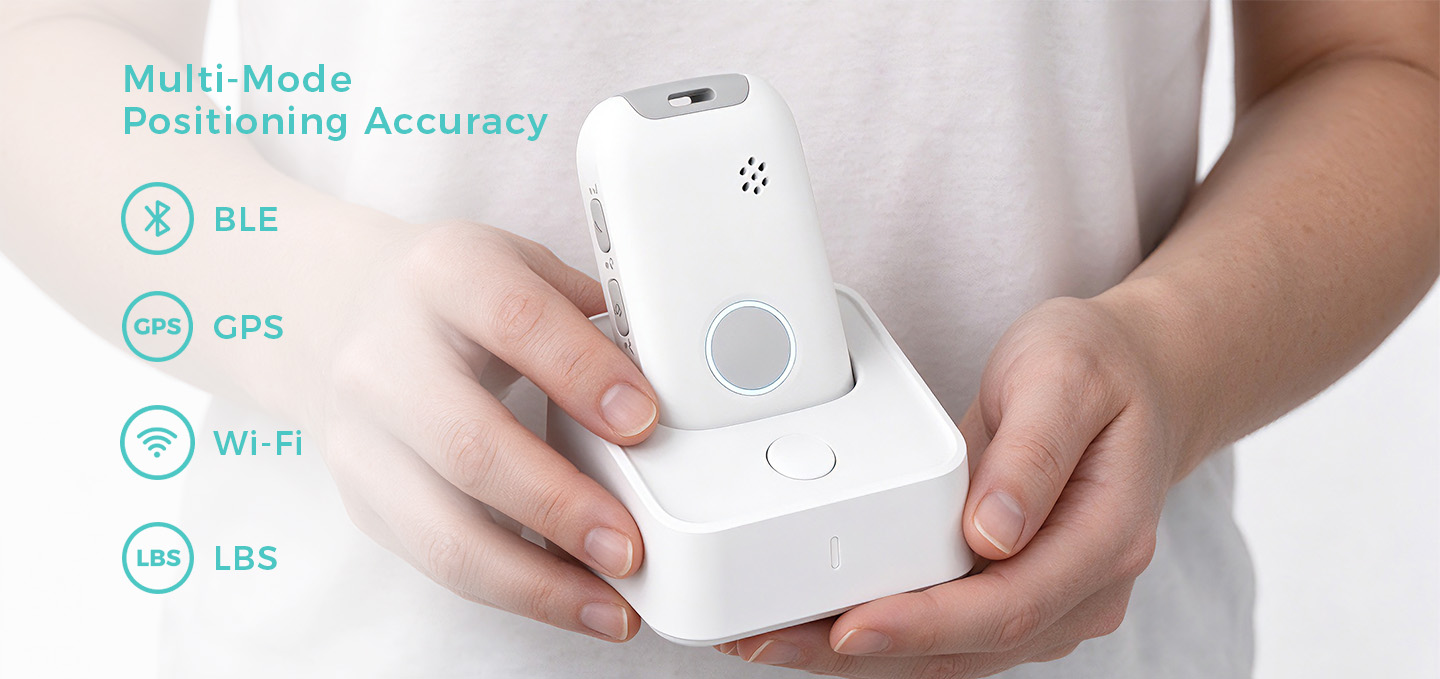
Multi-Mode Positioning Accuracy (GPS, Wi-Fi, BLE, and LBS)

Outdoor GPS satellites alone cannot pinpoint a wearer inside shopping malls, concrete apartment complexes, or basement clinics. Modern mobile personal emergency response systems blend GNSS satellites with Wi-Fi triangulation, Bluetooth Low Energy (BLE) beacons, and cellular LBS (Location-Based Services).

When an emergency occurs, hybrid positioning falls back seamlessly from GPS/Wi-Fi/BLE to cellular tower LBS so responders always receive actionable coordinates. Multi-mode location engines dramatically reduce emergency response latency across urban and indoor environments.


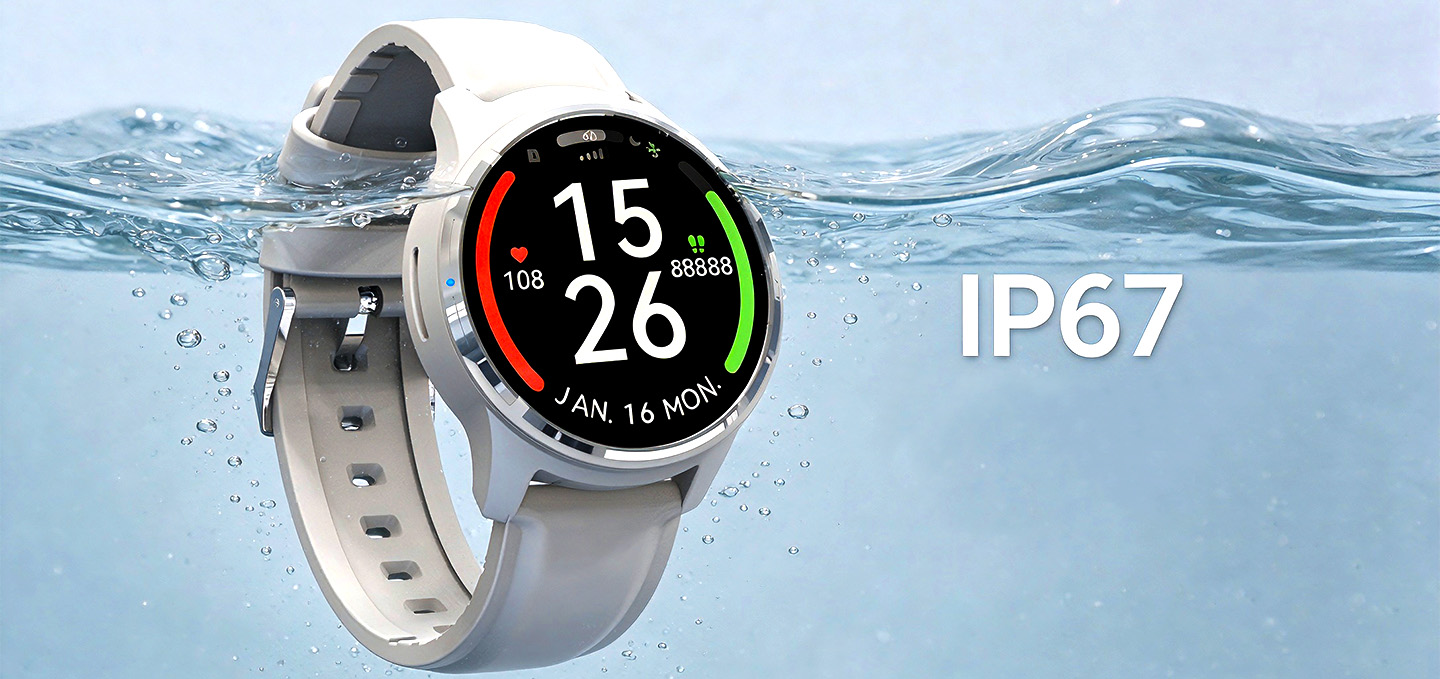
Rugged Waterproofing and Senior-Friendly Ergonomics

Older adults and lone workers wear emergency pendants and SOS watches in showers, gardens, and humid outdoor conditions. Devices lacking verified IP67 or IP68 ingress protection fail prematurely from moisture intrusion and daily wear.

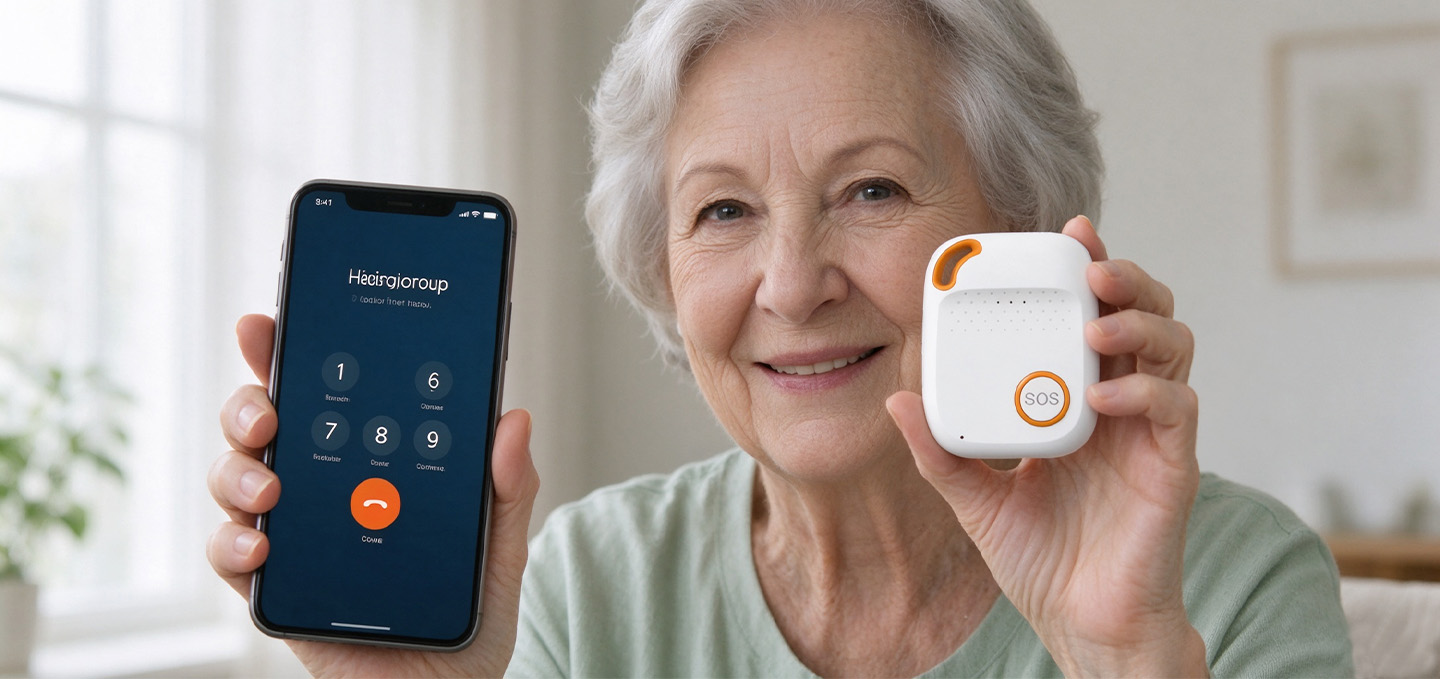
Equally important are tactile SOS buttons, loud two-way voice speakers, and intuitive magnetic charging cradles that accommodate limited dexterity. Comfortable, easy-to-charge wearables directly sustain high daily subscriber adherence.


RF Signal Sensitivity and Low-Latency Emergency Transmission

Weak cellular antenna tuning causes SOS packets to drop inside elevators, underground garages, or rural fringes. Poorly engineered RF front-ends struggle to maintain stable 4G LTE links when a user needs emergency voice communication most.

Top-tier engineering teams optimize multi-band antenna efficiency and cellular handover logic across Cat-M1, NB-IoT, and VoLTE networks. Reliable RF engineering guarantees fast emergency call connection even in challenging signal environments.


Open API Integration and Cloud Device Management

Enterprise telecare operators need complete visibility and control over thousands of deployed devices without manual touch. Your supplier should provide documented RESTful APIs, standard SIA DC-09 reporting protocols, and over-the-air (FOTA) firmware updates.

Remote diagnostic portals let your engineers adjust geofences, fall sensitivity, and reporting intervals without recalling hardware from the field. Open software architecture ensures smooth integration with your existing emergency response software.

 
Evaluation DimensionBasic Trading / Assembly VendorDedicated Engineering mPERS ManufacturerBusiness Impact for Telecare Operators
R&D & Production ControlOutsources PCB design and firmware; limited bug-fix speedIn-house RF, firmware, ID design, and independent SMT linesFaster firmware patches and consistent batch quality
Cellular & Regional ApprovalsGeneric modules lacking PTCRB, RED, or carrier sign-offPre-certified 4G LTE Cat-M1/NB-IoT for US, EU, and APACEliminates customs holds and network compatibility failures
Location & Fall DetectionBasic GPS-only tracking and simple tilt-switch sensorsHybrid GPS + Wi-Fi + BLE + LBS plus barometer fall algorithmsCuts false alarms and pinpoints wearers indoors
Customization & FOTAFixed off-the-shelf housing with minimal branding optionsFull OEM/ODM hardware, enclosure, and cloud API customizationBuilds brand differentiation and lowers field maintenance cost
 

Evaluating OEM and ODM Customization Depth

As your subscriber base grows, differentiating your service from generic competitors becomes essential for winning healthcare contracts. Off-the-shelf medical alert devices often lock you into rigid firmware behaviors and unbranded packaging.

Working with a partner offering flexible OEM and ODM services lets you tailor both hardware appearance and system logic. Understanding the scope of customization available helps you plan a scalable product roadmap.


Private-Label Branding and Industrial Design Flexibility

Enterprise buyers frequently require custom housing colors, laser-engraved logos, localized voice prompts, and branded charging docks. For larger volume commitments, full ODM capabilities allow custom enclosure tooling tailored to specific senior or lone-worker ergonomics.

With 16 years of dedicated IoT experience and independent manufacturing lines, Eview (Shenzhen Eview GPS Technology) provides end-to-end OEM and ODM customization across mPERS pendants, SOS watches, and in-home PERS hubs. Customizing industrial design and packaging reinforces your brand authority at every customer touchpoint.

Firmware Logic and Protocol Customization

Every Alarm Receiving Center and healthcare network operates with distinct escalation rules, check-in intervals, and server security requirements. Your hardware partner must modify embedded firmware to match your exact server handshake and encryption standards.

Direct access to firmware engineers ensures rapid adaptation when telecom carriers update network parameters or security certificates. Flexible firmware control keeps your deployed hardware fleet future-ready.


Quality Control, Certifications, and Supply Chain Resilience

Even a well-designed prototype fails commercially if mass production suffers from inconsistent soldering, weak batteries, or component shortages. Auditing factory quality management systems protects your business from costly batch defects.

Before finalizing any supply agreement, verify both regulatory documentation and shop-floor testing protocols.


Essential Global Telecom and Safety Certifications

Legitimate B2B hardware suppliers maintain up-to-date compliance documentation for every target region you plan to serve. Require verified test reports covering FCC, PTCRB, CE, RED, and RCM compliance.

Additionally, confirm RoHS and REACH environmental compliance alongside UN38.3 safety certifications for shipping lithium-ion wearable batteries. Complete certification packages prevent regulatory fines and import delays.


Factory Testing Standards and Scalable Production Capacity

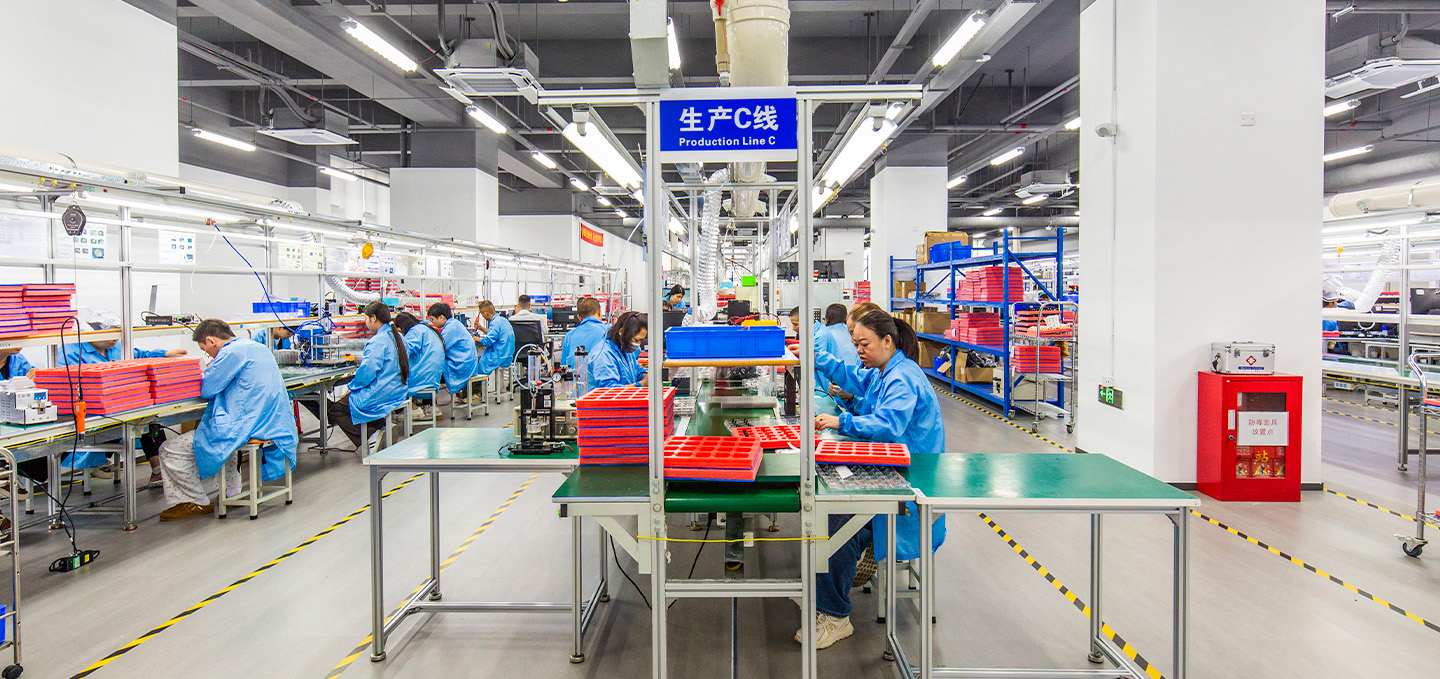
Ask prospective suppliers to detail their incoming component inspection, automated optical inspection (AOI), RF calibration, and waterproof pressure testing workflows. Every single mPERS device should undergo automated RF signal and functional aging checks before leaving the assembly line.

Operating out of Shenzhen’s world-class IoT supply chain, Eview combines strict multi-stage quality testing with scalable production lines under its “Connect to Protect” manufacturing standard. Proven mass-production discipline guarantees consistent hardware reliability from pilot runs to tens of thousands of units.


Step-by-Step Due Diligence Checklist for B2B Buyers

Transitioning to a new hardware supplier requires a disciplined validation workflow before committing capital to bulk inventory. Following a structured four-step evaluation minimizes technical surprises and aligns internal stakeholders.

Use this practical sequence to qualify your shortlisted vendors:

  1. Audit Technical Documentation and Certifications: Request full datasheets, API integration guides, and valid FCC, PTCRB, or CE certificates before ordering samples.

  2. Run Field Pilot Tests Across Real Environments: Test engineering samples inside concrete apartments, elevators, and rural zones to verify cellular signal, voice clarity, and GPS/Wi-Fi/BLE/LBS positioning.

  3. Validate ARC Server Integration: Connect pilot devices to your Alarm Receiving Center platform to test SIA DC-09 packet formatting, fall alerts, and FOTA updates.

  4. Confirm Warranty, RMA, and Lead-Time Terms: Lock in clear defect replacement SLAs, spare-part availability, and guaranteed production lead times in your master supply contract.

Integrating these vetted devices into a broader personal emergency response solution for healthcare companies creates a dependable, recurring-revenue telecare service. Thorough due diligence turns hardware sourcing into a lasting competitive advantage.


Frequently Asked Questions About Choosing an mPERS Manufacturer

What is the difference between an mPERS OEM and ODM manufacturer?

An OEM (mPERS manufacturer) customizes existing proven hardware platforms with your brand logo, packaging, voice prompts, and server settings. An ODM partner handles ground-up industrial design, PCB layout, and tooling to build a completely unique device tailored to your specifications.


What minimum order quantities (MOQs) do mPERS manufacturers typically require?

Standard white-label or lightly branded OEM orders typically start between 300 and 1,000 units per model, depending on packaging and SIM pre-provisioning needs. Full custom ODM tooling projects usually require higher volume commitments of 3,000 to 5,000 units or more.


How long does it take to customize and launch an OEM mPERS device?

Customizing existing pre-certified hardware—including logo printing, localized voice files, firmware server configuration, and custom boxes—generally takes 4 to 8 weeks. Developing a brand-new ODM enclosure with fresh regional telecom certifications typically requires 4 to 6 months.


Which cellular bands are required for North American and European mPERS deployments?

North American deployments require 4G LTE Cat-M1 and VoLTE bands (such as B2, B4, B12, B13, B66, B71) with FCC and PTCRB approvals. European deployments require LTE bands B1, B3, B7, B8, B20, and B28 backed by CE and RED compliance.


How do I verify a supplier’s fall detection accuracy before bulk purchasing?

Request standardized drop-test and human-simulation test reports during sample evaluation, then run a 2-to-4-week pilot with actual staff or senior testers. Evaluate both true fall capture rates and false-alarm frequency during everyday activities like sitting or driving.


Can an mPERS manufacturer pre-install SIM cards and configure APN settings at the factory?

Yes. Experienced B2B suppliers insert your M2M/IoT SIM cards, flash custom APN and server IP parameters, and verify live cloud registration on the assembly line so devices arrive ready for immediate subscriber deployment.

 

Contact us

For any requirement, our team will be happy to respond to you inless than 24 hours.

Your information will be kept strictly confidential.