Sourcing reliable emergency alert hardware is one of the highest-stakes procurement decisions for healthcare organizations and home-care networks. A single hardware failure or cellular dropout can delay critical emergency dispatch and damage institutional credibility.
Choosing the right medical alert device supplier ensures consistent device uptime, smooth software integration, and predictable total cost of ownership. A disciplined supplier evaluation framework helps healthcare buyers secure dependable hardware while maximizing clinical return on investment.
Key Takeaways for Healthcare Procurement Teams:
Verify Clinical-Grade Reliability: Prioritize suppliers offering multi-band 4G LTE Cat-M1/NB-IoT connectivity, IP67 waterproofing, and multi-sensor fall detection.
Demand Open Platform Integration: Confirm support for SIA DC-09 and RESTful APIs so devices feed directly into your existing care dashboards.
Evaluate Lifecycle Support: Look beyond unit pricing to assess warranty SLAs, over-the-air firmware updates (FOTA), and scalable OEM/ODM customization.
Consumer retail brands rarely design hardware for continuous, multi-year healthcare deployments across hundreds or thousands of patients. Retail smartwatches rely on paired smartphones, lack dedicated SOS buttons, and offer no integration with clinical triage platforms.
Partnering with a dedicated B2B medical alert device supplier gives healthcare providers purpose-built hardware engineered for vulnerable populations. Specialized suppliers understand regulatory compliance, enterprise fleet management, and long-term component availability.
When a homebound senior experiences a sudden fall or cardiac episode, emergency response speed directly impacts clinical recovery. Unreliable medical alert devices with weak cellular reception expose healthcare organizations to severe liability.
Commercial-grade suppliers build redundant cellular antennas, high-gain two-way voice speakers, and rugged enclosures tested for daily shower and outdoor use. Dependable hardware performance protects patient lives and strengthens institutional trust.
Low upfront hardware quotes frequently mask high hidden expenses from frequent device replacements, false-alarm dispatches, and manual configuration labor. Every unit that requires field troubleshooting drains nursing and IT support bandwidth.
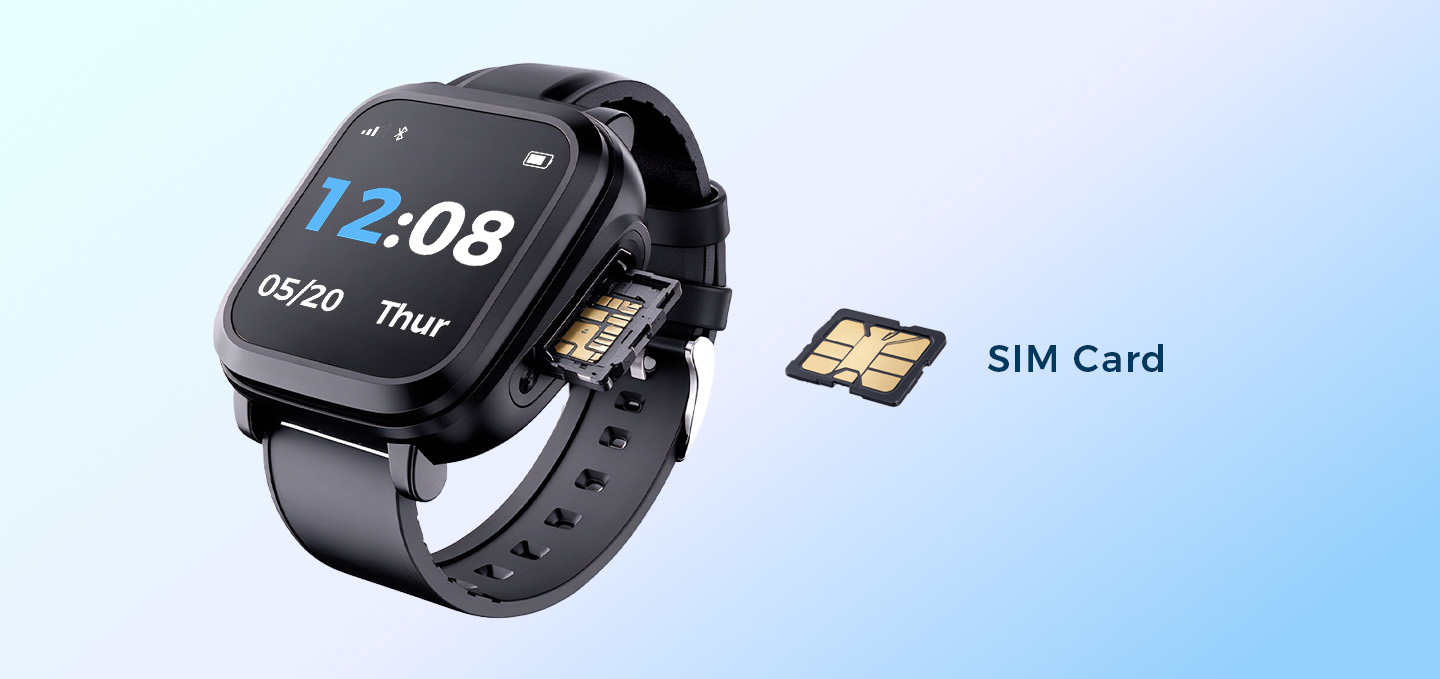
Experienced medical alert system providers reduce lifecycle costs through factory SIM pre-provisioning, remote cloud diagnostics, and simplified device onboarding.
Comparing vendor proposals requires looking past surface-level spec sheets to examine real-world engineering and operational readiness. Healthcare procurement committees should score prospective suppliers across seven non-negotiable benchmarks.
Applying consistent evaluation criteria ensures objective vendor selection across clinical, IT, and financial stakeholders.
Legacy 2G and 3G cellular networks have shut down across North America, Europe, and major Asia-Pacific markets. Any prospective medical alert device must support 4G LTE Cat-M1 and NB-IoT bands.
Always require valid regulatory and carrier certificates, including FCC and PTCRB for North America or CE and RED for Europe. Pre-certified hardware eliminates network registration roadblocks during regional rollouts.
Basic tilt-switch sensors generate excessive false alarms during normal sitting, bending, or dressing routines. Modern fall detection devices combine accelerometers, gyroscopes, and barometers to separate falls from everyday motion.
For mobile patients, verify that the supplier’s wearable medical alert devices blend GPS, Wi-Fi triangulation, Bluetooth Low Energy (BLE) beacons, and cellular LBS positioning. Hybrid location engines help emergency responders locate patients outdoors, inside multi-story buildings, and in low-GPS zones.
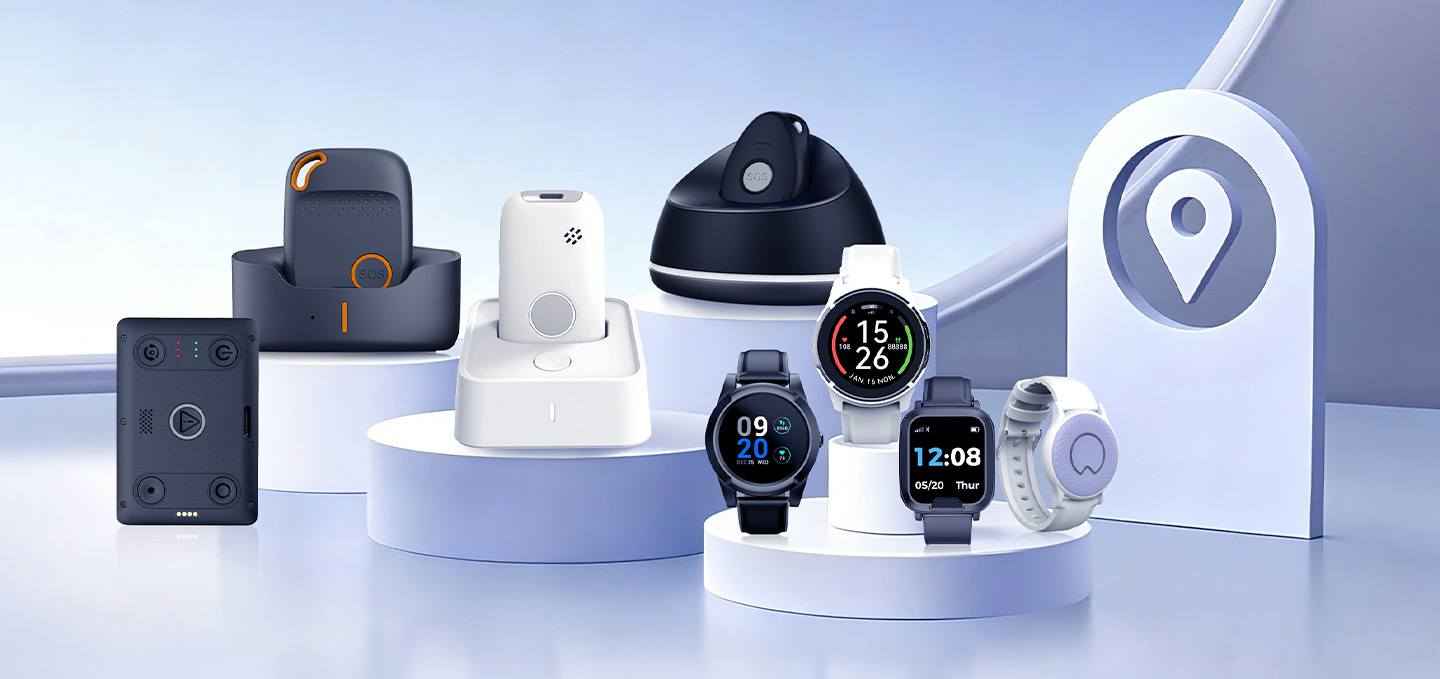
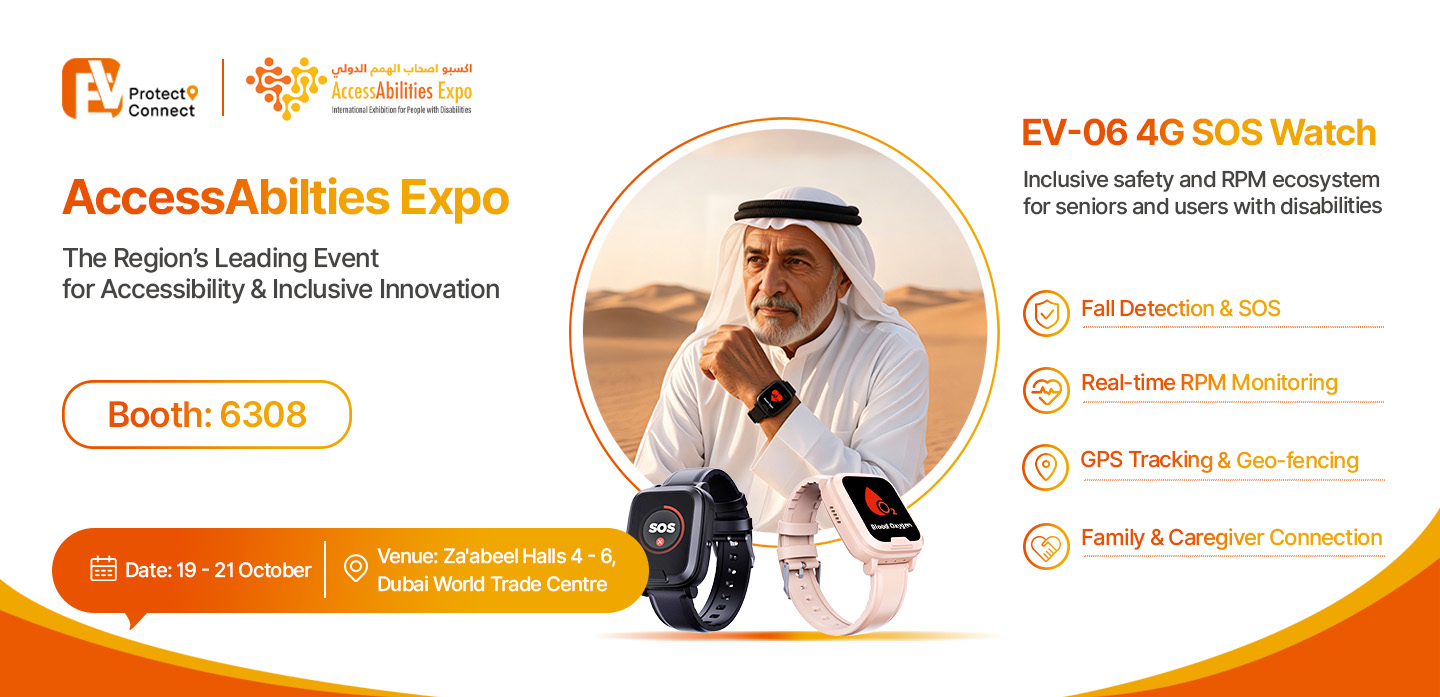
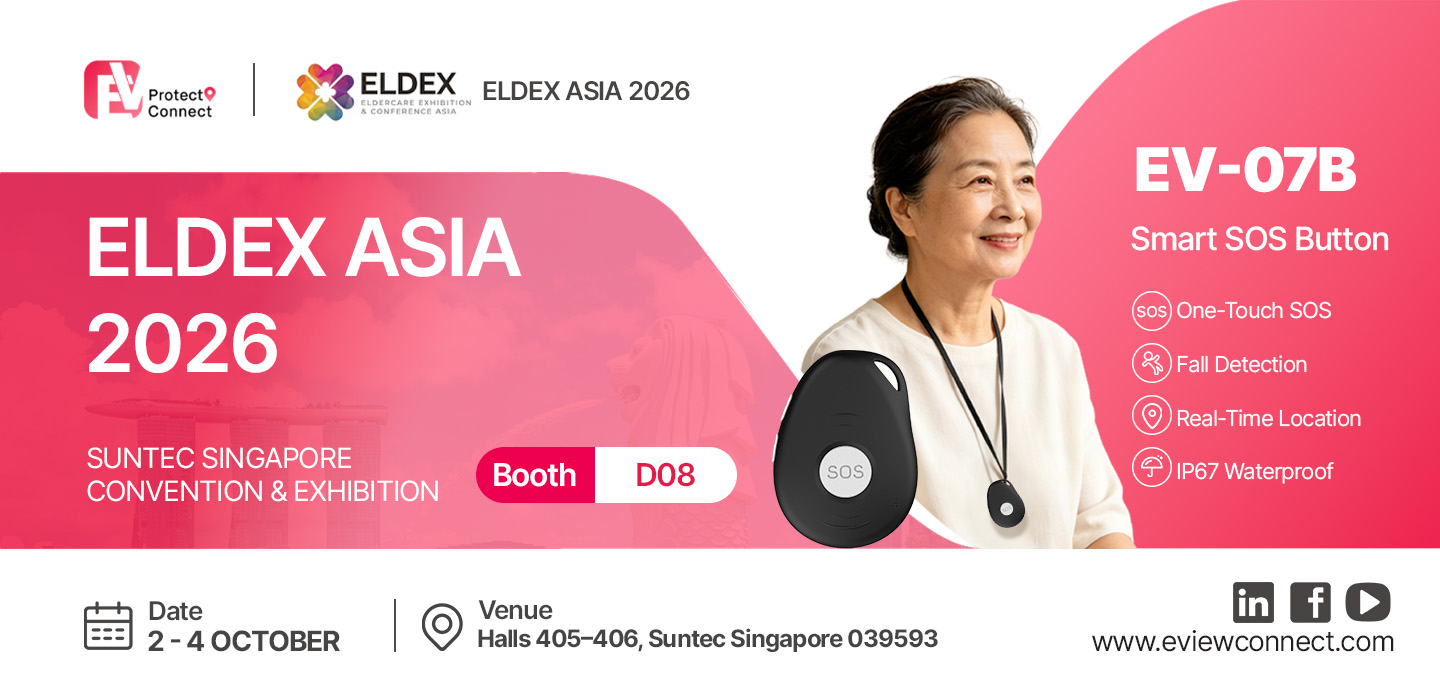
No single wearable style fits every patient cohort across a diverse healthcare network. Homebound patients prefer stationary hubs with a medical alert pendant, while active seniors favor a medical alert watch.
Sourcing from a supplier with a complete portfolio—spanning indoor hubs, pendants, and SOS watches—simplifies vendor management and staff training. Standardized firmware across multiple form factors streamlines fleet deployment.
Closed, proprietary software ecosystems lock healthcare organizations into expensive monthly monitoring fees and rigid workflows. Your hardware partner must provide documented RESTful APIs and standard telecare protocols like SIA DC-09.
Open interoperability lets SOS alerts, fall notifications, GPS coordinates, and battery telemetry flow straight into your Electronic Health Record (EHR) or dispatch console. Seamless integration accelerates clinical triage without forcing software rip-and-replace projects.
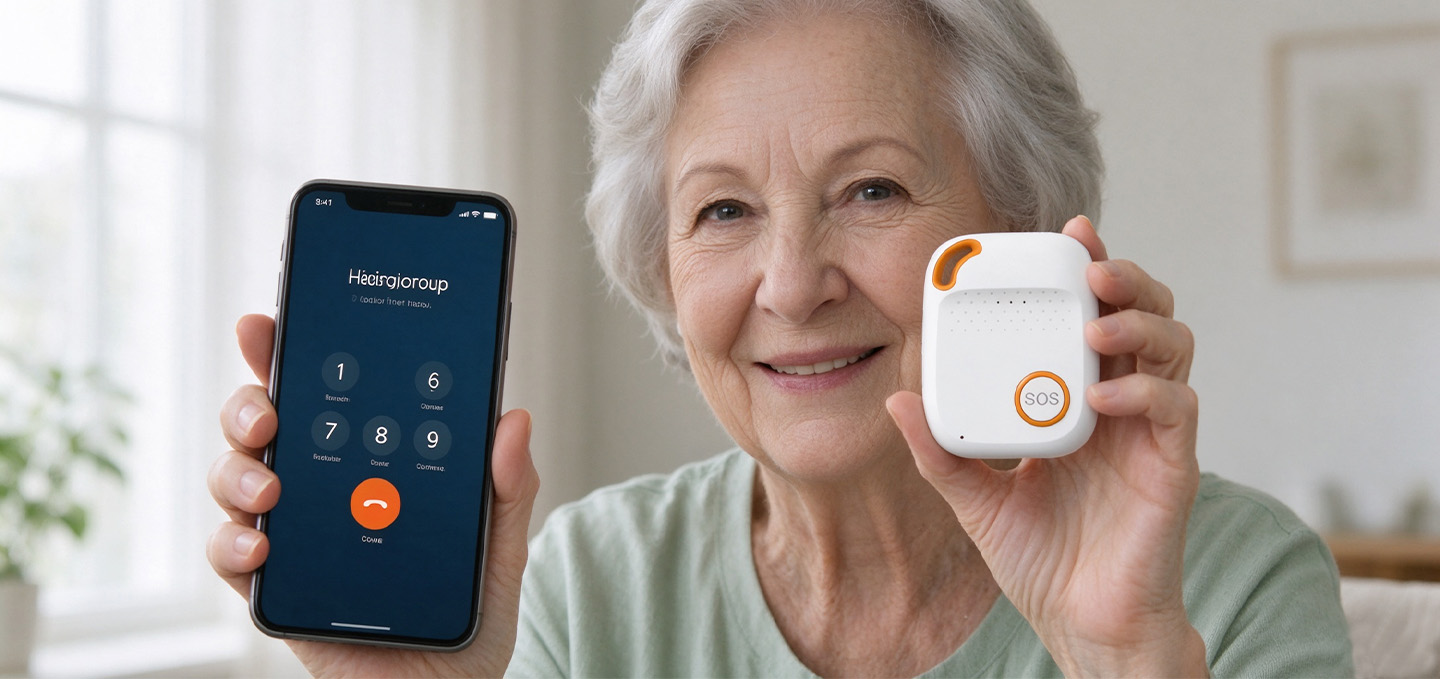
Complex touchscreens, tiny micro-USB plugs, and confusing menus cause rapid device abandonment among older adults. Look for large tactile SOS buttons, clear spoken voice prompts, lightweight housings, and magnetic drop-in charging cradles.
With 16 years of dedicated IoT R&D and independent manufacturing lines, Eview (Shenzhen Eview GPS Technology) designs ultra-compact pendants, SOS watches, and in-home PERS hubs tailored for senior comfort and effortless daily use. Thoughtful ergonomics directly boost daily patient wear compliance.
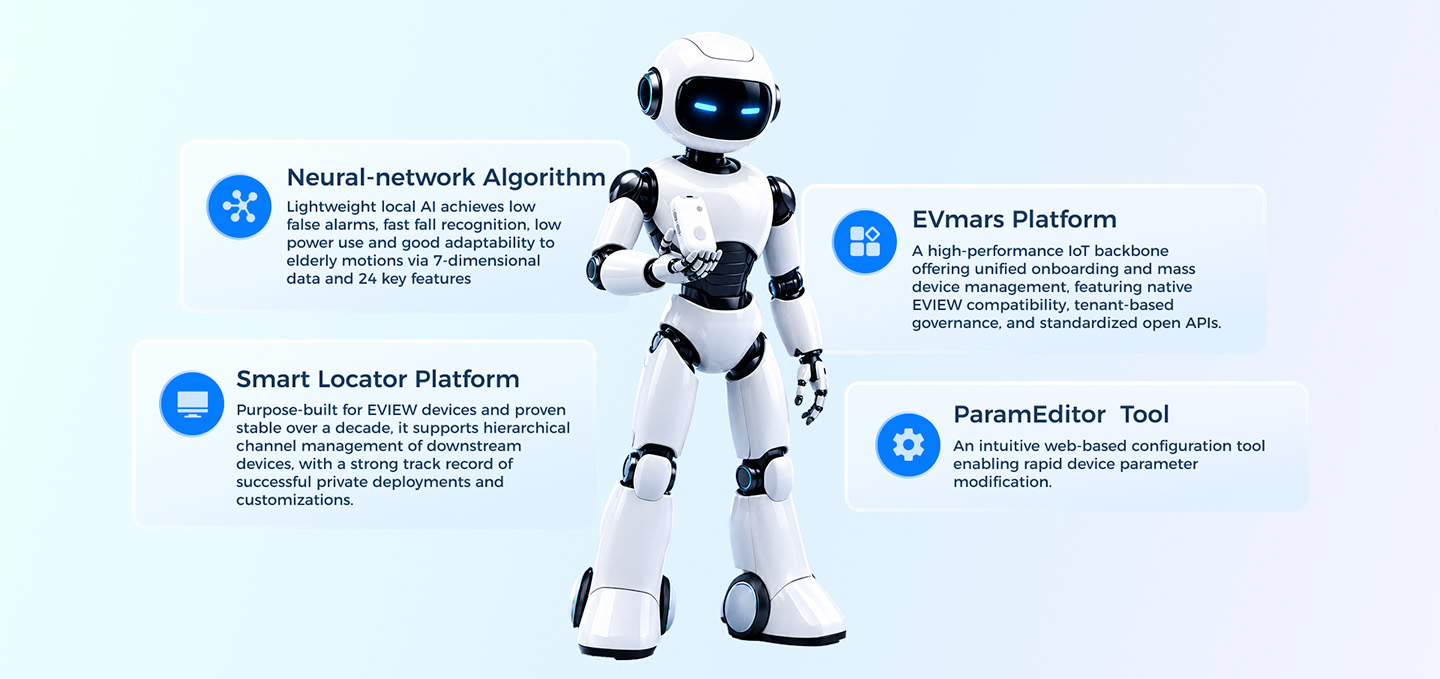
Manually updating firmware or adjusting geofence settings on thousands of deployed units is operationally impossible. Enterprise suppliers provide cloud device-management portals supporting Firmware Over-the-Air (FOTA) upgrades and batch parameter configuration.
Remote fleet tools allow IT teams to troubleshoot signal strength, battery health, and sensor thresholds without retrieving devices from patients’ homes. Scalable remote management keeps large healthcare deployments running smoothly.
Healthcare programs often run for five to seven years, requiring guaranteed hardware continuity and predictable replacement turnaround times. Verify ISO 9001 or ISO 13485 certifications alongside 100% automated RF and waterproof testing.
Operating within Shenzhen’s world-class IoT ecosystem, Eview enforces strict multi-stage quality inspections alongside flexible OEM/ODM production capacity under its “Connect to Protect” standard. Proven manufacturing stability protects your program from unexpected supply chain disruptions.
| Supplier Evaluation Factor | Red Flag (High Deployment Risk) | Enterprise Standard (Recommended) | Clinical & Operational Benefit |
| Cellular Architecture | Relies on 2G/3G fallback or uncertified cellular modules | Certified 4G LTE Cat-M1/NB-IoT (FCC, PTCRB, CE, RED) | Uninterrupted emergency signaling indoors and in rural areas |
| Software & Data Ownership | Closed vendor portal with no API or protocol access | Open RESTful APIs + SIA DC-09 + FOTA cloud management | Direct integration with existing EHR and ARC dispatch systems |
| Product Portfolio | Single generic pendant model for all user types | Complete lineup: in-home PERS hubs, pendants, and SOS watches | Matches hardware ergonomics to specific patient mobility levels |
| Customization & Branding | Unbranded generic boxes with fixed firmware rules | Full white-label OEM/ODM branding, voice prompts, and firmware | Strengthens healthcare brand trust and simplifies patient onboarding |
Before issuing purchase orders, structure your vendor Request for Proposal (RFP) around measurable technical and commercial deliverables. Requiring written commitments during the bidding phase prevents costly scope creep after contract signing.
Include these five essential verification steps in your supplier RFP process:
Request Certification and Test Documentation: Collect copies of FCC, PTCRB, CE, RED, UN38.3, and IP67 test reports for every proposed hardware model.
Conduct a 30-Day Multi-Environment Pilot: Deploy 15 to 30 sample units across urban apartments, rural homes, and care facilities to measure cellular uptime, fall-detection precision, and GPS/Wi-Fi/BLE/LBS tracking.
Test API Handshake and Packet Latency: Have your IT engineering team validate end-to-end alert transmission speed from button press to your clinical triage screen.
Audit Factory Pre-Provisioning Capabilities: Confirm whether the supplier inserts M2M SIM cards, configures APN server settings, and applies custom patient-ready labels before shipping.
Define RMA, Spare-Unit, and Firmware Support SLAs: Establish clear turnaround timelines for defective unit replacements and guaranteed security patch windows.
Pairing this rigorous supplier vetting with a broader personal emergency response solution for healthcare companies—and knowing how to choose the right mPERS manufacturer—creates a resilient, patient-centered telecare program. Structured procurement turns medical alert hardware into a measurable driver of clinical quality.
A distributor resells off-the-shelf devices at higher markups with limited technical control. A direct medical alert device supplier owns the hardware R&D, firmware, and manufacturing lines, offering lower bulk pricing, custom branding, and direct engineering support.
For standard or white-label medical alert systems for seniors, direct suppliers typically set MOQs between 300 and 1,000 units per model. Custom enclosure tooling or specialized firmware builds generally require higher volume commitments starting around 3,000 units.
Yes. Enterprise-grade suppliers support industry-standard protocols like SIA DC-09 and RESTful cloud APIs, enabling real-time SOS alerts, GPS/Wi-Fi/BLE/LBS locations, and device status updates to populate directly inside your existing EHR or Alarm Receiving Center platform.
Standard wholesale orders with custom packaging and SIM pre-provisioning typically ship within 4 to 6 weeks. Projects involving custom firmware modifications or new regional telecom certifications generally require 8 to 16 weeks depending on complexity.
Yes. Most direct B2B manufacturers offer OEM white-label services, including custom logo printing on pendants and watches, branded charging docks, localized voice prompts, and custom user manuals tailored to your healthcare organization.
Commercial B2B suppliers typically provide a 12-to-24-month hardware warranty covering manufacturing defects, backed by dedicated technical account managers, remote FOTA firmware updates, and clear Return Merchandise Authorization (RMA) replacement terms.

Phone: +86 130 5802 7647
Email: inquiries@eviewgps.com
Address: 2/F-4/F, Building 1, Longhua Digital Intelligent Manufacturing Centre, No.238 Longsheng Road, Longhua District, Shenzhen, China
© 2026 Eviews All rights reserved.
For any requirement, our team will be happy to respond to you inless than 24 hours.
Your information will be kept strictly confidential.