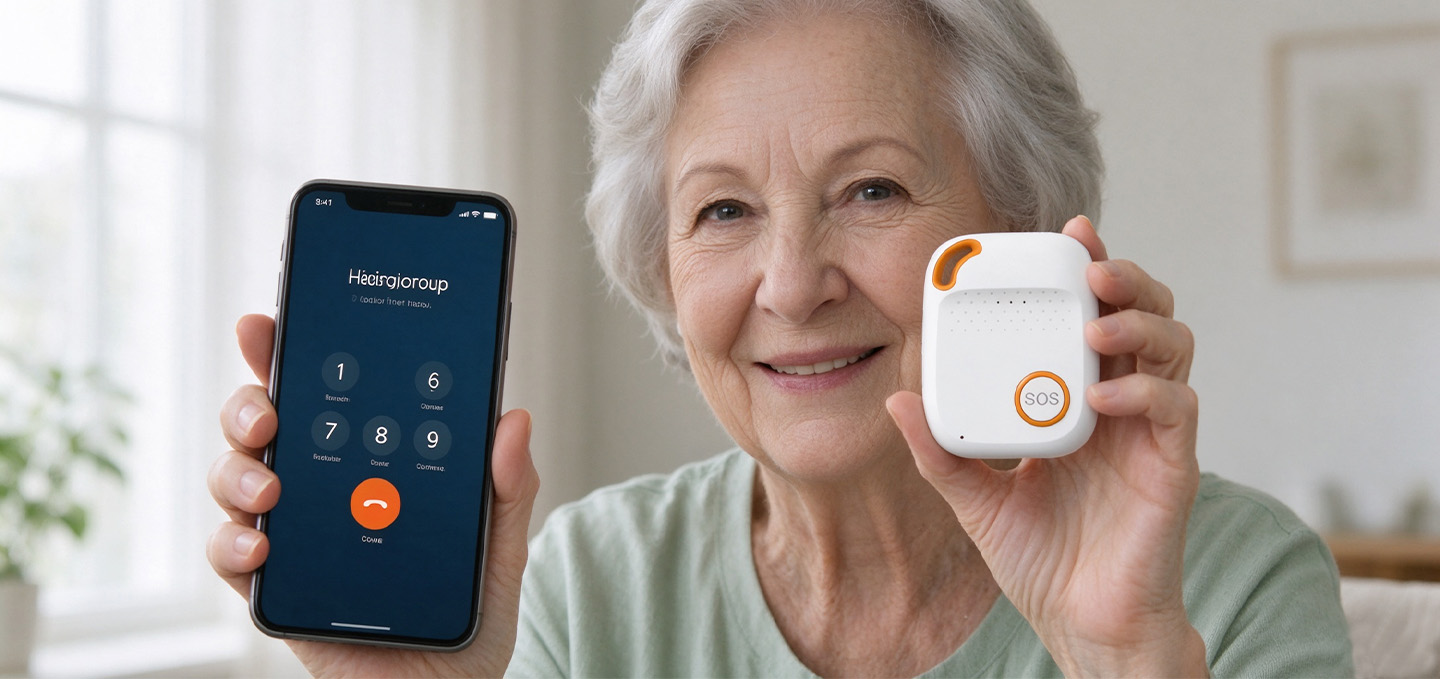
Senior woman holding a white SOS pendant and a smartphone caregiver app for a personal emergency response system for seniors

Older adults living independently face daily physical risks that routine caregiver visits cannot catch in real time. A sudden bathroom slip or nighttime dizziness can leave a senior immobilized for hours.

Deploying a modern personal emergency response system for seniors creates an immediate, 24/7 communication bridge between vulnerable individuals and trained emergency responders. Connected safety hardware transforms reactive crisis management into proactive protection for senior populations.


Key Takeaways for Care Providers and Telecare Operators:

  • Eliminating “Long-Lie” Trauma: Automated fall alerts summon help even when an older adult loses consciousness or cannot reach a telephone.

  • Indoor and Outdoor Continuity: Combining stationary home hubs with 4G LTE mPERS wearables protects seniors across bedrooms, showers, and neighborhood outings.

  • Sustainable Caregiver Ratios: Connected monitoring extends staff visibility across dispersed senior populations without adding manual check-in hours.


The Core Safety Risks Facing Seniors Living Independently

Most aging adults strongly prefer remaining in familiar home environments rather than relocating to institutional care facilities. However, living alone magnifies clinical hazards that escalate rapidly when emergency response is delayed.

Understanding these everyday risk scenarios helps care organizations design targeted, high-adherence safety programs.


The Medical Danger of Unwitnessed Falls and “Long Lies”

According to the Centers for Disease Control and Prevention (CDC), more than one in four older adults falls each year, making falls the leading cause of injury-related death among seniors. Remaining stranded on the floor for over an hour sharply increases dehydration and hypothermia risks.

Standard mobile phones rarely help during a fall because devices are often left charging in another room. Purpose-built monitoring devices for seniors stay worn directly on the body around the clock.


Nighttime Disorientation and Bathroom Hazards

Bathrooms and poorly lit hallways account for a disproportionate share of domestic senior injuries due to wet tiles and sudden blood-pressure drops upon standing. Older adults waking at night often feel dizzy from medications before reaching a switch.

Waterproof personal emergency response systems for seniors with IP67 or IP68 ingress ratings remain functional inside showers and humid bathrooms. Continuous wearable protection eliminates safety blind spots during high-risk daily routines.


Wandering Risks and Outdoor Mobility Challenges

Seniors experiencing early-stage cognitive decline or memory impairment face heightened risks of disorientation when walking outdoors or running errands. Traditional landline hubs lose connection once wearers step 300 feet past their front door.

Modern cellular senior monitoring systems integrate GPS, Wi-Fi triangulation, Bluetooth Low Energy (BLE), and cellular LBS positioning with configurable geofence zones.

Five Ways Connected PERS and mPERS Hardware Elevates Senior Protection

Modern elderly monitoring systems have evolved far beyond basic landline panic buttons. Integrating multi-sensor hardware with 24/7 Alarm Receiving Centers (ARCs) delivers five measurable safety upgrades for aging populations.

 
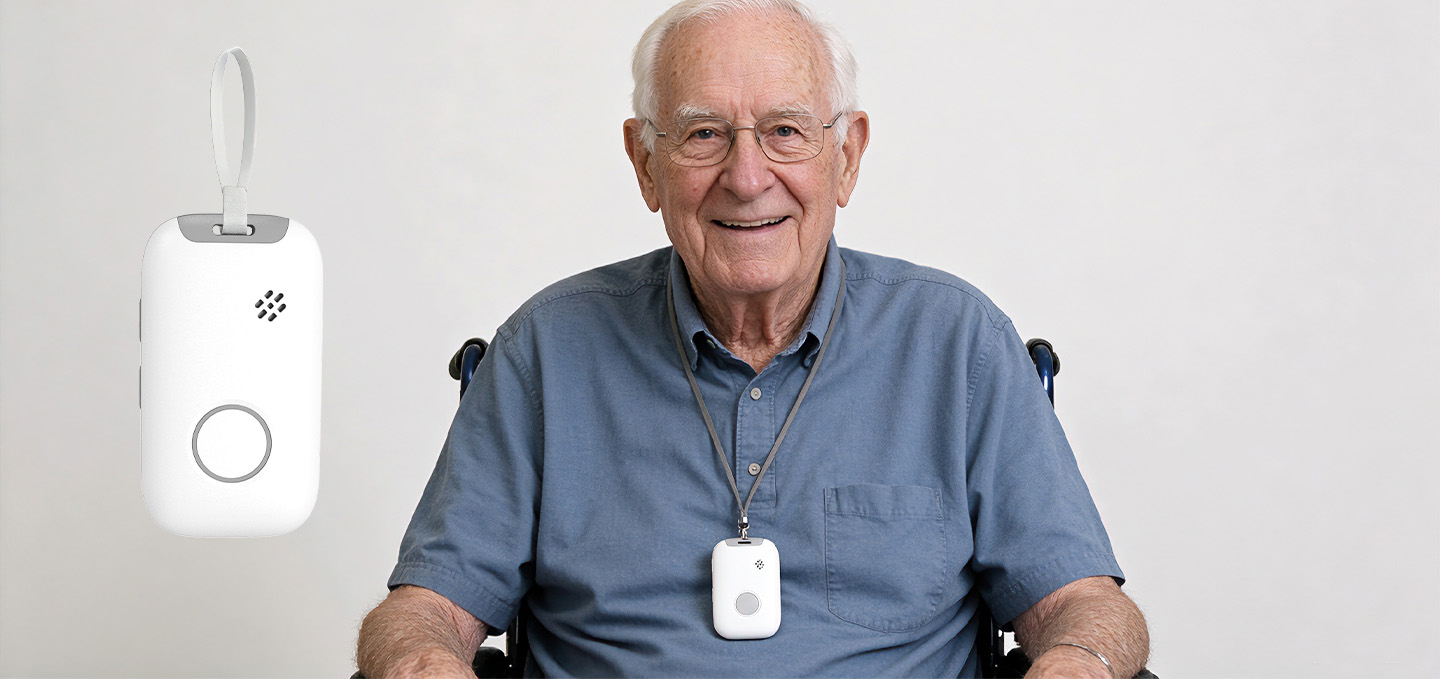
Senior man in a wheelchair wearing a lightweight white emergency alert pendant around his neck

1. Instant One-Touch SOS Voice Communication

During a medical emergency, dialing a phone number or unlocking a smartphone screen becomes nearly impossible for trembling hands. A dedicated emergency button for elderly users dials a response specialist with one press.

High-gain speakerphones and noise-canceling microphones enable hands-free, two-way conversation even if the senior cannot hold the device near their mouth. Immediate voice verification speeds up emergency triage and reassures frightened wearers.


2. Automatic Fall Detection Without User Input

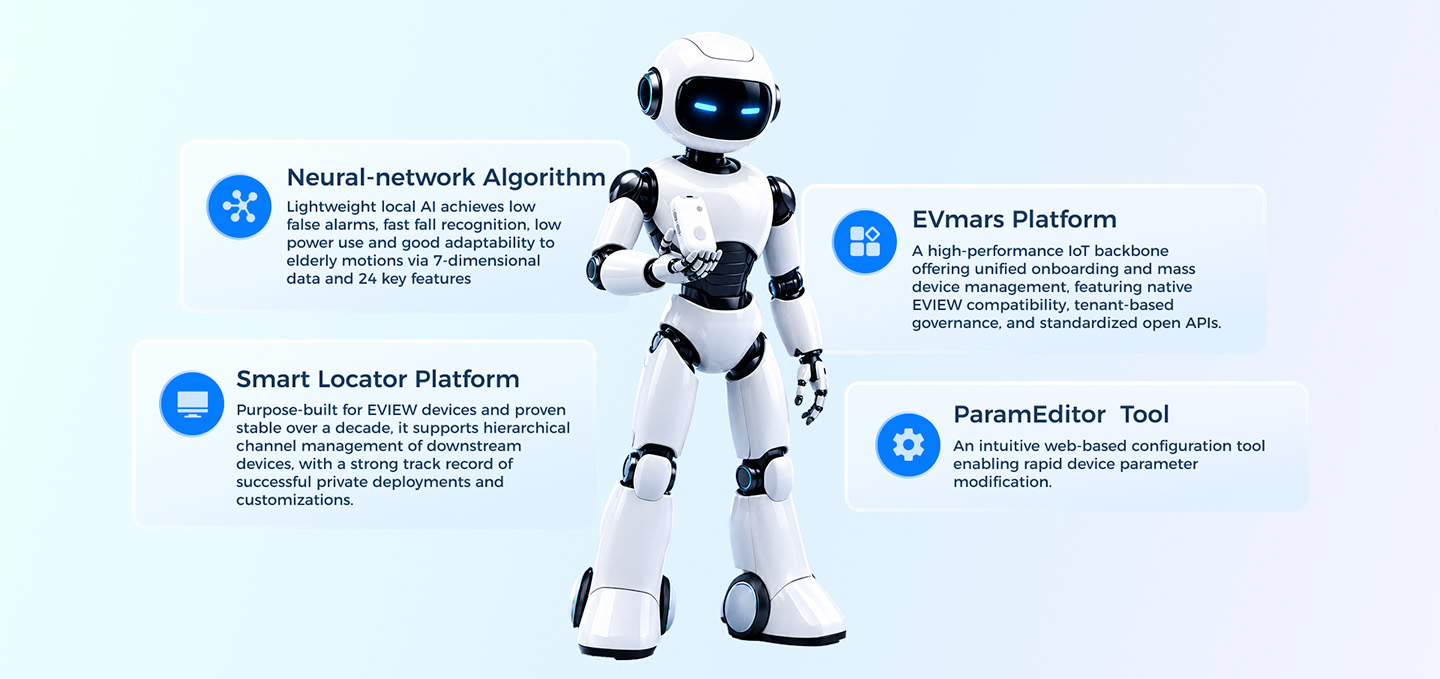
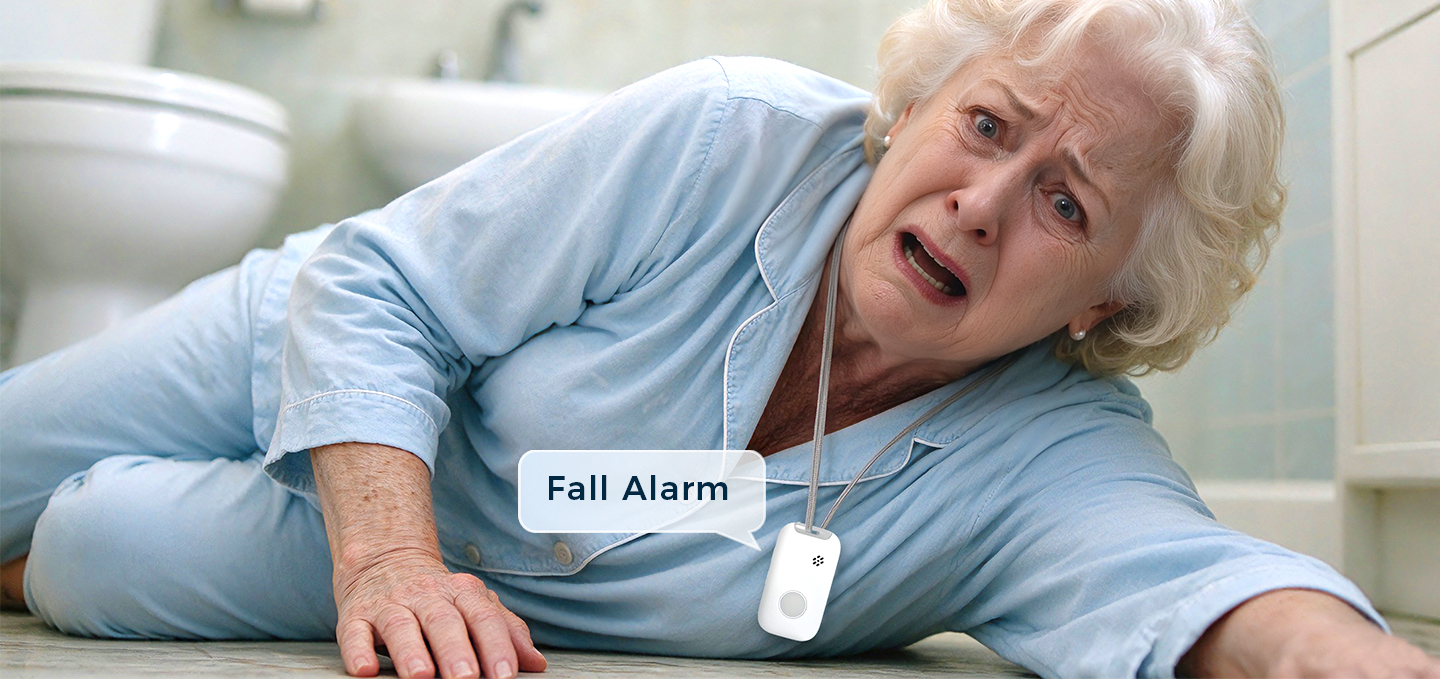
Many severe falls involve head impact, fainting, or acute stroke symptoms that prevent the wearer from pressing an SOS button. Commercial fall detection devices combine accelerometers, gyroscopes, and barometers to track sudden drops and stillness.

When the embedded algorithm detects a genuine fall signature, the device automatically transmits an emergency packet and opens a voice channel. Automated alerting removes human reaction barriers during critical medical events.


3. Multi-Mode Location Tracking Inside and Outside the Home

Pinpointing an incapacitated senior inside a multi-story apartment complex or busy shopping center requires more than basic outdoor GPS satellites. Advanced wearables blend GNSS receivers with Wi-Fi hotspot scanning, indoor BLE beacons, and cellular LBS fallback.

When a senior safety alarm with GPS triggers an alert, emergency dispatchers receive street-level coordinates alongside indoor building positioning data. Accurate location telemetry shaves valuable minutes off paramedic arrival times.


4. Proactive Medication and Daily Check-In Reminders

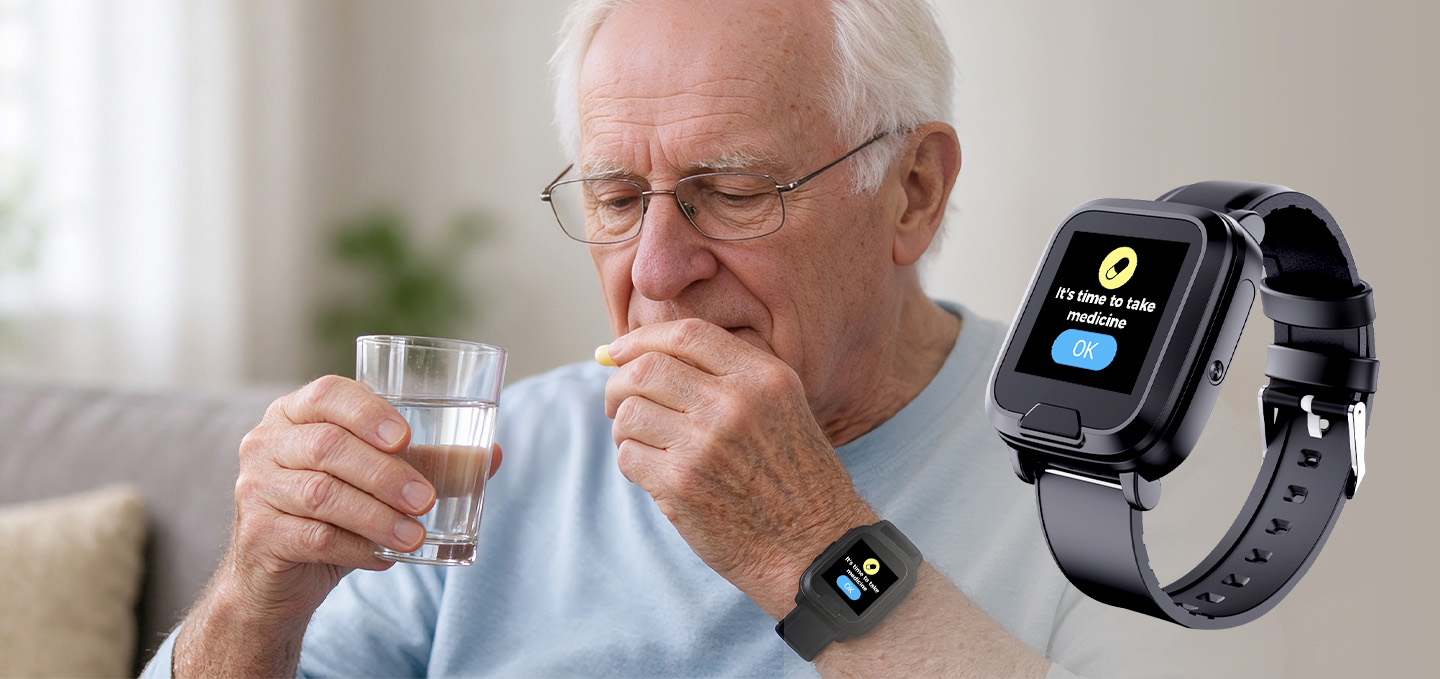
Preventing emergencies is just as important as responding rapidly when accidents happen. Programmable voice prompts and vibration alerts remind seniors to take medications or check in daily.

If a senior misses a scheduled check-in window, the monitoring platform automatically notifies family caregivers or care coordinators. Routine wellness telemetry catches subtle health declines before they become acute hospitalizations.


5. Effortless Daily Wear Through Lightweight Ergonomics and Magnetic Docking

Even the best wearable fails to protect a senior if heavy housings or tiny charging plugs discourage daily wear. Purpose-built medical alert systems for seniors feature featherweight enclosures, IP67 waterproofing, and intuitive magnetic drop-in charging cradles.

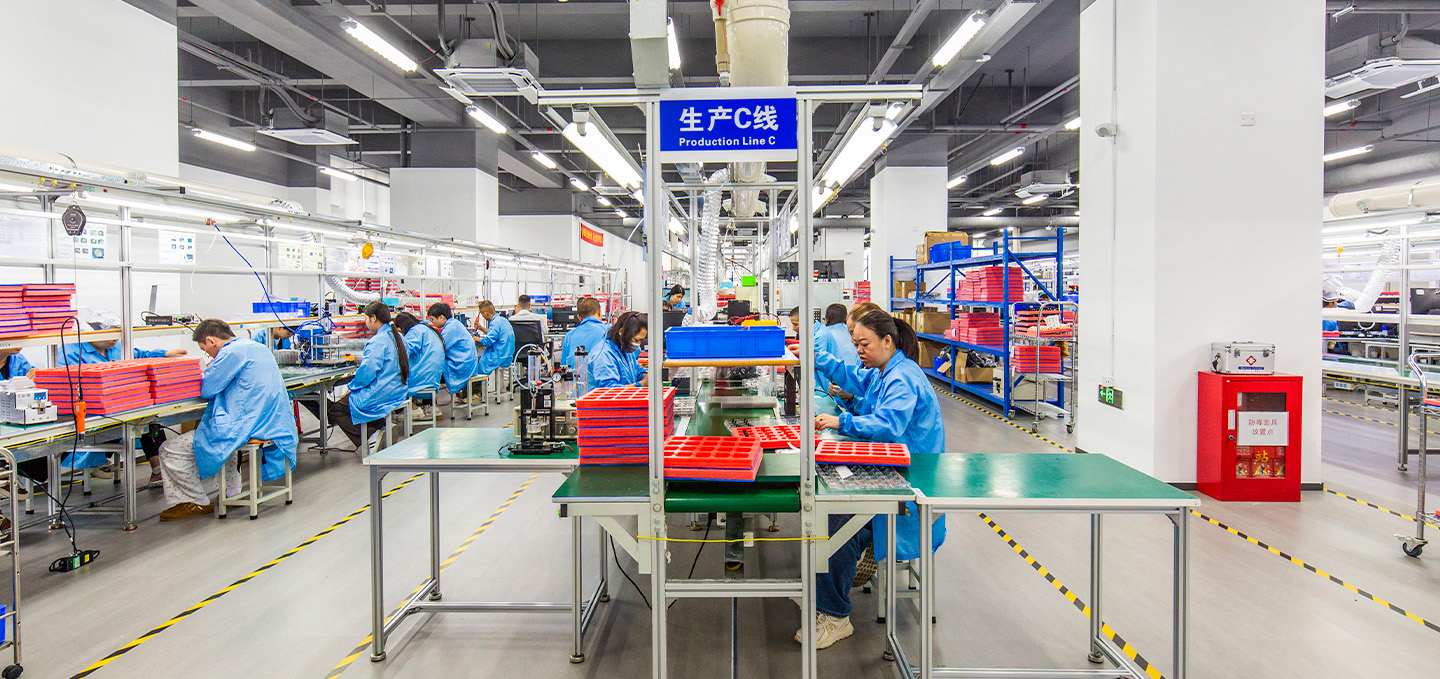
With 16 years of dedicated IoT R&D and independent manufacturing lines, Eview (Shenzhen Eview GPS Technology) engineers ultra-compact mPERS pendants, SOS watches, and in-home PERS hubs built around senior-friendly comfort and simple docking. Thoughtful industrial design keeps daily wear compliance high.


Senior Risk ScenarioTraditional Care ApproachModern Connected PERS / mPERSMeasurable Safety Outcome
Bathroom Slip or Shower FallUnprotected; landline cord out of reachIP67 waterproof pendant or watch with automatic fall detectionInstant alert dispatch without needing to press a button
Fainting or Stroke EpisodeRelies on scheduled family phone call hours laterBarometer + accelerometer fall sensor triggers automatic SOSEliminates prolonged “long-lie” clinical complications
Outdoor Walk or WanderingZero coverage beyond home yard perimeter4G LTE cellular wearable with GPS, Wi-Fi, BLE, and LBS geofencingPinpoints exact location anywhere cellular signal reaches
Low Dexterity or Vision LossComplex smartphone screens and tiny charging plugsLarge tactile SOS button, spoken voice prompts, and magnetic dockIncreases daily wear compliance among frail older adults
 
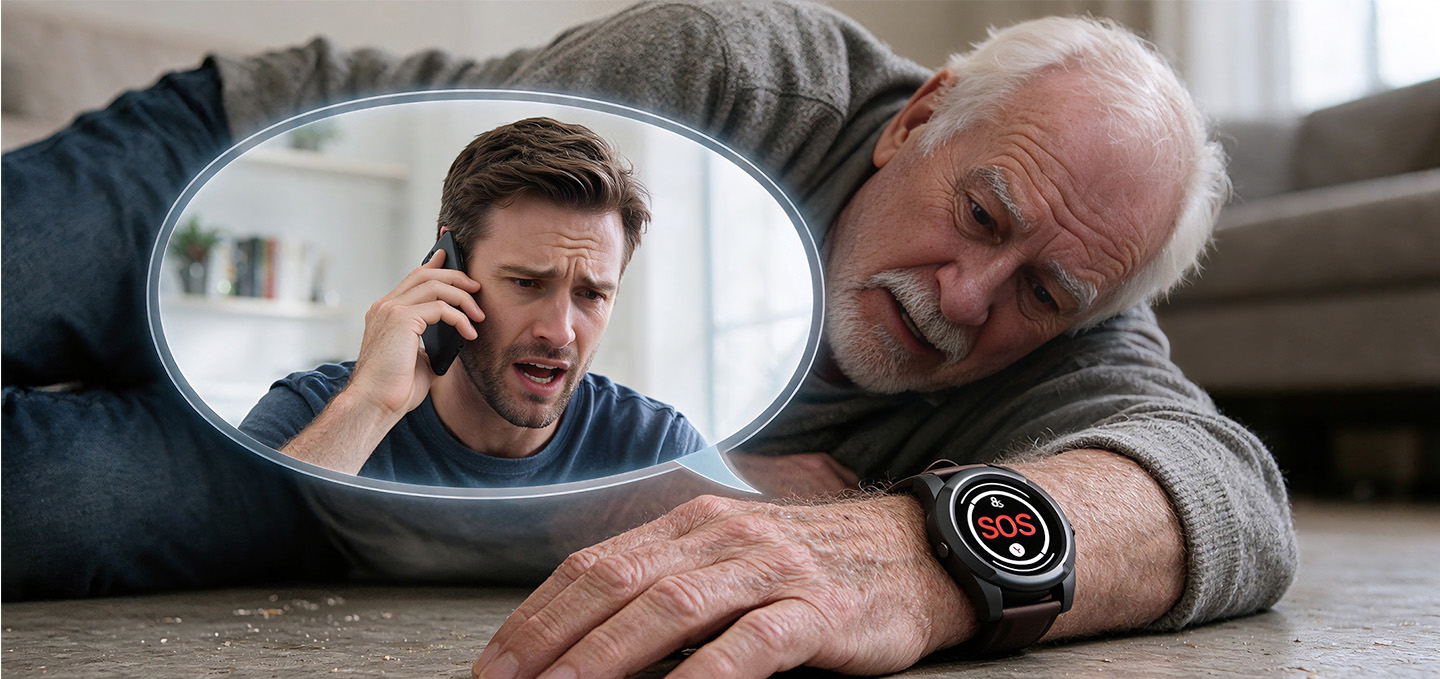
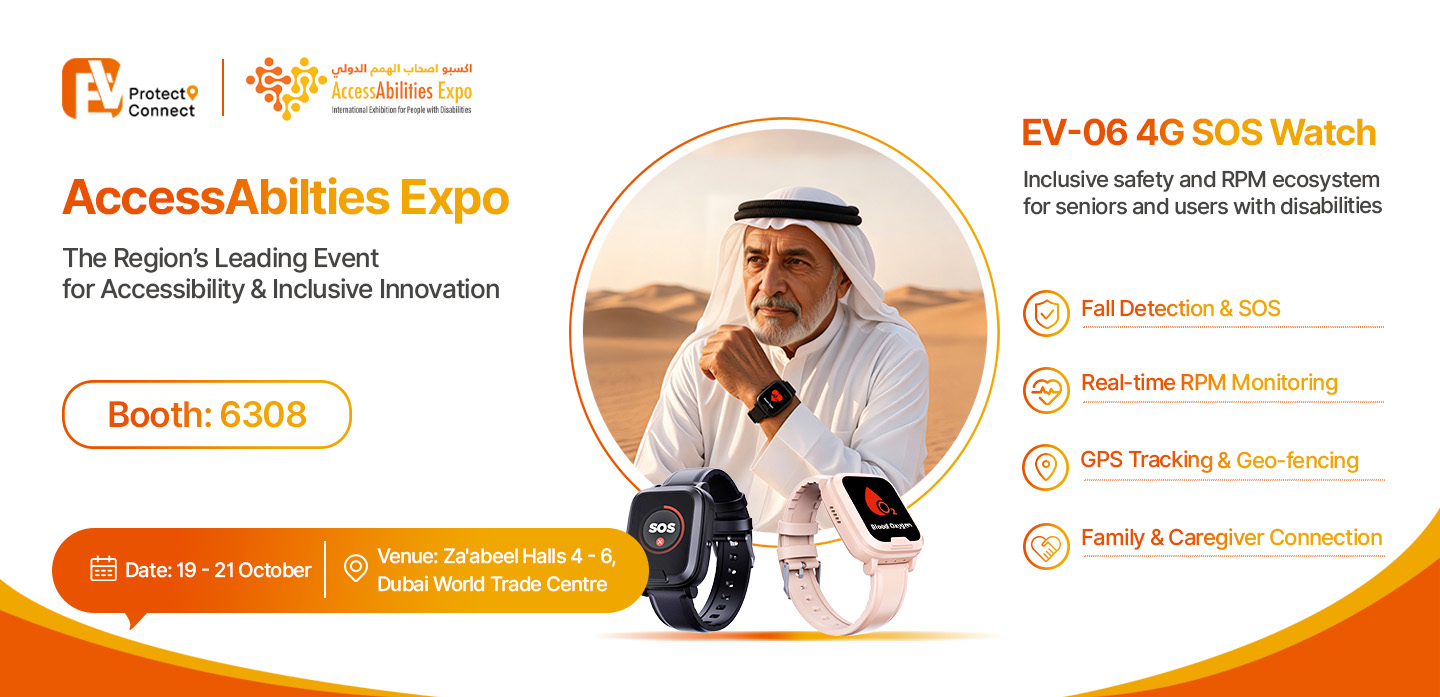
Older man wearing an automatic fall detection SOS watch that connects a two-way call to a family caregiver after a fall

Matching Device Form Factors to Senior Mobility Profiles

Healthcare providers and senior living operators achieve far higher daily wear rates when hardware matches each resident’s physical routine and cognitive comfort. Deploying a one-size-fits-all device across an entire senior population often leads to preventable abandonment.

Segmenting your hardware rollout into two primary user profiles maximizes both safety coverage and operational ROI.


Homebound Seniors: In-Home PERS Hubs Plus Waterproof Transmitters

Frail older adults who spend nearly all their time indoors benefit most from a stationary cellular desktop hub paired with a lightweight wrist or neck button. Because the desktop hub connects directly to standard wall power with backup power, homebound residents stay protected indoors.

Whole-home RF coverage and high-output speakers ensure clear voice communication across bedrooms, kitchens, and basements. Standalone 4G LTE pendants and SOS watches unite cellular voice, GPS/Wi-Fi/BLE/LBS positioning, and fall detection.


Active Community Seniors: Standalone 4G SOS Watches and Pendants

Independent seniors who drive, garden, attend community centers, or travel require mobile protection that moves with them. Standalone 4G LTE pendants and SOS watches unite cellular voice, positioning, and fall detection.

Operating out of Shenzhen’s world-class IoT supply chain, Eview supplies global telecare providers with a full-scenario portfolio—spanning stationary PERS hubs, mPERS pendants, and SOS watches—under its “Connect to Protect” engineering standard. Offering complementary form factors eliminates safety blind spots across every stage of aging.


Building a Complete Connected Senior Care Program

Improving senior safety at scale requires uniting reliable hardware with responsive clinical workflows and vetted manufacturing partners. See our pillar guide on personal emergency response solutions.

When you are ready to source hardware for your senior care network, review our checklists on how to choose the right mPERS manufacturer, our medical alert device supplier selection guide, and our overview of OEM mPERS solutions. Aligning clinical care protocols with dependable connected hardware empowers older adults to age safely with dignity.

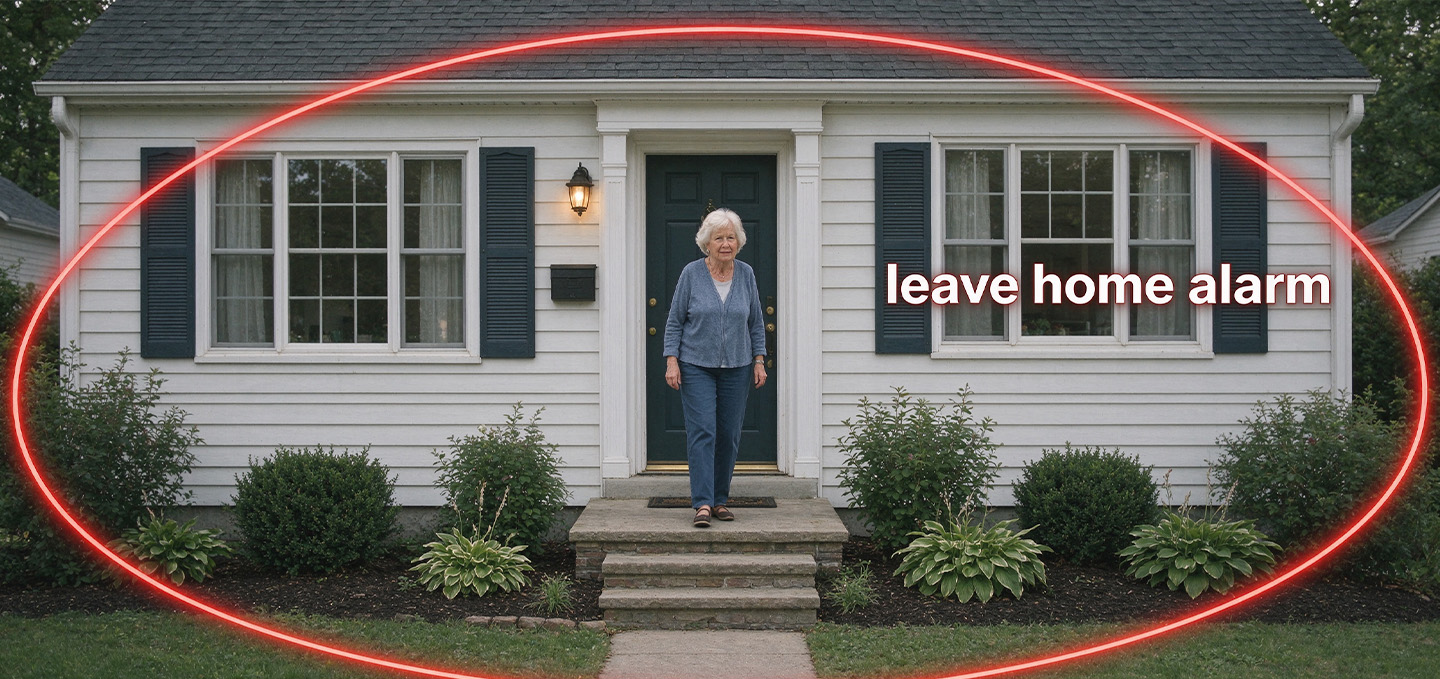
Senior woman stepping outside her front door surrounded by a red GPS geofence boundary triggering a leave home alarm

Frequently Asked Questions About Personal Emergency Response Systems for Seniors

How do wearable senior alert devices simplify daily charging for older adults?

Most commercial medical alert systems for seniors replace tiny micro-USB cables with magnetic drop-in charging cradles and clear spoken voice reminders, allowing older adults with limited dexterity or low vision to dock their pendant or watch effortlessly.

Can seniors wear medical alert devices in the shower or bath?

Yes. Commercial personal emergency response systems for seniors feature IP67 or IP68 waterproof ratings, allowing wearers to keep their pendant or SOS watch on safely during showers and baths—where a high percentage of home falls occur.


What happens if a senior falls and cannot press the SOS button?

Devices equipped with automatic fall detection devices use tri-axial accelerometers and barometric pressure sensors to detect rapid downward motion followed by stillness. If no movement is detected after the impact, the device initiates an emergency alert call automatically without requiring any button press.


Do senior emergency alert devices work outside the home?

Mobile PERS (mPERS) wearables—such as 4G cellular pendants and SOS watches—work anywhere cellular coverage is available. Unlike traditional landline base stations limited to the home yard, mobile devices protect seniors while shopping, walking, or traveling.


How often do wearable senior alert devices need to be charged?

Depending on GPS reporting intervals and cellular signal strength, modern low-power 4G LTE wearables typically run 3 to 7 days on a single charge. Most commercial models include simple magnetic drop-in charging cradles and spoken low-battery voice reminders.


How do care providers prevent false alarms from fall detection sensors?

Modern multi-sensor algorithms filter out routine motions like sitting down quickly or dropping the device onto a bed. Many systems also provide a 10-to-20-second audible pre-alert countdown, allowing the senior to press a cancel button if they are unharmed.


Contact us

For any requirement, our team will be happy to respond to you inless than 24 hours.

Your information will be kept strictly confidential.