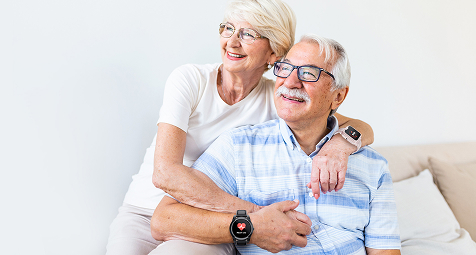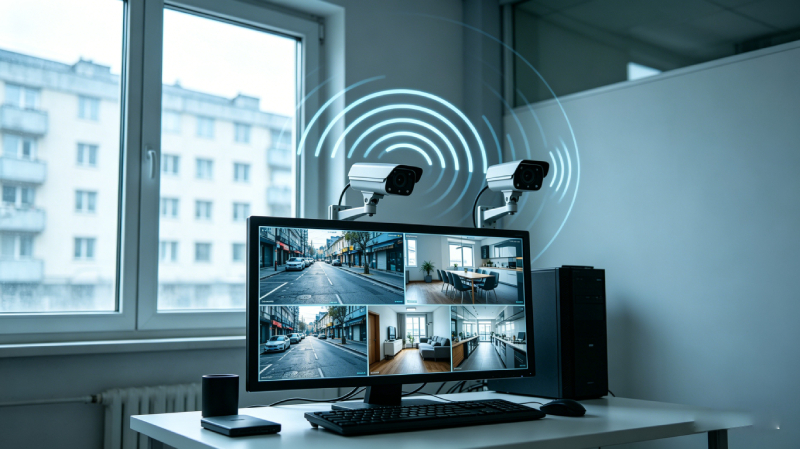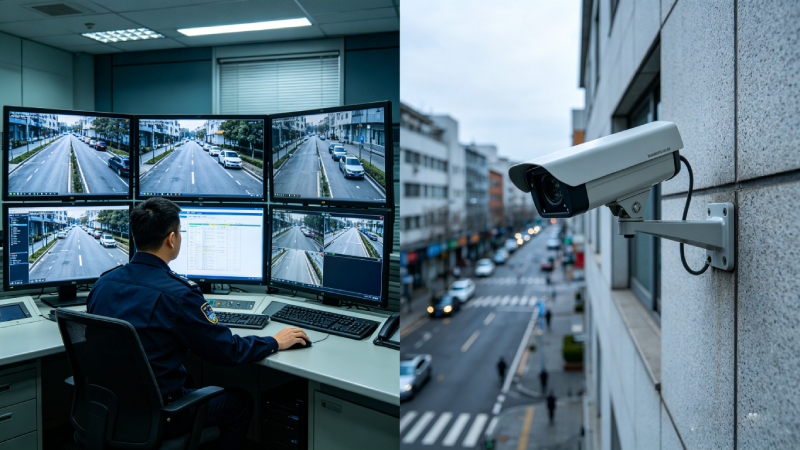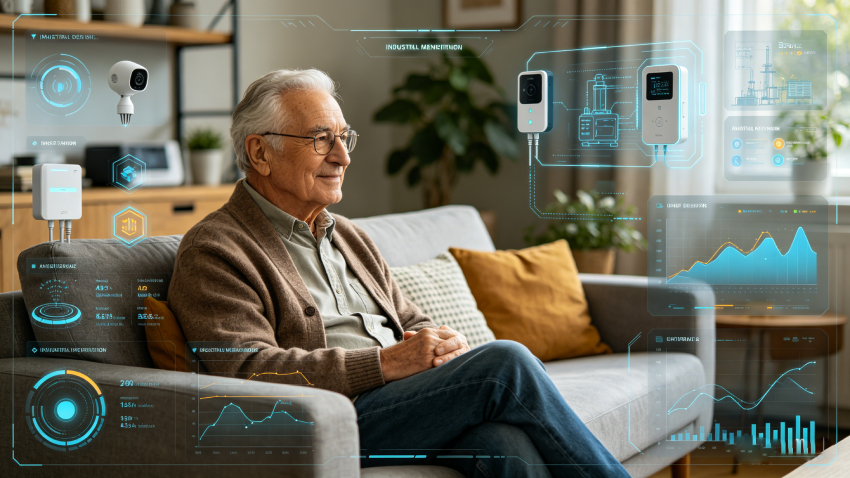
遠隔監視システム 産業、医療、テレケアの各環境において、企業が可視性を高め、アラートを自動化し、より迅速に対応できるよう支援します。しかし、これらのシステムを価値あるものにしているまさにその接続性が、サイバー脅威への露出も増大させます。そこに、多くのチームが直面する問題があります。.
ほとんどの購入者にとって、問題はもはや遠隔監視が機能するかどうかではなく、運用データ、デバイス制御、ユーザーアクセスを信頼して任せられるほどシステムが安全かという点です。それははるかに困難な問いです。.
リモート監視のセキュリティリスクには、データ漏洩、デバイスの脆弱性、ネットワーク攻撃、クラウドの誤設定、ヒューマンエラーが含まれます。.
このガイドでは、主なリモート監視のセキュリティリスク、最も一般的な攻撃経路、および実際の導入環境でのリスクを軽減するセキュリティ対策について説明します。目的は実践的なものです。成長によってより大きな問題が生じる前に、より安全なシステムを構築できるように支援します。.
目次
-
遠隔監視セキュリティの意味
-
リモート監視システムが脆弱である理由
-
リモート監視における最大のセキュリティリスク
-
現実世界の遠隔監視セキュリティインシデント
-
遠隔監視セキュリティアーキテクチャ
-
遠隔監視システムのセキュリティ基準
-
リモート監視システムのセキュリティを確保する方法
-
レイヤー別リモート監視セキュリティのベストプラクティス
-
Eviewがいかにしてセキュアな監視デプロイメントをサポートするか
-
結論
-
よくある質問

リモート監視セキュリティの意味
遠隔監視セキュリティは、デバイス、ネットワーク、クラウドサービス、ユーザーアクセス、およびそれらの間を移動するデータの保護を対象としています。一般的な導入形態には、現場のエンドポイント、通信チャネル、中央プラットフォーム、およびダッシュボードやアラートにアクセスするユーザーが含まれます。レイヤーごとに攻撃対象領域が拡大します。.
だからこそ、リモート監視のセキュリティは単なるITの問題ではないのです。それはシステム設計の問題なのです。1つのレイヤーが脆弱であれば、システム全体が侵害されやすくなります。.
実践において、安全なリモートモニタリングとは、接続を許可するユーザーやデバイスの検証、転送中および保存データの保護、権限の管理、そして継続的なデバイスの維持管理を意味します。NISTのゼロトラストに関するガイダンスは、ネットワークの場所に基づく暗黙の信頼から、ユーザー、資産、リソースの継続的な検証へとセキュリティの焦点を移行させるため、ここで非常に有用です。.
セキュリティはシステムの初期段階から組み込まれなければならない。.
なぜ遠隔監視システムが脆弱なのか
遠隔監視システムは、その設計上、分散型であるため脆弱です。デバイスは工場、家庭、車両、あるいは遠隔地のフィールドに設置される可能性があります。ネットワークは、セルラー、Wi-Fi、その他の外部通信経路に依存する場合があります。クラウドサービスには、さまざまなサイトの複数の役割からアクセスされる可能性があります。それらの接続のすべてが複雑さを増大させます。.
CISAの IoT調達ガイダンスでは、接続可能でソフトウェアを搭載したIoT技術は、物理世界における役割や、接続されたデバイス、システム、サービスに内在する脆弱性により、リスクを高めていると指摘している。これは、デバイスが長期間無人状態に置かれ、パッチ適用が迅速に行われない可能性がある遠隔監視において、一層重要となる。.
結果は目に見えている。エンドポイント、API、ユーザーが増えれば増えるほど、攻撃者の侵入経路もそれだけ増えることになる。.
複雑さは露出を増やす。.
リモート監視における最大のセキュリティリスク
リモート監視における最も重大なセキュリティリスクは、通常、いくつかの頻繁に見られるグループに分類されます。
-
不正アクセス
-
脆弱な認証
-
未修正のファームウェア
-
安全性の低いAPI
-
クラウド権限の設定ミス
-
弱い暗号化または暗号化なし
-
デバイスのデフォルトパスワード
-
内部関係者のエラーまたはずさんな管理行為
これらはランダムな問題ではありません。OWASPのIoTプロジェクトとIoT Top 10はどちらも、コネクテッドデバイスや導入における繰り返し発生するセキュリティ上の弱点に焦点を当てており、これが、こうした問題が業界を超えて何度も繰り返し発生する理由の1つです。.
検索意図に対する簡単な答えは以下の通りです: リモート監視システムにおける最大のリスクは、デバイス、データ、管理機能へのアクセス権限の管理が脆弱であることです。. その脆弱性はその後、デバイスの乗っ取り、露呈したダッシュボード、APIの漏洩、または侵害された認証情報を通じて表面化します。.
リモート監視の脆弱性は、通常、アクセス制御から始まります。.
実際の遠隔監視セキュリティインシデント
優れたセキュリティの記事には、単なる一般的なアドバイスではなく、実際の攻撃パターンが必要です。攻撃者は、机上の空論で監視システムを侵害するわけではありません。彼らは、反復された既知の経路を使ってそれを実行するのです。.
最も分かりやすい例の一つが、IoTボットネットの活動である。ENISAは、既定のクレデンシャルや初期設定のクレデンシャルを使用してセキュリティの甘いIoTデバイスにアクセスされた事例を記録しており、ある事例では、マルウェアがデバイスにログインし、ネットワーク設定を削除して接続を切断することでデバイスを機能停止に追い込んだ。これこそが、デフォルトパスワードがIoTデバイスのセキュリティにおける最も深刻なリスクの一つであり続ける理由である。.
2つ目のよくあるシナリオは、APIやプラットフォームの露出です。遠隔監視プラットフォームが脆弱なAPI制御を使用している場合、攻撃者がテレメトリー、ユーザー記録、またはコマンド機能へのアクセスを獲得する可能性があります。クラウドの設定ミスにより事態はさらに悪化し、特にダッシュボードやストレージシステムが過剰な数のユーザーに露出したり、権限が広範に設定されたままになっていたりする場合にそれが顕著になります。.
3つ目の主要なリスクは、情報漏えいのコストです。IBMの「2024年データ漏えいのコストに関する調査」によると、世界全体の平均漏えいコストはに達しました $488万. 遠隔監視システムがすべてのケースでそれほどの規模の露出を生み出すとは限りませんが、運用データ、ユーザー情報、デバイス制御が接続されると、依然として価値の高い侵入ポイントとなる可能性があります。.
攻撃者は通常、まず単純な弱点を悪用します。.

リモート監視セキュリティアーキテクチャ
リモート監視のサイバーセキュリティを向上させるための有用な方法は、階層的に考えることです。これにより、システムの評価や堅牢化が容易になります。.
1. デバイスレイヤー
このレイヤーには、センサー、ウェアラブル、ハブ、トラッカー、産業用ゲートウェイが含まれます。最大のリスクは、デフォルトのパスワード、脆弱なファームウェアの整合性、安全性の低いローカルストレージ、およびアップデートの欠落です。CISAは、デフォルトのパスワードはオンラインで容易に見つかり、実質的な保護にはほとんどならないと特に警告しています。.
2. ネットワーク層
これはデバイスとサービス間の通信経路を対象としています。リスクには、安全性の低いワイヤレスアクセス、不十分なセグメンテーション、脆弱な暗号化、露出したリモート管理パスなどが含まれます。攻撃者がトラフィックを傍受またはリダイレクトできる場合、システムは急速に信頼性を失います。.
3. クラウドレイヤー
これには、ストレージ、アナリティクス、API、および管理インフラストラクチャが含まれます。一般的なリスクとしては、過剰な権限、セキュリティ対策の不十分なAPI、不完全な監査制御などが挙げられます。また、ここではデータ保持およびバックアップポリシーもセキュリティ上の問題となります。.
4. アプリケーション層
これには、ダッシュボード、モバイルアプリ、管理ポータル、アラートワークフローが含まれます。リスクには、セッションの悪用、クレデンシャルの窃盗、不十分なロール設計、脆弱なアカウント復旧プロセスが含まれます。.
要点は単純です。遠隔監視システムのセキュリティベストプラクティスは、すべてのレイヤーが網羅されて初めて効果を発揮します。.
セキュリティは多層的にしなければならない。.
遠隔監視システムのセキュリティ基準
セキュリティ標準は、議論を意見から認知された管理フレームワークへと移行させるため、EEATを強化します。適切な標準はユースケースによって異なります。.
ISO/IEC 27001 情報セキュリティマネジメントシステムに関する最もよく知られた国際標準であり、ISOはこれをリスク管理、サイバーレジリエンス、および優れた業務運用のためのツールと表現しています。リモートモニタリングの提供企業やエンタープライズバイヤーにとって、ガバナンスとセキュリティプロセスの成熟度を示す強力な基準となります。.
GDPR EUにおいて遠隔監視システムが個人データを処理する際に重要となる点。欧州委員会は、個人データの保護とその自由な流通に関する核となる法枠組みとしてGDPRを位置づけている。また、暗号化または仮名化されたデータであっても、再識別が可能である場合には個人データにとどまり得るとしている。これは、テレケア、位置情報監視、および健康関連データにおいて特に該当する。.
HIPAA 米国における医療関連の導入において重要となる。HHS(保健福祉省)は、HIPAAセキュリティ規則が、管理上、物理的、および技術的なセーフガードを通じて電子健康データを保護するための基準を定めていると述べている。遠隔モニタリングに患者または臨床のワークフローが含まれている場合、それは重大なコンプライアンスのシグナルとなる。.
標準規格はセキュアエンジニアリングの代わりにはなりませんが、セキュリティ要件をより明確にします。.
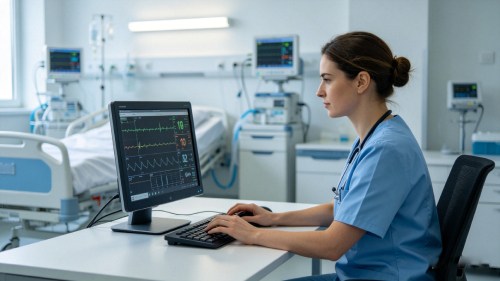
リモート監視システムのセキュリティを確保する方法
バイヤーから「遠隔監視システムをどのようにセキュリティ確保すればよいですか?」と尋ねられた場合、その回答は直接的であるべきです。.
アイデンティティから始めよ。強力な認証を使用し、共有の管理アカウントを削除し、役割ベースのアクセスを強制する。NISTのゼロトラストモデルは、どのユーザーや資産もデフォルトでは信頼しないことにより、これをサポートしている。.
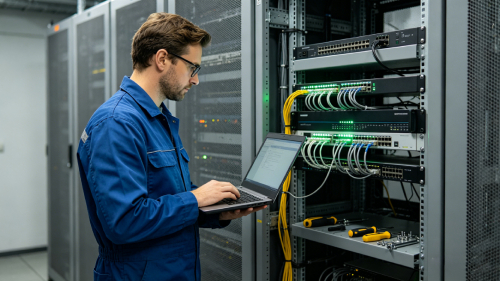
次に、デバイスをセキュアにします。デフォルトの資格情報を無効にし、ファームウェアの完全性を検証し、アップデートプロセスを信頼性の高いものにします。CISAとENISAの双方が、アップデートとベースラインのセキュリティ対策がIoTセキュリティの不可欠な要素であると指摘しています。.
次に、ネットワークの安全性を確保します。転送中のデータを暗号化し、機密トラフィックをセグメント化し、露出した管理インターフェースを削減します。クラウドやアプリについては、権限を制限し、APIを堅牢化し、重要なアクションをログに記録し、定期的に設定を見直します。.
最善の答えは、単一のコントロールではありません。それは、互いに連携して機能するコントロールのセットです。.
レイヤー別リモート監視セキュリティベストプラクティス
これは実装ステップに落とし込むことができる実用的なチェックリストです。.
デバイスセキュリティのベストプラクティス
-
デプロイ前にデフォルトのパスワードを削除してください
-
署名付きファームウェアと安全なアップデートパスを有効にする
-
可能な場合はデバイスレベルの認証を使用してください
-
デバイスの稼働状態とパッチの適用状況を追跡する
ネットワークセキュリティのベストプラクティス
-
転送中のトラフィックを暗号化する
-
運用トラフィックを一般業務トラフィックから分離する
-
リモート管理の露出を制限する
-
不審な外部送信またはラテラル通信を監視する
クラウドとプラットフォームのベストプラクティス
-
最小特権のアクセス権限を使用する
-
認証とレート制限でAPIを保護する
-
管理者の操作をログに記録し、定期的に確認する
-
保存された機密データの暗号化
ユーザーとプロセスに関するベストプラクティス
-
チームに認証情報の取り扱いとフィッシング詐欺に関するトレーニングを実施する
-
ロールアクセスを定期的に見直す
-
管理者のアクセスにはMFAを必須にする
-
インシデント対応計画を維持する
ここにおいて、「ゼロトラスト」は現実的なものとなります。それは単なる理論ではありません。あらゆるアクセスの時点で前提条件を減らすための手段なのです。.
優れたセキュリティが意図的に反復されるものであるのには理由がある。.

Eviewがセキュアな監視展開をサポートする方法
B2Bバイヤーにとって、セキュリティは部分的にベンダーのハードウェア、ソフトウェア統合、およびカスタマイズを制御する能力に依存します。Shenzhen Eview GPS Technologyは、自社をテレケアおよび個人の安全のためのソリューションプロバイダーと説明しており、 16年 の経験、独立した製造ライン、専任のR&Dチーム、そしてハードウェア設計とソフトウェア統合にわたるOEM/ODMカスタマイズ能力を備えています。.
デバイスの設計、ファームウェアの決定、プラットフォームの統合を別々のサイロとして扱わない場合、セキュアなデプロイメントの構築が容易になるため、それは重要です。Eviewの位置づけは、テレケア、mPERS、SOSウォッチ、およびホームハブのシナリオにおいて特に重要であり、これらのシナリオでは、デバイスレベルの信頼、暗号化された通信、制御されたアクセスが、パートナーとエンドユーザーの両方にとって重要となります。.
クラスターSEOの観点から、この記事は内部リンクを使ってより広範なコンテンツネットワークとも結びつける必要があります。例えば以下のようなリンクです:
-
遠隔監視システムガイド
-
遠隔監視の費用
-
IoT接続ガイド
-
予兆保全ガイド
-
遠隔監視システムアーキテクチャ
コンバージョンには、ここで軽いCTAで十分です: セキュリティ相談を申し込む または セキュアな監視ソリューションの評価を取得する.
セキュリティは、ソリューション設計が統合されることで、より実用的になります。.
結論
リモート監視のセキュリティは、もはや二の次ではありません。購買決定における重要な要素の一部です。. リモート監視とは何か?産業用アプリケーションのための完全ガイド.
主なリスクは明確です。不正アクセス、デバイスの脆弱性、安全性の低いネットワーク、クラウドの設定ミス、そしてヒューマンエラーです。幸いなことに、これらの問題のほとんどは予測可能です。より優れたアーキテクチャ、強力なアクセス制御、信頼性の高いアップデート、そして多層防御モデルによって軽減することができます。.
ほとんどの企業にとって、本当の問題はリモート監視がセキュリティリスクをもたらすかどうかではない。もたらすのである。より重要な疑問は、それらのリスクが、成長、コンプライアンス、そして信頼を支えるのに十分なほど適切に管理されているかどうかである。それこそが、脆弱な導入と持続可能な導入を分けるものなのだ。.
よく設計されたシステムは、接続性と安全性を両立させることができる。.
よくある質問
IoT監視システムにおける最大の最大のリスクは何ですか?
最大のリスクは通常、デバイス、ユーザー、または管理者アクセスに対する管理の甘さであり、特にデフォルトの認証情報や過剰な権限がそのまま残されている場合に顕著になります。.
ハッカーはどのようにして遠隔監視デバイスを攻撃するのですか?
一般的なパス:デフォルトのパスワード、未適用のファームウェア、露出した管理サービス、セキュアではないAPIなど。.
医療における遠隔モニタリングは安全ですか?
そうである可能性はありますが、医療分野の導入においては、HIPAAセキュリティ規則などの、より厳格なプライバシーおよびセキュリティ要件も満たす必要があります。.
IoTにおけるゼロトラストセキュリティとは何ですか?
ゼロトラストとは、ユーザー、デバイス、サービスが無条件に信頼されないことを意味します。アクセスは、ポリシーとコンテキストに基づいて継続的に検証されます。.
リモート監視における主な脆弱性は何ですか?
主な脆弱性は、弱い認証、パッチが適用されていないデバイス、安全性の低いAPI、不十分なネットワークセグメンテーション、およびクラウドの誤設定です。.
遠隔監視デバイスはどのくらいの頻度で更新すべきですか?
デバイスは定期的なスケジュールに従って更新し、脆弱性やアクティブな悪用が導入済みのバージョンに影響を与える場合は、より高頻度で更新する必要があります。.
ISO 27001はリモート監視システムに適用されますか?
ISO/IEC 27001は遠隔監視に特化したものではありませんが、情報セキュリティ管理およびリスク管理の枠組みとして広く利用されています。.
著者
著者 IoTセキュリティエンジニアリングチーム、Eview
レビューアー: シニアサイバーセキュリティスペシャリスト