
What is an Elderly Safety Device and Why It Matters
As the aging population grows worldwide, the demand for technologies that ensure independence and safety among seniors has never been more pressing. Devices such as wearable senior trackers and integrated safety systems allow older adults to live independently with confidence. These innovations are no longer a luxury but a cornerstone of modern elder care.
Overview of Aging Population and Technology Needs
Population trends show dramatic increases in the number of people aged 65 and above. According to recent estimates, the global elderly population aged 65+ is expected to reach 1.5 billion by 2050, driven by declining birth rates and longer life expectancy.
With this shift, the integration of aging population tech—including elderly safety devices—has become essential. These tools support health monitoring, emergency response, and daily activity tracking, assisting both seniors and caregivers.
The demand for senior safety solutions reflects an urgent public health and societal priority.
What is an Elderly Safety Device?
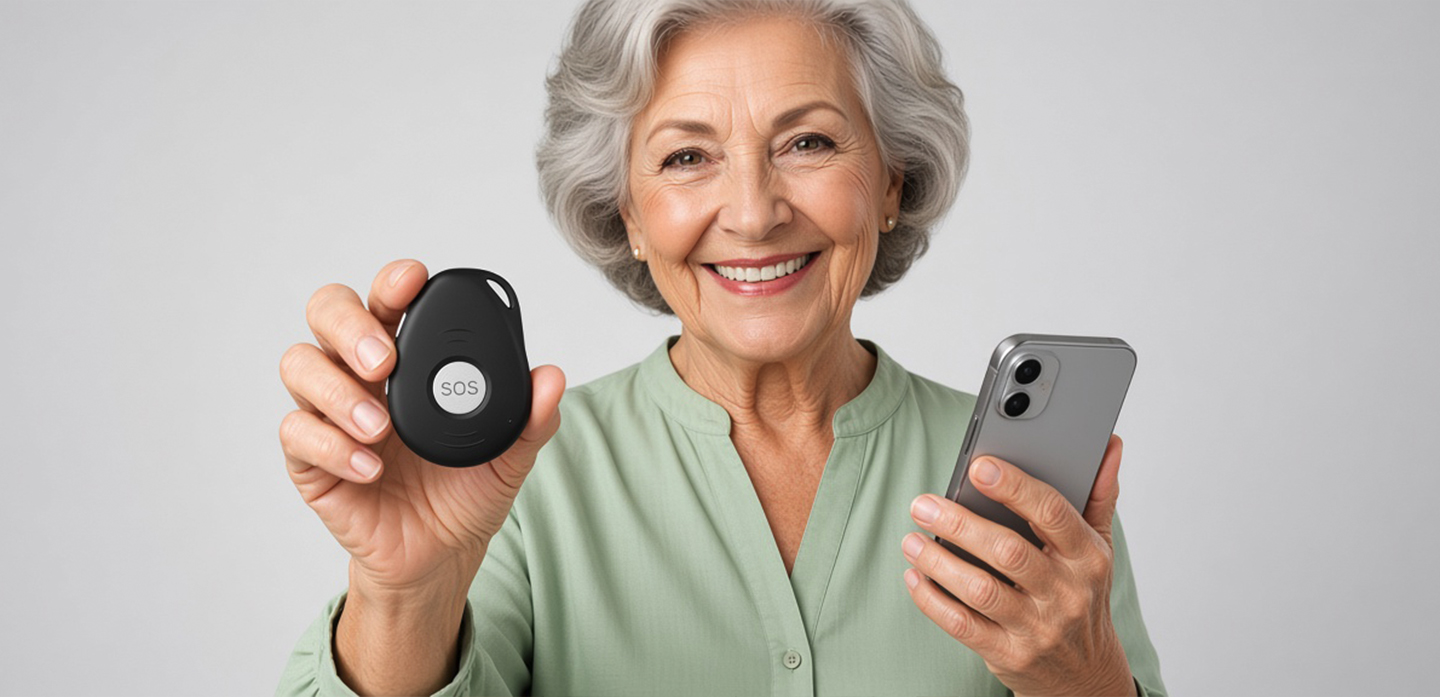
An elderly safety device refers to technology designed to protect older adults from injury, manage health risks, and connect them quickly with help when needed. These devices include wearable trackers, fall detection sensors, and emergency alert systems.
Common categories include:
-
Wearable trackers, such as wristbands and pendants with GPS and vital sign monitoring.
-
Fall detection systems alert caregivers when a senior loses balance.
-
Mobile personal emergency response systems (mPERS) for immediate assistance.
Each type plays a role in enhancing situational awareness and responding rapidly to risks.
These devices transform reactive caregiving into proactive safety assurance.
Senior Trackers: Tracking Location and Health
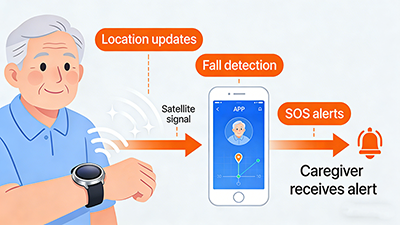
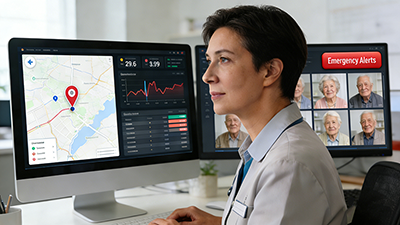
A senior tracker typically combines GPS location services with health monitoring features. These devices give caregivers real-time updates and emergency alerts, crucial for seniors living alone.
How Trackers Work
Senior trackers use satellite and cellular networks to provide:
-
Location updates
-
Activity patterns
-
SOS alert buttons
Devices may offer fall detection and heart rate monitoring, blending safety features with daily wellness checks.
The global GPS tracking segment—including elderly and child trackers—was estimated at USD 2.56 billion in 2024, with projections to grow to USD 4.2 billion by 2032 (about 8.24% CAGR).
Senior trackers help families stay connected and informed, reducing anxiety for caregivers and seniors alike.
Market Trends in Elderly Safety Devices
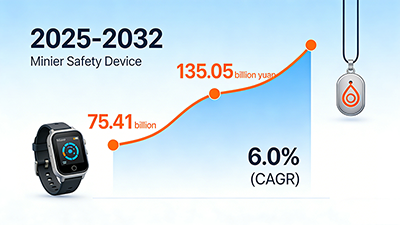
The market for elderly safety monitoring devices is expanding steadily. In 2025, this sector is estimated at USD 754.1 million, forecast to reach USD 1,350.5 million by 2035 with a 6.0% CAGR.
Global Market Snapshot
| Metric | Value |
|---|---|
| Market Size (2025) | USD 754.1 million |
| Forecast Market (2035) | USD 1,350.5 million |
| Compound Annual Growth Rate (2025–2035) | 6.0% |
| Leading Alarm Type | Automatic Alarm (52%) |
| Major Growth Regions | Asia Pacific, North America, Europe |
This shows the strong upward trajectory of elder safety product adoption internationally.
Wearable Safety Connectivity Growth
The senior safety wearable connectivity market reached USD 3.2 billion in 2024 and is expected to grow to USD 8.5 billion by 2033 at a 13.1% CAGR, driven by deeper integration of health monitoring and real-time communication.
Integration with mobile devices and cloud platforms enhances both alert speed and device accuracy.
Benefits of Elderly Safety Devices
Support for Independent Living
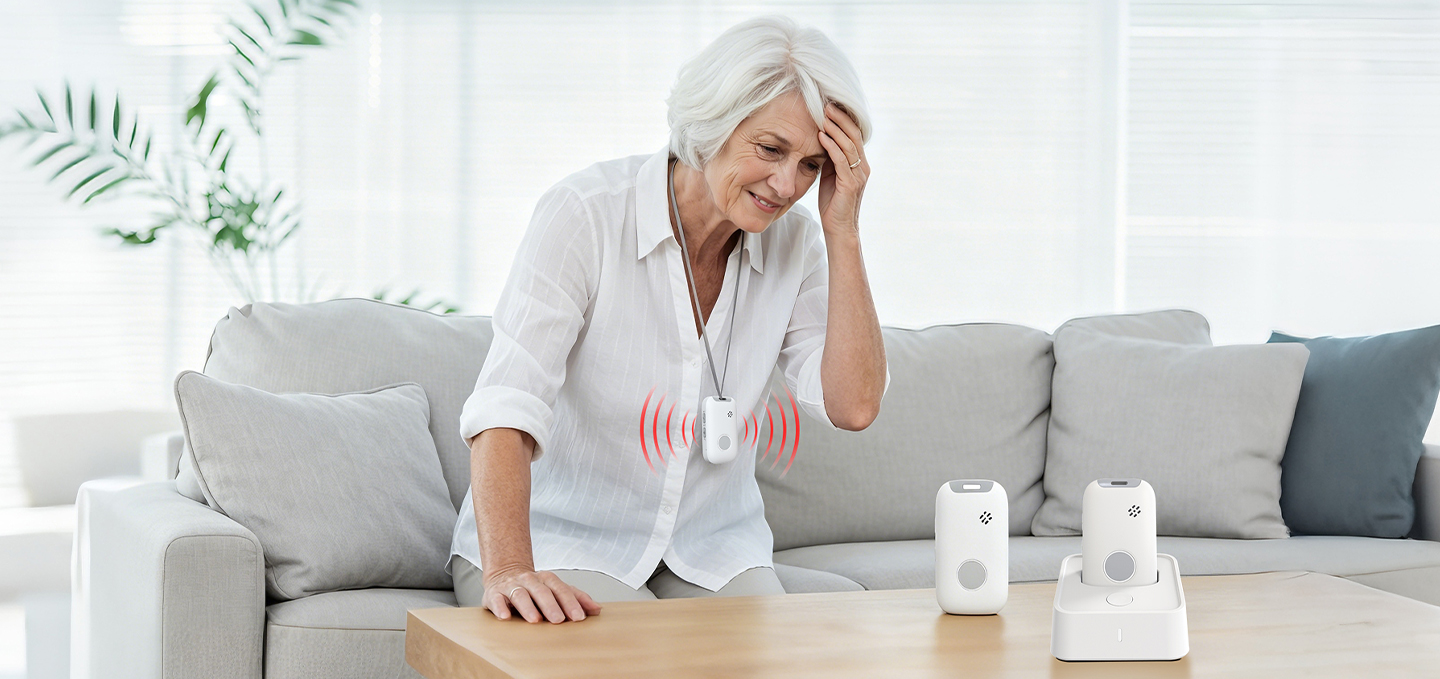
Safety devices help seniors maintain independence without constant supervision. With fall detection, caregivers receive alerts before small incidents turn serious.
Wearable trackers also enable location monitoring, making them vital for seniors with cognitive decline or dementia.
Independence paired with real-time support creates a more dignified aging experience.
Improved Health Monitoring
Many senior trackers now integrate health features, such as:
-
Heart rate monitoring
-
Sleep pattern analysis
-
Activity level tracking
This data helps track trends over time, supporting preventative care rather than reactive treatment.
These insights empower families and healthcare providers with actionable information.
Reduced Caregiver Strain
Family caregivers are often under emotional and physical strain. With smart monitoring, urgent alerts replace guesswork, and automated systems ease continuous oversight.
Technology enhances peace of mind for all involved.
Challenges and Considerations
Data Privacy and Security
As devices collect sensitive information, ensuring data security is essential. Compliance with regulations such as GDPR is increasingly a focus for manufacturers and service providers.
Accessibility and Cost
Cost barriers can limit adoption, especially among low-income seniors. While prices have fallen, many advanced systems still require subscriptions or professional installation.
Ensuring equitable access should remain a priority for future development.
Ensuring equitable access should remain a priority for future development.
Real-World Applications
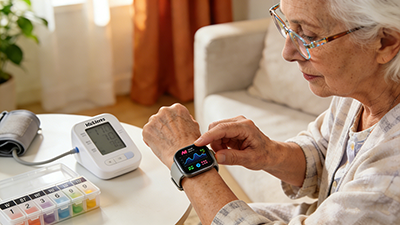
In senior living communities, safety systems using real-time location tracking and emergency alerts dramatically improve response times and reduce incidents. Wireless RTLS (Real-Time Location Systems) can track residents’ movement, manage wandering risks, and alert caregivers promptly.
These real-world deployments show how connected technologies benefit both institutional and home care environments.
FAQ
Q: What is an elderly safety device?
A device designed to monitor and protect seniors, like fall detectors, GPS trackers, and emergency alerts tailored for aging adults.
Q: How do senior tracker devices work?
Senior trackers use GPS or cellular tech to show real-time location and often connect to caregiver apps for alerts.
Q: Are safety devices useful for dementia patients?
Yes — GPS trackers and inactivity sensors help reduce risk and give families peace of mind.
Q: Do elderly safety devices reduce healthcare costs?
Remote monitoring and early alerts can help reduce emergency care needs and support effective aging in place.
Q: What challenges do seniors face using smart safety tech?
Issues include device usability, charging/battery life, cost, and learning new tech.
Q: Is the market for elderly safety tech growing?
Yes — driven by aging demographics, tech advances like AI and IoT, and demand for independent living solutions.
Conclusion: Tech That Protects and Connects
Elderly safety devices, senior trackers, and broader aging population tech are reshaping how society supports older adults. From wearable trackers to full smart monitoring systems, these tools deliver measurable improvements in safety, health oversight, and caregiver relief.
As demographic trends continue, investment in these technologies isn’t optional—it’s essential for sustainable, dignified care.
About Eview