Choosing the right medical alert system supplier is an important decision for companies developing healthcare, senior care, telecare, and personal safety solutions.
A modern medical alert system is no longer only an emergency button. It is a connected safety ecosystem that combines wearable devices, communication networks, software platforms, caregivers, monitoring teams, and response workflows.
For businesses, selecting the right supplier affects:
Product reliability
User safety
Deployment efficiency
Platform compatibility
Long-term maintenance
Customer experience
Whether you are a telecare provider, healthcare company, distributor, or technology integrator, the supplier behind your medical alert system can directly influence the success of your service.
This guide explains how to evaluate a medical alert system supplier, understand the difference between suppliers and manufacturers, and identify the key factors before launching an mPERS or telecare project.
A reliable medical alert system supplier should provide more than a device.
The right partner should support:
Reliable emergency alert functions
Suitable communication technologies
User-friendly device design
Product customization options
Technical documentation
Quality control processes
Integration support
Long-term product support
For B2B projects, the best supplier is not always the one with the lowest hardware price.
A stronger supplier is one that can support the complete product lifecycle, from evaluation and customization to deployment and future updates.
Key takeaway: Choose a medical alert system supplier based on technology capability, support experience, and long-term partnership potential.
A medical alert system is a safety solution designed to help users request assistance during an emergency.
Traditional systems were mainly designed for home environments. Modern solutions have expanded into mobile and connected applications through wearable devices and wireless communication technologies.
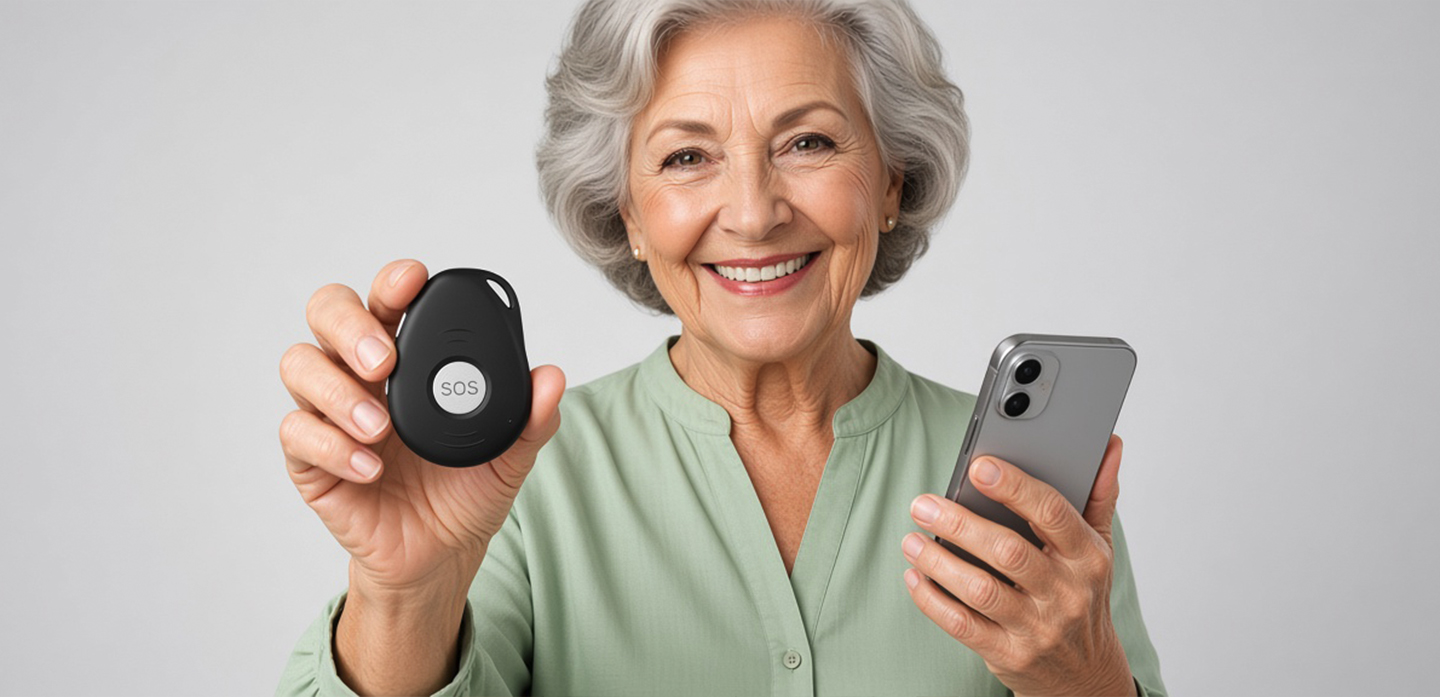
Personal emergency response system devices, often known as PERS devices, allow users to trigger an emergency request through a dedicated button or connected wearable.
Typical applications include:
Elderly care
Independent living
Healthcare support
Telecare services
Personal safety programs
A complete medical alert system may include:
Wearable hardware
Communication connection
Alert management platform
Caregiver or monitoring interface
Emergency response workflow
Modern medical alert systems focus on mobility, connectivity, and service integration.
Compared with traditional systems, newer solutions may provide:
Mobile emergency response
Location information
Two-way communication
Remote device management
Connected care services
For businesses, this means selecting a supplier involves more than evaluating the physical device.
It requires understanding the complete solution behind the device.
Key takeaway: A medical alert system is a complete safety service ecosystem, not only an emergency button.
mPERS (mobile Personal Emergency Response System) represents the mobile evolution of personal emergency response technology.
An mPERS solution allows users to access emergency assistance beyond a fixed location.
This makes it suitable for applications such as:
Senior care programs
Telecare services
Remote safety monitoring
Lone worker protection
Connected healthcare solutions
Organizations increasingly require safety solutions that work outside traditional home environments.
mPERS devices can support:
Mobile users
Location-based services
Emergency communication
Remote monitoring
Connected care workflows
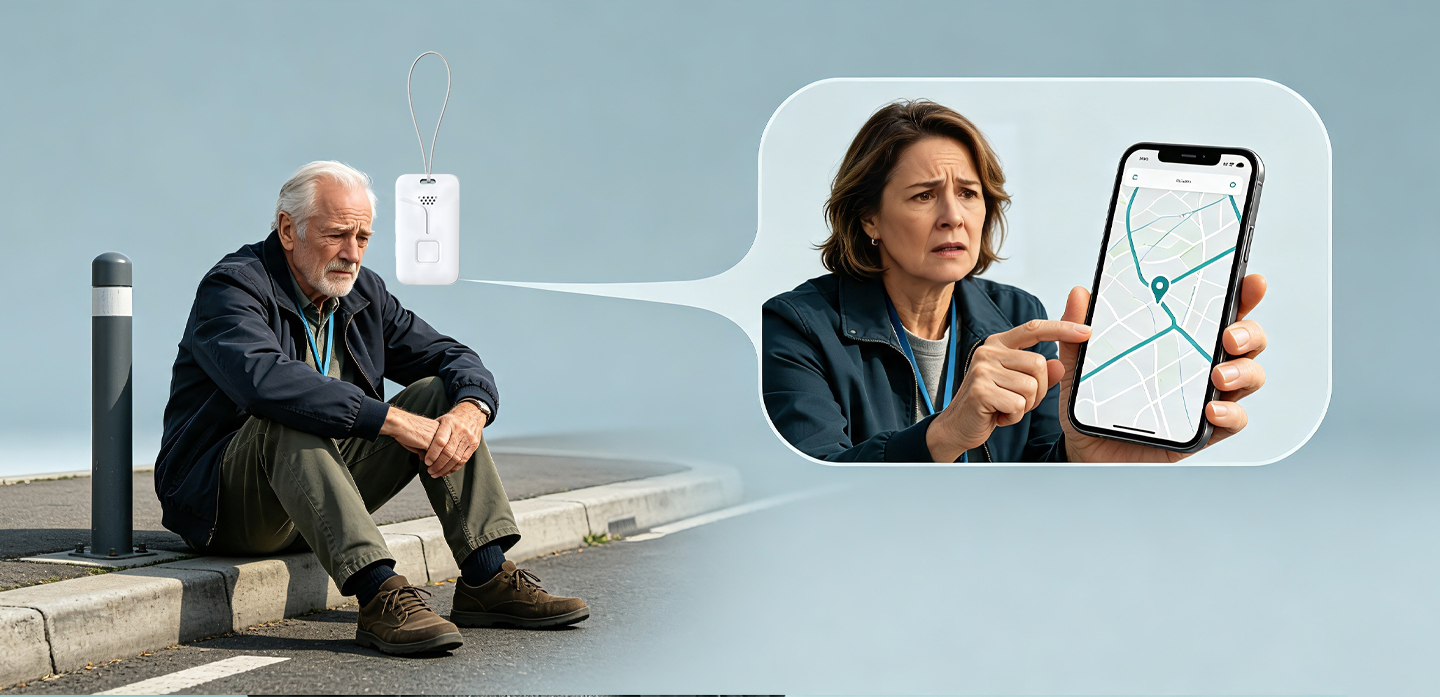
For example, an elderly care organization may need users to receive support both inside and outside their homes.
A workforce safety company may need employees to carry emergency communication devices while working remotely.
Different industries require different configurations, but the core goal remains the same:
Providing reliable assistance when it is needed.
An mPERS manufacturer should understand more than wearable hardware.
Companies should evaluate:
Product experience
Device reliability
Customization capability
Technical support
Manufacturing capability
Integration requirements
A supplier that understands the complete application scenario can usually provide better recommendations than a company selling only standard devices.
Key takeaway: mPERS connects medical alert technology with mobile safety applications, creating new opportunities for telecare and connected care services.
When searching for a medical alert system supplier, businesses often encounter different types of companies.
Understanding their differences helps avoid choosing a partner that cannot meet project requirements.
A supplier usually provides existing products that are ready for deployment.
Typical services include:
Standard device models
Product documentation
Packaging support
Basic customization
Accessories
This approach can work well for companies that need a faster market entry solution.
However, standard suppliers may have limitations when businesses require:
Custom firmware
Special workflows
Deep integration
Hardware changes
A medical alert device manufacturer typically has deeper control over product development and production.
Capabilities may include:
Hardware development
Firmware configuration
Product testing
Production management
Technical support
Custom development
Working with a manufacturer can provide more control over:
Product roadmap
Customization
Quality processes
Long-term support
A PERS manufacturer focuses on devices and solutions designed for personal emergency response applications.
Depending on the company, services may include:
Wearable safety devices
Emergency communication functions
Location technologies
Device management capabilities
Integration support
Companies should confirm whether the manufacturer supports their specific application scenario.
A platform provider focuses mainly on software systems.
Examples include:
Monitoring dashboards
Caregiver applications
User management
Alert processing
Reporting systems
However, platform providers may not control:
Hardware design
Firmware
Production quality
Device lifecycle
| Partner Type | Main Role | Best Fit | Possible Limitation |
|---|---|---|---|
| Medical alert system supplier | Provides ready-made products | Fast deployment | Limited customization |
| Medical alert device manufacturer | Controls hardware and production | Long-term product programs | Requires technical evaluation |
| mPERS manufacturer | Focuses on mobile emergency response devices | Telecare and safety applications | Project scope needs definition |
| PERS manufacturer | Personal emergency response devices | Emergency assistance programs | May focus on specific markets |
| Platform provider | Software and monitoring systems | Service operators | May not control hardware |
Selecting a medical alert system supplier requires more than comparing product specifications. For B2B buyers, the supplier should match the requirements of the entire service model. Before choosing a partner, companies should evaluate several important areas.
A supplier experienced in consumer electronics may not fully understand healthcare and safety applications.
Different industries have different requirements.
For example:
Simple operation
Comfortable wearing experience
Emergency response reliability
Caregiver communication
Long-term device availability
Platform compatibility
Device management
Event reporting
Service scalability
Technical support
Mobile safety functions
Emergency communication
Location services
Worker monitoring capabilities
A suitable medical alert device supplier should understand the actual application scenario rather than only providing hardware.
Medical alert systems often operate across different countries and markets.
Before selecting a supplier, companies should evaluate:
Communication requirements
Product availability
Regional support
Documentation requirements
Service expectations
A supplier should clearly explain where the device is designed to operate and what market requirements need to be considered.
Many B2B projects require more than an existing product.
Customization may include:
Branding
Product appearance
Packaging
Firmware settings
Device configuration
Accessories
Software connection options
Companies should understand:
Which features are standard
Which features can be configured
Which features require additional development
Clear customization boundaries help prevent unexpected costs and delays.
A medical alert system is usually not a one-time purchase.
Companies should consider future needs:
Firmware updates
Product improvements
Technical support
Replacement planning
New market requirements
A strong supplier relationship should support the product throughout its lifecycle.
Key takeaway: A good medical alert system supplier should understand your industry, deployment needs, customization requirements, and long-term goals.
When comparing medical alert device suppliers, businesses should focus on features that directly influence user safety and operational reliability.
The goal is not to choose the device with the longest feature list.
The goal is to choose a device that supports the intended service model.
The emergency alert function is the foundation of any medical alert system.
Evaluate:
SOS button design
Activation method
Alert confirmation
Accidental activation prevention
Emergency workflow
For elderly users especially, the emergency process should be simple and intuitive.
A complicated process may reduce the chance that users successfully request help during critical moments.
Clear communication is an important part of emergency response.
Companies should evaluate:
Voice communication quality
Speaker performance
Microphone sensitivity
Connection stability
A successful emergency alert should not only notify the responder.
It should also help the responder understand the situation.
Many modern medical alert systems include location-related functions.
Depending on the application, companies may evaluate:
Outdoor location support
Indoor positioning capability
Location update frequency
Location data availability
For example, elderly care programs may need location support for users who move between home and outdoor environments.
Lone worker programs may require location visibility for safety management.
A safety device must remain available when users need it.
Important evaluation points include:
Battery performance
Charging process
Low battery notifications
Device status monitoring
Daily usability
A device that requires complicated maintenance may create challenges during large-scale deployment.
For B2B applications, device capability is only one part of the solution.
Companies should also consider whether the device can work with:
Existing monitoring platforms
Care management systems
Internal software systems
Service workflows
A medical alert system should fit into the business operation behind it.
Key takeaway: Evaluate medical alert devices based on real deployment needs, not only technical specifications.

Many businesses looking for a medical alert device manufacturer need to decide whether they need a standard product, OEM solution, or ODM development.OEM Medical Alert System Solutions
OEM cooperation usually starts with an existing product platform.
Possible customization includes:
Brand identity
Packaging
Product configuration
Firmware settings
Accessories
OEM is suitable for companies that need:
Faster market entry
Lower development risk
A branded safety product
ODM involves deeper product customization.
Possible areas include:
Hardware design
Product structure
Components
Sensors
Firmware development
ODM is suitable when companies need:
Stronger product differentiation
Specific industry requirements
A customized product roadmap
| Category | OEM Solution | ODM Solution |
|---|---|---|
| Starting point | Existing product platform | Customized development |
| Development time | Faster | Longer |
| Customization level | Medium | High |
| Engineering requirement | Moderate | Higher |
| Best for | Faster commercialization | Unique product strategy |
Key takeaway: OEM supports faster deployment, while ODM provides deeper control over product differentiation.
Selecting the wrong supplier can create problems during deployment.
Many issues can be avoided through better evaluation before cooperation begins.
Price is important, but it should not be the only decision factor.
A lower device cost may lead to higher long-term expenses if the project requires:
Additional integration work
More technical support
Higher replacement rates
Frequent troubleshooting
Companies should evaluate the total project value rather than only the initial quotation.
A device may appear suitable but still create problems if it cannot work with existing systems.
Before selecting a supplier, companies should understand:
Device communication method
Platform requirements
Data exchange needs
Technical support capability
More features do not always create a better user experience.
For example:
Elderly users may prefer simplicity
Care providers may prioritize reliability
Businesses may prioritize scalability
The best medical alert system is the one that solves the real user problem.
Before cooperation, companies should review:
Product experience
Technical capability
Manufacturing ability
Documentation
Support process
A structured evaluation reduces future risks.
Key takeaway: Supplier selection should focus on long-term project success, not only short-term purchasing decisions.
Eview focuses on smart wearable safety devices and mPERS-related solutions designed for applications including elderly care, personal safety, and workforce protection.
For companies developing medical alert systems or telecare solutions, Eview can support projects that require:
Connected safety hardware
Wearable device solutions
OEM/ODM cooperation
Product customization discussions
Application-specific device selection
A clear project brief helps suppliers understand requirements faster.
Companies should prepare information such as:
Examples:
Elderly care
Telecare service
Healthcare solution
Workforce safety
Include:
Device type
Required functions
Target users
Operating environment
Include:
Target market
Customization needs
Deployment plan
Project timeline
By defining these requirements early, companies can have more productive discussions with potential partners.
Key takeaway: A successful mPERS partnership starts with clear requirements and the right technical alignment.
A medical alert system is a safety solution that allows users to request assistance during emergencies through connected devices and response platforms.
An mPERS solution is a mobile personal emergency response system designed to provide emergency support beyond fixed locations.
Companies should evaluate industry experience, product reliability, customization capability, technical support, and long-term partnership potential.
A supplier may provide existing products, while a manufacturer typically has deeper involvement in hardware development, production, and customization.
A PERS manufacturer provides personal emergency response devices and related capabilities depending on the company’s product scope.
Yes. Many B2B projects require customization such as branding, configuration, packaging, or software connection options.
Yes. mPERS devices are commonly considered for elderly care applications where mobility, emergency communication, and safety support are important.
Working with an experienced mPERS manufacturer can provide better control over product requirements, customization, and long-term support.
Choosing a medical alert system supplier is a strategic decision for companies building healthcare, telecare, and personal safety solutions.
The right supplier should provide more than a device.
It should support:
Reliable safety functions
Product customization
Technical cooperation
Business deployment needs
Long-term product development
For companies evaluating mPERS solutions, telecare devices, or connected safety products, selecting a supplier with the right technical capabilities can create a stronger foundation for future growth.
Eview works with businesses seeking configurable smart safety hardware and mPERS solutions. Companies can contact Eview to discuss device requirements, project applications, and potential cooperation opportunities.
Phone: +86 158 9979 5842
Email: sales@eviewgps.com
Office: 29th Floor, Changjiang Center, Renmin Road, Longhua District, Shenzhen, China
Factory: Building 1A, No. 201, Nankechuang Yuangu, Gaofeng Road, Longhua District, Shenzhen, China
© 2026 Eviews All rights reserved.
For any requirement, our team will be happy to respond to you inless than 24 hours.
Your information will be kept strictly confidential.