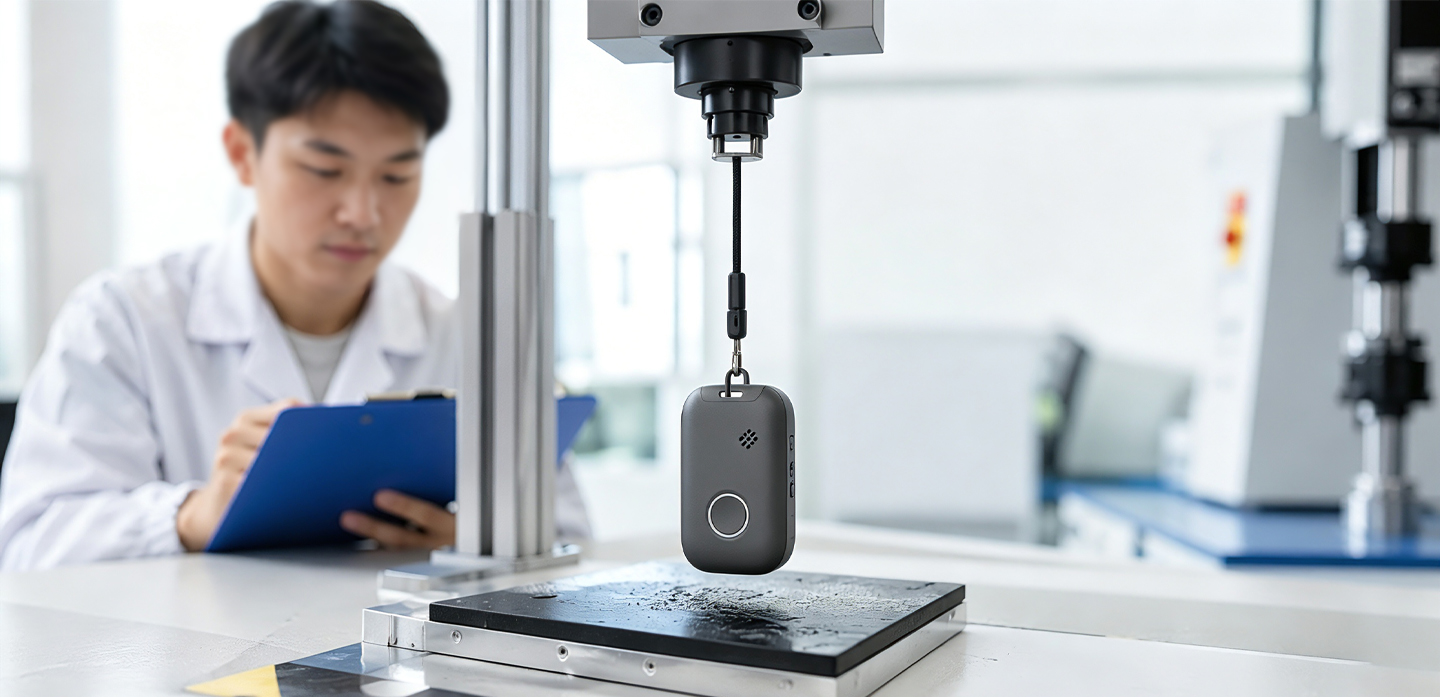
What Is an Equipment Monitoring System?
An equipment monitoring system is a technology solution that collects real-time data from machines to track performance, condition, and usage. It typically includes sensors, connectivity, and software that work together to provide continuous visibility into industrial operations. For many businesses, this system replaces manual inspections with automated, data-driven monitoring.
In practical terms, an equipment monitoring system allows teams to understand not only whether a machine is running, but how well it is performing and whether it is likely to fail. This shift—from reactive observation to proactive insight—makes machine monitoring systems increasingly essential in modern operations.
Equipment Monitoring vs. Machine Monitoring
Although often used interchangeably, equipment monitoring and machine monitoring address different layers of operational visibility. Equipment monitoring focuses on asset health, tracking variables such as vibration, temperature, and wear. Machine monitoring, on the other hand, focuses on performance metrics like cycle time, throughput, and efficiency.
In most industrial environments today, these capabilities are combined into a unified equipment monitoring system that supports both maintenance and production optimization.
How Does an Equipment Monitoring System Work?
To understand the true value of an equipment monitoring system, it helps to look beyond the concept and examine how it functions in a real operational environment. At its core, the system creates a continuous feedback loop between machines and decision-makers, allowing businesses to respond to issues as they develop rather than after they occur.
Core Components: Sensors, Connectivity, Software
Every machine monitoring system is built on three foundational layers. Sensors are installed on equipment to capture real-time data such as temperature, vibration, or pressure. Connectivity—typically enabled by IoT networks—transmits this data to a centralized platform. Software systems then process, analyze, and visualize the data through dashboards and alerts.
This layered approach allows businesses to monitor equipment continuously instead of relying on periodic checks, significantly improving both accuracy and response time.
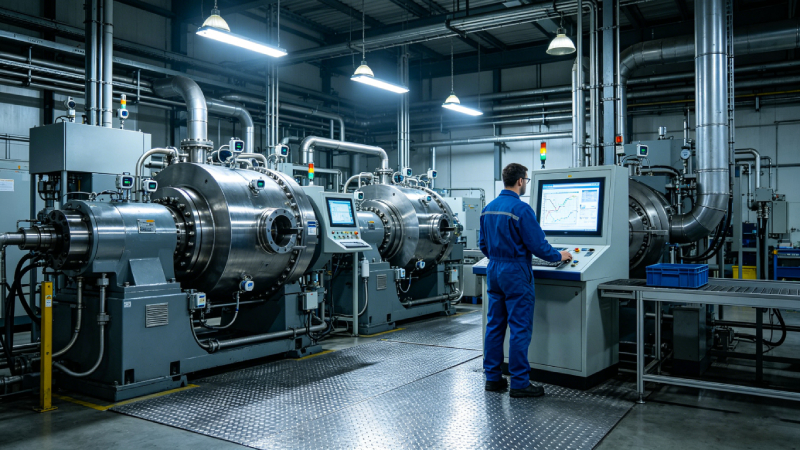
Data Flow: From Machine to Insight
The data journey begins at the machine level and moves through connectivity layers to edge or cloud platforms. Once processed, it is transformed into actionable insights such as alerts, performance indicators, or predictive maintenance recommendations.
For example, if a machine begins to show abnormal vibration patterns, the system can trigger an alert before a breakdown occurs. This early detection is one of the most valuable aspects of equipment monitoring systems, as it directly reduces downtime and maintenance costs.
Equipment Monitoring System Architecture
While basic explanations focus on features, understanding the architecture of an equipment monitoring system reveals how scalability and reliability are achieved. This is particularly important for businesses planning long-term deployments.
A typical architecture follows a structured data pipeline:
Device → Connectivity → Edge/Cloud → Analytics → Dashboard
This structure ensures that data flows efficiently from machines to decision-makers, even across large or distributed operations.
Key Layers Explained
At the device level, sensors collect raw data from equipment. Connectivity layers—such as cellular, Wi-Fi, or LPWAN—transmit this data securely. Edge or cloud platforms then process and store the information, while analytics engines identify patterns and anomalies. Finally, dashboards present the insights in a format that teams can act on.
This architecture is what enables industrial equipment monitoring systems to scale from a single facility to global operations.
Types of Equipment Monitoring Systems
Not all equipment monitoring systems are designed for the same purpose. Depending on operational priorities, businesses may focus on different types of monitoring to achieve specific outcomes.
Condition Monitoring Systems
Condition monitoring systems focus on the physical state of equipment. Tracking variables such as temperature, vibration, and pressure, they help detect early signs of wear or failure. This approach is widely used in industries where equipment failure can lead to significant financial loss or safety risks.
Performance Monitoring Systems
Performance monitoring systems analyze how efficiently machines operate. Metrics such as cycle time, downtime, and output are used to identify inefficiencies and improve productivity. These systems are often used to calculate and improve Overall Equipment Effectiveness (OEE).
Remote Equipment Monitoring
Remote equipment monitoring extends visibility beyond a single location. By using cloud-based platforms, businesses can monitor machines across multiple sites in real time. This is particularly valuable for organizations managing distributed assets or field operations.
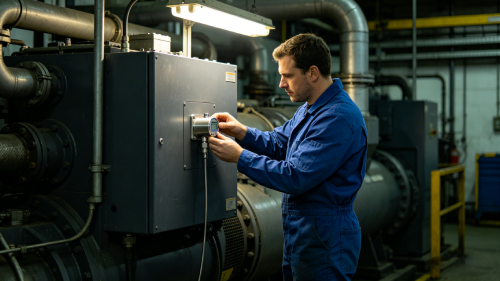
Key Benefits of Machine Monitoring Systems
Implementing an equipment monitoring system is not just about collecting data—it’s about driving measurable improvements in operations. Businesses that adopt machine monitoring systems typically see gains in efficiency, reliability, and cost control.
Reduced Downtime
One of the most significant benefits is the reduction of unplanned downtime. By identifying issues early, businesses can address problems before they escalate into failures. According to McKinsey, Predictive maintenance can reduce downtime by up to 30%, according to research from McKinsey.
Improved Operational Efficiency
Machine monitoring provides detailed insights into how equipment is performing. It highlights inefficiencies such as idle time, slow cycles, or underutilized assets. With this information, teams can make targeted improvements that enhance overall productivity.
Lower Maintenance Costs
Instead of relying on fixed maintenance schedules, businesses can adopt a condition-based approach. Maintenance is performed only when needed, reducing unnecessary servicing and extending equipment lifespan.
Equipment Monitoring vs IoT Monitoring
As digital transformation accelerates, many businesses compare equipment monitoring systems with broader IoT monitoring solutions. While they are closely related, they serve different roles within the operational ecosystem.
Equipment monitoring focuses specifically on machines and assets, providing insights into performance and condition. IoT monitoring, on the other hand, covers the entire connected ecosystem, including sensors, networks, and devices across multiple applications.
Key Differences
| Type | Focus |
|---|---|
| Equipment Monitoring | Asset health & machines |
| IoT Monitoring | Fully connected ecosystem |
Understanding this distinction helps businesses choose the right level of monitoring for their needs.
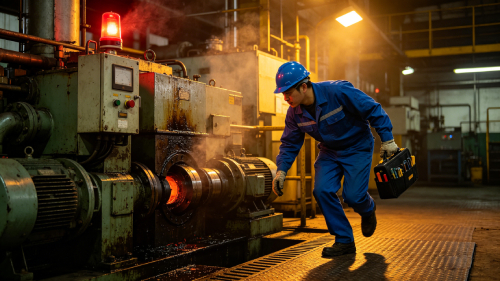
Equipment Monitoring System Cost (What to Expect)
Cost is one of the most common concerns when evaluating an equipment monitoring system. While pricing varies widely, it generally depends on system scale, complexity, and customization requirements.
An equipment monitoring system typically includes hardware (sensors and gateways), software platforms, integration services, and ongoing support. Smaller deployments may start with basic monitoring, while larger operations require more advanced analytics and infrastructure.
For businesses planning long-term implementation, it is important to consider the total cost of ownership rather than just the initial investment.
See detailed breakdown: equipment monitoring system cost.
What Businesses Often Get Wrong
Even with the right technology, many equipment monitoring projects fail to deliver expected results due to common implementation mistakes. These issues often stem from planning rather than technology limitations.
Common Equipment Monitoring Mistakes
-
Choosing low-cost hardware that lacks reliability
-
Ignoring integration with existing systems
-
Collecting data without a clear use strategy
-
Underestimating training and adoption requirements
Avoiding these mistakes is essential for achieving long-term value from a machine monitoring system.

Equipment Monitoring System Checklist
Before selecting a solution, businesses should evaluate their current capabilities and requirements. A structured checklist can help identify gaps and guide decision-making.
-
Do you have real-time visibility into machine performance?
-
Are alerts automated and actionable?
-
Can your system scale across multiple locations?
-
Does it integrate with ERP or CMMS systems?
-
Is remote equipment monitoring supported?
If several of these areas are missing, upgrading to a modern equipment monitoring system may be necessary.
How Eview Supports Equipment Monitoring Solutions
Choosing the right equipment monitoring system is important, but choosing the right partner often determines long-term success. This is where Eview brings practical value to B2B partners.
With over 16 years of experience in connected device solutions, Eview combines in-house R&D with manufacturing capabilities to deliver reliable monitoring hardware. This ensures stable data collection and long-term performance in real-world environments.
OEM/ODM Customization
Eview provides flexible OEM and ODM services, allowing businesses to develop customized equipment monitoring systems tailored to their specific needs. From hardware design to software integration, solutions can be adapted to fit different industries and use cases.
Scalable IoT Integration
Eview’s solutions support scalable IoT connectivity, enabling real-time monitoring across distributed assets. This is particularly useful for businesses expanding operations or managing remote equipment.
Future Trends in Equipment Monitoring
Equipment monitoring systems continue to evolve as new technologies emerge. Businesses that stay ahead of these trends can gain a competitive advantage.
Artificial intelligence is improving predictive maintenance by identifying complex patterns in machine data. Edge computing is reducing latency by processing data closer to the source. At the same time, remote monitoring is becoming standard as operations expand across multiple locations.
These trends indicate that equipment monitoring systems will become more intelligent, faster, and more integrated over time.
How to Choose the Right Equipment Monitoring System
Selecting the right equipment monitoring system requires balancing technical capabilities with business needs. The goal is not to choose the most advanced system, but the one that best fits your operational environment.
Businesses should evaluate factors such as asset scale, integration requirements, and long-term scalability. Vendor expertise is also critical, as reliable support and customization capabilities can significantly impact success.
Ultimately, the right system is one that delivers consistent value over time, not just immediate functionality.
Need Help Choosing the Right System?
Choosing the right equipment monitoring system can be complex, especially when balancing performance, cost, and scalability.
Eview works with global partners to design customized monitoring solutions tailored to real-world applications.
Explore solutions: https://www.eviewconnect.com/
FAQ
What is an equipment monitoring system?
A system that tracks machine condition and performance in real time.
How does equipment monitoring work?
It collects data through sensors, processes it, and provides actionable insights.
What is the difference between machine monitoring and equipment monitoring?
Machine monitoring focuses on performance, while equipment monitoring focuses on asset health.
How much does an equipment monitoring system cost?
Costs depend on scale, features, and integration complexity.
Do equipment monitoring systems require IoT?
Yes, most modern systems rely on IoT connectivity.