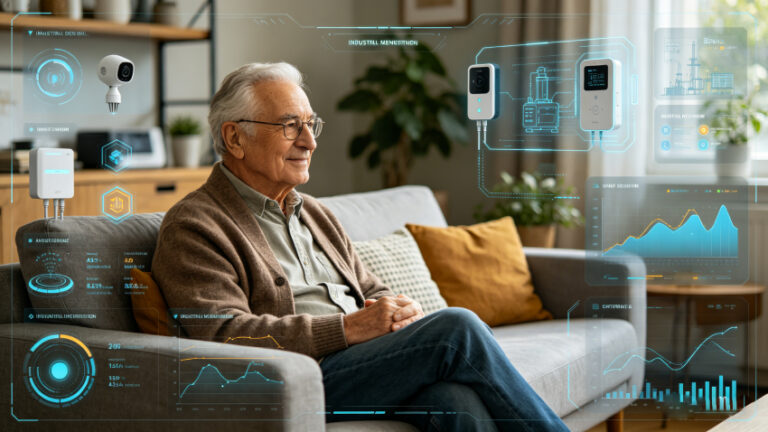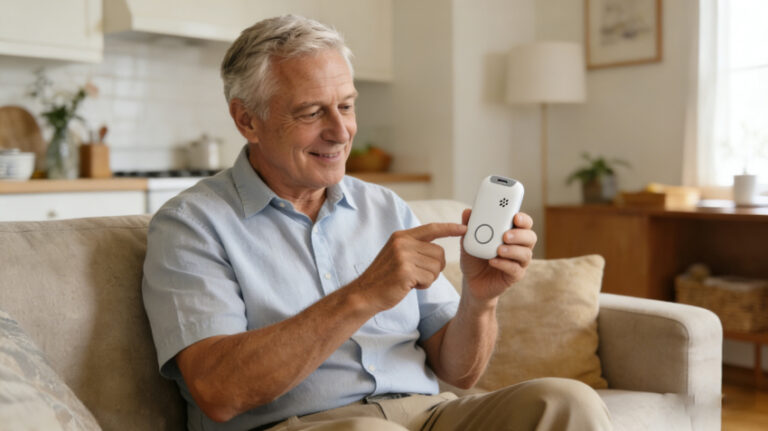
Remote patient monitoring (RPM) is transforming healthcare delivery by enabling clinicians to monitor patients outside traditional clinical settings. Many clinics, hospitals, and primary care providers are implementing remote patient monitoring programs to support chronic disease management, improve patient outcomes, and reduce hospital readmissions. How to implement remote patient monitoring
RPM programs use connected medical devices and software to track patient health remotely. Healthcare providers can then analyze data, identify trends, and intervene promptly when necessary. If you want to understand the benefits, CPT codes, and reimbursement for RPM, read our complete guide to Remote Patient Monitoring (RPM).
This guide covers how to implement remote patient monitoring in your practice, including step-by-step setup, workflow design, device selection, software platforms, cost considerations, and best practices.
How to Implement Remote Patient Monitoring (Step-by-Step)
To implement remote patient monitoring (RPM), healthcare providers typically follow these steps:
1. Identify target patient populations
Determine which patients are most suitable for RPM. Common groups include:
-
Patients with hypertension
-
Patients with diabetes
-
Heart failure patients
-
COPD or respiratory patients
-
Post-discharge patients
2. Choose remote patient monitoring devices
Select FDA-approved remote patient monitoring devices that are reliable, user-friendly, and integrate with your RPM platform.
3. Select an RPM technology platform
A robust remote patient monitoring system collects and analyzes patient data, provides alerts, and integrates with your electronic health record (EHR).
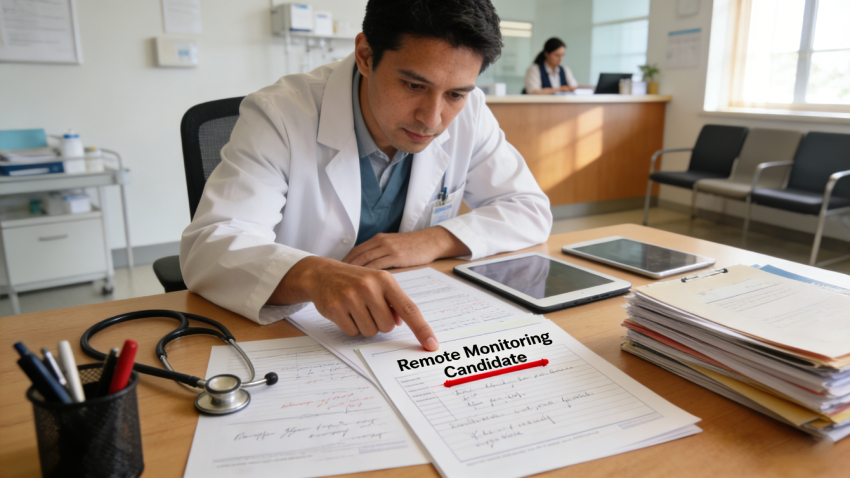
4. Design a remote patient monitoring workflow
Develop a workflow that ensures data collection, alert management, and clinician review occur consistently.
5. Train healthcare staff and patients
Educate staff on monitoring dashboards, alert handling, and documentation. Train patients on device usage and data transmission.
6. Ensure compliance and billing readiness
Follow HIPAA requirements and ensure proper documentation for Medicare RPM CPT codes such as 99453, 99454, 99457, and 99458. According to the Centers for Medicare & Medicaid Services (CMS), RPM services are reimbursable under Medicare when providers meet monitoring and documentation requirements.
7. Monitor program outcomes and performance
Track key metrics like patient engagement, adherence, clinical outcomes, and readmission rates. Studies show RPM programs can reduce hospital readmissions by up to 38%.
What Is a Remote Patient Monitoring Program?
A remote patient monitoring program is a structured approach to collect and transmit patient health data outside the clinic using digital devices. These programs are ideal for managing chronic conditions and post-discharge monitoring.
How RPM Works
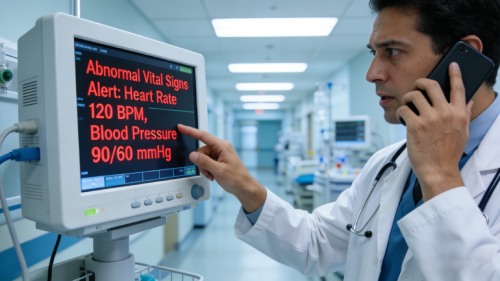
RPM programs use devices to capture patient health metrics, which are sent to a remote monitoring platform. Clinicians can view trends, receive alerts for abnormal readings, and intervene as needed.
Conditions Managed with RPM
Remote patient monitoring for chronic disease is most effective for:
-
Hypertension
-
Diabetes
-
Heart failure
-
COPD
-
Sleep apnea
According to the American Heart Association, remote monitoring significantly improves blood pressure control and medication adherence among patients with hypertension.
Remote Patient Monitoring Devices Used in RPM Programs
Choosing the right devices is critical for a successful RPM program.
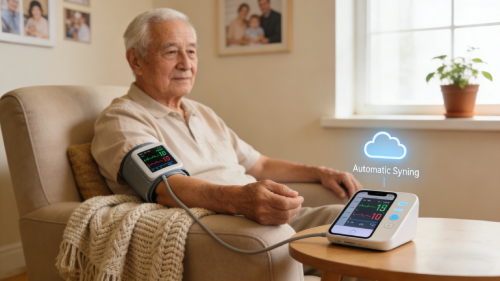
Blood Pressure Monitors for RPM
Used for hypertension management. Examples include:
-
Omron HeartGuide
-
Withings BPM Connect
Glucose Monitoring Systems for Diabetes Monitoring
Continuous glucose monitors (CGMs) like:
-
Dexcom G7
-
Abbott FreeStyle Libre 3
Pulse Oximeters for Respiratory Monitoring
Devices monitor oxygen saturation for COPD and asthma patients. Examples:
-
NoninConnect Pulse Oximeter
-
Masimo MightySat
Smart Weight Scales for Heart Failure Monitoring
Monitors fluid retention and weight trends. Examples:
-
Withings Body+
-
Fitbit Aria Air
ECG and Cardiac Monitoring Devices
Monitors heart rhythm for arrhythmia and post-surgery patients. Examples:
-
Apple Watch ECG
-
AliveCor KardiaMobile
Remote Patient Monitoring Software and Platforms
RPM platforms are central to remote patient monitoring services.
-
Integrates with devices
-
Displays patient dashboards
-
Sends automated alerts
-
Provides reporting tools
-
Ensures HIPAA compliance
Healthcare providers should select software that supports RPM program setup and workflow automation.
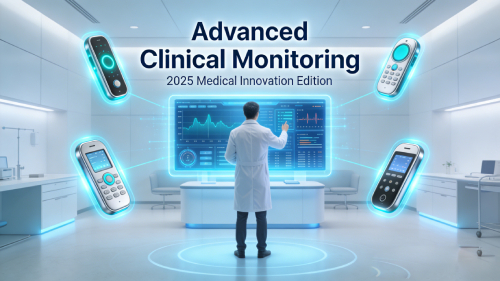
Remote Patient Monitoring Workflow Example
A structured workflow ensures smooth program operation:
Patient Enrollment
Clinicians identify and enroll eligible patients.
Device Setup and Activation
Devices are delivered to patients with instructions.
Daily Data Transmission
Patients record metrics; devices automatically transmit data.
Alert Management
Abnormal readings trigger alerts for clinicians.
Clinical Review and Intervention
Clinicians review data and contact patients as necessary.
Requirements for Starting a Remote Patient Monitoring Program
Implementing RPM requires planning and resources.
Clinical Staff Requirements
Trained staff to monitor dashboards and respond to alerts.
Device Requirements
Medical-grade devices suitable for chronic disease monitoring.
Technology Infrastructure
Reliable RPM software and EHR integration.
Medicare Eligibility
Understand billing requirements for CPT codes 99453, 99454, 99457, 99458.
Patient Consent
Obtain informed consent for monitoring and data sharing.
Remote Patient Monitoring Program Cost
Costs include:
-
Devices: Blood pressure monitors, glucose meters, pulse oximeters
-
Software: Licensing for RPM platforms
-
Staffing: Clinicians reviewing data
-
EHR Integration: Technology to integrate platforms
Costs are offset by reimbursement and improved outcomes. RPM programs offer a strong ROI for clinics and hospitals.
Best Practices for Implementing Remote Patient Monitoring
-
Start with a small patient cohort
-
Use user-friendly remote patient monitoring devices
-
Automate alerts and reporting
-
Integrate RPM data into clinical workflows
Example of a Remote Patient Monitoring Program in Practice
Hypertension monitoring program:
-
Patients use connected blood pressure monitors
-
Daily readings are transmitted to clinicians
-
Alerts trigger follow-up for abnormal readings
-
Improves adherence and reduces hospitalizations
Diabetes RPM program:
-
CGM devices track blood sugar
-
Clinicians adjust treatment remotely
-
Reduces complications and improves outcomes
The Future of Remote Patient Monitoring
-
AI-powered RPM analytics
-
Predictive modeling for early detection
-
Advanced wearable biosensors
-
Integrated telehealth + RPM platforms
FAQ: Remote Patient Monitoring Implementation
Who qualifies for remote patient monitoring?
Patients with chronic conditions such as hypertension, diabetes, heart failure, and COPD are ideal candidates.
What is the RPM workflow?
A structured process including enrollment, device setup, data transmission, alert management, and clinical review.
How many patients can a provider monitor with RPM?
It depends on staff resources and platform capacity; modern RPM software allows monitoring hundreds of patients.
Is remote patient monitoring covered by Medicare?
Yes, eligible services can be billed using CPT codes 99453, 99454, 99457, and 99458.
What conditions are best for remote patient monitoring?
Hypertension, diabetes, heart failure, COPD, and post-discharge monitoring.
How much does remote patient monitoring cost?
Costs vary by devices, software, staffing, and integration; reimbursement and improved outcomes often provide a strong ROI.
What devices are used in RPM programs?
Common devices include blood pressure monitors, glucose meters, pulse oximeters, ECG monitors, and smart weight scales.
What software is used for remote patient monitoring?
RPM software platforms collect, analyze, and display patient data, integrate with EHR, and provide automated alerts for clinicians.
Recommended Internal Links
Remote Patient Monitoring Devices: Types, Examples & How They Work
Remote Patient Monitoring (RPM) in 2026: Benefits, CPT Codes, Reimbursement & Implementation Guide
What Is Remote Patient Monitoring (RPM)? Definition, Devices, and Use Cases