Introduction: Understanding RPM
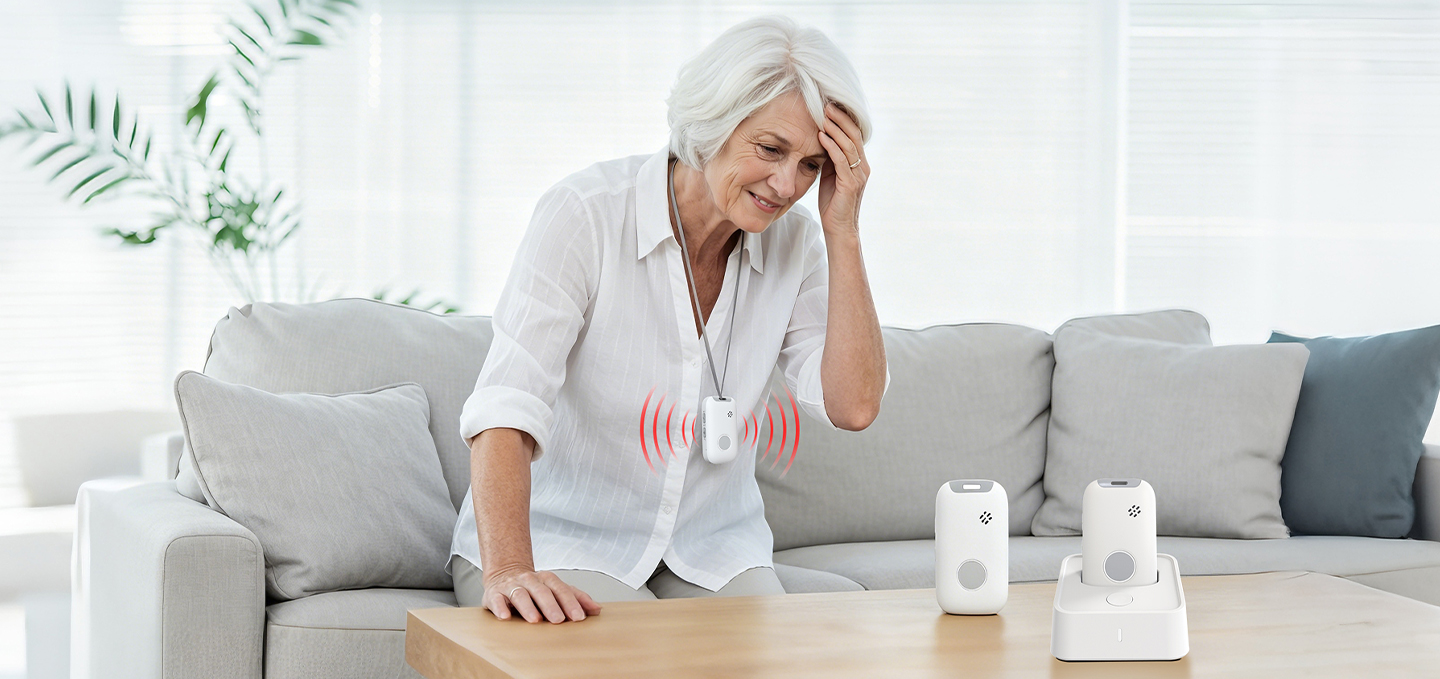
Remote Patient Monitoring (RPM) is revolutionizing healthcare by allowing healthcare providers to monitor patients’ health data in real time, without requiring in-person visits.
This technology is particularly beneficial for patients with chronic conditions, offering a more efficient way to manage their health and reducing the need for frequent hospital visits.
With the growth of telemedicine, RPM plays an essential role in enabling remote care, ensuring that patient health data is continuously monitored.
By using devices such as wearable sensors, blood pressure monitors, glucose meters, and mobile applications, healthcare providers can track patient health metrics remotely, allowing for real-time care adjustments.
What Is Remote Patient Monitoring (RPM)?
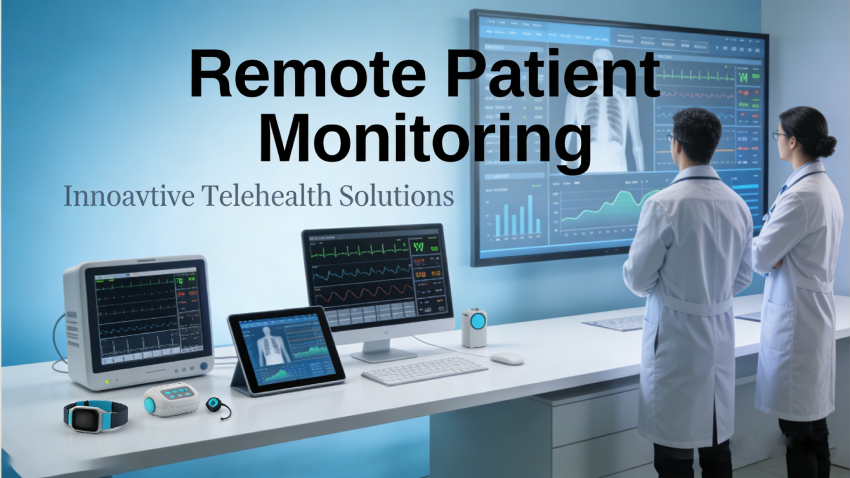
Remote Patient Monitoring (RPM) is a technology-driven method used to collect and monitor a patient’s health data outside of a clinical setting.
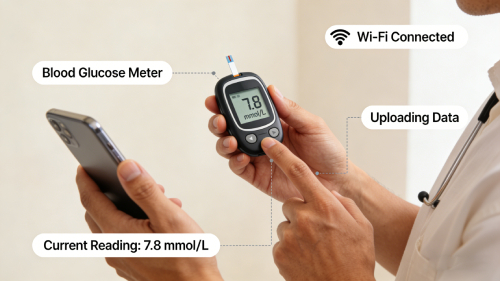
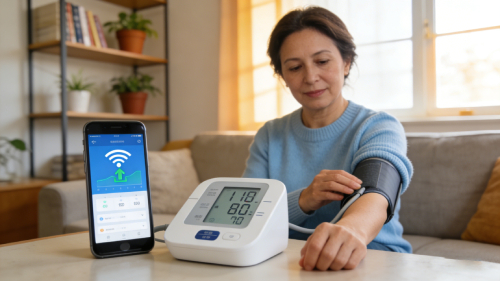
RPM is achieved by using medical devices such as wearable sensors, blood pressure cuffs, glucose monitors, and other monitoring devices that track vital health metrics, including blood pressure, glucose levels, heart rate, and oxygen saturation.
If you’re evaluating billing opportunities, understanding the latest Remote Patient Monitoring CPT codes and Medicare reimbursement requirements is critical for program success.
-
CPT codes like 99453 and 99457 are essential for billing RPM services under Medicare.
-
Medicare reimbursement for RPM allows healthcare providers to get paid for remotely monitoring patient health data under CMS guidelines.
The Growing Need for RPM in Healthcare
The healthcare system faces challenges such as patient access, hospital readmissions, and the management of chronic diseases.
RPM is a solution that enables continuous, real-time monitoring of patient data, reducing unnecessary hospital visits and allowing for earlier intervention.
By incorporating RPM into healthcare practices, providers can offer a more effective and personalized approach to care while reducing overall healthcare costs.
Key Components of RPM
RPM is built on three primary components:
-
Devices and Sensors: These include wearables and home medical devices that monitor key health metrics such as glucose levels and blood pressure.
-
Data Transmission: The data collected from these devices is transmitted securely via Bluetooth or Wi-Fi to a healthcare provider’s platform, where it can be monitored and analyzed.
-
Healthcare Provider Access: The provider accesses the transmitted data through software platforms, allowing for real-time updates and timely interventions.
How Remote Patient Monitoring Works
RPM enables healthcare providers to monitor patient health remotely using medical devices that track various health metrics.
These devices send data to healthcare providers through digital platforms, ensuring continuous monitoring and immediate adjustments when necessary.
RPM Workflow from Device to Data Collection
RPM works by collecting data from devices like blood pressure monitors, ECGs, and wearable health trackers.
This data is transmitted to a cloud-based platform, where it is stored and made accessible to healthcare providers.
The healthcare providers can then assess this data in real-time and make necessary decisions regarding treatment or interventions.
Understanding the billing requirements for RPM services is crucial for ensuring proper reimbursement.
-
For CMS 2026 updates, Medicare now covers RPM services, which are available for patients who meet the necessary conditions.
-
CPT codes such as 99453 and 99457 are crucial for billing these services correctly.
The Role of Cloud and AI in RPM
Cloud platforms play a vital role in RPM by storing and transmitting data securely. Additionally, AI and machine learning algorithms are becoming integral in RPM systems, analyzing the health data to detect trends and predict potential health issues, enabling healthcare providers to intervene proactively.
Key Benefits of RPM
RPM offers several advantages that positively impact patient care, reduce healthcare costs, and improve provider efficiency.
Improved Patient Outcomes through RPM
RPM helps manage chronic conditions like diabetes, hypertension, and heart disease by continuously tracking health metrics. This allows healthcare providers to make real-time treatment adjustments, preventing complications and improving health outcomes.
Cost-Efficiency of RPM in Healthcare
By reducing hospital readmissions and unnecessary visits, RPM significantly lowers healthcare costs. Studies show that RPM can reduce hospital readmissions by as much as 38%, demonstrating the cost-saving potential of this technology.
If you’re looking for a full breakdown of reimbursement rules and compliance requirements, see our detailed RPM reimbursement guide.
-
Medicare RPM coverage is particularly useful for those who are eligible for CMS programs.
Types of RPM Devices
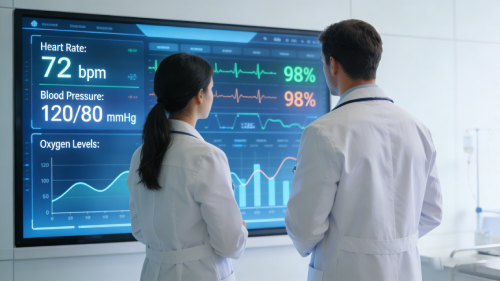
Various devices are used in RPM to monitor different aspects of a patient’s health. These devices are crucial in providing continuous and reliable data.
Common RPM Devices
-
Blood Pressure Monitors: Remote monitoring of blood pressure is essential for managing hypertension and preventing heart disease complications.
-
Glucose Meters: Diabetic patients use these devices to monitor their blood sugar levels, providing valuable data for managing their condition.
-
Wearable Health Trackers: These devices, including smartwatches and fitness trackers, measure heart rate, physical activity, and sleep patterns, offering continuous health insights.
-
Pulse Oximeters: These measure blood oxygen levels and help manage respiratory conditions like COPD.
Innovations in RPM Devices
Innovative RPM devices, such as continuous glucose monitors (CGMs) and smartwatches with built-in ECGs, are enhancing the way healthcare providers monitor patients’ health. These innovations allow for more precise and timely data collection, making RPM even more effective in managing chronic diseases.
Common Use Cases for RPM
RPM is widely used across various healthcare applications, particularly for chronic disease management, post-surgery care, and preventative health.
RPM for Chronic Disease Management
RPM plays a key role in managing chronic diseases such as diabetes, hypertension, and COPD. By continuously monitoring patients’ health, healthcare providers can make proactive adjustments to treatment plans, reducing the risk of complications and hospitalizations.
RPM in Post-Surgery Care
After surgery, RPM allows healthcare providers to monitor patients’ recovery remotely. This ensures that any complications, such as infections or abnormal vital signs, are caught early, enabling timely interventions.
Learn more about how RPM is used in chronic disease management.
-
For more on Medicare RPM coverage and how it can help manage chronic conditions, check out our RPM program requirements.
Is Remote Patient Monitoring Covered by Medicare?
Remote Patient Monitoring is reimbursable under CMS guidelines, with coverage available for eligible patients. RPM services, such as monitoring blood pressure, glucose levels, and ECGs, are covered by Medicare for patients who meet certain criteria.
-
CPT 99453, 99454, and 99457 are essential for RPM billing.
-
RPM programs require at least 16 days of patient data for reimbursement under Medicare guidelines.
For more detailed billing and compliance requirements, see our comprehensive RPM reimbursement guide.
The Role of RPM in Telemedicine
RPM is a critical component of telemedicine, allowing healthcare providers to offer remote care. It complements telemedicine by providing real-time data that informs virtual consultations, enabling healthcare providers to make better decisions without the need for in-person visits.
Who Should Implement RPM?
RPM can benefit various healthcare providers, particularly those focused on chronic disease management and post-surgery care.
-
Primary Care Clinics: Ideal for managing chronic conditions and offering regular monitoring of patients.
-
Cardiology Practices: RPM can assist in tracking heart disease patients, helping reduce hospital visits and readmissions.
-
Home Health Agencies: These agencies can implement RPM to monitor patients’ health while they are recovering at home.
-
Rural Healthcare Providers: RPM bridges the gap for patients in remote locations, offering them continuous care without needing to travel long distances.
Frequently Asked Questions About Remote Patient Monitoring
1. What conditions qualify for RPM?
RPM is often used for chronic conditions such as diabetes, hypertension, and heart disease.
2. Is RPM the same as telehealth?
RPM is a form of remote care but differs from telehealth by focusing on continuous monitoring of patient health metrics.
3. How much does RPM cost?
RPM costs vary depending on the devices used and the scope of the program. Many practices can offset costs with reimbursement from Medicare and other insurers.
4. How many days of data are required for RPM billing?
For Medicare reimbursement, RPM services typically require at least 16 days of data from the patient.
5. What devices qualify as RPM equipment?
RPM devices include blood pressure monitors, glucose meters, wearable trackers, pulse oximeters, and more.
Conclusion: The Impact of RPM on Healthcare
Remote Patient Monitoring is revolutionizing healthcare delivery by providing a cost-effective and efficient way to manage chronic conditions and improve patient outcomes. As the technology continues to advance, RPM will become an integral part of healthcare, improving accessibility, reducing costs, and enhancing overall care quality.
Not sure if your practice qualifies for RPM reimbursement? Our team can assess your eligibility.