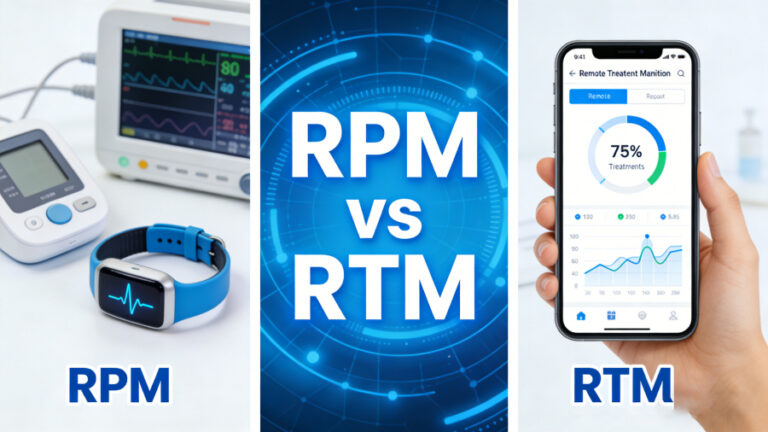
Chronic diseases such as diabetes, hypertension, and heart failure require continuous oversight—not just periodic clinical visits. Yet in most traditional care models, providers only see patients at fixed intervals, leaving long gaps where conditions can worsen unnoticed.
This is where remote patient monitoring (RPM) for chronic disease management is becoming increasingly important.
By enabling providers to monitor patients at home and respond to early warning signs, RPM shifts care from reactive to proactive. For many organizations, it is also becoming a key component of scalable chronic care management workflows and value-based care strategies.
This guide takes a practical, provider-focused approach to RPM—covering how it works, where it delivers the most value, and how to implement it effectively in real-world clinical settings.
What Is Remote Patient Monitoring for Chronic Disease?
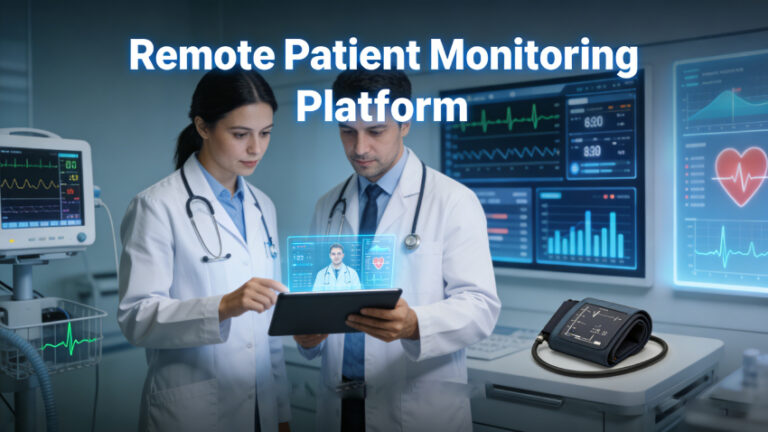
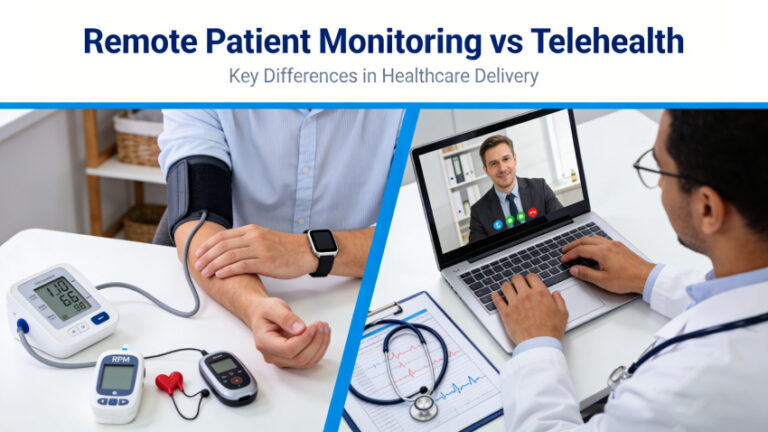
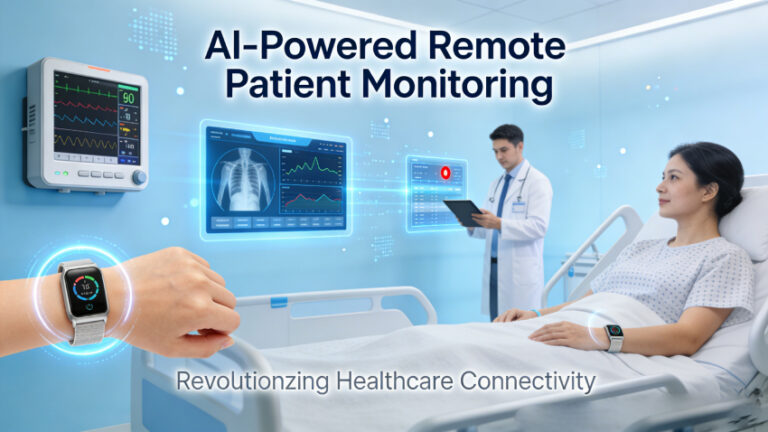
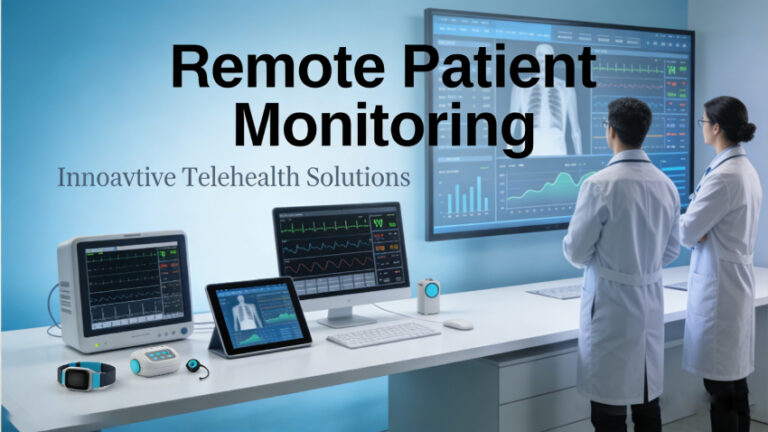
Remote patient monitoring (RPM) refers to the use of connected medical devices to collect patient health data outside of traditional clinical environments and transmit that data to providers for ongoing review.
Chronic diseases account for the majority of healthcare costs and require ongoing management. According to the CDC, chronic conditions are responsible for a significant portion of healthcare utilization.
In the context of chronic disease monitoring at home, RPM allows clinicians to track patient conditions continuously rather than relying on isolated in-office measurements.
How RPM Fits into Chronic Care Management
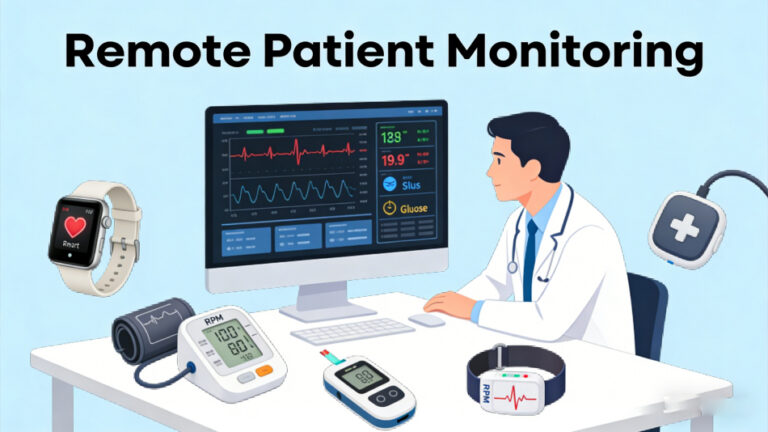
A typical RPM program for providers follows a structured but flexible workflow:
-
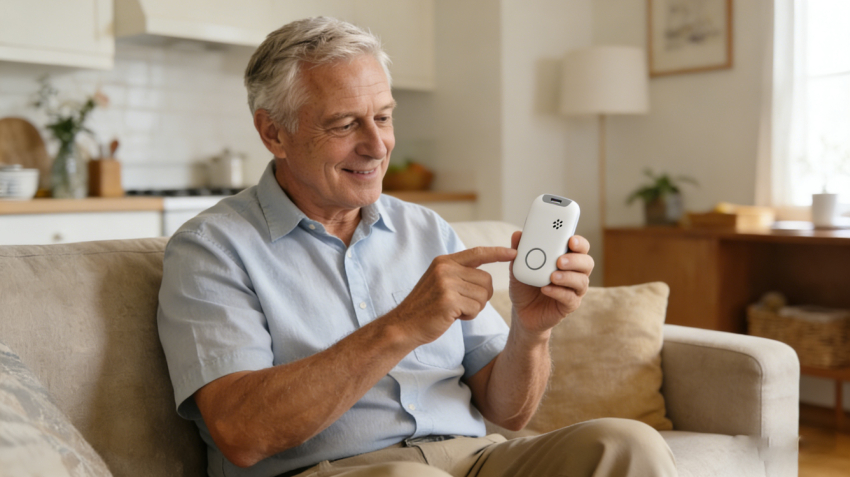
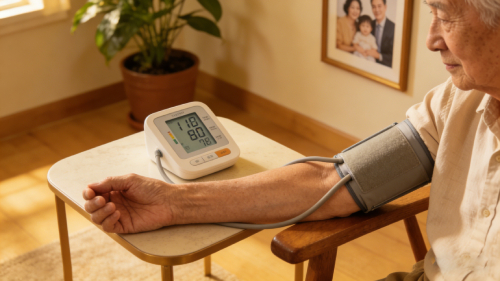
Patients use connected devices at home (e.g., blood pressure monitors, glucometers)
-
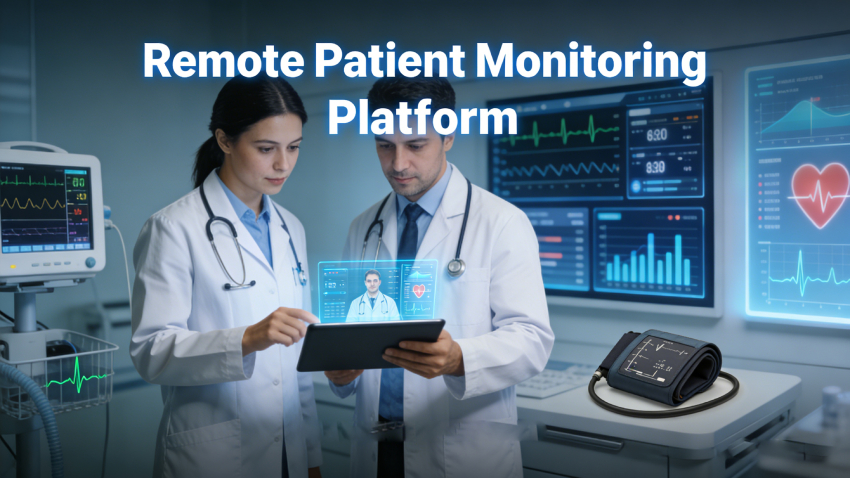
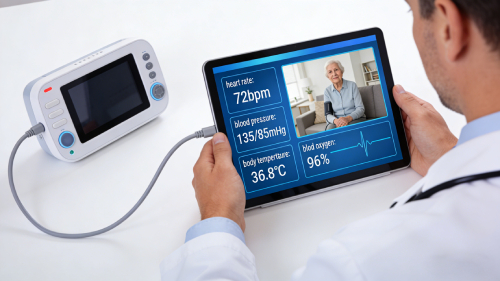
Data is transmitted automatically to a monitoring platform
-
Care teams review trends and receive alerts for abnormal readings
-
Providers intervene when necessary
The key difference from traditional care is continuity. Instead of making decisions based on occasional snapshots, providers gain access to longitudinal data—making it easier to identify patterns and intervene earlier.
Why RPM Matters in Chronic Disease Management
To understand the value of RPM, it helps to look at where traditional chronic care models fall short—and how remote monitoring changes that dynamic.
This challenge is not limited to a single region. Globally, chronic diseases continue to rise, with the World Health Organization (WHO) identifying noncommunicable diseases as the leading cause of death worldwide.
The Limitations of Traditional Care Models
In most care settings, chronic disease management is structured around scheduled visits. While this approach works for stable patients, it introduces risk for those with fluctuating conditions.
Between visits:
-
Blood pressure may gradually increase
-
Glucose levels may drift out of range
-
Early signs of decompensation may go unnoticed
By the time a provider sees the patient again, the condition may have already progressed.
How RPM Enables Continuous, Proactive Care
Remote patient monitoring addresses this gap by introducing continuous visibility into patient health.
Instead of relying on a single reading during a visit, providers can evaluate trends over days or weeks. This makes it possible to detect subtle changes—such as a gradual rise in blood pressure or a pattern of missed glucose targets—before they become acute issues.
In practice, this shifts care from reactive intervention to proactive management.
Alignment with Value-Based Care Models
For providers operating under value-based contracts, RPM is not just a clinical tool—it is also an operational advantage.
By reducing hospitalizations and improving condition control, RPM can positively impact:
-
Quality metrics
-
Readmission rates
-
Total cost of care
More importantly, it allows care teams to allocate attention more efficiently—focusing on patients who need intervention rather than applying the same level of monitoring to all patients.
Key Benefits of RPM for Chronic Disease Management
While the high-level benefits of RPM are widely discussed, its real value becomes clearer when viewed through day-to-day clinical operations.
Improved Clinical Outcomes
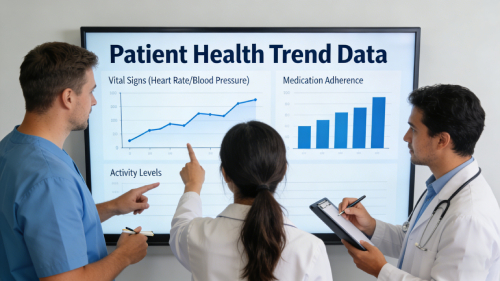
Continuous monitoring provides a more complete picture of patient health.
For example, in remote monitoring for diabetes, providers can evaluate glucose trends over time rather than relying on isolated readings. This allows for more precise medication adjustments and earlier identification of risk patterns.
Reduced Hospitalizations and Acute Events
In conditions such as heart failure or COPD, small changes often precede major events.
RPM enables providers to detect:
-
Rapid weight gain, indicating fluid retention
-
Declining oxygen saturation
-
Irregular heart rate patterns
These early signals allow for intervention before hospitalization becomes necessary.
Stronger Patient Engagement
When patients participate in chronic disease monitoring at home, they become more aware of how their behavior impacts their condition.
This increased visibility often leads to:
-
Better adherence to treatment plans
-
More consistent monitoring habits
-
Improved long-term outcomes
More Efficient Care Delivery
RPM helps care teams prioritize their workload.
Instead of scheduling frequent visits for all chronic patients, providers can focus on:
-
Patients with abnormal readings
-
Patients trending toward risk
-
Patients requiring immediate intervention
This makes RPM particularly valuable for practices managing large chronic populations.
Which Patients Are Best Suited for RPM?
Not every patient requires continuous monitoring. Identifying the right candidates is critical for both clinical success and operational efficiency.
High-Risk or Poorly Controlled Patients
Patients with unstable conditions—such as uncontrolled hypertension or diabetes—benefit the most from RPM.
Recently Discharged Patients
Patients transitioning from hospital to home are at higher risk of complications and readmissions. Short-term RPM can provide additional oversight during this period.
Patients with Multiple Chronic Conditions
Patients with comorbidities often require closer monitoring due to the interaction between conditions.
Patients Who May Not Benefit Immediately
It is equally important to recognize that some patients may not be ideal candidates in the early stages of an RPM program.
For example:
-
Patients with very low adherence may require additional support before enrollment
-
Patients with stable, well-controlled conditions may not need continuous monitoring
Understanding these distinctions helps providers deploy RPM more strategically.
Which Providers and Care Settings Benefit Most from RPM?
While RPM is often discussed broadly, its impact varies depending on the care setting.
Primary Care Practices
Primary care providers can use RPM to manage large populations of chronic patients more efficiently, particularly in hypertension and diabetes management.
Specialty Clinics
Cardiology and endocrinology practices benefit from more detailed condition-specific monitoring, especially for high-risk patients.
Home Health and Hospital-at-Home Models
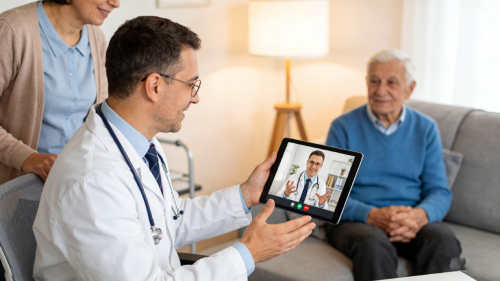
RPM plays a central role in extending care into the home, supporting patients who would otherwise require facility-based monitoring.
Telehealth-First Organizations
For organizations built around virtual care, RPM provides the data layer needed to support clinical decision-making.
How RPM Works in Practice: A Real-World Workflow
Implementing RPM successfully requires more than deploying devices—it requires a clear operational model.
Step 1: Define the Target Population
Providers typically begin by selecting a specific condition (e.g., hypertension) and a defined patient segment (e.g., high-risk patients).
Step 2: Enroll and Onboard Patients
Onboarding is one of the most critical steps. Patients must understand:
-
How to use devices
-
When to take readings
-
What to expect from the program
Poor onboarding is one of the most common causes of RPM program failure.
Step 3: Establish Data Review Protocols
A key question every provider must answer is:
Who is responsible for reviewing incoming data?
Without clear ownership, data can accumulate without action—undermining the value of RPM.
Step 4: Configure Alerts and Thresholds
Alert thresholds must be carefully calibrated.
-
If thresholds are too sensitive → alert fatigue
-
If thresholds are too broad → missed risks
Finding the right balance is essential.
Step 5: Define Escalation Paths
Care teams need clear protocols for:
-
When to contact patients
-
When to schedule follow-ups
-
When to escalate to in-person care
Step 6: Iterate and Optimize
Successful RPM programs evolve over time.
Providers often start small—focusing on one condition or patient group—then expand as workflows mature.
Best Practices for Implementing RPM Programs
As RPM adoption grows, many organizations discover that success depends less on technology and more on execution.
Start Small, Then Scale
Launching with a focused patient group allows providers to refine workflows before expanding.
Align RPM with Clinical Workflows
RPM should integrate into existing care processes rather than operate as a separate system.
Choose Technology That Reduces Friction
The right platform should simplify data review, not add complexity.
Ensure Clear Ownership
Every RPM program needs defined roles for:
-
Data monitoring
-
Patient communication
-
Clinical decision-making
Without this, even well-designed programs can fail.
Support Patient Adherence
Consistent device usage is essential. This requires:
-
Simple instructions
-
Ongoing support
-
Clear expectations
Common Challenges in RPM—and Why Programs Fail
Understanding failure points is just as important as understanding best practices.
Lack of Clear Ownership
One of the most common issues is the absence of a dedicated role responsible for reviewing data and acting on alerts.
Poor Onboarding Processes
If patients are not properly trained, device usage drops quickly—reducing data quality.
Alert Fatigue
Excessive alerts can overwhelm care teams, leading to missed critical signals.
Treating RPM as a Technology Project
RPM is not just a tool—it is a care model. Programs that focus only on devices without redesigning workflows often struggle to deliver results.
Cost and ROI Considerations for Providers
RPM programs involve upfront and ongoing costs, including devices, software, and staff time.
However, when aligned with the right patient population and workflows, RPM can deliver measurable value through:
-
Reduced hospital utilization
-
Improved operational efficiency
-
Additional reimbursement opportunities
For billing details and CPT codes, see our
Remote Patient Monitoring Reimbursement Guide
Future Trends in Remote Patient Monitoring
RPM is continuing to evolve alongside broader healthcare trends.
Key developments include:
-
AI-driven risk prediction
-
Deeper integration with EHR systems
-
Personalized chronic care pathways
-
Expansion of home-based care delivery
As these trends accelerate, RPM will become an increasingly central component of chronic disease management.
Frequently Asked Questions
What chronic conditions are best suited for RPM?
Conditions such as diabetes, hypertension, heart failure, and COPD are particularly well-suited due to the need for continuous monitoring.
How do providers reduce alert fatigue in RPM programs?
By carefully setting alert thresholds, prioritizing high-risk patients, and defining clear escalation protocols.
How does RPM improve chronic disease outcomes?
RPM enables early detection of deterioration, allowing providers to intervene before complications occur.
Who should be enrolled first in an RPM program?
High-risk or poorly controlled patients typically deliver the greatest clinical and operational impact.
Can RPM replace in-person care?
No. RPM complements traditional care by providing continuous monitoring between visits.
Building a Scalable RPM Program for Chronic Disease
For providers, the success of remote patient monitoring depends on more than technology.
It requires a clear understanding of:
-
Which patients to enroll
-
How data will be reviewed
-
How interventions will be triggered
-
How workflows will scale over time
Organizations that approach RPM as a structured care model—not just a digital tool—are far more likely to achieve sustainable results.
If you’re exploring how to build or optimize a remote patient monitoring program for chronic disease management, focusing on workflow design and patient selection is the best place to start.