What is remote patient monitoring for diabetes?
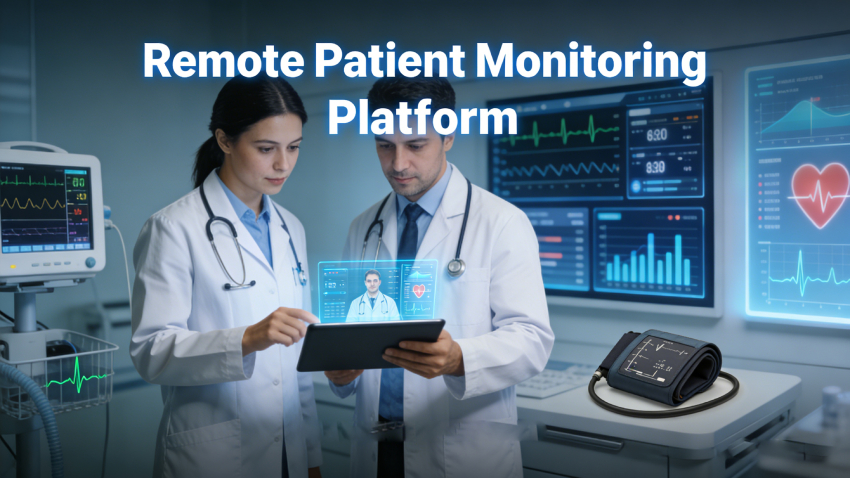
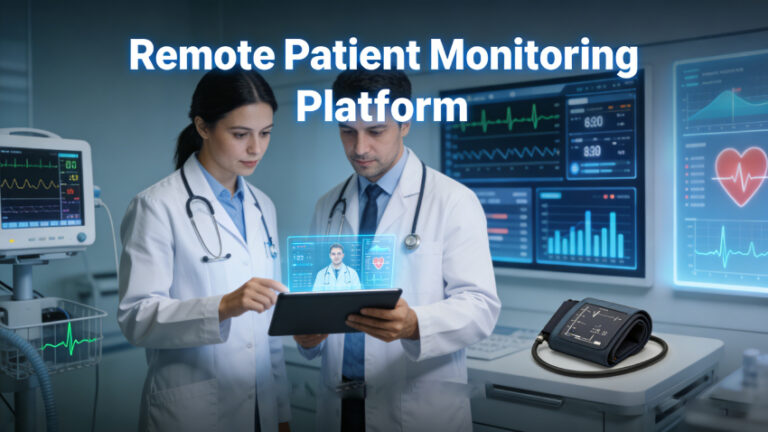
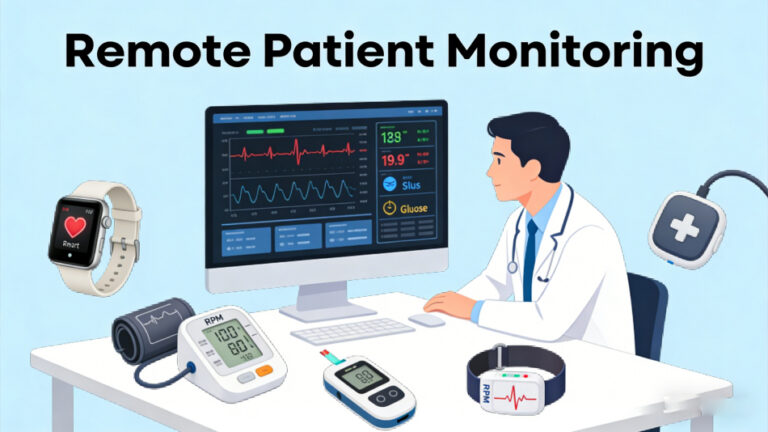
Remote patient monitoring (RPM) for diabetes uses connected devices like CGMs and smart glucometers to track glucose levels in real time and share data with healthcare providers for proactive care management.
Takeaway: RPM enables real-time, data-driven diabetes care beyond clinic visits.
Why Remote Patient Monitoring Matters for Diabetes Care
Remote patient monitoring is becoming a core part of modern diabetes care. As healthcare providers shift toward continuous, data-driven models, understanding why RPM matters is the first step. This is especially true for chronic conditions like diabetes, where small daily changes can lead to long-term outcomes.
Continuous glucose variability in diabetes patients
Blood glucose levels fluctuate throughout the day due to meals, stress, and activity. Traditional care models rarely capture these changes in detail, making it harder to adjust treatment effectively.
Risks of episodic care models
Periodic visits often miss critical patterns. Complications can develop silently between appointments, especially in unmanaged type 2 diabetes cases.
Clinical evidence supporting RPM outcomes
Studies show remote patient monitoring for diabetes can reduce HbA1c by 0.5%–1.5%. That improvement significantly lowers long-term health risks.
Takeaway: Continuous monitoring improves outcomes because diabetes risks develop between visits.
How Remote Patient Monitoring Works for Diabetes Patients
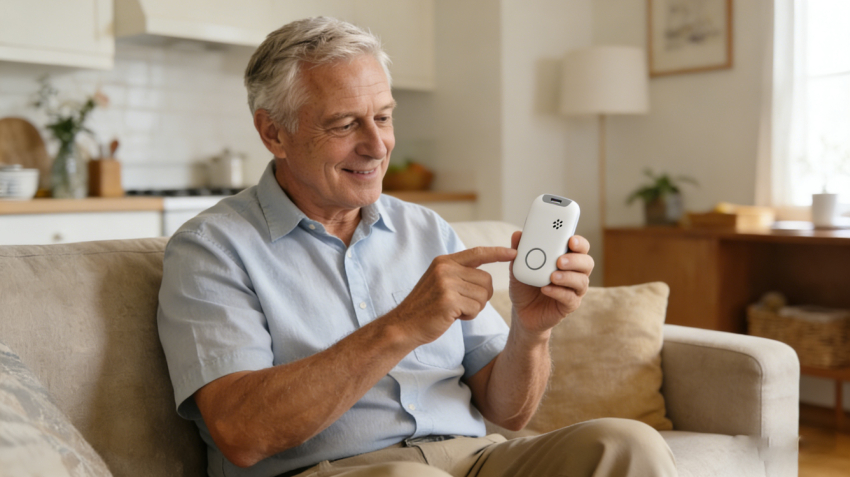
To understand the value of a diabetes RPM program, it helps to look at how the system works in practice. A well-designed remote patient monitoring workflow connects devices, platforms, and care teams into one seamless loop.
Data collection through CGM remote monitoring
Continuous glucose monitors (CGM remote monitoring) automatically track glucose levels throughout the day without manual input.
Secure data transmission and cloud integration
Data is transmitted through mobile apps or hubs to cloud-based RPM platforms, ensuring real-time availability for clinicians.
Real-time alerts and clinical intervention
When abnormal patterns are detected, alerts notify providers so they can intervene early and adjust treatment plans.
Patient engagement through mobile apps
Patients receive reminders, insights, and coaching, which improves adherence and daily self-management.
Takeaway: RPM creates a continuous feedback loop between patients and providers.
Key Benefits of Diabetes Remote Monitoring (RPM)
When implemented correctly, remote patient monitoring for diabetes delivers measurable benefits across clinical outcomes, operational efficiency, and patient engagement. These advantages explain why RPM solutions for diabetes are gaining adoption globally.
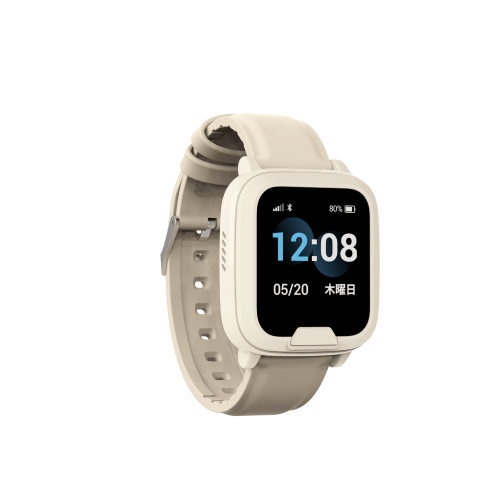
Clinical benefits of diabetes RPM
RPM improves glycemic control by enabling early detection of abnormal trends and timely interventions.
Operational benefits for healthcare providers
Healthcare teams can prioritize high-risk patients and reduce unnecessary in-person visits, improving efficiency.
Patient engagement and adherence improvements
Real-time data access encourages patients to stay involved in their care, leading to better adherence.
| Category | Benefit | Impact |
|---|---|---|
| Clinical | Improved HbA1c control | Reduced complications |
| Operational | Fewer hospital visits | Lower costs |
| Patient | Higher engagement | Better adherence |
Takeaway: RPM improves outcomes while making care delivery more efficient.
RPM vs Traditional Diabetes Care: Key Differences
To fully evaluate diabetes remote monitoring, it’s helpful to compare it with traditional care models. This highlights where RPM creates additional value and why providers are adopting it.
Monitoring frequency and data accuracy
RPM provides continuous, automated data, while traditional care relies on periodic snapshots.
Patient engagement and adherence levels
With real-time feedback, patients are more actively involved in managing their condition.
Speed of intervention and clinical response
RPM allows immediate action when risks are detected, reducing delays in care.
| Aspect | Remote Monitoring | Traditional Care |
|---|---|---|
| Monitoring | Continuous | Periodic |
| Data | Automated | Self-reported |
| Intervention | Real-time | Delayed |
Takeaway: RPM enhances traditional care by adding real-time visibility.
What Devices Enable Remote Glucose Monitoring?
A successful diabetes RPM program depends on the right combination of devices. These technologies enable remote glucose monitoring and ensure accurate, continuous data collection across patient populations.
Continuous Glucose Monitors (CGM remote monitoring)
CGMs track glucose levels continuously and transmit data automatically to RPM platforms.
Smart glucometers for diabetes monitoring
Smart glucometers sync readings with mobile apps, reducing manual logging errors.
Wearables and mobile apps for diabetes tracking
Wearables track activity, while apps combine glucose, diet, and medication data into one interface.
Learn more about integrated systems in our
Takeaway: Integrated devices form the foundation of effective diabetes remote monitoring.
How to Choose a Diabetes RPM Solution (Buyer’s Guide)
Choosing the right diabetes RPM platform is critical for long-term success. Many providers focus only on devices, but in reality, the platform and workflow design are just as important.
Device compatibility for diabetes RPM platforms
Ensure the system supports CGMs, glucometers, and wearable integrations.
Data integration with EHR systems
Seamless integration improves workflow efficiency and ensures data consistency.
Regulatory compliance and data security (HIPAA)
Secure data handling is essential for protecting patient information.
Scalability of remote patient monitoring solutions
The platform should support growing patient populations without performance issues.
User experience for patient adoption
Simple interfaces and onboarding improve engagement and retention.
Takeaway: The best RPM solution combines devices, integration, and usability.
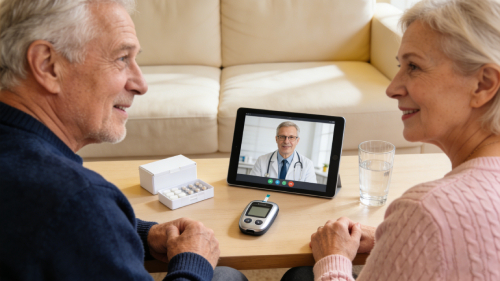
Cost, CPT Codes, and ROI of Diabetes RPM Programs
For healthcare providers, adopting remote patient monitoring solutions also involves financial considerations. Understanding reimbursement and ROI is essential when evaluating diabetes RPM programs.
Key CPT codes for diabetes RPM reimbursement
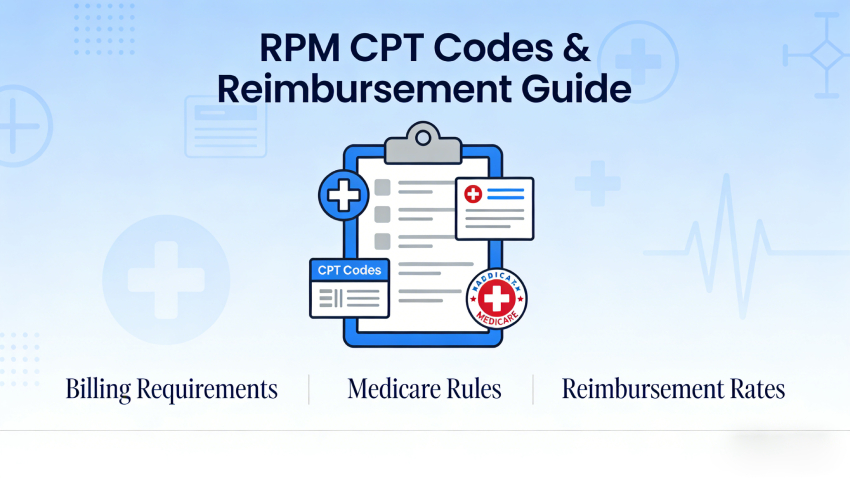
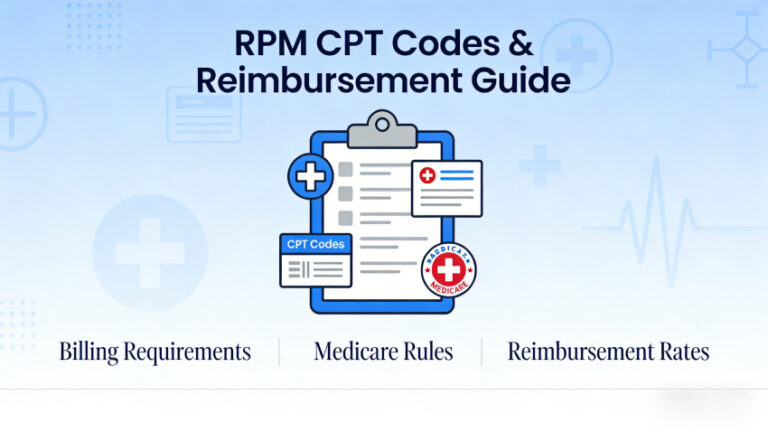
Codes such as 99453, 99454, 99457, and 99458 support billing for RPM services.
Cost savings through reduced hospitalizations
RPM reduces emergency visits and complications, lowering overall healthcare costs.
ROI considerations for healthcare providers
Financial success depends on patient engagement, workflow efficiency, and program scalability.
These CPT codes are defined and supported by Medicare reimbursement policies.
Takeaway: RPM offers both reimbursement opportunities and long-term cost savings.
Common Challenges in Diabetes RPM (and Practical Solutions)
While remote patient monitoring for diabetes offers clear benefits, implementation is not always straightforward. Understanding common challenges helps providers build more effective programs.
Patient adherence issues in RPM programs
Some patients struggle to use devices consistently. Automated reminders and simple designs help improve adherence.
Data overload for clinicians
Too much data can overwhelm care teams. Smart dashboards help prioritize actionable insights.
System integration challenges
Disconnected systems reduce efficiency. Interoperable RPM platforms are essential.
Workflow design problems in RPM implementation
Even strong technology can fail without clear workflows and protocols.
Takeaway: Workflow design is just as important as technology in RPM success.
Future Trends in RPM for Diabetes Management
As technology evolves, diabetes remote monitoring continues to advance. New innovations are shaping how RPM solutions will be used in the future.
AI-driven predictive glucose monitoring
AI can predict glucose spikes before they happen, enabling earlier intervention.
Expansion of wearable diabetes monitoring devices
Wearables are becoming more accurate and widely adopted across patient groups.
Personalized care through data-driven insights
RPM enables tailored treatment plans based on individual patient patterns.
Takeaway: RPM is moving toward predictive and personalized care.
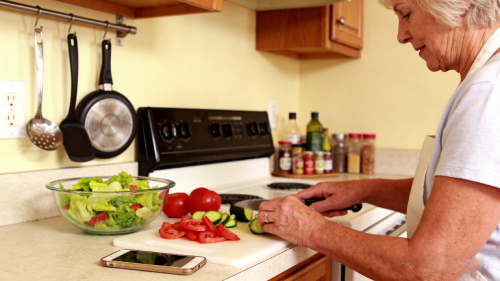
How Eview Supports Scalable RPM Solutions for Diabetes
For healthcare providers looking to implement or scale RPM programs, choosing the right solution partner is critical. This is where Eview delivers practical value.
Eview Partner Platform for connected health
Eview integrates devices, data, and monitoring workflows into a unified RPM platform.
OEM and ODM customization for RPM devices
Flexible customization allows partners to adapt solutions for different markets.
Reliable deployment for global healthcare providers
Eview supports scalable deployment with stable hardware and integration capabilities.
Looking to deploy a scalable diabetes RPM solution? Contact Eview to explore tailored integration options.
Takeaway: Eview provides flexible, scalable solutions for diabetes remote monitoring.
Frequently Asked Questions About Diabetes RPM
What is RPM in diabetes care?
RPM uses connected devices to monitor glucose levels and share data with providers in real time.
Can RPM improve diabetes outcomes?
Yes, it reduces HbA1c levels and improves patient adherence.
What devices are used in diabetes RPM?
CGMs, smart glucometers, and mobile health apps.
Is RPM covered by insurance?
Yes, many services are reimbursed under CPT codes.
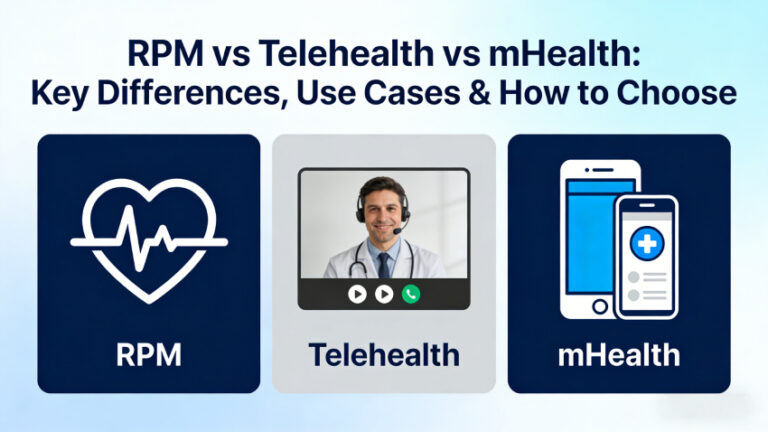
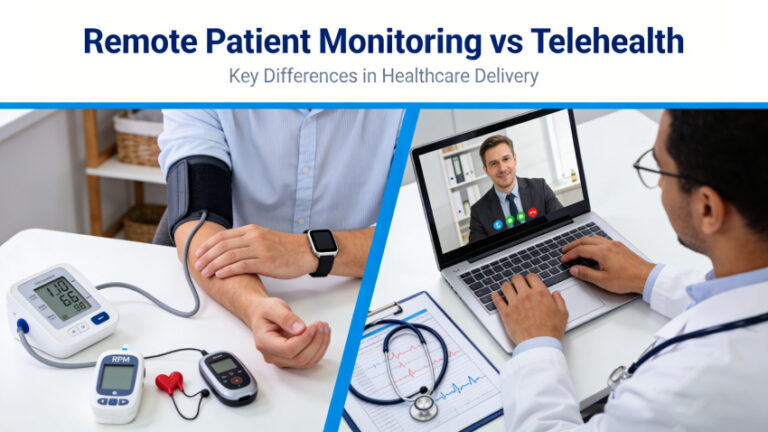
Does RPM replace doctor visits?
No, it complements in-person care.
What is the biggest challenge in RPM adoption?
Patient adherence and workflow design are the main barriers.