Last updated: March 2026
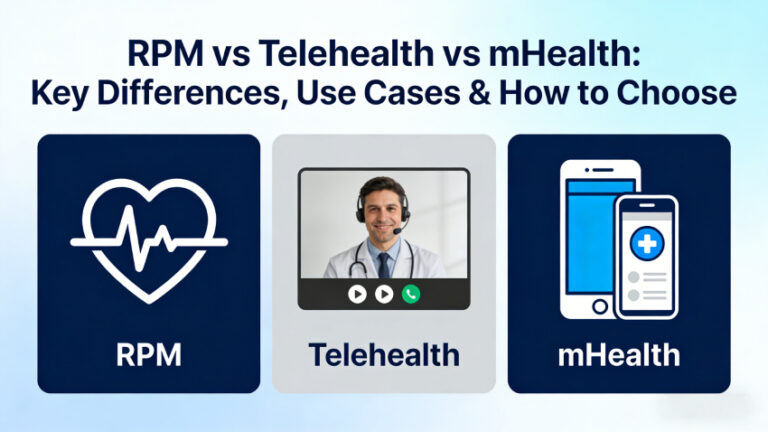
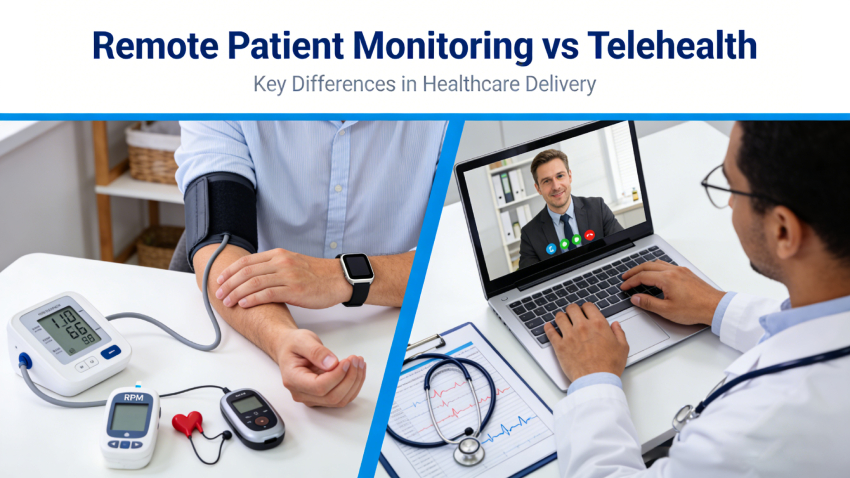
As digital healthcare evolves, more providers are searching for the exact difference between remote patient monitoring vs telehealth. While both are essential parts of modern virtual care, they serve fundamentally different roles.
Quick Answer: RPM vs Telehealth
Remote patient monitoring (RPM) and telehealth differ in how care is delivered:
-
RPM uses connected devices for continuous monitoring
-
Telehealth uses video or phone for real-time communication
-
RPM is best for chronic and long-term care
-
Telehealth is ideal for consultations and follow-ups
-
Both can be combined for comprehensive virtual care
Definition: Remote Patient Monitoring vs Telehealth
Remote patient monitoring vs telehealth:
-
RPM is a data-driven monitoring model
-
Telehealth is a communication-based care model
This distinction is essential when comparing digital health vs telehealth vs RPM or evaluating different virtual care strategies.
What Is Telehealth?
To fully understand the difference between RPM and telehealth, it’s important to first define telehealth as the broader category of virtual care delivery.
Definition of Telehealth
Telehealth refers to the use of digital communication technologies to deliver healthcare remotely, including both clinical and non-clinical services.
Types of Telehealth Services
-
Video consultations
-
Phone-based visits
-
Secure messaging
-
Patient education
Telehealth vs Telemedicine
Telemedicine is a subset of telehealth focused specifically on clinical services such as diagnosis and treatment.
What Is Remote Patient Monitoring (RPM)?
When comparing remote monitoring vs telemedicine or telehealth, RPM stands out as a device-enabled, data-driven model of care.
Definition of RPM
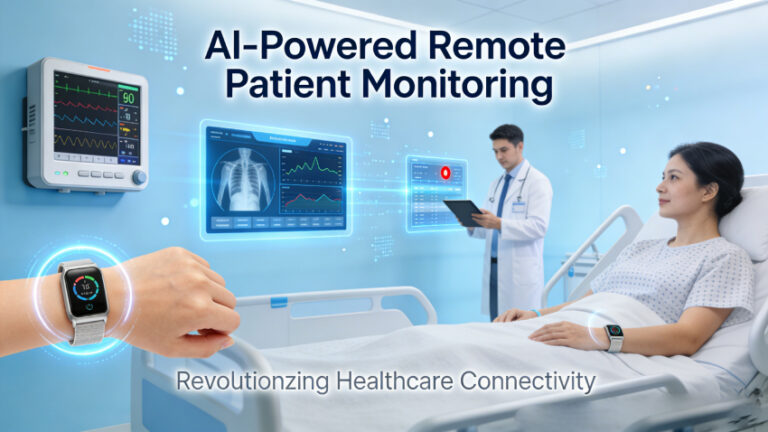
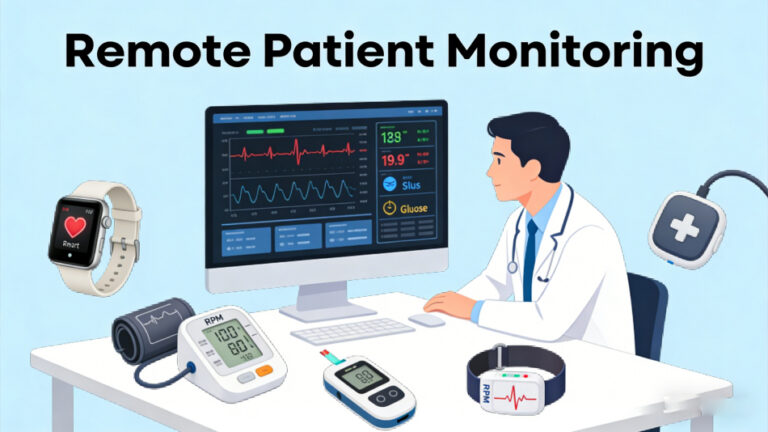
Remote Patient Monitoring uses connected medical devices to collect and transmit patient health data outside clinical settings.
How RPM Works
-
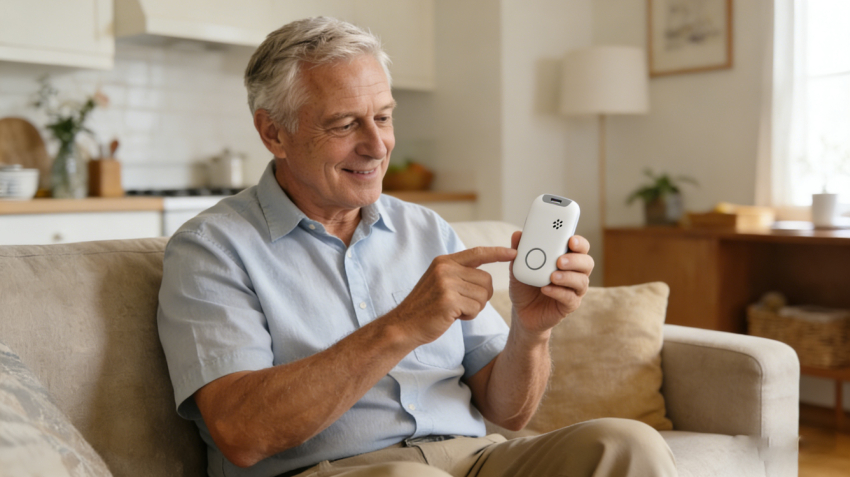
Patients use devices at home
-
Data is automatically transmitted
-
Providers review trends and intervene
Common RPM Devices
-
Blood pressure monitors
-
Glucose meters
-
Pulse oximeters
-
Smart weight scales

RPM vs Telehealth vs Telemedicine: Full Comparison
A structured comparison of telehealth vs RPM vs telemedicine helps clarify their differences across technology, workflow, and clinical use.
| Feature | Telehealth | RPM | Telemedicine | Impact |
|---|---|---|---|---|
| Interaction | Real-time | Asynchronous | Real-time | Care flexibility |
| Data source | Patient-reported | Device-generated | Clinical | Accuracy |
| Best use | Consultation | Monitoring | Diagnosis | Use-case clarity |
| Technology | Apps/video | Devices | Video tools | Infrastructure needs |
Key Takeaways
-
Telehealth = umbrella
-
Telemedicine = clinical layer
-
RPM = monitoring layer
RPM vs Telehealth: Key Differences
Understanding the core differences in RPM vs telehealth is essential when comparing virtual care vs remote monitoring models.
Key Differences at a Glance
Key differences between RPM and telehealth include:
-
RPM uses connected devices to track patient data
-
Telehealth relies on real-time communication
-
RPM is asynchronous, while telehealth is synchronous
-
RPM focuses on long-term monitoring, telehealth on consultations
This reflects the broader distinction between asynchronous vs synchronous healthcare delivery models.
Interaction Type
Telehealth requires live interaction, while RPM operates continuously in the background.
Data Collection
RPM captures objective, device-generated data, while telehealth relies on subjective patient input.
Technology Requirements
RPM requires medical devices, while telehealth relies on communication platforms.
Clinical Purpose
RPM supports ongoing care, while telehealth focuses on episodic care.
Use Cases: When to Use Remote Patient Monitoring vs Telehealth
Choosing when to use remote patient monitoring vs telehealth depends on patient needs and clinical goals.
Best Use Cases for RPM
-
Chronic disease management (hypertension, diabetes)
-
Post-discharge monitoring
-
Preventive care programs
Best Use Cases for Telehealth
-
Routine consultations
-
Mental health services
-
Acute symptom evaluation
Benefits of RPM vs Telehealth
When comparing RPM vs telehealth benefits, each offers unique advantages depending on care delivery needs.
Benefits of Remote Patient Monitoring
-
Continuous tracking
-
Early detection of health issues
-
Reduced hospitalizations
Studies show RPM programs can reduce hospital readmissions by up to 38%, making them highly effective for chronic care.
Benefits of Telehealth
-
Increased access to care
-
Convenience and flexibility
-
Faster provider response
Industry Insight: Real-World Impact of RPM and Telehealth
Beyond theory, real-world data highlights the impact of combining remote patient monitoring vs telehealth in clinical practice.
According to CMS and industry research, RPM programs not only reduce hospital readmissions by up to 38%, but also significantly improve patient engagement and adherence—especially among chronic disease populations.
In addition, healthcare providers integrating RPM with telehealth have reported:
-
Over 25% reduction in in-person visits
-
Improved care continuity
-
Faster clinical interventions
This demonstrates how virtual care vs remote monitoring works best when integrated rather than used in isolation.
Real-World Workflow: RPM + Telehealth Combined
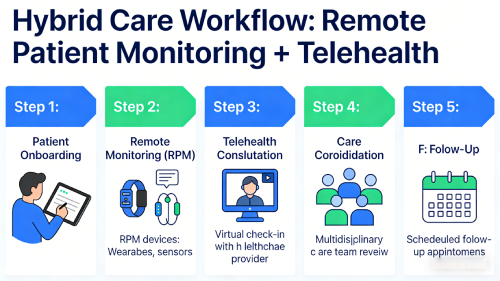
Rather than choosing between remote patient monitoring vs telehealth, many organizations adopt a hybrid care model.
How It Works
-
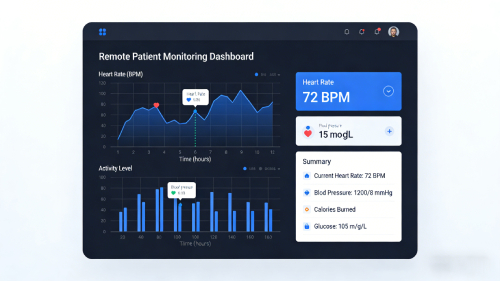
RPM devices collect patient data continuously
-
Alerts are triggered when thresholds are exceeded
-
Telehealth visits are scheduled for follow-up
Example Scenario
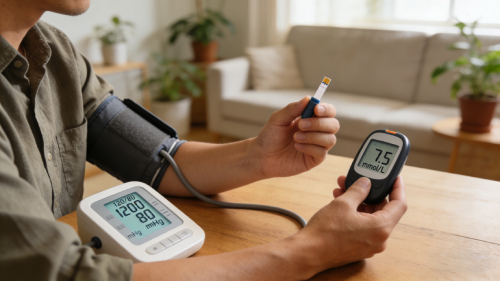
A patient tracks blood pressure daily via RPM. When abnormal readings occur, a telehealth consultation enables immediate intervention.
Challenges and Limitations
Despite their benefits, both remote monitoring vs telemedicine and telehealth have limitations.
RPM Challenges
-
Device costs
-
Patient adherence
-
Data overload
Telehealth Challenges
-
Limited physical exams
-
Connectivity issues
-
Technology barriers
RPM vs Telehealth: Which Is Better for Your Use Case?
Deciding which is better RPM or telehealth depends on how care needs to be delivered.
Simple Decision Guide
-
Choose RPM for continuous monitoring
-
Choose telehealth for consultations
-
Use both for chronic care management
Decision Factors
-
Patient condition
-
Monitoring requirements
-
Budget and CMS reimbursement policies
-
Technology infrastructure
Learn more about RPM fundamentals and CPT codes:
Remote Patient Monitoring (RPM) in 2026: Benefits, CPT Codes, Reimbursement & Implementation Guide
FAQs
Here are common questions about the difference between RPM and telehealth and remote monitoring vs telemedicine.
What is the difference between telehealth and remote monitoring?
Telehealth enables real-time communication, while RPM continuously collects patient data using devices.
Can RPM and telehealth be used together?
Yes, combining both improves outcomes and care efficiency.
Do you need devices for telehealth?
No, telehealth typically only requires communication tools.
Which is better for chronic care?
RPM is more effective due to continuous monitoring.
Can RPM replace doctor visits?
No, it complements but does not replace clinical consultations.
Is telemedicine the same as telehealth?
No, telemedicine is a clinical subset of telehealth.