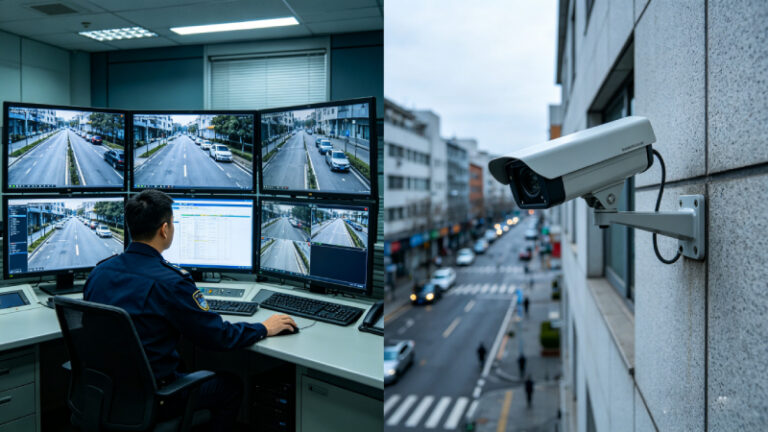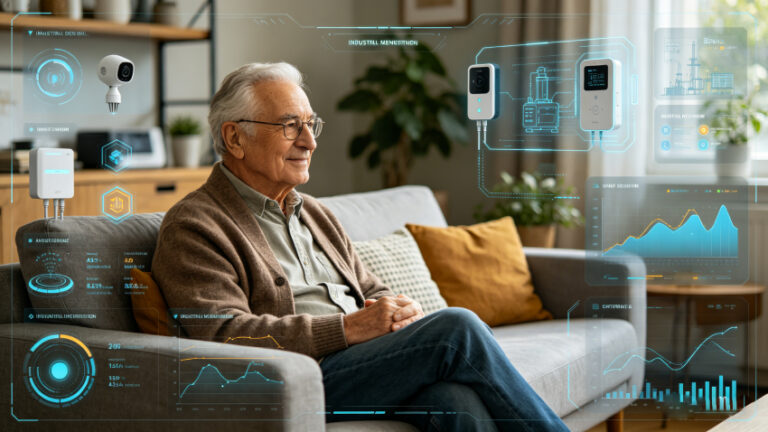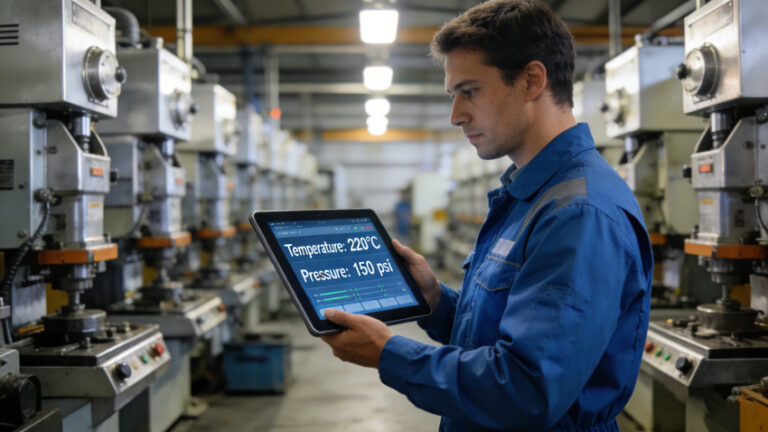
What Is Remote Monitoring in Industrial Applications?
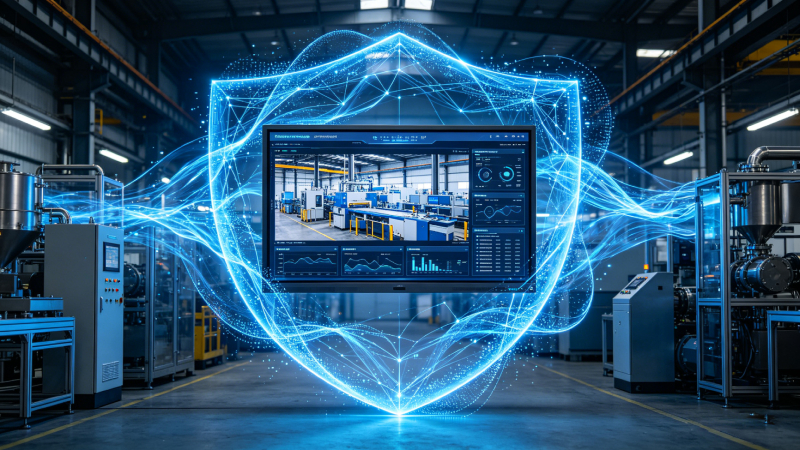
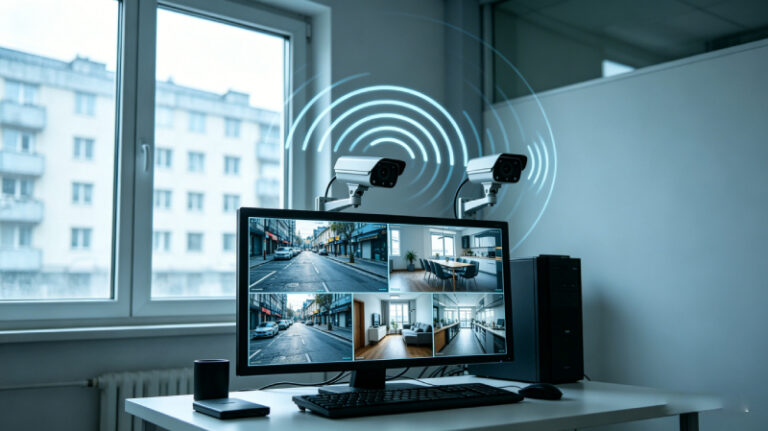
Remote monitoring in industrial applications is the process of collecting, transmitting, and analyzing equipment and environmental data in real time without requiring physical presence on-site.
This capability is powered by industrial IoT monitoring systems, enabling companies to move from reactive maintenance to predictive and even autonomous operations.
In modern industry, remote monitoring is not just about visibility—it’s about operational intelligence at scale.
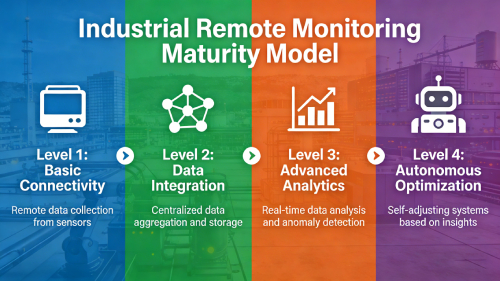
Industrial Remote Monitoring Maturity Model (New Framework)
To truly understand the value of industrial remote monitoring systems, it helps to view adoption as a maturity journey.
Level 1: Reactive Monitoring
-
Manual inspections
-
Issues detected after failure
-
High downtime and cost
Level 2: Remote Visibility
-
Basic remote monitoring dashboards
-
Real-time data access
-
Limited alerting
Level 3: Predictive Monitoring
-
Condition monitoring + analytics
-
Early fault detection
-
Reduced downtime
Level 4: Autonomous Operations
-
AI-driven decision-making
-
Self-optimizing systems
-
Minimal human intervention
Most companies today operate between Level 2 and Level 3.
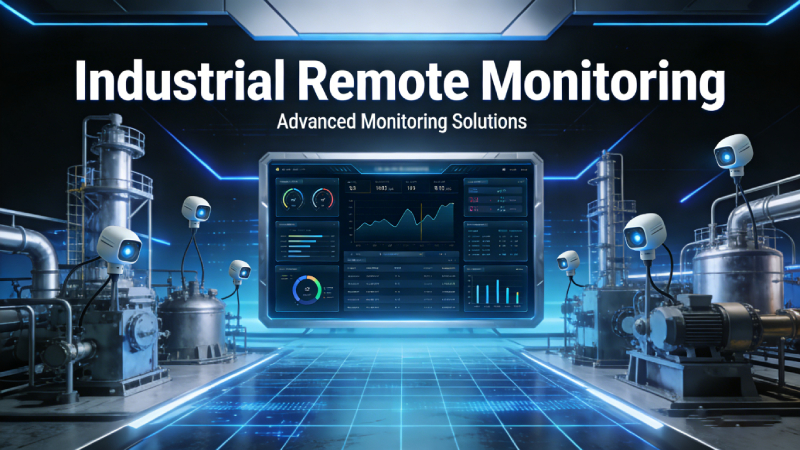
What Is a Remote Monitoring System?
A remote monitoring system is the integrated combination of sensors, connectivity, and software used to monitor industrial assets remotely.
Core Architecture of a Remote Monitoring System
A typical industrial monitoring system includes:
-
Data acquisition (sensors, PLCs)
-
Communication (gateways, networks)
-
Processing (edge or cloud)
-
Application layer (dashboards, alerts)
This layered architecture is what enables scalable industrial IoT monitoring platforms.
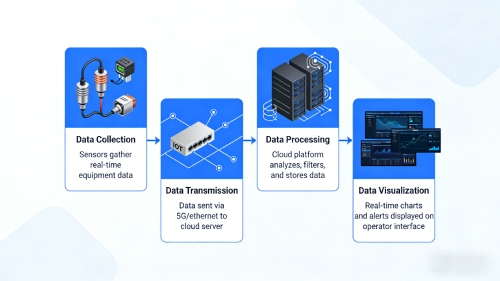
How Does an Industrial Remote Monitoring System Work?
Understanding how a remote monitoring system works in industry is essential for both engineers and decision-makers.
Step 1: Data Collection
Industrial sensors capture:
-
Temperature
-
Pressure
-
Vibration
-
Electrical parameters
This is also known as condition monitoring.
Step 2: Data Transmission
Data is transmitted via:
-
Cellular (4G/5G)
-
Ethernet
-
LPWAN (LoRa, NB-IoT)
Choosing the right connectivity is critical for industrial monitoring reliability.
Step 3: Data Processing (Edge vs Cloud)
| Processing Type | Advantages | Use Case |
|---|---|---|
| Edge Computing | Low latency, offline capability | Real-time control |
| Cloud Computing | Scalability, AI analytics | Multi-site monitoring |
Most modern remote monitoring systems use a hybrid approach.
Step 4: Visualization & Alerts
Operators access:
-
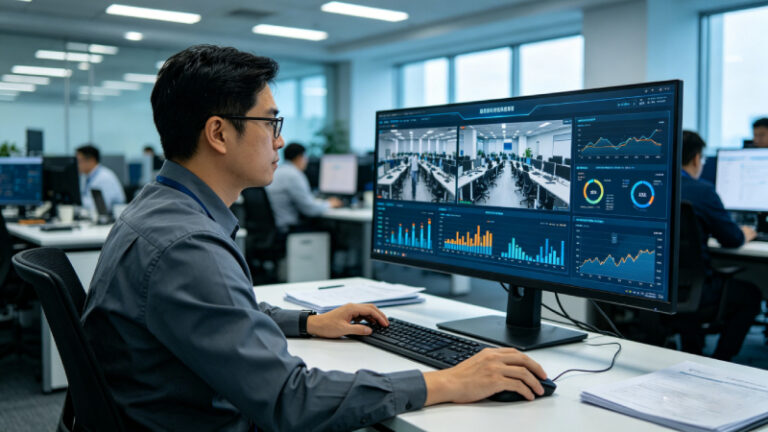
Real-time dashboards
-
Automated alerts
-
Historical analytics
The goal is to transform data into actionable insights.
Key Components of an Industrial Remote Monitoring System
Deploying a remote monitoring solution for manufacturing or industrial environments requires multiple components working together.
Sensors and Field Devices
These collect physical data such as:
-
Temperature
-
Flow
-
Pressure
-
Vibration
Industrial Gateways
Gateways enable:
-
Protocol conversion (e.g., Modbus, OPC UA)
-
Edge analytics
-
Data buffering
Connectivity Infrastructure
| Connectivity | Best For |
|---|---|
| Cellular | Remote industrial sites |
| Wi-Fi | Local factory networks |
| LoRa/NB-IoT | Low-power distributed assets |
Connectivity directly impacts system uptime and data accuracy.
Monitoring Platform
A strong industrial IoT monitoring platform provides:
-
Real-time dashboards
-
Alert management
-
API integrations
-
Data analytics
Benefits of Remote Monitoring in Industrial Applications
The benefits of industrial remote monitoring systems go far beyond convenience—they directly impact profitability and operational efficiency.
Key Benefits of Remote Monitoring
-
Reduced downtime
-
Lower maintenance costs
-
Improved safety
-
Real-time decision-making
-
Multi-site scalability
Quantified Impact (Data-Driven Insight)
-
Downtime reduced by up to 30%
-
Maintenance costs reduced by 20–25%
-
Safety incidents reduced through reduced exposure
These gains make remote monitoring a core part of digital transformation strategies.
Real-World Example
A manufacturing facility implemented vibration-based monitoring and reduced unplanned downtime by 28% within 6 months.
Common Use Cases of Industrial Monitoring
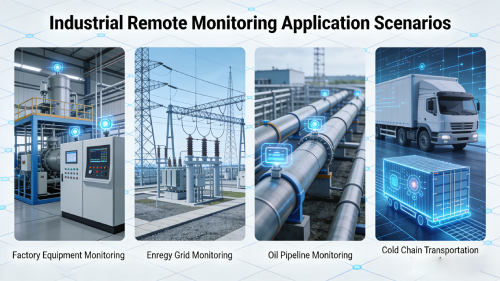
Remote monitoring is widely used across industries, each with specific requirements.
Manufacturing (Equipment Monitoring System)
-
Predictive maintenance
-
OEE optimization
-
Machine health monitoring
Energy & Utilities
-
Grid monitoring
-
Pump stations
-
Renewable energy tracking
Oil & Gas
-
Pipeline monitoring
-
Leak detection
-
Remote asset management
Cold Chain Monitoring
-
Temperature compliance
-
Loss prevention
Real-world result: Cold chain monitoring reduced spoilage by 25% in logistics operations.
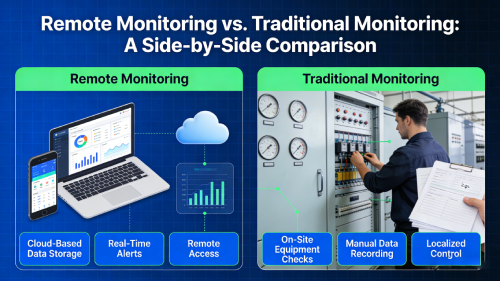
Remote Monitoring vs Traditional Monitoring
Key Differences
| Feature | Remote Monitoring | Traditional Monitoring |
|---|---|---|
| Data Access | Real-time | Manual |
| Response Time | Instant | Delayed |
| Labor Cost | Low | High |
| Scalability | High | Limited |
Remote monitoring enables a shift from reactive → predictive operations
Challenges of Remote Monitoring Systems (and Solutions)
While powerful, remote monitoring systems come with implementation challenges.
Connectivity Limitations
-
Remote areas may lack stable networks
Solution: Edge computing + offline storage
Legacy Equipment Integration
-
Older systems lack connectivity
Solution: Industrial gateways
Data Overload
-
Too much raw data
Solution: Smart thresholds + analytics
Security Risks
-
Increased cyber exposure
Solution:
-
Encryption
-
Network segmentation
-
Access control
To ensure secure deployment, companies should follow established frameworks such as the
NIST Cybersecurity Framework, which provides guidelines for managing and reducing cybersecurity risk in connected systems.
How to Choose the Right Remote Monitoring System
Choosing the right industrial remote monitoring solution depends on your role and priorities.
For Engineers
Focus on:
-
Protocol compatibility
-
Edge computing capability
-
System reliability
For Operations Managers
Focus on:
-
Downtime reduction
-
Efficiency gains
-
Usability
For Buyers / Decision Makers
Focus on:
-
ROI
-
Scalability
-
Vendor support
Solution Comparison Table
| Solution Type | Best For | Cost | Complexity |
|---|---|---|---|
| Cloud-based | Multi-site operations | Medium | Low |
| On-premise | High security industries | High | High |
| Hybrid | Flexible deployments | Medium | Medium |
Edge vs Cloud in Remote Monitoring (Advanced Insight)
One of the most important decisions in industrial monitoring system design is choosing between edge and cloud.
Edge Computing
-
Fast response
-
Works offline
-
Ideal for critical systems
Cloud Computing
-
Scalable
-
Advanced analytics
-
Centralized control
Best practice: Hybrid architecture
Future Trends in Industrial Remote Monitoring
The future of industrial IoT monitoring systems is rapidly evolving.
AI-Driven Predictive Maintenance
Systems will detect failures before they occur.
5G Connectivity
Faster and more reliable communication.
Digital Twins
Simulation-based optimization.
Autonomous Operations
Self-adjusting systems with minimal human input.
FAQ: Remote Monitoring Systems
What is a remote monitoring system?
A system that uses sensors, connectivity, and software to monitor equipment remotely.
What industries use remote monitoring?
Manufacturing, energy, oil & gas, logistics, and more.
Is remote monitoring secure?
Yes, when implemented with proper cybersecurity measures.
How much does remote monitoring cost?
Costs vary but ROI is typically achieved through reduced downtime and maintenance.
Looking for a Remote Monitoring Solution?
If you’re evaluating remote monitoring systems for your industrial operations, choosing the right architecture and platform is critical.
Talk to experts or request a demo to find the best solution for your use case.
Conclusion: Why Remote Monitoring Is Essential for Modern Industry
Remote monitoring is no longer optional—it is a foundational capability for modern industry.
By combining industrial monitoring systems, IoT connectivity, and data analytics, businesses can:
-
Reduce downtime
-
Improve efficiency
-
Scale operations
Companies that adopt remote monitoring early will gain a significant competitive advantage in the coming years.
Author
Written by an Industrial IoT specialist with experience in manufacturing systems, predictive maintenance, and digital transformation solutions.