Introduction
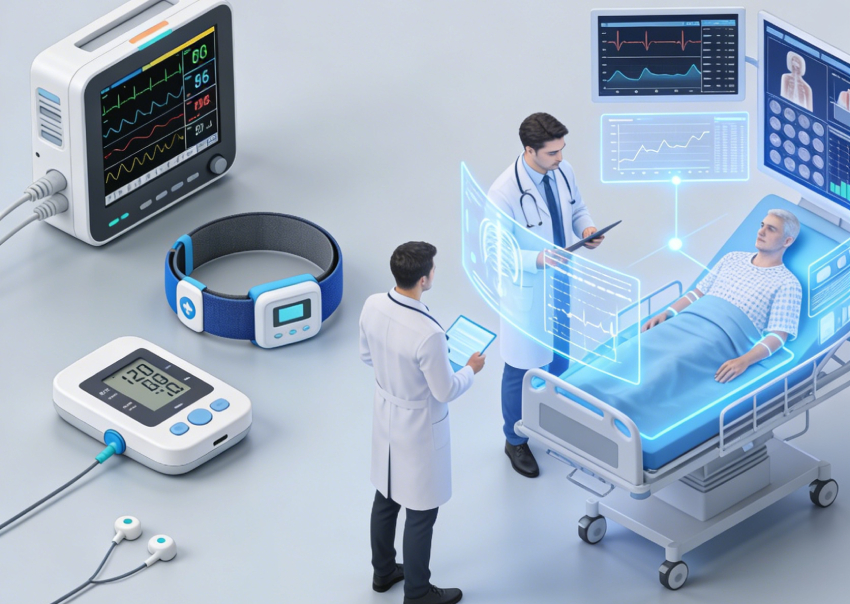
Remote Patient Monitoring (RPM) has emerged as a transformative technology in modern healthcare, allowing providers to track patient health data remotely using connected medical devices and digital platforms. RPM enables better chronic disease management, early intervention, and cost reduction by providing continuous monitoring outside traditional healthcare settings.
As healthcare systems continue to embrace value-based care, RPM offers a scalable solution for managing chronic conditions and reducing hospital readmissions. In this 2026 guide, we explore RPM benefits, CPT codes, reimbursement guidelines, implementation steps, and more.
What is Remote Patient Monitoring in Simple Terms?
Remote Patient Monitoring (RPM) refers to the use of digital health tools to remotely monitor and collect patient health data, such as blood pressure, blood glucose levels, and heart rate. Healthcare providers can use this data to assess a patient’s health remotely, reducing the need for in-person visits while improving care outcomes.
RPM includes continuous tracking of vital signs and other health metrics, while it does not include live consultations, which are the focus of telehealth. RPM is typically used to monitor chronic conditions, such as diabetes, heart failure, and hypertension.
Benefits of Remote Patient Monitoring (RPM)
1. Improved Health Outcomes
RPM allows for early detection of health issues, helping healthcare providers intervene before conditions worsen. A 2021 study found that RPM programs for patients with heart failure reduced hospital readmissions by 20-25%.
2. Cost Savings for Healthcare Systems
RPM helps reduce hospital admissions and emergency room visits, providing substantial cost savings. According to a 2021 study published in PubMed Central, RPM programs saved healthcare systems $100-$150 per patient per month by preventing unnecessary hospitalizations.
3. Better Access to Care
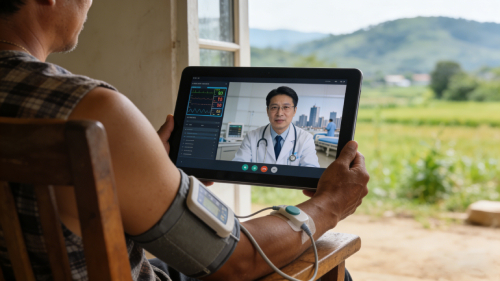
RPM improves healthcare access for patients in rural or underserved areas, as well as those with mobility challenges. By offering remote monitoring, RPM ensures timely interventions without requiring patients to travel to a healthcare facility.
4. Increased Patient Engagement
RPM empowers patients by giving them access to their own health data. This real-time visibility encourages patients to take an active role in managing their chronic conditions, leading to better adherence to treatment plans.
Remote Patient Monitoring Devices: What Equipment Is Required?
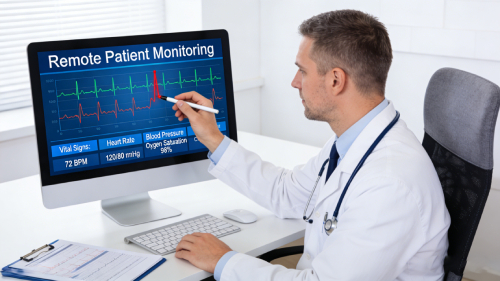
To successfully implement an RPM program, healthcare providers must select appropriate RPM devices for monitoring different health metrics. Below is a list of common devices used in RPM:
Device Types
- Blood Pressure Monitors – Used for hypertension and cardiovascular monitoring.
- Glucose Meters – Essential for monitoring blood sugar levels in diabetic patients.
- ECG Monitors – Used to monitor heart function and detect arrhythmias.
- Pulse Oximeters – measure oxygen saturation in patients with COPD or heart failure.
- Wearable Devices – Such as Fitbit or Apple Watch for overall health monitoring.
Connectivity
RPM devices can connect via Bluetooth (with a hub), cellular networks, or mobile apps.
Data Frequency
RPM devices typically transmit data on a daily, continuous, or event-based schedule, depending on the condition being monitored.
Setup Workflow
- Shipping: Devices are delivered to patients.
- Onboarding: Patients are trained on how to use the devices.
- Baseline Readings: Initial health readings are taken for reference.
These devices must be FDA-approved to ensure they meet regulatory standards.
RPM for Chronic Diseases: Vertical Deep Dive
H3: RPM for Diabetes
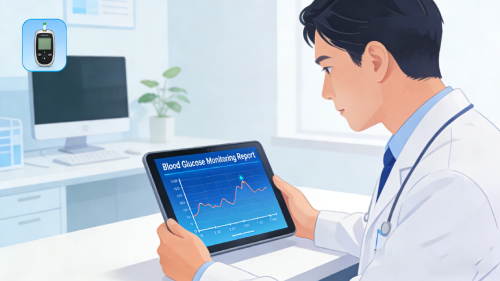
Remote Patient Monitoring for Diabetes is essential for managing blood glucose levels. Patients use glucose meters and continuous glucose monitors (CGMs) to track glucose trends, insulin titration, and hypoglycemia alerts.
A 2022 study in PubMed Central found that RPM for diabetes reduced hospitalizations by up to 30% due to better glycemic control.
H3: RPM for Heart Failure
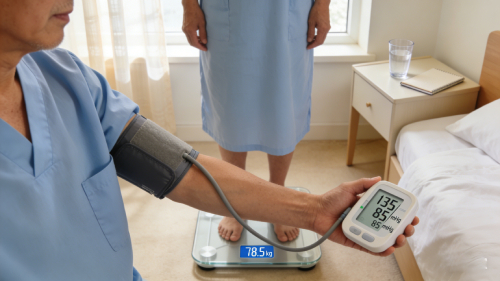
For heart failure patients, RPM involves monitoring weight (fluid retention), blood pressure, and oxygen saturation. By tracking these metrics, healthcare providers can intervene early, preventing complications and hospital readmissions.
A 2021 CMS report found that RPM for heart failure patients reduced hospital readmissions by 20-25%.
H3: RPM for Hypertension
RPM for Hypertension uses blood pressure monitors to track patients’ blood pressure over time.
Studies show that patients using RPM for hypertension management are 40% more likely to have controlled blood pressure compared to those not using RPM.
H3: RPM for COPD
Remote Patient Monitoring for COPD helps monitor oxygen levels and respiratory rates. By catching early signs of exacerbations, healthcare providers can prevent hospital admissions.
A 2020 PubMed study found that RPM for COPD patients led to a 25% reduction in emergency visits.
RPM Compliance & Documentation Checklist
To ensure compliance with Medicare and maintain reimbursement, providers must follow these guidelines:
- Patient Consent – Ensure that patients sign an agreement to participate in the RPM program.
- FDA-Approved Devices – Use only FDA-approved RPM devices.
- HIPAA Compliance – Secure patient data through encrypted transmission.
- Data Review – Regularly review patient data and provide timely interventions.
- Documentation – Accurately document all RPM activities for billing and compliance purposes.
How Much Revenue Can an RPM Program Generate?
Revenue generation from RPM depends on the number of enrolled patients and the specific CPT codes billed. For instance, a practice with 100 patients enrolled in RPM could generate the following revenue:
- CPT 99453 (initial setup): $19 * 100 = $1,900 (one-time charge)
- CPT 99454 (device supply): $64 * 100 = $6,400 (monthly charge)
- CPT 99457 (20 minutes of monitoring): $50 * 100 = $5,000 (monthly charge)
Total revenue from 100 RPM patients can range from $13,300 to $20,000 per month, depending on the level of monitoring provided. Note that additional services, like CPT 99458 for extra monitoring time, could further increase this revenue.
Frequently Asked Questions (FAQs)
1. What conditions qualify for RPM?
RPM is typically used for patients with chronic conditions like diabetes, heart failure, hypertension, and COPD.
2. How many minutes are required for CPT 99457?
CPT 99457 requires at least 20 minutes of clinical interaction, which can be billed monthly.
3. Can nurse practitioners bill for RPM?
Yes, nurse practitioners can bill for RPM services under the appropriate CPT codes if they meet documentation requirements.
4. What is the difference between RPM and RTM?
RPM (Remote Patient Monitoring) involves monitoring physiological data, such as vital signs, while RTM (Remote Therapeutic Monitoring) tracks non-physiological data, such as medication adherence.
5. Does RPM require patient consent?
Yes, patient consent is required for participation in an RPM program to ensure compliance with HIPAA and other regulations.
Conclusion
Remote Patient Monitoring (RPM) is an invaluable tool in modern healthcare, particularly for managing chronic conditions and improving patient outcomes. As the technology continues to evolve, healthcare providers must stay informed about the latest CPT codes, reimbursement rules, and compliance standards to ensure successful implementation.
By leveraging RPM, healthcare systems can improve care delivery, reduce costs, and enhance patient engagement.